

Sinus Massage: What Patients Need to Know
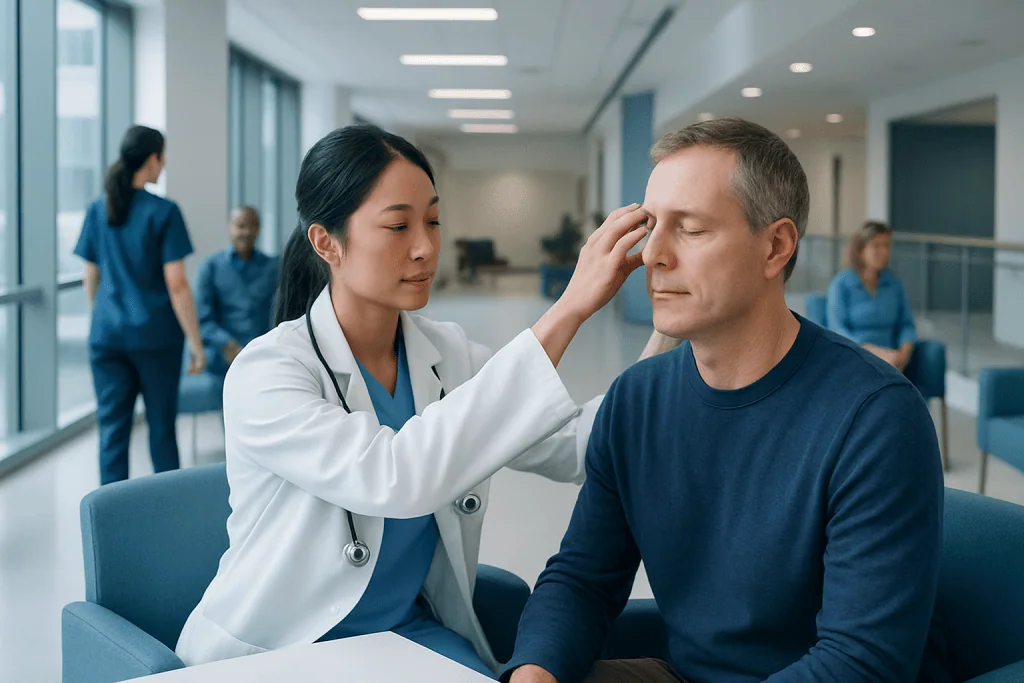
Sinus massage may offer short-term relief from facial pressure and nasal congestion. It does not treat bacterial infection, nasal polyps, or structural causes of blocked sinuses.
Key Takeaways
- Sinus massage may offer short-term relief from facial pressure and nasal congestion.
- It does not treat bacterial infection, nasal polyps, or structural causes of blocked sinuses.
- Gentle pressure is important; forceful massage can worsen irritation or pain.
- People with severe pain, fever, swelling around the eyes, or symptoms lasting more than 10 days should seek medical advice.
- Self-care often works best when combined with measures such as saline rinses, hydration, humidified air, and treatment of allergies when present.
Sinus massage is a gentle self-care technique that may temporarily relieve facial pressure, help mucus move more easily, and support comfort during congestion. It is not a cure for sinus disease, but it can be a useful add-on when used safely and alongside appropriate medical care.
Overview: What sinus massage can and cannot do
Sinus massage is a hands-on technique used to apply light pressure to areas of the face where the sinuses are located, such as the forehead, bridge of the nose, cheeks, and around the eyes. For some people, it can briefly ease pressure, reduce the sensation of fullness, and encourage drainage when the nose feels blocked.
Its main role is comfort. Sinus massage does not remove the underlying cause of symptoms such as a viral cold, allergies, a bacterial infection, a deviated septum, or nasal polyps. It should be viewed as a supportive measure rather than a primary treatment.
Many sinus symptoms happen because the lining of the nose and sinus passages becomes swollen. This can narrow drainage pathways and create pressure in nearby tissues. Gentle massage may help by relaxing facial muscles, improving a person’s sense of airflow, and supporting natural mucus movement, especially when combined with steam, saline irrigation, or allergy treatment.
Because sinus symptoms have many causes, the best approach depends on the pattern and duration of symptoms. Someone with repeated episodes, severe pain, or long-lasting blockage may need an ear, nose, and throat evaluation for problems such as sinusitis or structural issues inside the nose.
How the sinuses relate to facial pressure
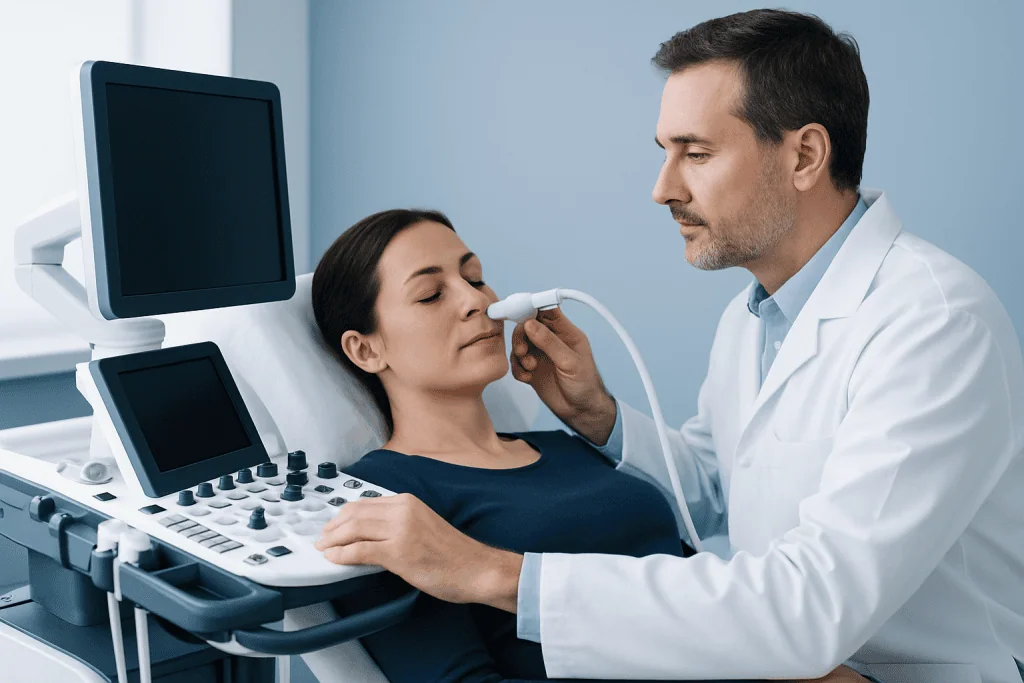
The paranasal sinuses are air-filled spaces in the bones of the face and skull. They sit behind the forehead, between the eyes, behind the nose, and in the cheek area. These spaces connect to the nasal passages through small openings, and they are lined with mucous membrane similar to the lining inside the nose.
When the lining becomes inflamed, mucus can thicken and drainage can slow. This may create a feeling of pressure in the forehead, cheeks, upper teeth, around the eyes, or at the bridge of the nose. Some people also notice headache, postnasal drip, reduced smell, or ear fullness.
Not every facial ache is caused by the sinuses. Migraine, tension-type headaches, dental problems, jaw joint disorders, and eye strain can all mimic sinus discomfort. This is one reason sinus massage may help some people feel more comfortable, yet still not address the true source of pain.
Understanding this difference matters. If symptoms are mainly related to temporary congestion from a cold or allergies, massage may be reasonable. If the pain is sharp, one-sided, recurrent, or linked with high fever or vision changes, further assessment is more appropriate than continued home treatment.
Possible benefits of sinus massage
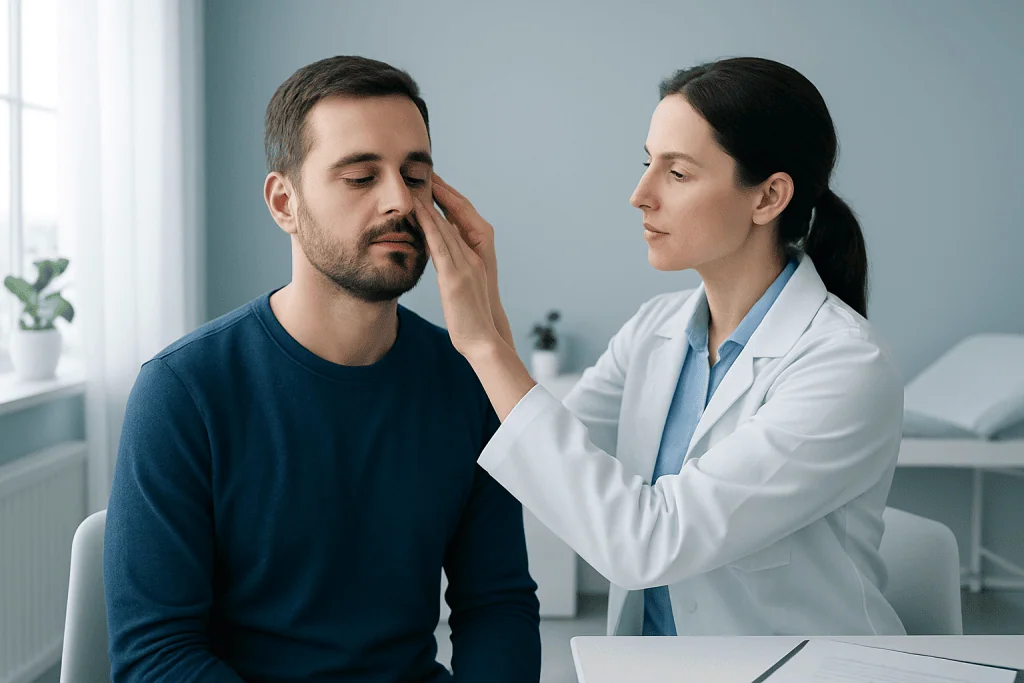
The most realistic benefit of sinus massage is temporary symptom relief. Some people feel less facial tightness after a few minutes of gentle pressure and circular movements over the brow, temples, nose, and cheeks. The sensation of congestion may also improve for a short time, particularly after a warm shower or saline rinse.
Massage may also encourage relaxation. Stress can increase muscle tension in the forehead, jaw, and neck, which may make facial pressure feel worse. In that setting, massage may reduce the overall discomfort even if the sinuses themselves are not significantly blocked.
Potential benefits are usually modest and short-lived. Current medical guidance does not consider sinus massage a replacement for standard treatments such as hydration, allergen control, saline irrigation, or prescribed medicines when they are needed. It is better thought of as one part of a broader symptom-management plan.
People who experience frequent nasal blockage due to allergies or chronic inflammation may also benefit from assessment and medical therapy. Depending on the cause, treatment may include allergy treatment or an ENT review if there are concerns about persistent obstruction, repeated infections, or poor drainage.
How to try sinus massage safely at home
Before trying sinus massage, hands should be washed and the face should be clean. The pressure used should be light to moderate, never forceful. A helpful time to try it is after using a warm compress, inhaling humidified air, or rinsing the nose with saline, because these measures may help loosen mucus and reduce the feeling of blockage.
A simple routine can include gentle circular movements over the eyebrows and forehead, light pressure on either side of the bridge of the nose, and small circles over the cheekbones next to the nose. Some people also find it soothing to massage the temples, jaw muscles, and upper neck. Each area can be massaged for 20 to 30 seconds, repeating the sequence once or twice if comfortable.
Massage should stop if it causes increased pain, dizziness, nausea, skin irritation, or a feeling of sharp tenderness. Direct pressure should be avoided over injured skin, recent surgical sites, or areas with marked swelling. It should also be avoided if there is concern for a skin infection or fracture.
For people with ongoing nasal blockage, home care may be more effective when several approaches are combined. These may include
- saline nasal irrigation or spray
- drinking enough fluids
- using a humidifier or breathing humidified air
- resting during a viral illness
- avoiding smoke and airborne irritants
- managing allergy triggers
When sinus massage is less helpful or not advised
Sinus massage is less likely to help when symptoms are caused by a problem that physically blocks normal drainage, such as a markedly deviated nasal septum, enlarged nasal tissues, or polyps. In these situations, facial pressure may return quickly because the main issue is not muscle tension or thick mucus alone.
It should also not be relied on when there are signs of a bacterial infection or significant inflammation. Symptoms such as fever, thick discolored nasal discharge that persists, worsening pain after initial improvement, or illness lasting beyond the usual course of a cold may need medical review.
People with a history of recent facial trauma, eye surgery, uncontrolled skin conditions of the face, or severe tenderness around the sinuses should be cautious. Children, older adults, and anyone with reduced sensation in the face may need extra care to avoid too much pressure.
If recurring symptoms are linked to long-term nasal obstruction, chronic rhinitis, or repeated sinus infections, further testing may be useful. An ENT specialist may recommend nasal endoscopy, imaging, or discussion of treatments such as endoscopic sinus surgery when conservative care has not been enough.
Diagnosis and medical treatment for ongoing sinus symptoms
Doctors diagnose persistent sinus symptoms by asking about their duration, pattern, triggers, and associated features. Important clues include whether symptoms began with a cold, whether allergies are present, whether pain is one-sided, and whether the person has reduced smell, snoring, dental pain, or repeated infections.
An examination may include looking inside the nose for swelling, drainage, polyps, or structural narrowing. In some cases, an ENT specialist may perform nasal endoscopy, which uses a thin camera to view the nasal passages more closely. Imaging is not always necessary, but it may help in long-standing or complicated cases.
Treatment depends on the cause. Viral upper respiratory infections usually improve with time and supportive care. Allergic symptoms may respond to avoidance measures and medical management. Bacterial sinus infections are not diagnosed by mucus color alone; the full symptom pattern matters. Chronic or recurrent cases sometimes need a tailored plan that may include prescription medicines or procedural treatment.
When nasal blockage is linked to structural issues, treatment options may include septoplasty or other ENT procedures. If growths inside the nose are present, doctors may also evaluate for nasal polyps, especially when symptoms include reduced smell and persistent congestion.
Prevention and daily self-care
Preventing sinus discomfort often starts with protecting the nasal lining. Keeping indoor air comfortably humid, avoiding cigarette smoke, and drinking enough fluids may help the mucous membranes stay less irritated. During dry seasons or air-conditioned travel, saline nasal sprays can support moisture in the nose.
Allergy management can make a major difference for people whose symptoms are seasonal or triggered by dust, pets, or pollen. Limiting exposure to known triggers, washing the face after outdoor exposure, and following a clinician’s treatment plan may reduce swelling that contributes to sinus pressure.
Good hand hygiene and general cold-prevention habits may lower the chance of viral infections that lead to congestion. Rest, balanced nutrition, and regular sleep can also support recovery when a person does get ill. If sinus massage is helpful, it can be used occasionally as part of this broader self-care routine rather than as a stand-alone solution.
For international patients with complex or recurring ENT concerns, Acibadem International’s multidisciplinary specialists in JCI-accredited hospitals provide evaluation and treatment planning based on the underlying cause of symptoms.
When to seek medical care
Medical advice is appropriate if sinus symptoms last more than about 10 days without improvement, keep returning, or interfere with sleep, work, or daily comfort. It is also sensible to seek care if home measures, including sinus massage, saline rinses, and hydration, are not bringing meaningful relief.
Prompt assessment is especially important for severe facial pain, swelling around the eyes, high fever, confusion, double vision, worsening headache, or symptoms after a facial injury. These features are not typical of simple congestion and may point to a more serious problem.
People with asthma, immune system problems, significant allergies, or a history of nasal surgery may also benefit from earlier medical review. A doctor can help determine whether symptoms are due to infection, allergy, migraine, dental disease, or another cause that needs a different treatment approach.
In general, sinus massage is reasonable only when symptoms are mild and uncomplicated. If there is uncertainty about the diagnosis, a qualified healthcare professional is the safest source of guidance.
Frequently asked questions
Does sinus massage really work?
Sinus massage may help some people feel temporary relief from facial pressure or congestion. Its effect is usually modest and short-term, and it does not treat the underlying cause of sinus symptoms. It is best used as a supportive measure alongside other appropriate care.
Can sinus massage clear a sinus infection?
No, sinus massage does not cure a sinus infection. If symptoms are caused by bacterial infection, severe inflammation, or a structural blockage, massage alone will not resolve the problem. Ongoing or worsening symptoms should be assessed by a doctor.
How often can sinus massage be done?
Most people who find it helpful use it occasionally during periods of congestion, usually for a few minutes at a time. It should always be gentle and stopped if it increases pain or discomfort. Repeated, forceful massage is not recommended.
Is sinus massage safe for everyone?
It is generally safe when done gently, but not for everyone. People with recent facial injury, skin infection, severe tenderness, recent facial or eye surgery, or swelling around the eyes should avoid it unless advised otherwise by a clinician. Children and older adults may need extra caution.
What else helps relieve sinus pressure at home?
Supportive options include saline nasal irrigation or spray, humidified air, a warm compress, rest, hydration, and avoiding smoke or irritants. If allergies are contributing, managing triggers and following medical advice can also help. These measures often provide more reliable relief than massage alone.
When should someone see a doctor instead of trying home remedies?
Medical care is important if symptoms last more than 10 days, become severe, or keep returning. Fever, swelling near the eyes, severe headache, vision changes, or confusion need prompt medical attention. A doctor can determine whether the cause is sinus-related or something else.
References
- American Academy of Otolaryngology–Head and Neck Surgery
- National Institute of Allergy and Infectious Diseases
- Mayo Clinic
- National Health Service
- Cleveland Clinic
This article is for general information only and is not a substitute for professional medical advice. Please consult a qualified doctor about your individual situation.
Explore treatments in Turkey — costs, top hospitals & a free quote
JCI-accredited · board-certified surgeons · reply within 24h
Add us as a Preferred Source to see more of our trusted health content across Google Search, AI Overviews and Discover.

More from the Health Library

Sinamet: A Complete Medical Overview

Tacrolimus Ointment: A Complete Medical Overview

Jengibre — Explained by Medical Evidence, Not Myths

Si Joint Fusion: An Evidence-Based Guide for Patients

Dimenhydrinate: An Evidence-Based Guide for Patients

UTI test strips: Symptoms, Causes, and Treatment — Complete Patient Guide
Otorhinolaryngology Specialists at Acibadem

Prof. Dr. A. Erdem Kılavuz
Otorhinolaryngology
Dr. Abdülkadir Oran
Otorhinolaryngology
Dr. Ahmet Bülent Demirbağ
Otorhinolaryngology
Prof. Dr. Ahmet Koç
Otorhinolaryngology