Cardiovascular Endurance: A Complete Medical Overview
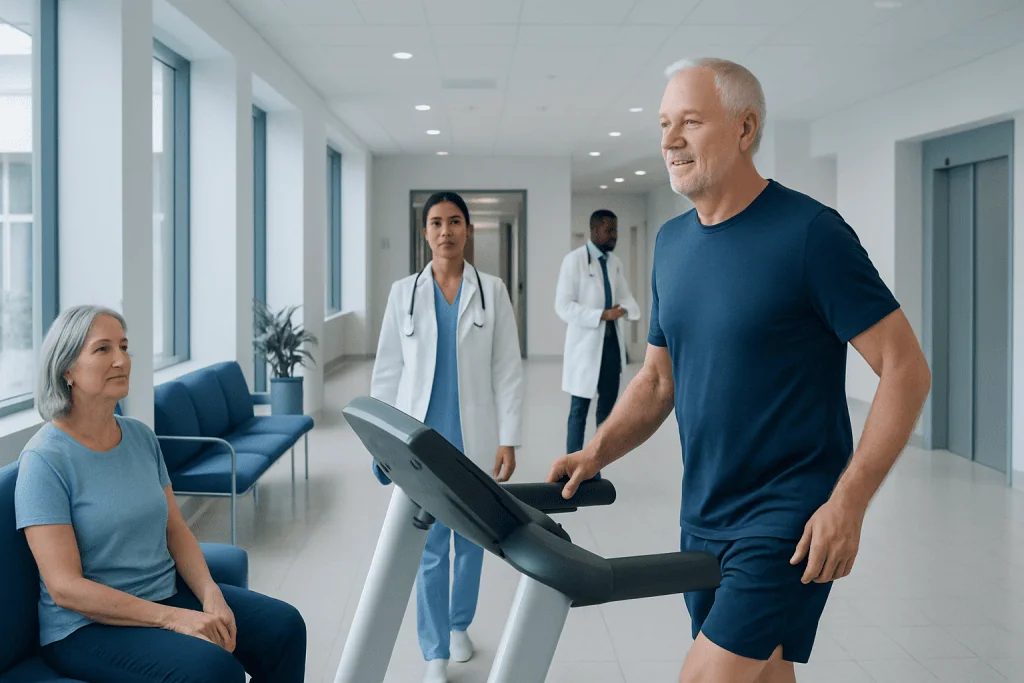
Cardiovascular endurance describes how efficiently the heart, lungs, and muscles support prolonged activity. Higher cardiovascular endurance is linked with better daily function and lower risk of many chronic diseases.
Key Takeaways
- Cardiovascular endurance describes how efficiently the heart, lungs, and muscles support prolonged activity.
- Higher cardiovascular endurance is linked with better daily function and lower risk of many chronic diseases.
- Walking, cycling, swimming, jogging, and similar aerobic activities can improve endurance when increased gradually.
- Doctors may assess endurance with a health history, physical exam, exercise testing, or cardiopulmonary evaluation when needed.
- Chest pain, fainting, unusual shortness of breath, or palpitations during exercise need medical assessment.
Cardiovascular endurance is the body’s ability to keep supplying oxygen to working muscles during sustained physical activity. It reflects how well the heart, lungs, blood vessels, and muscles work together, and it can be improved safely over time with regular, structured movement.
Overview: What Cardiovascular Endurance Means
Cardiovascular endurance is the ability to perform continuous physical activity for a period of time while the body delivers enough oxygen to the muscles. In practical terms, it reflects how well the heart pumps blood, how effectively the lungs bring oxygen into the body, and how efficiently muscles use that oxygen during movement. People often notice it in everyday life as the capacity to walk briskly, climb stairs, cycle, swim, or exercise without becoming overly tired too quickly.
This concept is sometimes called cardiorespiratory fitness or aerobic fitness. Although athletes often train specifically to improve it, cardiovascular endurance is not only a sports measure. It is an important marker of general health because it is closely connected to heart function, lung function, circulation, metabolism, and long-term physical independence.
Good cardiovascular endurance does not mean exercising at maximum intensity. Instead, it usually means the body can sustain moderate or sometimes vigorous effort safely and efficiently. A person with stronger endurance often recovers more quickly after exertion, tolerates activity better, and may find routine tasks less physically demanding.
Because many body systems are involved, changes in cardiovascular endurance can sometimes reflect underlying health issues. For some individuals, reduced exercise tolerance may be related to deconditioning, while for others it may signal conditions involving the heart, lungs, blood, or circulation, such as coronary artery disease.
Why Cardiovascular Endurance Matters for Health

Cardiovascular endurance is one of the most useful broad indicators of physical health. When it improves, the heart usually becomes more efficient at pumping blood, muscles can use oxygen more effectively, and many people experience better stamina during both exercise and daily activities. This may translate into practical benefits such as easier walking, less fatigue, improved mood, and greater confidence with movement.
Over time, regular aerobic activity that supports endurance can help with blood pressure control, weight management, blood sugar regulation, and healthy cholesterol patterns. It is also associated with better sleep quality, stress management, and maintenance of mobility with age. These effects make cardiovascular endurance relevant not only to fitness goals but also to prevention and long-term wellness.
Low endurance can affect quality of life in subtle ways. A person may avoid stairs, feel winded when carrying groceries, or stop physical hobbies they previously enjoyed. In some cases, reduced endurance may simply reflect an inactive period after illness, surgery, or injury. In other cases, it can point to a need for medical review, especially if symptoms appear suddenly or worsen over time.
For people living with chronic conditions, improving cardiovascular endurance often requires an individualized plan. This may involve supervised exercise, medical assessment, or targeted treatment of the underlying cause. In selected cases, a doctor may recommend cardiac evaluation or cardiac rehabilitation to help rebuild tolerance safely.
How the Body Builds Endurance

Cardiovascular endurance depends on a coordinated chain of events. The lungs move oxygen into the bloodstream, the heart pumps oxygen-rich blood through the arteries, and the muscles extract and use that oxygen to produce energy. When this system works well, activity can continue for longer with less strain.
With regular training, the body adapts in several helpful ways. The heart can pump more efficiently with each beat, circulation to active muscles improves, and the muscles themselves become better at using oxygen. These changes do not happen overnight, but even modest consistency can lead to meaningful gains over weeks to months.
Several factors influence a person’s starting point and response to training. These include age, genetics, current activity level, body composition, sleep, nutrition, smoking status, medications, and chronic health conditions. Mental factors also matter; stress, anxiety, and low confidence can all reduce willingness to stay active.
Endurance is not measured only by athletic performance. Clinicians may consider resting heart rate, exercise tolerance, recovery after exertion, walking distance, or formal exercise test results. In some situations, cardiopulmonary exercise testing or a stress-based assessment such as a stress test may be used to understand why a person becomes short of breath or fatigued with activity.
Common Signs of Low Cardiovascular Endurance
Low cardiovascular endurance usually shows up as reduced exercise tolerance rather than a single disease symptom. A person may feel tired early during walking or climbing stairs, need frequent breaks during routine activity, or feel that exercise becomes difficult sooner than expected. Some people describe this as “getting out of breath easily,” while others notice leg fatigue or a general inability to keep going.
It is important to distinguish ordinary exertion from symptoms that suggest a medical issue. Normal exercise can cause faster breathing, a higher heart rate, sweating, and muscle tiredness. These should improve with rest. Symptoms that are unusual, severe, or out of proportion to the activity deserve attention.
Concerning warning signs during or after exercise may include:
- Chest pain, pressure, or tightness
- Shortness of breath that is sudden, severe, or worsening
- Dizziness, fainting, or near-fainting
- Irregular or racing heartbeat
- Unusual fatigue that is new or persistent
- Swelling in the legs or ankles
These symptoms do not automatically mean a serious condition is present, but they should not be ignored. Problems such as arrhythmia, heart valve disease, lung disorders, anemia, or poor conditioning can all affect endurance and may require evaluation.
Causes and Risk Factors That Affect Endurance
The most common reason for poor cardiovascular endurance is low physical activity. After weeks or months of inactivity, the heart, lungs, and muscles become less efficient, and exercise feels harder. This type of deconditioning can happen after illness, injury, prolonged bed rest, desk-based work, or a generally sedentary lifestyle.
However, endurance can also be reduced by medical conditions. Heart disease, high blood pressure, chronic lung disease, obesity, diabetes, anemia, thyroid disorders, sleep problems, and some infections may all limit exercise capacity. Certain medications can also affect heart rate, energy levels, or perceived effort during activity.
Lifestyle factors play an important role. Smoking, poor sleep, high alcohol intake, chronic stress, and inadequate nutrition can interfere with the body’s ability to adapt to exercise. Environmental conditions such as heat, humidity, or altitude may also make activity feel more difficult even in otherwise healthy people.
Age alone does not prevent improvement, but it may change how training should be approached. Older adults, people with chronic illness, and those with symptoms should increase activity gradually and may benefit from professional guidance. If reduced endurance appears together with known vascular problems such as peripheral artery disease, medical review becomes especially important.
How Doctors Assess Cardiovascular Endurance
Assessment begins with a clinical history. A doctor usually asks what kinds of activity cause symptoms, how long the problem has been present, whether it is getting worse, and whether there are associated symptoms such as chest discomfort, cough, wheezing, swelling, or palpitations. Medical history, medications, smoking, family history, and exercise habits also help shape the evaluation.
A physical examination may include blood pressure, heart rate, oxygen levels, heart and lung examination, and an assessment of weight, circulation, and mobility. Basic tests may be considered depending on the person’s symptoms and risk profile. These can include blood tests, an electrocardiogram, chest imaging, lung function testing, or heart imaging.
When exercise-related symptoms are unexplained, more focused testing may be useful. Some people may need an exercise ECG, cardiopulmonary exercise testing, or an echocardiography exam to look at heart structure and function. The goal is not simply to assign a fitness score, but to determine whether the body is responding normally to exertion.
Doctors may also use simple functional measures, such as walking tests or monitored exercise sessions, especially in rehabilitation settings. These can help establish a safe starting point and track progress over time. Assessment is particularly valuable for people returning to exercise after a cardiac event, surgery, prolonged illness, or a long period of inactivity.
Improving Cardiovascular Endurance Safely
The most reliable way to improve cardiovascular endurance is regular aerobic activity. This includes walking, cycling, swimming, jogging, dancing, rowing, or similar movements that use large muscle groups continuously. For many adults, starting with moderate-intensity activity and building up gradually is both effective and sustainable.
A simple approach is to begin at a level that allows conversation but still feels like work. Duration often matters more than speed at first. Some people may start with 10 to 15 minutes at a time and add a few minutes each week. As endurance improves, frequency, intensity, or variety can be increased slowly. Rest and recovery remain part of the process, especially for beginners.
Supportive habits also matter. Adequate sleep, balanced nutrition, hydration, smoking cessation, and management of medical conditions all help the body adapt. Strength training can complement aerobic exercise by improving movement efficiency and supporting joints and posture. People with obesity, diabetes, heart disease, or lung conditions may benefit from individualized plans supervised by clinicians or exercise professionals.
Structured treatment may be needed when endurance is limited by an identified health problem. Depending on the cause, care can involve risk factor management, respiratory therapy, rehabilitation, or specialist follow-up. Near the end of the care pathway, some international patients may seek multidisciplinary evaluation at Acibadem International, where JCI-accredited hospitals diagnose and treat cardiovascular and exercise-related conditions with coordinated specialist input.
When to Seek Medical Care
Medical advice is appropriate when cardiovascular endurance declines unexpectedly, when usual activity becomes much harder, or when a person is unsure whether symptoms are from deconditioning or illness. This is especially important for people with known heart or lung disease, diabetes, high blood pressure, a strong family history of heart disease, or previous smoking exposure.
Urgent medical attention is needed if exercise causes chest pain, severe shortness of breath, fainting, marked palpitations, sudden weakness, or symptoms that do not settle with rest. These signs need prompt assessment, particularly if they are new or worsening. People planning a new exercise program after a cardiac diagnosis, major surgery, or a long period of inactivity should also speak with a qualified doctor before increasing activity significantly.
In non-urgent situations, a clinician can help distinguish between normal training fatigue and a health problem that needs treatment. Early review can also prevent setbacks by identifying barriers such as anemia, poor asthma control, medication effects, or silent cardiovascular disease.
For many people, improving endurance is gradual and highly achievable. With the right plan and, when necessary, medical support, cardiovascular endurance can become a practical tool for better health rather than just a fitness target.
Frequently asked questions
What is cardiovascular endurance in simple terms?
Cardiovascular endurance is the ability to keep doing physical activity while the heart and lungs deliver oxygen to the muscles effectively. It is a measure of how well the body handles sustained effort such as walking, cycling, or swimming.
How can a person improve cardiovascular endurance?
Most people improve cardiovascular endurance through regular aerobic exercise performed consistently over time. Starting gradually, choosing activities that are enjoyable, and increasing duration or intensity step by step are usually the safest ways to build fitness.
How long does it take to increase cardiovascular endurance?
The time varies by age, baseline fitness, health status, and how often a person trains. Some people notice easier breathing and better stamina within a few weeks, while larger changes commonly take several weeks to months of consistent activity.
Is cardiovascular endurance the same as VO2 max?
They are related but not identical. VO2 max is a technical measurement of the maximum amount of oxygen the body can use during intense exercise, while cardiovascular endurance is the broader real-world ability to sustain activity over time.
Can poor cardiovascular endurance mean there is a health problem?
Sometimes yes, although deconditioning is a common cause. If low endurance is new, worsening, or accompanied by chest pain, fainting, palpitations, or unusual shortness of breath, a medical evaluation is important.
What exercises are best for cardiovascular endurance?
Walking, brisk walking, cycling, swimming, jogging, dancing, and low-impact aerobic classes are all effective options. The best exercise is usually one that matches a person’s health needs, feels manageable, and can be done regularly.
This article is for general information only and is not a substitute for professional medical advice. Please consult a qualified doctor about your individual situation.
Heart care in Turkey — expert evaluation and treatment
JCI-accredited · board-certified surgeons · reply within 24h
Add us as a Preferred Source to see more of our trusted health content across Google Search, AI Overviews and Discover.
Check your numbers in seconds
BMI, calories, due date, blood pressure and 30+ more clinical calculators — free, instant, doctor-reviewed ranges.

More from the Health Library

Digestive System: What Patients Need to Know

Diastolic Dysfunction: An Evidence-Based Guide for Patients

Pineal Gland: An Evidence-Based Guide for Patients

Difficulty Breathing: A Complete Medical Overview

Restasis Eye Drops: An Evidence-Based Guide for Patients