Pain Chart Faces: Possible Causes and When to Seek Care
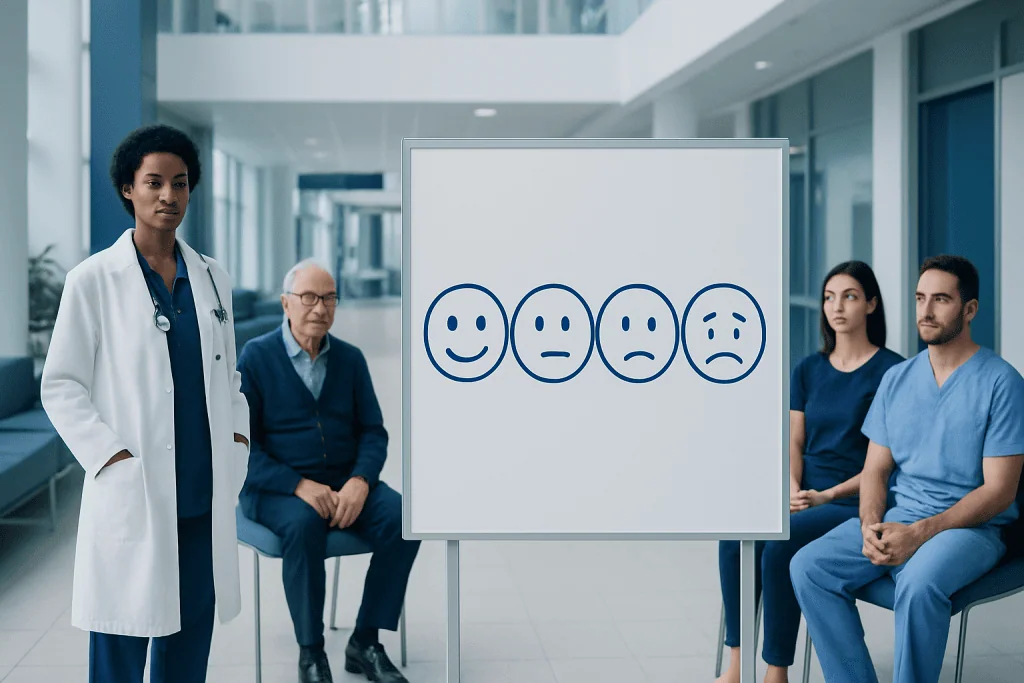
Pain chart faces measure pain intensity, not the exact cause of pain. A higher face score usually means more severe pain, but personal experience and age can affect ratings.
Key Takeaways
- Pain chart faces measure pain intensity, not the exact cause of pain.
- A higher face score usually means more severe pain, but personal experience and age can affect ratings.
- Pain assessment is most helpful when combined with location, timing, triggers, and associated symptoms.
- Persistent, severe, or sudden pain may need medical evaluation, especially with fever, weakness, chest symptoms, or injury.
- Children, older adults, and people with communication difficulties may benefit most from faces-based pain scales.
Pain chart faces are visual tools that help children and adults describe how much pain they feel, especially when words are hard to use. They are useful for communication, but the meaning of a pain score depends on where the pain is, how long it lasts, and what other symptoms are present.
What pain chart faces mean
Pain chart faces are visual rating scales that show a series of faces ranging from comfortable or neutral to very distressed. A person points to the face that best matches how much pain they feel. These scales are commonly used in clinics, hospitals, emergency care, and at home because they make pain easier to describe quickly.
The main purpose of a faces scale is to measure pain intensity, not to identify a diagnosis. In other words, the chart can show whether pain feels mild, moderate, or severe, but it cannot explain why the pain is happening. Doctors interpret the score alongside other details such as where the pain is located, when it started, whether it is constant or comes and goes, and what makes it better or worse.
Faces scales are especially helpful for children, people with language barriers, and adults who have trouble describing symptoms with numbers alone. Some versions use six faces, while others use more or fewer. A score linked to a face may vary by chart, so it is best to focus on the person’s own report rather than comparing one chart directly to another.
How doctors use a faces pain scale

Clinicians use pain chart faces as one part of a broader pain assessment. They may ask the person to choose a face, then follow up with questions about the pain’s location, quality, timing, and impact on daily activities. This helps turn a simple rating into information that can guide diagnosis and treatment.
For example, a face showing moderate pain in the lower back after lifting may suggest a very different cause than the same face chosen for pressure-like chest discomfort or a severe headache. The score tells the care team how intense the symptom feels, while the story around it helps narrow the cause. This is why pain scales are useful but never the only tool used in medical decision-making.
Repeated use of the same scale can also help track change over time. A person may choose one face before treatment and another after rest, medication, or a procedure. This can show whether care is helping and whether the pain is stable, improving, or becoming more serious.
- Intensity: How strong the pain feels
- Location: Where the pain is felt
- Quality: Sharp, dull, burning, throbbing, cramping, pressure-like
- Timing: Sudden or gradual, constant or intermittent
- Associated symptoms: Fever, nausea, weakness, numbness, swelling, shortness of breath
Possible causes behind different pain ratings

A low or moderate score on pain chart faces may happen with temporary problems such as muscle strain, minor injury, tension headache, menstrual cramps, mild dental pain, or short-lived digestive discomfort. These causes are common and often improve with rest, hydration, time, or simple supportive care. Even so, mild pain that keeps returning or interferes with normal life deserves attention.
Higher scores may be seen with more intense conditions such as migraine, kidney stones, fractures, severe infections, nerve pain, inflammatory problems, or abdominal emergencies. However, pain intensity alone does not always reflect medical urgency. Some serious conditions cause only mild pain at first, while some very painful conditions are not dangerous but still need prompt treatment to relieve symptoms.
The type of pain can provide clues. Burning or shooting pain may point toward nerve involvement. Cramping can occur in the digestive tract, urinary tract, or uterus. Pressure or tightness in the chest may need urgent evaluation because it can be linked to heart or lung problems. Pain accompanied by swelling, redness, or limited movement may suggest injury or inflammation, including arthritis in some cases.
Location also matters. Head pain, back pain, abdominal pain, joint pain, and chest pain each have different possible causes. Pain in the upper abdomen after meals can relate to the gallbladder or stomach. Lower abdominal pain may come from the bowel, urinary tract, or reproductive organs. Pain in the lower back can range from a muscle problem to a herniated disc, especially if numbness or leg pain is also present.
Why the same face can mean different things
Two people may choose the same face but have very different conditions. Pain is a personal experience shaped by age, past experiences, mood, sleep, stress, and underlying health conditions. A child with an ear infection and an adult with a kidney stone might both point to a very distressed face, even though the causes and treatments are completely different.
Cultural and communication factors can also influence how pain is expressed. Some people understate pain, while others show it more openly. This does not mean the pain is less real or more serious; it simply means the score must be interpreted in context. Clinicians often look for patterns rather than relying on a single rating.
For this reason, healthcare professionals may ask additional questions such as whether the pain wakes the person from sleep, limits walking, affects eating, or is worsening over hours or days. They may also examine the body area and check vital signs. In some situations, tests such as blood work or MRI or CT scan imaging may be needed to look for the source.
How pain is evaluated beyond the chart
A complete pain evaluation starts with a medical history and physical examination. Doctors ask when the pain began, whether it followed an injury, and what other symptoms are present. They also consider age, medications, chronic illnesses, and previous episodes. This fuller picture often matters more than the number attached to a face.
Depending on the symptoms, evaluation may include blood tests, urine tests, X-rays, ultrasound, or more advanced imaging. Neurological symptoms such as weakness, facial drooping, severe headache, or numbness may call for urgent assessment. Joint, bone, and spine symptoms may require orthopedic or neurological review, while abdominal pain may need digestive or surgical evaluation.
Children are often assessed with extra attention to behavior. A child who cannot explain pain clearly may show changes such as crying, unusual quietness, limping, refusing food, or pulling at an ear or stomach. In older adults, pain may be harder to describe because of memory changes or multiple health conditions, so family observations can be helpful.
If pain becomes long-lasting, doctors may also explore whether it is acute or chronic. Acute pain often signals injury or illness that is expected to heal. Chronic pain lasts longer and may continue after the original tissue problem has improved. Some patients benefit from multidisciplinary care, including physical therapy and rehabilitation alongside medical treatment.
Self-care and tracking pain at home
Using pain chart faces at home can help patients and families monitor symptoms in a practical way. It can be useful to write down the chosen face or score, the time it happened, the location of pain, and any triggers such as movement, meals, stress, or coughing. This record can make medical visits more productive because it shows patterns over time.
General self-care depends on the likely cause but may include rest, hydration, gentle movement, heat or cold packs, and taking medicines only as directed by a qualified clinician or the product label. Avoiding overexertion may help with muscle and joint pain, while regular meals and good sleep habits may reduce some headache triggers. New, unusual, or persistent pain should not be treated with repeated self-medication without advice.
Home tracking is especially helpful for recurring symptoms such as headaches, back pain, abdominal discomfort, or pain related to activity. It is useful to note whether the pain spreads to another area, whether it improves with position changes, and whether it is linked to fever, vomiting, rash, or bowel or bladder changes. These details help clinicians decide whether the issue is likely minor, inflammatory, structural, or urgent.
When to seek medical care
Medical care is important when pain is severe, sudden, worsening, or lasts longer than expected. People should seek prompt evaluation if pain follows a significant injury, prevents normal movement, or repeatedly returns without a clear reason. Ongoing pain that disrupts sleep, work, school, or appetite also deserves professional assessment.
Urgent care is needed for pain with warning signs such as chest pressure, shortness of breath, fainting, confusion, new weakness, seizure, heavy bleeding, high fever, severe dehydration, a rigid or swollen abdomen, or loss of bladder or bowel control. Severe headache with neck stiffness, vision change, or neurological symptoms should also be evaluated quickly. These situations cannot be judged safely by a pain score alone.
Children, pregnant individuals, older adults, and people with cancer, immune suppression, or recent surgery may need earlier evaluation even when the face score seems moderate. If there is uncertainty about the cause of pain or whether it is serious, contacting a doctor is the safest next step. Near the end of the care pathway, Acibadem International’s multidisciplinary specialists in JCI-accredited hospitals evaluate and treat pain-related conditions for international patients when advanced assessment is needed.
Frequently asked questions
What are pain chart faces used for?
Pain chart faces are used to help a person show how strong their pain feels. They are especially useful for children and for anyone who finds number scales difficult. The chart supports communication, but it does not diagnose the cause of pain.
Does a higher face score always mean a dangerous condition?
No. A higher score means the pain feels more intense, but it does not always mean the problem is more dangerous. Some severe pain comes from treatable conditions, while some serious illnesses may begin with only mild pain.
Can adults use a faces pain scale too?
Yes. Although faces scales are often associated with children, many adults find them helpful as well. They can be useful for people with language barriers, communication difficulties, or cognitive changes.
What should be recorded along with a pain face score?
It helps to record where the pain is, when it started, how long it lasts, what it feels like, and what makes it better or worse. Associated symptoms such as fever, nausea, numbness, weakness, or swelling are also important. This extra information gives the score medical meaning.
When should pain be checked by a doctor?
Pain should be checked if it is severe, sudden, persistent, or getting worse. Medical advice is also important if pain keeps returning, interferes with daily life, or comes with warning signs such as chest symptoms, weakness, fever, vomiting, or injury.
Are pain chart faces accurate for children?
They can be very helpful when used in an age-appropriate way. Young children may need simple explanations and support from a parent or clinician. Doctors also look at behavior, vital signs, and the child’s overall condition rather than relying on the chart alone.
References
- World Health Organization
- American Academy of Pediatrics
- Centers for Disease Control and Prevention
- National Institute of Neurological Disorders and Stroke
- National Institute of Arthritis and Musculoskeletal and Skin Diseases
This article is for general information only and is not a substitute for professional medical advice. Please consult a qualified doctor about your individual situation.
Explore treatments in Turkey — costs, top hospitals & a free quote
JCI-accredited · board-certified surgeons · reply within 24h
Add us as a Preferred Source to see more of our trusted health content across Google Search, AI Overviews and Discover.