Severe Chest Pressure: What Patients Need to Know
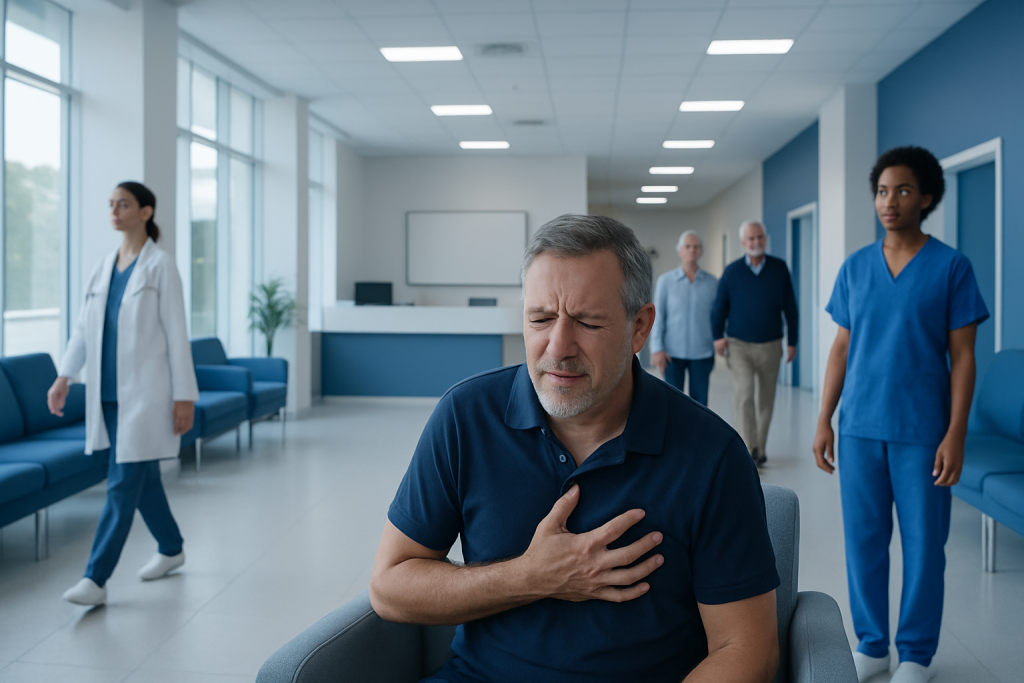
Severe chest pressure is a symptom, not a diagnosis, and its causes range from emergency conditions to less serious problems. Pressure that is sudden, heavy, crushing, or accompanied by shortness of breath, fainting, sweating, or spreading pain needs emergency care.
Key Takeaways
- Severe chest pressure is a symptom, not a diagnosis, and its causes range from emergency conditions to less serious problems.
- Pressure that is sudden, heavy, crushing, or accompanied by shortness of breath, fainting, sweating, or spreading pain needs emergency care.
- Heart-related causes are important to rule out first, but lung, digestive, muscle, and anxiety-related conditions can also cause chest pressure.
- Doctors use the symptom pattern, physical exam, ECG, blood tests, and imaging to find the cause.
- Treatment depends on the underlying problem, so self-diagnosis is not reliable for severe chest pressure.
- Prompt medical evaluation improves safety and helps guide the right treatment quickly.
Severe chest pressure is a symptom that should not be ignored because it can happen with heart, lung, digestive, muscle, or anxiety-related conditions. New, intense, or unexplained pressure—especially with shortness of breath, sweating, nausea, or pain spreading to the arm, back, neck, or jaw—needs urgent medical assessment.
Overview: What severe chest pressure can mean
Severe chest pressure often feels like heaviness, squeezing, tightness, fullness, or a weight sitting on the chest. Some people describe it as “an elephant on the chest,” while others notice a band-like tightness or an uncomfortable pressure that comes and goes. Because people experience pain and pressure differently, even a vague or unusual chest sensation can still be important.
This symptom has many possible causes. Some are urgent, such as reduced blood flow to the heart, a blood clot in the lung, or problems affecting the aorta. Others are not immediately life-threatening, including acid reflux, inflammation of the chest wall, muscle strain, panic symptoms, or infections. The challenge is that serious and less serious causes can feel similar at first.
For that reason, severe chest pressure should be assessed based on the whole picture: when it started, how intense it is, what it feels like, whether it spreads anywhere, and what other symptoms are present. In general, new, unexplained, or severe pressure should be evaluated promptly rather than watched at home for long periods.
How severe chest pressure may feel and which symptoms matter most
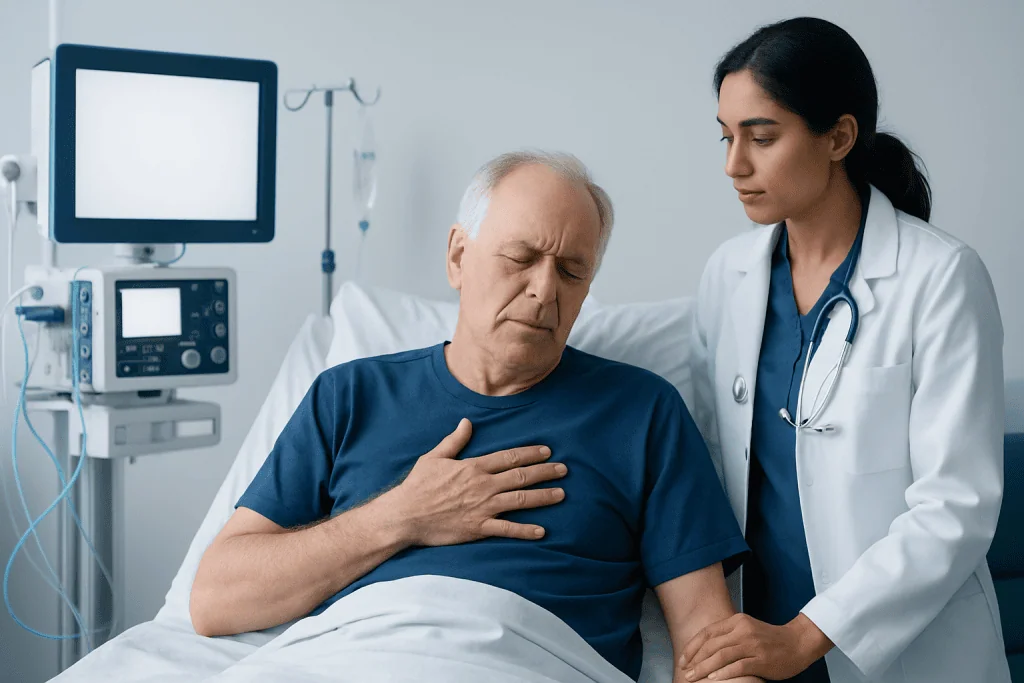
Chest pressure does not always feel like sharp pain. It may be dull, squeezing, burning, aching, or simply “not right.” It can stay in the center of the chest or be felt more on the left, right, or behind the breastbone. Some episodes begin suddenly, while others build over minutes or happen repeatedly with exertion or stress.
Associated symptoms can help guide urgency. Pressure linked to shortness of breath, sweating, nausea, vomiting, fainting, dizziness, unusual fatigue, or a racing heartbeat deserves particular attention. Spreading discomfort into the arm, shoulder, back, neck, or jaw is also a classic warning pattern for heart-related chest pain, though not everyone has the same symptoms.
In some people, especially older adults, women, and those with diabetes, heart-related symptoms may be less typical. They may notice pressure with indigestion-like discomfort, sudden weakness, breathlessness, or unusual tiredness rather than dramatic chest pain. This is one reason it is safest not to assume chest pressure is “just gas” or stress without medical advice.
- Concerning features include new onset, severe intensity, lasting more than a few minutes, or recurring episodes.
- Pressure with exercise that improves with rest can suggest reduced blood flow to the heart.
- Pressure that worsens with deep breathing or coughing may point toward lung or chest wall causes.
- Burning discomfort after meals or while lying down may be more consistent with reflux, but overlap is common.
Common causes: from heart and lungs to digestion and muscles

Doctors first consider potentially dangerous causes. One major concern is acute coronary syndrome, which includes situations where blood flow to the heart muscle is suddenly reduced or blocked. This can cause severe pressure, squeezing, or tightness and may overlap with heart attack warning signs. Another cardiac cause is stable or unstable angina, where chest pressure appears because the heart is not getting enough oxygen-rich blood.
Lung-related causes can also produce severe chest pressure. A pulmonary embolism, which is a blood clot in the lung, may cause sudden pressure or pain with breathlessness, fast heart rate, or coughing. Pneumonia, pleurisy, collapsed lung, and severe asthma can also lead to chest discomfort or tightness. Problems involving the aorta, such as an aortic dissection, are less common but very serious and need immediate care.
Not all causes come from the heart or lungs. Acid reflux, esophageal spasm, or other digestive conditions may create pressure or burning behind the breastbone. Costochondritis, muscle strain, and inflammation in the chest wall can cause localized tenderness and discomfort that changes with movement. Anxiety and panic attacks may also cause chest pressure along with rapid breathing, tingling, trembling, or a sense of fear, but these should only be considered after more dangerous causes have been excluded when symptoms are severe or new.
Risk factors help shape how doctors think about the cause. Heart-related causes become more likely in people with smoking history, high blood pressure, diabetes, high cholesterol, kidney disease, obesity, older age, or a family history of early heart disease. Recent surgery, long travel, cancer, pregnancy, hormone therapy, or prior blood clots can raise concern for pulmonary embolism.
When to seek medical care
Severe chest pressure should be treated as urgent if it is sudden, intense, unexplained, or different from anything the person has felt before. Emergency care is especially important if pressure lasts more than a few minutes, keeps returning, or occurs with shortness of breath, fainting, cold sweats, nausea, bluish lips, confusion, or pain spreading to the arm, back, neck, or jaw.
Immediate medical attention is also needed if chest pressure begins during exercise, follows a major injury, or appears alongside signs of a possible clot such as sudden breathlessness or coughing up blood. It is safer to seek emergency assessment than to drive oneself while symptoms are active.
Even when chest pressure seems milder, a same-day medical review is sensible if it is new, recurrent, or associated with palpitations, fever, worsening reflux, or risk factors for heart disease. People with known heart conditions should follow their clinician’s action plan, but any severe or changing pattern still needs prompt reassessment.
How doctors diagnose the cause
Diagnosis starts with a focused history and physical examination. Clinicians ask what the pressure feels like, where it is located, how long it lasts, what brings it on, and what other symptoms are present. They also review personal risk factors, current medications, recent infections, travel, injuries, and family history. This first step helps doctors judge whether emergency heart, lung, or aortic conditions are more likely.
Tests are chosen based on the level of concern. An electrocardiogram is commonly used right away to look for signs of reduced blood flow to the heart or abnormal heart rhythm. Blood tests may include cardiac biomarkers that rise when heart muscle is injured. Depending on symptoms, doctors may also order a chest X-ray, oxygen measurements, CT imaging, or ultrasound-based studies.
Further evaluation may be needed once immediate dangers are addressed. Some patients benefit from cardiology assessment with stress testing, echocardiography, or coronary imaging if a heart-related explanation remains possible. If digestive symptoms dominate, evaluation for reflux or esophageal causes may be appropriate. If muscle or cartilage inflammation is suspected, the diagnosis may come mainly from the exam after urgent causes are ruled out.
Because one symptom can have many explanations, testing aims not just to confirm a diagnosis but also to safely exclude emergencies. This is why severe chest pressure should not be diagnosed at home based only on internet searches or symptom checklists.
Treatment options depend on the cause
There is no single treatment for severe chest pressure because treatment is directed at the underlying condition. If doctors suspect a heart emergency, care may involve oxygen monitoring, medications to improve blood flow, treatment of abnormal rhythms, or urgent procedures to restore circulation. In some cases, a person may need coronary angiography to identify blocked arteries and guide further treatment.
When chest pressure is caused by a lung problem, treatment might include blood thinners for a clot, antibiotics for infection, inhaled medicines for airway narrowing, or other hospital-based care depending on severity. Aortic causes require immediate specialist management. These conditions illustrate why chest pressure is approached cautiously until a serious diagnosis is excluded.
For non-emergency causes, treatment is usually more targeted and conservative. Reflux-related pressure may improve with dietary changes and acid-reducing treatment. Costochondritis or muscle strain often responds to rest, activity modification, and clinician-guided pain relief. Anxiety-related chest pressure may improve with breathing strategies, counseling, and management of the underlying anxiety disorder once cardiac and pulmonary causes are not suspected.
If blocked heart arteries are confirmed, the care plan may include medicines, lifestyle measures, and sometimes procedures such as coronary artery bypass grafting for selected patients. The right approach depends on the person’s symptoms, test results, overall health, and specialist assessment.
Self-care, prevention, and reducing future risk
Self-care for severe chest pressure begins with knowing when not to self-treat. New or intense symptoms should not be managed only with antacids, rest, or reassurance, because that may delay needed care. Once a clinician has identified a non-emergency cause, home measures can support recovery and reduce repeat episodes.
For overall heart and vascular health, prevention focuses on controllable risk factors. Not smoking, staying physically active as advised by a clinician, eating a balanced diet, managing blood pressure, controlling diabetes, and addressing high cholesterol all help reduce the chance of heart-related chest symptoms. Limiting excess alcohol and maintaining a healthy sleep pattern may also support cardiovascular health.
If reflux contributes to chest pressure, practical steps can include smaller meals, avoiding meals close to bedtime, and identifying trigger foods. If muscle strain is the cause, posture, gradual return to activity, and ergonomic adjustments may help. When anxiety plays a role, relaxation training and mental health support can reduce recurrence, but recurring chest pressure should still be reassessed if the pattern changes.
Near the end of evaluation and treatment planning, some patients may benefit from multidisciplinary care. Acibadem International’s specialists in JCI-accredited hospitals evaluate and treat international patients with chest symptoms, heart disease, and related conditions using coordinated cardiology and imaging services.
Frequently asked questions
Is severe chest pressure always a heart attack?
No. Severe chest pressure can come from several causes, including heart problems, lung conditions, reflux, muscle strain, or panic symptoms. However, because a heart attack is one of the most important causes to rule out, new or severe chest pressure should be assessed urgently.
What symptoms with chest pressure mean emergency care is needed?
Emergency care is needed if chest pressure is sudden, intense, or lasts more than a few minutes, especially when it comes with shortness of breath, sweating, nausea, fainting, confusion, or pain spreading to the arm, jaw, neck, or back. It is also urgent if symptoms start with exercise or are accompanied by signs of a possible blood clot, such as sudden breathlessness.
Can anxiety cause severe chest pressure?
Yes, anxiety and panic attacks can cause chest pressure, tightness, fast breathing, palpitations, and dizziness. Still, a new or unusually severe episode should not automatically be blamed on anxiety, because serious heart or lung conditions can feel similar.
How do doctors tell whether chest pressure is heart-related?
Doctors use the history of symptoms, a physical exam, and tests such as an electrocardiogram and blood tests for cardiac injury. Depending on the situation, they may also use chest imaging, echocardiography, stress testing, or coronary imaging to look for reduced blood flow or other causes.
Can acid reflux feel like severe chest pressure?
Yes. Reflux and esophageal spasm can cause pressure, burning, or tightness behind the breastbone that may mimic heart-related discomfort. Because symptoms can overlap, a clinician may need to rule out a heart cause before assuming reflux is responsible.
What should a person do while waiting for medical help?
The safest step is to stop activity, sit or lie in a comfortable position, and seek emergency help promptly if symptoms are severe or concerning. It is best not to drive oneself if feeling unwell, dizzy, short of breath, or faint. Any medicines should only be used according to a doctor’s prior instructions.
This article is for general information only and is not a substitute for professional medical advice. Please consult a qualified doctor about your individual situation.
Persistent digestive symptoms? Get evaluated in Turkey
JCI-accredited · board-certified surgeons · reply within 24h
Add us as a Preferred Source to see more of our trusted health content across Google Search, AI Overviews and Discover.
Check your numbers in seconds
BMI, calories, due date, blood pressure and 30+ more clinical calculators — free, instant, doctor-reviewed ranges.

More from the Health Library

HCG: An Evidence-Based Guide for Patients

Hair Removal — Explained by Medical Evidence, Not Myths

Clove Water: What Patients Need to Know

Chia Seeds: What Patients Need to Know

Lectin — Explained by Medical Evidence, Not Myths