

Burn Marks: A Complete Medical Overview

Burn marks may include red, brown, or pale patches as well as raised or tightened scars. The depth of the burn, skin type, wound care, and infection risk all influence how noticeable a mark becomes.
Key Takeaways
- Burn marks may include red, brown, or pale patches as well as raised or tightened scars.
- The depth of the burn, skin type, wound care, and infection risk all influence how noticeable a mark becomes.
- Early, appropriate burn care can reduce the risk of prominent scarring and pigment changes.
- Medical evaluation is important for burns on the face, hands, feet, genitals, major joints, or for any deep or infected burn.
- Treatment options may include silicone therapy, pressure garments, laser procedures, injections, or reconstructive care depending on the scar.
Burn marks are changes in the skin that can remain after a burn heals, including discoloration, thickened scars, or uneven texture. Some fade gradually on their own, while others benefit from medical assessment, scar care, and treatments that support healing and appearance.
Overview: What burn marks are
Burn marks are lasting skin changes that appear after a burn injury. They may look like redness, brown or dark patches, lighter areas, shiny skin, thickened scars, or areas where the skin feels tighter than before. In many people, these marks soften and fade over time, but the process can take months and sometimes longer.
Not every burn leaves a permanent scar. Superficial burns that affect only the top layer of skin often heal without lasting marks, although temporary color changes are common. Deeper burns that injure more of the skin are more likely to leave visible scarring because the normal skin structure has been disrupted during healing.
People often use the term “burn marks” to describe several different problems at once: post-inflammatory hyperpigmentation, hypopigmentation, hypertrophic scars, and contractures. This matters because treatment depends on the type of mark. A flat dark patch is managed differently from a raised, itchy, or tightening scar.
Burn recovery is not only about appearance. Some scars can itch, feel uncomfortable, limit movement, or affect confidence in daily life. A careful medical review can help identify whether a mark is likely to improve with time, needs scar-focused treatment, or should be evaluated as part of broader burn care.
How burn marks look and feel
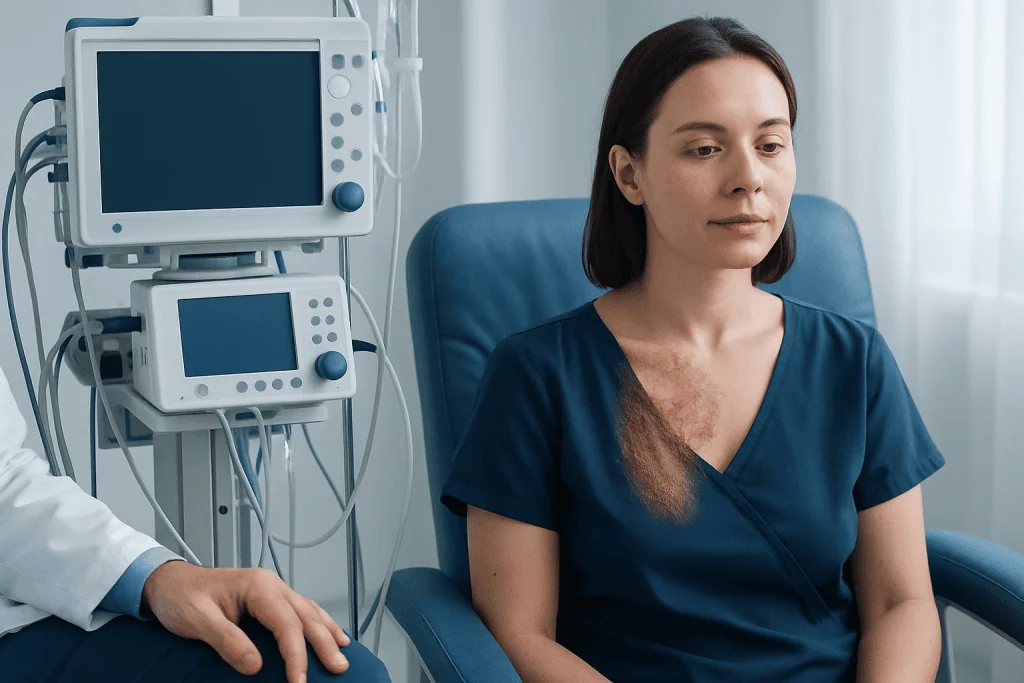
Burn marks can vary widely from person to person. Early in healing, the skin may stay pink or red because of increased blood flow. Later, the area may become darker than the surrounding skin, especially in people with medium to deep skin tones. In others, the healed area may become lighter if pigment-producing cells were damaged by the burn.
Texture changes are also common. Some people develop flat marks with little change in skin thickness, while others form raised scars called hypertrophic scars. These scars stay within the boundary of the original burn but may feel firm, itchy, tender, or warm. Larger or deeper burns can also heal with tightness that affects stretching and movement.
Common features of burn marks include:
- Red, pink, brown, or pale patches
- Raised or thickened skin
- Itching or sensitivity
- Shiny or uneven texture
- Tightness across a joint or moving area
- Changes in hair growth or sweating in the affected skin
The appearance of a burn mark usually changes over time. A scar that looks very noticeable in the first months may become flatter and softer later. Because scar maturation is gradual, healthcare professionals often reassess healing over time rather than judging the final result too early.
Why burn marks happen: causes and risk factors

Burn marks form because a burn injures the skin’s protective layers and the structures that help skin heal normally. When damage extends beyond the most superficial layer, the body repairs the area by producing collagen and new tissue. This repair process is essential, but it can leave differences in color, thickness, and flexibility.
The depth and size of the burn are among the most important factors. Superficial first-degree burns are less likely to scar. Partial-thickness and full-thickness burns have a higher chance of leaving marks, especially if healing is slow. Burns caused by flame, chemicals, electricity, or very hot liquids may cause deeper tissue injury than first appears, which is why proper assessment matters.
Other factors can also increase the likelihood of visible marks:
- Delayed healing or repeated friction to the area
- Wound infection
- Burns over joints, the face, hands, or chest
- Darker skin tones, which may be more prone to pigment changes
- A personal or family tendency toward thick scars
- Sun exposure during healing
Self-treatment that is too harsh can also worsen outcomes. Picking at peeling skin, using irritating home remedies, or exposing new skin to sunlight may make discoloration more noticeable. Gentle wound care and follow-up can help reduce avoidable scarring while the skin is still healing.
How doctors assess burn marks
Assessment usually begins with the history of the injury: what caused the burn, how large it was, how long it took to heal, and whether there were blisters, infection, or medical treatment. This information helps a doctor estimate burn depth and the risk of long-term scarring. The timing also matters, because a new scar is managed differently from one that has matured over many months.
During the skin examination, the doctor looks at color, thickness, tenderness, dryness, and whether the scar crosses a joint or limits movement. They may check whether the mark is flat or raised, whether it stays within the burn border, and whether there are signs of ongoing inflammation or infection. If the area is painful, unusually red, draining, or worsening instead of improving, further medical review is needed.
For some patients, assessment includes measuring range of motion and documenting scar progress with photographs over time. This can be especially helpful for burns on the hands, neck, shoulders, knees, or other mobile areas. When the scar affects both appearance and function, care may involve dermatology, plastic surgery, rehabilitation, and dedicated physical therapy and rehabilitation.
Not all marks need procedures. A specialist may recommend observation if the burn is healing normally and the scar is still in an early phase. The main goal is to match treatment to the type of burn mark while protecting function and supporting the skin’s natural recovery.
Treatment options for burn marks
Treatment depends on whether the main problem is discoloration, a raised scar, tightness, or a combination of these. For many recent burns, doctors start with conservative scar care. This may include regular moisturizing, gentle massage when appropriate, silicone gel or silicone sheets, pressure garments for selected cases, and strict sun protection to reduce darkening.
Raised or symptomatic scars may need more targeted treatment. Depending on the scar, a specialist may consider corticosteroid injections, laser therapy, or other scar-revision approaches. When a scar causes significant tension or affects movement, reconstructive care may be discussed. In some cases, this is part of broader plastic and reconstructive surgery planning.
For discoloration, treatment is more individualized. Darker marks may gradually lighten over time, especially with sun protection and avoidance of irritation. Lighter patches can be more difficult to correct because pigment cells may have been damaged. A dermatologist can explain what improvement is realistic and whether procedures such as laser-based care may help selected patients through dermatology services.
If the original burn was extensive or deep, treatment may focus first on complete wound healing and prevention of complications. Some patients need specialized burn treatment before scar-directed care begins. In complex cases, Acibadem International’s multidisciplinary specialists in JCI-accredited hospitals evaluate burn injuries and burn marks for international patients as part of coordinated care.
Prevention and self-care during healing
Early care can influence how visible a burn mark becomes. After a minor burn, cooling the area promptly with cool running water for about 20 minutes can limit heat damage. Ice, butter, toothpaste, and other home remedies should be avoided because they can irritate tissue or worsen injury. Rings, watches, and tight clothing near the burn should be removed early if swelling is expected.
Once a doctor has advised that a burn can be managed at home, gentle cleansing and appropriate dressings support healing. The area should be protected from rubbing, scratching, and unnecessary trauma. If blisters are present, they should not be deliberately broken unless a healthcare professional recommends it, because broken skin can increase the risk of infection and later scarring.
Sun protection is one of the most important steps for preventing more obvious burn marks. New skin is especially sensitive to ultraviolet light and can darken easily. Covering the area and using sunscreen on healed skin may help reduce long-lasting color change.
Useful self-care measures include:
- Follow professional wound-care instructions closely
- Keep healing skin clean and appropriately moisturized
- Protect the area from sun exposure
- Avoid picking, scrubbing, or using irritating products
- Attend follow-up visits if a scar becomes raised, tight, or uncomfortable
When to seek medical care
Medical care is important right away for any burn that appears deep, looks white, charred, or leathery, causes severe pain, or covers a large area. Burns involving the face, hands, feet, genitals, buttocks, or major joints should also be assessed promptly because they may affect function and healing in sensitive areas.
A person should also seek medical advice if a burn shows signs of infection, such as increasing redness, swelling, warmth, pus, bad odor, fever, or worsening pain. Burns caused by chemicals or electricity need professional evaluation even when the skin injury seems small, because deeper tissue damage may not be fully visible at first.
After the skin has closed, ongoing review is sensible if the mark becomes raised, very itchy, painful, or tight, or if it limits movement. Emotional distress related to visible scarring is also a valid reason to speak with a clinician. Early scar management can sometimes improve both comfort and long-term cosmetic outcome.
Children, older adults, and people with diabetes or poor circulation may need closer follow-up because healing can be more complex. When there is any doubt about burn depth or safe home care, a qualified doctor should guide treatment.
Frequently asked questions
Do burn marks go away on their own?
Some burn marks fade significantly with time, especially if the burn was superficial and healed quickly. However, deeper burns may leave longer-lasting discoloration or scars that improve only partially without treatment.
What is the difference between a burn mark and a burn scar?
A burn mark is a broad term that can include color changes, uneven texture, or true scarring after a burn. A burn scar usually refers more specifically to structural skin changes such as thickening, raising, or tightening.
Can sunscreen help with burn marks?
Yes. Sun protection is very important because newly healed skin can darken more easily than surrounding skin. Regular protection may help reduce lasting pigment changes and keep a scar from becoming more noticeable.
Are raised burn marks permanent?
Raised scars can soften and flatten over time, but some remain noticeable if they are thick or mature. Treatments such as silicone therapy, injections, or laser procedures may help selected patients depending on the scar type.
When should someone worry about a burn mark?
Concern is appropriate if the area becomes increasingly red, swollen, painful, warm, or begins to drain, because these can be signs of infection. Medical advice is also important if a scar becomes tight, crosses a joint, or interferes with normal movement.
Can home remedies remove burn marks?
Most home remedies cannot remove true burn scars, and some may irritate healing skin. Gentle skin care, sun protection, and professional advice are safer and more effective than harsh or unproven products.
This article is for general information only and is not a substitute for professional medical advice. Please consult a qualified doctor about your individual situation.
Explore treatments in Turkey — costs, top hospitals & a free quote
JCI-accredited · board-certified surgeons · reply within 24h
Add us as a Preferred Source to see more of our trusted health content across Google Search, AI Overviews and Discover.

More from the Health Library

PT INR: An Evidence-Based Guide for Patients

Prevnar Vaccine: A Complete Medical Overview

Whipple Procedure: What Patients Need to Know

Wheatgrass: A Complete Medical Overview

GERD Breakfast: A Complete Medical Overview
Elbow Joint Effusion — Explained by Medical Evidence, Not Myths
Aesthetic Plastic & Reconstructive Surgery Specialists at Acibadem
Dr. Umut Özbebit (m)
Aesthetic Plastic & Reconstructive Surgery
Dr. Abdullah Etöz
Aesthetic Plastic & Reconstructive Surgery
Assoc. Prof. Dr. Ahmet Küçükçelebi
Aesthetic Plastic & Reconstructive Surgery
Dr. Ayşe İrem İskenderoğlu
Aesthetic Plastic & Reconstructive Surgery