Bumps on the Head of the Penus: What Patients Need to Know

Many bumps on the penis head are benign and do not need treatment. Pain, itching, discharge, sores, bleeding, or rapid change make medical evaluation more important.
Key Takeaways
- Many bumps on the penis head are benign and do not need treatment.
- Pain, itching, discharge, sores, bleeding, or rapid change make medical evaluation more important.
- Sexually transmitted infections, skin irritation, and inflammatory conditions can also cause penile bumps.
- Doctors usually diagnose the cause with a physical examination and, when needed, simple tests.
- Self-diagnosis can be misleading, so professional assessment is the safest approach.
Bumps on the head of the penus can have many causes, and many are normal or harmless, such as pearly penile papules or visible skin glands. Still, new, painful, spreading, or persistent bumps should be checked by a qualified doctor to rule out infection, inflammation, or other conditions.
Overview: What bumps on the head of the penus can mean
Bumps on the head of the penus are common and are not always a sign of disease. In many people, the cause is a normal variation in skin appearance, such as pearly penile papules or small visible oil glands. Other causes include friction, irritation from soaps or condoms, inflammatory skin conditions, or infections that may need treatment.
The main question is not simply whether a bump is present, but what it looks like and whether it is causing symptoms. A smooth ring of tiny bumps around the edge of the glans can be harmless, while painful sores, blisters, pus-filled spots, or growths that change over time deserve prompt medical attention. A clinician will consider the bump’s size, color, texture, number, and location, as well as any associated symptoms.
Because several conditions can look similar, it is easy to confuse a harmless finding with an infection, or vice versa. For that reason, people should avoid squeezing, scraping, or using over-the-counter treatments meant for other skin problems without guidance. A careful medical assessment can clarify the cause and help prevent unnecessary worry or delay.
Common signs and associated symptoms
Bumps may appear as tiny white, skin-colored, red, or purple spots. Some are smooth and dome-shaped, while others are rough, clustered, crusted, or blister-like. They may occur only on the head of the penis, or also involve the shaft, foreskin, groin, scrotum, or nearby skin.
Symptoms that help guide diagnosis include itching, burning, tenderness, pain with urination, discharge from the urethra, foul odor, swelling, or difficulty retracting the foreskin. Some people notice bumps after sexual activity, shaving, using a new hygiene product, or recovering from an illness. Others may have no symptoms at all and only notice a change in appearance.
Features that tend to require more urgent review include:
- Open sores or ulcers
- Blisters or rapidly spreading rash
- Bleeding, pus, or crusting
- Severe pain or significant swelling
- Fever or feeling unwell
- A new growth that persists or enlarges
Even without pain, persistent changes in the skin of the penis are worth checking. Some conditions are contagious, and some benign conditions can still cause significant anxiety or discomfort until they are properly identified.
Possible causes, from harmless variants to infections
Several benign conditions commonly explain bumps on the penis head. Pearly penile papules are small, flesh-colored bumps that usually form one or more rows around the corona, the rim of the glans. They are not an infection, not related to sexual activity, and do not become cancer. Fordyce spots are visible oil glands that may look like tiny pale or yellow-white dots and are also harmless.
Irritation is another common cause. Friction from sex or masturbation, sensitivity to soaps, scented products, condoms, lubricants, or trapped moisture under the foreskin can lead to redness and small raised areas. Inflammatory skin conditions such as eczema, psoriasis, lichen planus, or balanitis can also affect the glans. Balanitis refers to inflammation of the glans and may be linked to poor hygiene, over-washing, diabetes, yeast overgrowth, or irritation. Readers who want more context about balanitis may benefit from a focused evaluation if redness, soreness, or discharge are present.
Infections can also cause bumps. Viral infections such as genital herpes may cause painful blisters or sores, while human papillomavirus can lead to genital warts that are rough, raised, or cauliflower-like. Molluscum contagiosum can produce small dome-shaped bumps with a central dimple. Yeast infections may cause redness, itch, and small inflamed spots, especially in warm, moist areas.
Less commonly, syphilis can begin with a painless sore, and bacterial folliculitis can cause pimple-like bumps if hair-bearing skin is involved. Rarely, persistent or unusual lesions may represent precancerous change or penile cancer. That is one reason any unexplained lesion that does not improve should be examined by a specialist, particularly if it bleeds, hardens, or changes shape.
How doctors diagnose the cause
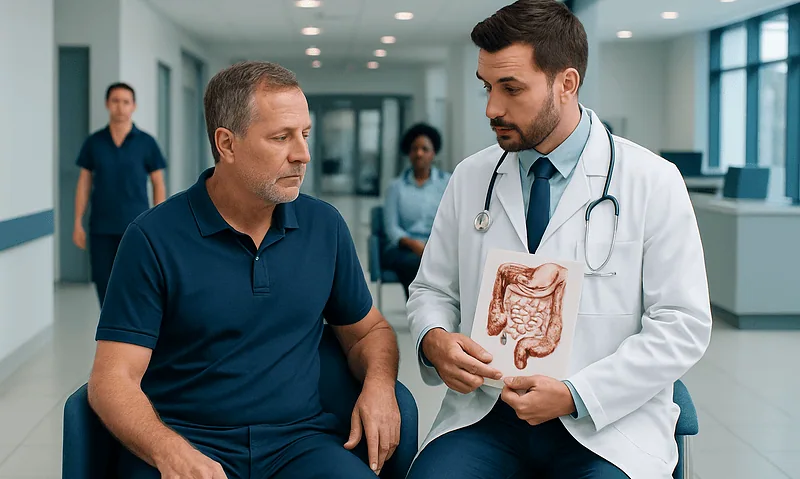
Diagnosis usually begins with a detailed history and physical examination. The doctor may ask when the bumps first appeared, whether they are painful or itchy, whether there has been recent sexual contact, and whether new products, medications, or shaving practices could be relevant. They may also ask about diabetes, immune system problems, or prior skin conditions.
In many cases, the appearance alone strongly suggests the diagnosis. Pearly penile papules, Fordyce spots, fungal inflammation, and genital warts often have recognizable patterns. If an infection is suspected, the clinician may recommend swabs, urine tests, blood tests for sexually transmitted infections, or testing of discharge or skin samples.
If the diagnosis remains uncertain, referral to a dermatologist or urologist may be helpful. Occasionally, a small biopsy is advised to distinguish inflammatory conditions from precancerous or cancerous lesions. Where there is concern for broader urinary or genital issues, a urologic assessment may be combined with urology care to guide the next steps.
Because many online images are misleading, professional diagnosis is more reliable than comparing symptoms on the internet. Early evaluation can also reduce the chance of passing an infection to a partner, if the cause is contagious.
Treatment options depend on the underlying cause
Treatment is based entirely on the diagnosis. Normal anatomical variants such as pearly penile papules and Fordyce spots usually do not need treatment at all. Reassurance is often the most appropriate approach. If appearance causes significant distress, a specialist can discuss whether any procedure is suitable, but cosmetic treatment is not routinely necessary.
Irritation-related bumps often improve by avoiding triggers. Doctors may recommend stopping scented soaps or harsh cleansers, using lukewarm water, keeping the area dry, and avoiding friction until the skin settles. If inflammation is present, a clinician may prescribe a suitable topical treatment. When yeast or bacterial infection is identified, antifungal or antibiotic treatment may be used. For cases involving inflammation of the glans, management may overlap with dermatology care if a skin disorder is suspected.
If sexually transmitted infections are diagnosed, treatment depends on the organism involved. Genital herpes is managed with antiviral medication, while genital warts may be treated with topical therapies or procedures. Syphilis and other bacterial infections require specific antibiotic treatment. Sexual partners may also need assessment, depending on the diagnosis.
For unusual, persistent, or suspicious lesions, specialist evaluation is important. In selected cases, doctors may recommend further investigation through urology check-up services, especially when symptoms are recurrent, involve urination, or raise concern for deeper urologic disease. The most appropriate treatment plan should always come from a qualified clinician after examination.
Self-care, prevention, and what not to do
Gentle daily hygiene can help lower the chance of irritation and some infections. The penis should be washed with lukewarm water, and any soap used should be mild and fragrance-free. People with a foreskin should clean under it gently and dry the area well. Over-washing, scrubbing, or using antiseptics can worsen inflammation rather than help it.
Safer sex practices can reduce the risk of sexually transmitted infections. Condoms lower risk, although they do not prevent all skin-to-skin transmission. Avoiding sexual contact when sores, blisters, or active irritation are present is also sensible until a clinician has reviewed the problem. People with recurrent symptoms may benefit from sexual health screening.
It is important not to pick, pop, shave over, burn, or apply wart removers or acne products to bumps on the penis unless a doctor specifically advises it. The skin in this area is delicate, and self-treatment can cause burns, scarring, infection, or delay proper diagnosis. If bumps recur, keeping a note of triggers such as friction, products, or medications may be helpful during a medical visit.
When to seek medical care
Medical review is advisable if bumps are new, persistent, painful, itchy, spreading, or causing worry. A doctor should also assess any bump associated with burning during urination, penile discharge, bleeding, swollen lymph nodes in the groin, or symptoms after unprotected sex. Prompt evaluation is especially important for ulcers, blisters, fever, or significant swelling.
Even if the bumps are painless, it is wise to book an appointment if they last more than a few weeks, change in color or shape, or do not fit a known normal pattern. Persistent lesions can occasionally reflect an inflammatory disease, an STI, or, more rarely, an early cancerous change. If a patient is uncertain whether a finding is normal, a professional opinion is the safest next step.
Acibadem International’s multidisciplinary specialists in dermatology and urology, working in JCI-accredited hospitals, evaluate and treat patients with genital skin and urinary concerns, including those traveling internationally for care.
Frequently asked questions
Are bumps on the head of the penus usually normal?
Often, yes. Some bumps are normal skin variants, such as pearly penile papules or visible oil glands, and they do not need treatment. However, new or changing bumps should still be checked if there is any uncertainty.
How can someone tell the difference between pearly penile papules and genital warts?
Pearly penile papules are usually small, smooth, uniform bumps arranged in neat rows around the rim of the glans. Genital warts are more likely to look irregular, rough, or cauliflower-like and may appear in clusters. Because the appearance can overlap, a doctor should confirm the diagnosis.
Can poor hygiene cause bumps on the penis head?
Poor hygiene can contribute to irritation or inflammation, especially under the foreskin, but it is not the only cause. In some cases, over-washing or using harsh products can also trigger redness and bumps. Gentle cleaning is usually better than frequent scrubbing.
Should bumps on the penis be popped or treated at home?
No. Squeezing, scraping, or applying strong creams or wart removers can damage delicate skin and make the problem worse. Home treatment should only be used if a qualified clinician has identified the cause and recommended it.
Are bumps on the head of the penus a sign of an STI?
Sometimes, but not always. Certain sexually transmitted infections, such as herpes, genital warts, or syphilis, can cause bumps, sores, or lesions. Many other causes are non-sexually transmitted, so testing or examination is often needed to know for sure.
When should someone worry about penile bumps?
It is sensible to seek medical advice if bumps are painful, itchy, bleeding, ulcerated, spreading, or linked with discharge or fever. A bump that persists, enlarges, or changes in appearance should also be examined. Early assessment can identify infections and rule out more serious conditions.
This article is for general information only and is not a substitute for professional medical advice. Please consult a qualified doctor about your individual situation.
Explore treatments in Turkey — costs, top hospitals & a free quote
JCI-accredited · board-certified surgeons · reply within 24h
Add us as a Preferred Source to see more of our trusted health content across Google Search, AI Overviews and Discover.

More from the Health Library

Humanistic Psychology: A Complete Medical Overview

Ertapenem: A Complete Medical Overview

Apples — Explained by Medical Evidence, Not Myths

Over Counter Medicine for Stomach Ulcers: What Patients Need to Know

Walnuts — Explained by Medical Evidence, Not Myths