Tracheoesophageal Fistula: What Patients Need to Know

A tracheoesophageal fistula allows food, liquid, or saliva to pass into the airway, which can lead to coughing, choking, or lung infections. Some cases are congenital and found in newborns, while others develop in adults due to cancer, injury, prolonged ventilation, or other medical conditions.
Key Takeaways
- A tracheoesophageal fistula allows food, liquid, or saliva to pass into the airway, which can lead to coughing, choking, or lung infections.
- Some cases are congenital and found in newborns, while others develop in adults due to cancer, injury, prolonged ventilation, or other medical conditions.
- Diagnosis often involves imaging, endoscopy, and careful evaluation by specialists in airway and digestive disorders.
- Treatment depends on the cause, size, and location of the fistula and may include surgery, stents, nutritional support, and infection management.
- Prompt medical attention is important if swallowing problems, repeated chest infections, or choking with eating are present.
Tracheoesophageal fistula is an abnormal connection between the trachea (windpipe) and esophagus (food pipe). It may be present at birth or develop later in life, and treatment usually focuses on protecting breathing, supporting nutrition, and closing the connection when possible.
Overview
Tracheoesophageal fistula is a medical condition in which an abnormal passage forms between the trachea and the esophagus. In simple terms, the airway and the swallowing tube become connected where they should remain separate. Because of this, saliva, food, or liquids may enter the lungs, while air can pass into the digestive tract.
This condition can appear in two main ways. Some people are born with it, often together with esophageal atresia, a condition in which the esophagus does not form normally. Others develop a fistula later in life, most often because of cancer, prior surgery, radiation treatment, trauma, severe infection, or pressure injury from long-term breathing tubes.
Although the name sounds complex, the central issue is straightforward: the body cannot safely separate breathing from swallowing. That is why common problems include choking during feeds, coughing after swallowing, recurrent pneumonia, or trouble maintaining nutrition. Early recognition matters because treatment can reduce complications and improve comfort and safety.
How Tracheoesophageal Fistula Affects the Body
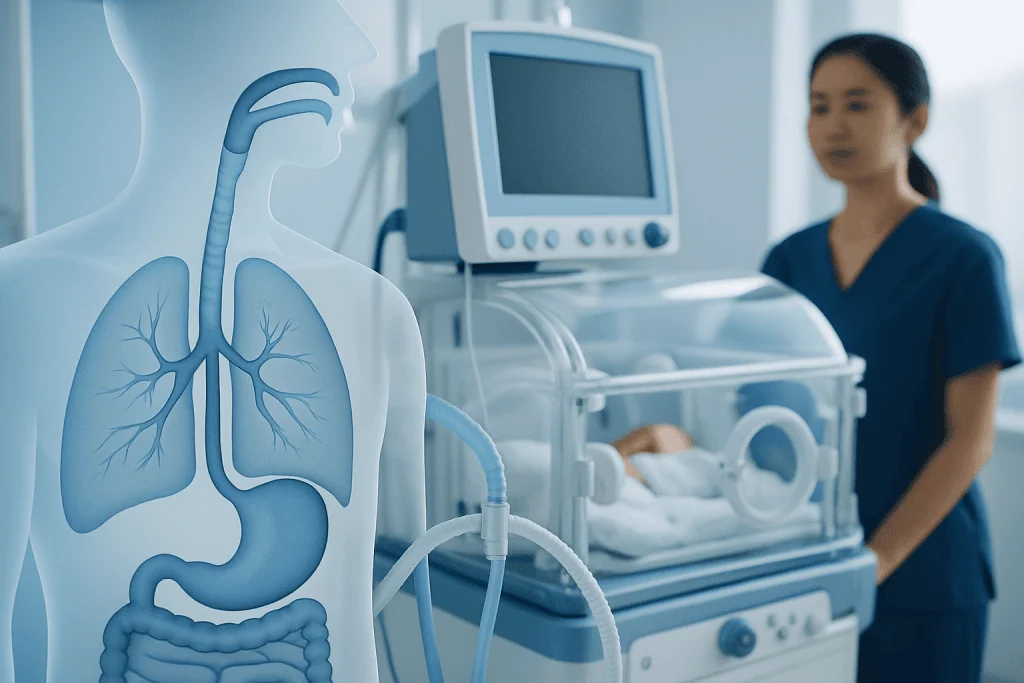
Normally, the trachea carries air to and from the lungs, and the esophagus carries food and liquid to the stomach. Muscles and normal anatomy help keep these two pathways apart. When a fistula is present, material that belongs in one passage can cross into the other.
During swallowing, this abnormal connection may allow milk, water, or food particles to enter the trachea. This is called aspiration. Aspiration can irritate the lungs and may lead to repeated coughing, wheezing, or chest infections. In babies, it can interfere with feeding and growth. In adults, it may cause distressing symptoms and reduce quality of life.
Air can also move from the trachea into the esophagus and stomach. This may contribute to abdominal bloating, discomfort, and sometimes difficulty with ventilation in critically ill patients. The exact effects depend on the size and location of the fistula, as well as the person’s age and underlying health conditions.
Symptoms and Warning Signs

Symptoms vary depending on whether the fistula is present at birth or acquired later. In newborns, possible signs include excessive drooling, coughing or choking during feeding, bluish skin color during feeds, difficulty breathing, and an inability to pass a feeding tube into the stomach. Babies may also develop repeated episodes of aspiration or pneumonia.
In older children and adults, symptoms can be more subtle at first. A person may notice coughing when drinking liquids, choking with meals, hoarseness, recurrent respiratory infections, bad-smelling sputum, or unexplained weight loss. Some people describe a feeling that food “goes down the wrong way” more often than expected.
Symptoms may also reflect the underlying cause. For example, a fistula related to cancer may occur along with pain, difficulty swallowing, or worsening fatigue. If there are repeated lung infections or persistent swallowing problems, doctors may also evaluate for other esophageal or airway conditions, including esophageal cancer when clinically appropriate.
- Coughing or choking with eating or drinking
- Frequent chest infections or aspiration pneumonia
- Feeding difficulties in infants
- Breathing problems, wheezing, or cyanosis
- Unintended weight loss or poor growth
- Excessive saliva or regurgitation
Causes and Risk Factors
Congenital tracheoesophageal fistula develops before birth as the airway and esophagus are forming. It often occurs with esophageal atresia and may be associated with other birth differences affecting the heart, kidneys, spine, or limbs. In these cases, treatment planning usually involves pediatric surgeons, neonatologists, and other specialists.
Acquired tracheoesophageal fistula in adults is less common but can occur for several reasons. One important cause is cancer involving the esophagus, trachea, or nearby structures. Other causes include complications of surgery, radiation therapy, prolonged intubation, trauma to the neck or chest, severe inflammation, caustic injury, or infection.
Long-term pressure from a cuffed breathing tube or tracheostomy tube can sometimes injure the tissues between the trachea and esophagus. Certain medical procedures may also rarely contribute. In some patients, doctors investigate whether airway narrowing, swallowing disorders, or complex respiratory disease are present at the same time, especially if there is concern about related problems such as tracheal stenosis.
How Diagnosis Is Made
Diagnosis begins with a detailed medical history and physical examination. Doctors ask about choking with meals, repeated pneumonias, feeding intolerance, weight loss, prior surgeries, radiation exposure, or use of breathing tubes. In newborns, the inability to pass a tube into the stomach may raise early suspicion.
Tests are chosen to confirm the fistula and understand its exact location. Imaging studies such as contrast swallow studies, chest X-rays, or CT scans may help show how the trachea and esophagus are affected. Endoscopic procedures are often especially important because they allow direct visualization of the airway and esophagus.
These evaluations may include bronchoscopy to examine the trachea and esophagoscopy to inspect the esophagus. In some cases, swallowing studies help assess aspiration risk. If there is concern about complications or related disease, doctors may recommend further imaging or tissue sampling. A careful diagnosis guides whether the best next step is nutritional support, airway protection, endoscopic treatment, or surgery.
Treatment Options
Treatment depends on whether the fistula is congenital or acquired, as well as its size, cause, and the person’s overall health. In many newborns, surgery is the main treatment and is performed soon after birth once the baby is stabilized. The goal is to close the fistula and repair the esophagus if needed, while also supporting breathing and nutrition.
In adults, treatment may involve several approaches. Supportive care can include stopping oral intake temporarily, treating infection, suctioning secretions, and providing nutrition through a feeding tube when necessary. If the fistula is due to cancer or the person is not a good candidate for major surgery, doctors may consider stents to separate the airway from the esophagus and improve swallowing safety.
Endoscopic and surgical options are tailored to the individual case. Depending on anatomy and the cause, management may involve bronchoscopy for direct airway assessment, endoscopy for visualization or therapeutic planning, or operative repair in specialized centers. When a fistula is linked to a serious esophageal disorder, broader care may include evaluation by teams experienced in esophageal cancer treatment and nutrition support.
After treatment, follow-up remains important. Some people need monitoring for swallowing difficulties, reflux, airway irritation, recurrent fistula, or scar-related narrowing. Rehabilitation may include feeding guidance, respiratory care, and regular review by specialists in surgery, gastroenterology, pulmonology, or pediatrics.
Prevention, Self-care, and Daily Support
Congenital tracheoesophageal fistula cannot usually be prevented by lifestyle changes. However, early prenatal care and appropriate newborn assessment can help speed diagnosis and treatment. For acquired fistulas, prevention focuses on reducing avoidable injury to the airway and esophagus whenever possible.
In hospital settings, careful management of breathing tubes and tracheostomy devices may reduce pressure-related injury. For people receiving treatment for cancer or after major surgery, close follow-up can help detect swallowing problems or new respiratory symptoms early. Avoiding caustic ingestion and seeking prompt care after serious chest or neck injury may also lower risk.
For people living with a fistula before definitive treatment, self-care mainly means reducing aspiration risk and maintaining nutrition under medical guidance. Doctors may advise changes in feeding position, texture modification, tube feeding, or temporary avoidance of oral intake. Because this condition can quickly affect the lungs, self-management should not replace specialist care.
When care is complex, a multidisciplinary approach can be helpful. Near the end of the treatment journey, some patients may benefit from centers with thoracic surgery, pulmonology, gastroenterology, and intensive care expertise. Acibadem International’s multidisciplinary specialists and JCI-accredited hospitals diagnose and treat tracheoesophageal fistula for international patients when advanced evaluation is needed.
When to Seek Medical Care
Medical care is needed promptly if a baby has choking with feeds, persistent drooling, breathing difficulty, blue discoloration, or poor feeding. These symptoms deserve urgent assessment because aspiration and breathing problems can develop quickly in newborns.
Older children and adults should seek medical attention if they have repeated coughing or choking when swallowing, recurrent pneumonia, unexplained weight loss, or a new change in swallowing after surgery, radiation, or prolonged ventilation. Worsening shortness of breath, fever, chest pain, or signs of dehydration also require timely review.
Emergency care may be appropriate if there is severe breathing trouble, inability to swallow, or suspected aspiration causing sudden distress. Even when symptoms seem mild, persistent problems with swallowing and recurrent chest infections should be assessed by a qualified doctor rather than monitored at home.
Frequently asked questions
What is a tracheoesophageal fistula?
A tracheoesophageal fistula is an abnormal connection between the trachea and the esophagus. This connection can let food or liquid enter the airway and may also allow air to pass into the digestive tract.
Is tracheoesophageal fistula always present at birth?
No. Some cases are congenital and are found in newborns, often with esophageal atresia. Other cases develop later in life because of cancer, injury, surgery, radiation, infection, or pressure from long-term breathing tubes.
What are the most common symptoms of tracheoesophageal fistula?
Common symptoms include coughing or choking during feeding, recurrent chest infections, and breathing problems. In adults, there may also be swallowing difficulty, weight loss, or frequent aspiration when drinking liquids.
How do doctors confirm the diagnosis?
Doctors usually combine the medical history, physical examination, imaging, and endoscopy. Tests such as contrast swallow studies, CT scans, bronchoscopy, and esophagoscopy help locate the fistula and guide treatment.
Can tracheoesophageal fistula be treated?
Yes, treatment is often possible, but the best approach depends on the cause and the patient's condition. Options may include surgery, stents, nutritional support, infection treatment, and measures to protect the airway.
Is tracheoesophageal fistula dangerous?
It can become serious if it leads to repeated aspiration, pneumonia, malnutrition, or breathing difficulties. That is why timely diagnosis and specialist care are important, especially in babies and in adults with worsening symptoms.
References
- National Institute of Diabetes and Digestive and Kidney Diseases
- National Institute on Deafness and Other Communication Disorders
- American College of Gastroenterology
- American Thoracic Society
- Merck Manual Professional Edition
This article is for general information only and is not a substitute for professional medical advice. Please consult a qualified doctor about your individual situation.
Explore treatments in Turkey — costs, top hospitals & a free quote
JCI-accredited · board-certified surgeons · reply within 24h
Add us as a Preferred Source to see more of our trusted health content across Google Search, AI Overviews and Discover.

More from the Health Library

Bloody Show — Explained by Medical Evidence, Not Myths

Ozempic Feet — Explained by Medical Evidence, Not Myths

Thyme Oil: What Patients Need to Know

Valgus Stress Test: A Complete Medical Overview

Fungus — Explained by Medical Evidence, Not Myths