Red Eye Drops: A Complete Medical Overview

Red eye drops are not all the same; some soothe dryness while others constrict blood vessels to make eyes look whiter. Drops that reduce redness quickly may cause rebound redness if used too often.
Key Takeaways
- Red eye drops are not all the same; some soothe dryness while others constrict blood vessels to make eyes look whiter.
- Drops that reduce redness quickly may cause rebound redness if used too often.
- Eye redness can come from minor irritation, but it can also signal infection, allergy, injury, glaucoma, or inflammation.
- Pain, light sensitivity, discharge, vision changes, or redness in one eye after trauma need prompt medical care.
- Reading labels and avoiding shared or expired eye drops helps lower the risk of irritation and infection.
Red eye drops can help some forms of eye redness, especially irritation or dryness, but they are not a cure for every red eye. The safest option depends on why the eye is red, and persistent, painful, or vision-changing symptoms should be assessed by a doctor.
Overview: What Red Eye Drops Do
Red eye drops are eye drops used when the white part of the eye looks pink or red. In many cases, they work either by lubricating the eye surface or by narrowing small blood vessels so the eye appears less red for a short time. They may be helpful for dryness, mild irritation, or temporary cosmetic redness, but they do not treat every underlying cause.
Eye redness itself is a symptom, not a diagnosis. It can happen with dry eye, allergies, viral illness, contact lens irritation, poor sleep, smoke exposure, or minor surface inflammation. It can also occur with more serious problems such as corneal injury, severe infection, inflammation inside the eye, or sudden pressure-related conditions. For that reason, the best red eye drops depend on why the redness developed.
Many people choose over-the-counter drops without knowing the difference between “get the red out” products and lubricating artificial tears. This distinction matters. Decongestant-style drops may improve appearance quickly, while preservative-free lubricating drops are often a better option for comfort and regular use. If symptoms continue despite simple care, a proper eye assessment is important.
Types of Red Eye Drops
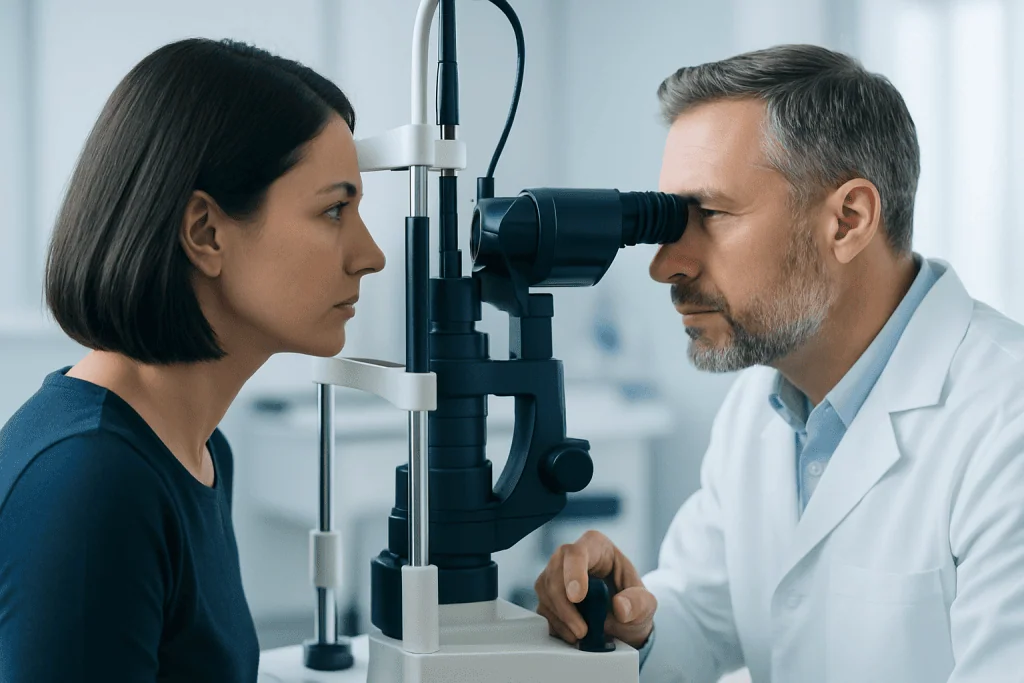
There are several broad types of eye drops people may think of as red eye drops. Lubricating drops, often called artificial tears, moisten the eye surface and can reduce redness linked to dryness, screen use, wind, air conditioning, or mild irritation. These are commonly the gentlest option, especially when they are preservative-free and used as directed.
Another group includes vasoconstrictor or decongestant drops. These make the blood vessels on the eye surface smaller, so the eye looks less red. They can work quickly, but the effect is temporary and frequent use may lead to rebound redness, meaning the eye looks redder once the drop wears off. Because of this, they are usually not the best long-term solution.
Some eye drops combine lubricants with anti-allergy ingredients or decongestants. Allergy drops may be useful when redness comes with itching, tearing, and seasonal triggers. Prescription drops may be needed for bacterial infection, inflammation, elevated eye pressure, or more complex eye disease. When redness is persistent or unclear, an ophthalmology evaluation may be needed to look for conditions such as glaucoma or other eye disorders before choosing treatment.
Common Causes of Red Eyes
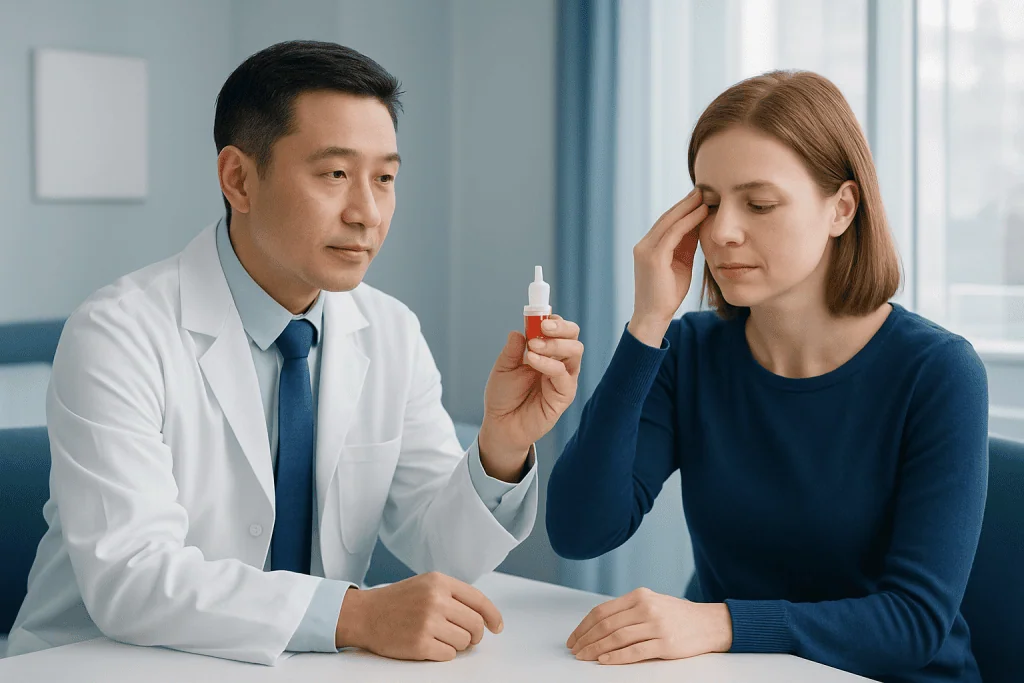
The most common causes of red eyes are dryness, allergy, viral conjunctivitis, environmental irritation, and contact lens-related problems. Dry eye can make the surface of the eye inflamed and uncomfortable, especially after long periods of reading or screen use. Allergies often cause itching and watery eyes, while viral infections may spread easily and can come with tearing, burning, and lid swelling.
Contact lenses are another frequent reason for redness. Wearing lenses for too long, sleeping in them, or cleaning them poorly can irritate the eye and increase the risk of infection. Minor injuries, chemical splashes, foreign bodies such as dust, and heavy rubbing can also lead to redness. In many of these cases, simply masking the redness with drops may delay proper care.
Less common but more urgent causes include corneal ulcers, inflammation of deeper eye structures, and sudden increases in eye pressure. These problems are more likely when redness is accompanied by pain, blurred vision, nausea, severe light sensitivity, or a feeling that something is seriously wrong. Redness can also appear with a conjunctivitis episode, but not every red eye is “pink eye,” so symptoms and timing matter.
Benefits, Limits, and Possible Risks
Used appropriately, red eye drops can be helpful. Artificial tears can improve comfort, dilute irritants, support the tear film, and reduce redness caused by dryness. Allergy-specific drops may calm itching and redness during pollen season or after pet exposure. In these settings, eye drops may be a useful part of self-care.
The limitation is that eye drops may hide a symptom rather than solve the reason for it. Decongestant drops can make eyes appear whiter while inflammation, irritation, or infection continues underneath. If a person keeps needing these drops every day, it usually suggests that the cause has not been addressed.
Possible risks include irritation from preservatives, contamination of the bottle tip, allergic reaction to ingredients, and rebound redness from overuse of vasoconstrictor drops. Contact lens wearers should be especially careful, because some products are not designed for use while lenses are in place. Anyone with known eye disease, recent eye surgery, or regular symptoms should check with an eye specialist before relying on over-the-counter drops.
How Doctors Evaluate Persistent Eye Redness
If redness keeps coming back, affects one eye more than the other, or appears with pain or vision changes, doctors look beyond the symptom itself. They ask about timing, allergy history, contact lens use, recent illness, trauma, medication use, discharge, and whether the eye feels itchy, dry, gritty, or sensitive to light. This history often helps narrow the cause.
An eye examination may include checking visual acuity, eyelid position, tear production, the front of the eye under magnification, and the pressure inside the eye when indicated. Fluorescein dye may be used to identify scratches, ulcers, or damage to the cornea. In some cases, a person may be referred for more advanced ophthalmic assessment if the doctor suspects infection, inflammation, or pressure-related disease.
Treatment depends on the diagnosis. Lubricants may be enough for dryness. Allergic inflammation may respond to anti-allergy drops. Infections, corneal problems, or deeper inflammation may require prescription medicines or specialist care. For some patients, evaluation in a dedicated eye care service is the best way to match treatment to the exact cause instead of repeatedly changing over-the-counter products.
Treatment Options Beyond Over-the-Counter Drops
When simple red eye drops are not enough, treatment is tailored to the cause. Dry eye may improve with preservative-free tears, eyelid hygiene, warm compresses, environmental changes, and in some cases prescription therapies. Allergy-related redness may respond to avoiding triggers, cold compresses, and anti-allergy eye drops recommended by a clinician.
If a doctor finds an infection, corneal injury, or inflammatory condition, management may include prescription medication and close follow-up. Contact lens users may need to stop wearing lenses until the eye has healed. In selected situations, a specialist may recommend further testing or procedures if there is concern about damage to the eye surface or internal structures.
Patients with ongoing symptoms sometimes need a more detailed ophthalmic review, especially if redness comes with headaches, halos, or pressure symptoms. Depending on findings, care may involve broader ophthalmology evaluation and, less commonly, supportive corneal treatment for severe corneal disease. At the end of the diagnostic pathway, the goal is not only to reduce redness but also to protect sight and eye comfort over time.
Safe Use, Self-Care, and Prevention
For mild redness, basic eye care habits can reduce symptoms and prevent recurrence. Artificial tears can help if the problem is dryness or environmental irritation. Taking screen breaks, blinking more often, staying hydrated, and using a humidifier may support the tear film. Cold compresses may ease allergy-related redness, while avoiding smoke and other irritants can help the eyes recover.
People should read labels carefully and use eye drops only as directed. The bottle tip should never touch the eye, fingers, or any surface. Eye drops should not be shared, and expired products should be discarded. If contact lenses are worn, it is important to check whether a drop is compatible with lens use and to follow lens hygiene strictly.
Repeated dependence on whitening drops is a sign to pause and reassess. If redness returns every day, there may be dryness, allergy, lid inflammation, or another issue needing medical advice. Near the end of the care journey, some international patients choose assessment through Acibadem International, where multidisciplinary specialists in JCI-accredited hospitals evaluate and treat eye complaints in a coordinated way.
When to Seek Medical Care
Medical care is recommended if a red eye is accompanied by moderate to severe pain, blurred or reduced vision, marked sensitivity to light, thick discharge, or swelling around the eye. Urgent assessment is also important after eye injury, chemical exposure, or if a contact lens wearer develops a painful red eye. These symptoms can indicate a problem that should not be treated only with over-the-counter drops.
People should also seek professional advice if redness lasts more than a few days, keeps returning, affects only one eye repeatedly, or does not improve with simple lubricating drops and rest. Infants, people with weakened immune systems, and those with previous eye surgery or known glaucoma should be especially cautious.
Even when symptoms are mild, a clinician can help if there is uncertainty about the cause. A correct diagnosis often prevents unnecessary treatments and lowers the risk of missing a more important eye condition. Early evaluation is usually the safest approach when red eye drops do not bring expected relief.
Frequently asked questions
Are red eye drops safe to use every day?
Some are safer for regular use than others. Preservative-free lubricating drops are often suitable for repeated use, while redness-relief drops that constrict blood vessels are generally not ideal for daily long-term use because they can lead to rebound redness. A doctor or pharmacist can help identify the safest option for the specific symptom pattern.
What is rebound redness?
Rebound redness happens when the eye becomes red again, sometimes more noticeably, after the effect of vasoconstrictor drops wears off. This can create a cycle in which the person keeps using the drops more often. If this pattern develops, it is best to stop self-treating and seek advice.
Which red eye drops are best for dry eyes?
For dryness-related redness, lubricating artificial tears are usually the preferred first choice. Preservative-free products may be more comfortable for frequent use or for sensitive eyes. If dryness is ongoing, medical evaluation can help identify contributing factors such as eyelid inflammation or screen-related strain.
Can red eye drops treat an eye infection?
Standard over-the-counter redness-relief drops do not treat most eye infections. If there is discharge, pain, swelling, or worsening symptoms, prescription treatment may be needed depending on the cause. Eye infections should be assessed by a qualified clinician rather than treated by appearance alone.
Should contact lens wearers use red eye drops?
They should be cautious. Some drops are not intended for use with lenses, and a painful red eye in a contact lens wearer can be a sign of a more serious problem, including corneal infection. Removing the lenses and seeking medical advice is the safest approach if symptoms are significant.
When is a red eye an emergency?
A red eye needs urgent care if it comes with severe pain, sudden vision loss, halos around lights, nausea, significant light sensitivity, trauma, or chemical exposure. These features may indicate a condition that can threaten vision. Prompt assessment is important even if the redness itself seems mild.
This article is for general information only and is not a substitute for professional medical advice. Please consult a qualified doctor about your individual situation.
Explore treatments in Turkey — costs, top hospitals & a free quote
JCI-accredited · board-certified surgeons · reply within 24h
Add us as a Preferred Source to see more of our trusted health content across Google Search, AI Overviews and Discover.

More from the Health Library

Grapefruit: An Evidence-Based Guide for Patients

Early Onset Dementia: What Patients Need to Know

Eczema on Stomach — Explained by Medical Evidence, Not Myths

Midwives Brew: What Patients Need to Know

Anal Bleaching: An Evidence-Based Guide for Patients