Oily Big Breast Explained: Causes, Management, and When to See a Doctor

Oily skin on large breasts is commonly linked to sweat, friction, and normal oil production. Large breasts can be more prone to moisture buildup, chafing, clogged pores, and under-breast rash.
Key Takeaways
- Oily skin on large breasts is commonly linked to sweat, friction, and normal oil production.
- Large breasts can be more prone to moisture buildup, chafing, clogged pores, and under-breast rash.
- Redness, pain, a new lump, nipple discharge, or changes affecting only one breast need medical assessment.
- Gentle cleansing, breathable clothing, good support, and keeping skin folds dry can help manage symptoms.
- Doctors may recommend skin treatment, breast imaging, or specialist care depending on the cause.
Oily big breast usually refers to oily or shiny skin on large breasts, often caused by natural sebum production, sweat, friction, and hormonal changes rather than a serious disease. The concern is most often a skin-care or comfort issue, but persistent rash, pain, discharge, a new lump, or one-sided change should be evaluated by a doctor.
Overview: What “oily big breast” usually means
The phrase oily big breast is not a formal medical diagnosis. Most often, it describes breasts that feel shiny, greasy, damp, or uncomfortable because the skin produces oil and the area traps heat and sweat. In people with larger breasts, the skin underneath and between the breasts is more likely to experience friction and moisture buildup, which can make the problem more noticeable.
In many cases, this is related to normal body functions. Skin contains sebaceous glands that make oil, and breasts also have skin folds where sweat can collect. Hormonal shifts during puberty, menstrual cycles, pregnancy, breastfeeding, or menopause may also change the skin and increase oiliness or sensitivity.
Although oily breast skin is often harmless, it can sometimes lead to clogged pores, acne-like bumps, irritation, or fungal and bacterial rashes under the breast. Less commonly, what seems like “oiliness” may actually be discharge, inflamed skin, or another breast change that should be checked.
The most important step is to look at the whole picture: whether the issue affects both breasts or only one, whether there is itching or pain, and whether there are changes such as a lump, nipple discharge, or skin thickening. These details help distinguish a common skin concern from a problem that needs medical attention.
Common signs and associated symptoms
Oiliness may appear as a shiny film on the breast skin, a damp feeling in the cleavage or under-breast area, or a tendency to develop sweat and odor more easily. Some people notice that bras become moist quickly or that the skin feels sticky by the end of the day, especially in warm weather or after exercise.
Large breasts may also develop symptoms related to friction and trapped moisture. These can include redness in the skin fold, itching, burning, tenderness, darkening or lightening of the skin, and small bumps or pimples. If pores become blocked, acne-like spots may appear on the chest or breast surface.
In some cases, skin irritation can progress to intertrigo, a common rash in body folds. This may cause sore, raw, or cracked skin. A yeast infection can produce a bright red rash with itching and small surrounding spots. Bacterial infection may lead to warmth, swelling, pain, and discharge from irritated skin.
- Shiny, greasy, or damp breast skin
- Under-breast sweating or odor
- Redness, itching, or chafing in skin folds
- Acne-like bumps or clogged pores on the chest or breasts
- Rash, soreness, or cracked skin under the breasts
- Less commonly, nipple discharge or a new breast lump
Why it happens: causes and risk factors

The most common cause is a combination of natural skin oil and sweat. Larger breasts create a warmer, more occluded environment, especially in the fold underneath the breast. This can reduce airflow and allow moisture to remain on the skin longer. Tight bras, synthetic fabrics, and hot climates can make this worse.
Hormones also play a role. During times when hormone levels shift, sebaceous glands may become more active, increasing skin oiliness. Some people also have naturally oilier skin or are more prone to chest acne. Weight changes can increase breast size and skin folds, adding to friction and moisture retention.
Skin conditions are another possibility. Eczema, contact dermatitis from detergents or bra materials, fungal infections, and folliculitis can all affect the breast area. Under-breast rash is especially common in people who sweat heavily, have diabetes, live in humid conditions, or have limited mobility.
Less often, a breast condition may be involved. For example, inflammation, duct-related problems, or changes in breast tissue can alter how the breast looks or feels. If symptoms include swelling, warmth, persistent pain, or a palpable mass, a doctor may evaluate for a breast disorder such as breast cancer or another structural breast problem. That does not mean cancer is likely, but unusual or one-sided changes should not be ignored.
How doctors evaluate oily or irritated breasts
Assessment usually begins with a medical history and physical examination. A doctor will ask when the oiliness or irritation started, whether it affects one or both breasts, and whether symptoms vary with the menstrual cycle, heat, exercise, or skin products. They may also ask about itching, odor, discharge, fever, or a family history of breast disease.
The skin is then examined closely for signs of rash, infection, eczema, acne, or friction injury. The doctor may also check the breast tissue and lymph nodes for lumps, tenderness, swelling, or asymmetry. In many cases, a careful examination is enough to identify a skin-related cause and guide treatment.
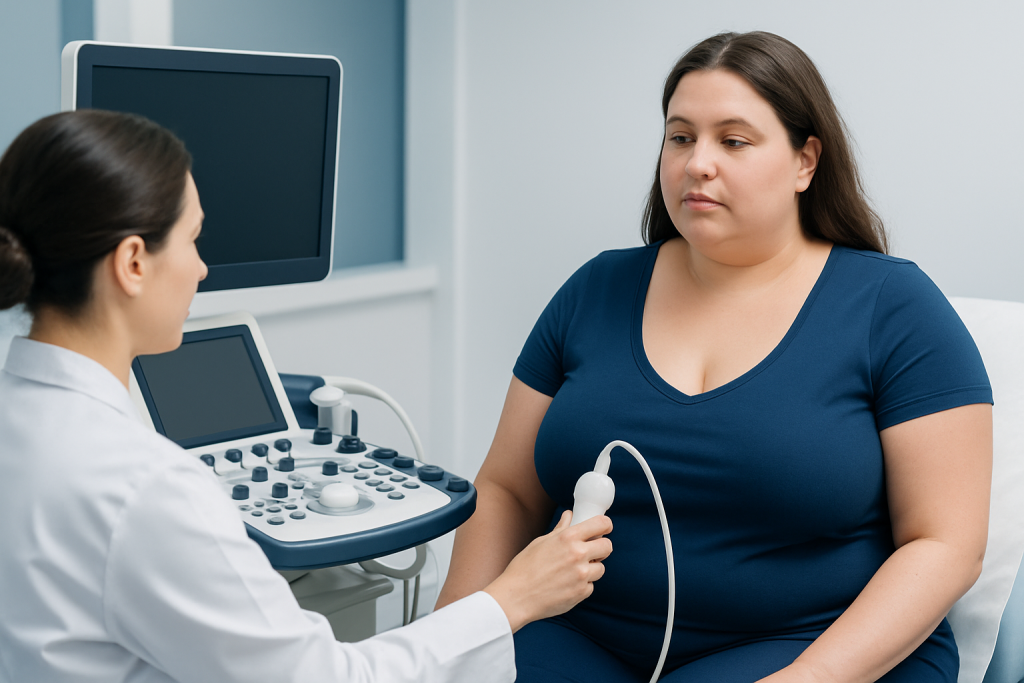
If there is a lump, nipple discharge, persistent one-sided change, or uncertainty on examination, imaging may be recommended. This can include a breast ultrasound or mammography depending on age, symptoms, and clinical findings. If the concern is mainly skin-related but severe or recurrent, the person may be referred to a dermatologist or breast specialist.
When a deeper breast problem needs to be ruled out, doctors may use targeted testing and follow-up. In some situations, evaluation may include mammography or breast ultrasound to better understand the cause of breast changes.
Management and treatment options
Treatment depends on the cause. If the issue is mainly oiliness and sweating, the goal is to reduce moisture, friction, and irritation. Gentle daily cleansing with a mild, fragrance-free wash is usually enough. Harsh scrubbing, strong antiseptics, and heavily perfumed products can worsen dryness and irritation.
For under-breast rash, keeping the area dry is important. A doctor may suggest barrier creams, antifungal treatment if yeast is suspected, or medication for inflammation if eczema or dermatitis is present. If there is bacterial infection, medical treatment may be needed. Chest acne or folliculitis may improve with appropriate skin care and, in some cases, prescription topical treatment.
Supportive garments can make a meaningful difference. A well-fitted bra made of breathable fabric can reduce skin-on-skin friction, improve airflow, and help manage sweating. If larger breasts are contributing to chronic pain, recurrent rash, shoulder grooving, or daily activity limits, a specialist may discuss structural treatment options. For selected patients, this may include breast reduction after proper assessment.
When symptoms are linked to a clear breast lesion, ongoing inflammation, or another underlying condition, treatment focuses on that diagnosis rather than the oiliness itself. In rare situations where tissue sampling is required, doctors may consider procedures such as breast biopsy to clarify the cause.
Self-care, prevention, and daily comfort tips
Many people can reduce symptoms with practical daily measures. Washing the area gently and drying carefully, especially under the breast, helps remove sweat and excess oil without irritating the skin. After bathing or exercise, the skin fold should be dried well before putting on a bra or clothing.
Breathable bras and loose-fitting tops can improve comfort. Natural or moisture-wicking fabrics may help reduce heat retention. Some people benefit from changing bras during the day if they become damp, particularly in hot weather. Laundry products should be mild and fragrance-free if skin sensitivity is a concern.
To lower friction, it helps to choose a bra that fits properly and supports the breast without digging into the skin. People who are prone to rash may be advised to use a simple barrier product in skin folds, but any persistent irritation should still be reviewed by a clinician rather than self-treated for long periods.
- Cleanse with a gentle, non-irritating skin product
- Dry the under-breast area thoroughly after bathing and exercise
- Wear breathable, supportive bras with a good fit
- Change out of sweaty clothing promptly
- Avoid heavy, greasy creams if they worsen clogged pores
- Seek medical advice for recurring rash or one-sided changes
When to seek medical care
Oily or sweaty breast skin alone is usually not an emergency, but some situations deserve medical evaluation. A doctor should assess symptoms that do not improve, keep returning, or interfere with daily comfort despite good skin care and clothing changes.
Prompt assessment is especially important if there is a new lump, skin dimpling, persistent redness, nipple inversion, bleeding, unusual nipple discharge, or swelling affecting only one breast. Fever, spreading warmth, severe pain, or rapidly worsening rash may point to infection and should also be checked.
People with diabetes, weakened immunity, or frequent skin infections may need earlier treatment because irritation in skin folds can worsen more quickly. If there is uncertainty about whether the problem is skin-related or coming from the breast tissue itself, a breast specialist can help clarify the cause.
Near the end of the care pathway, some patients may also benefit from multidisciplinary review. Acibadem International’s specialists in breast health, dermatology, radiology, and plastic surgery at JCI-accredited hospitals evaluate and treat these concerns for international patients when further assessment is needed.
Frequently asked questions
Is oily skin on large breasts normal?
Yes, in many cases it is normal. Larger breasts can trap more heat and sweat, and the skin naturally produces oil, so the area may feel shiny or damp without indicating a serious problem.
Can big breasts cause rash underneath?
Yes. Moisture, friction, and reduced airflow under larger breasts can lead to chafing or a skin-fold rash called intertrigo. Sometimes yeast or bacteria can also contribute, especially if the area stays warm and damp.
Does oily big breast mean breast cancer?
Usually no. Oiliness by itself is more often related to skin and sweat issues, but a new one-sided change, lump, nipple discharge, dimpling, or persistent redness should be assessed by a doctor to rule out an underlying breast condition.
How can someone reduce oiliness and sweating on the breasts?
Helpful steps include gentle cleansing, careful drying, wearing breathable bras, and changing out of sweaty clothes promptly. Avoiding irritating products and improving bra fit can also reduce friction and moisture buildup.
Why does the skin under the breast smell or feel sticky?
This commonly happens when sweat mixes with natural skin oils and remains trapped in a skin fold. Friction and bacterial or fungal overgrowth can make odor or stickiness more noticeable.
When should a person see a doctor for breast skin changes?
A doctor should be consulted if the rash is severe, keeps coming back, or does not improve with basic self-care. Medical review is also important for pain, fever, drainage, a new lump, nipple discharge, or changes affecting only one breast.
References
- American College of Obstetricians and Gynecologists
- American Cancer Society
- Centers for Disease Control and Prevention
- National Health Service
- World Health Organization
This article is for general information only and is not a substitute for professional medical advice. Please consult a qualified doctor about your individual situation.
Explore treatments in Turkey — costs, top hospitals & a free quote
JCI-accredited · board-certified surgeons · reply within 24h
Add us as a Preferred Source to see more of our trusted health content across Google Search, AI Overviews and Discover.