Belly Button Piercing with Keloid: An Evidence-Based Guide for Patients
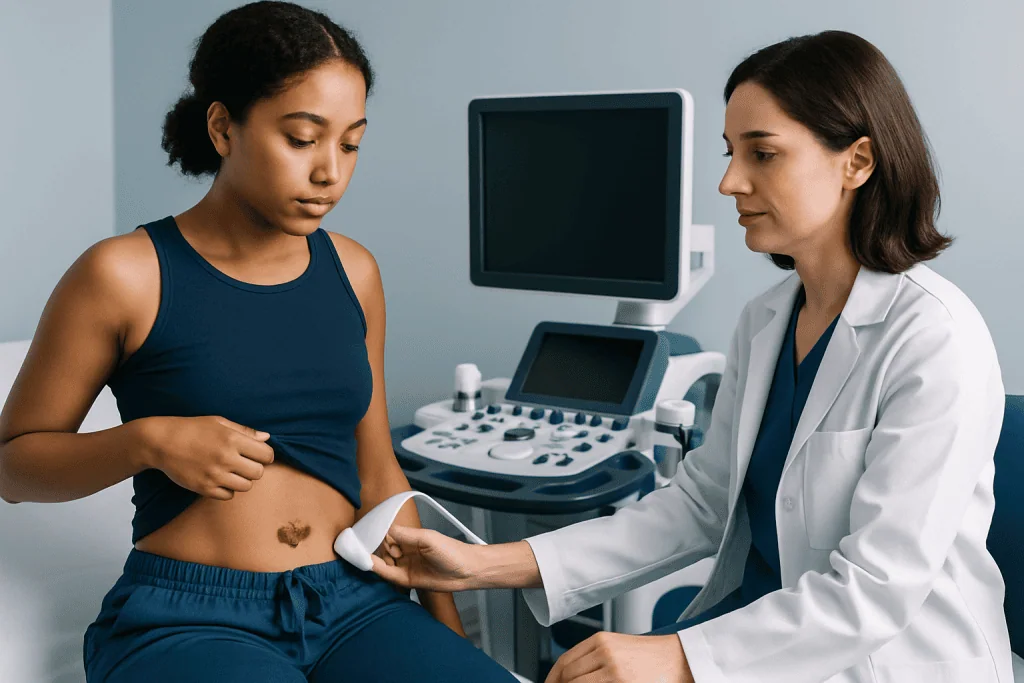
A true keloid is an overgrowth of scar tissue that extends beyond the original wound edges. Not every bump around a navel piercing is a keloid; irritation, infection, and hypertrophic scars are more common.
Key Takeaways
- A true keloid is an overgrowth of scar tissue that extends beyond the original wound edges.
- Not every bump around a navel piercing is a keloid; irritation, infection, and hypertrophic scars are more common.
- Self-treatment can worsen scarring, so persistent or enlarging bumps should be assessed by a qualified doctor.
- Treatment may include silicone therapy, corticosteroid injections, pressure-based strategies, or carefully selected procedures.
- Early medical advice can improve comfort and may reduce the chance of the scar becoming larger.
A belly button piercing with keloid usually appears as a firm, raised scar that grows beyond the original piercing site rather than settling like a simple irritation bump. Proper diagnosis matters because keloids are treated differently from infection, hypertrophic scars, or common piercing-related irritation.
Overview: what a belly button piercing with keloid means
A belly button piercing with keloid refers to a raised, firm growth of scar tissue that forms after the skin has been injured by the piercing and continues to grow beyond the boundaries of the original hole. Unlike a small temporary bump caused by friction or minor inflammation, a keloid does not simply reflect normal healing. It represents an exaggerated scar response.
This distinction is important because many people use the word “keloid” for any bump near a piercing, even though several other problems are more common. A navel piercing can develop irritation from clothing, jewelry movement, metal sensitivity, delayed healing, infection, or a hypertrophic scar, which is also raised but usually stays within the original wound area. Correct identification helps guide safe treatment and avoid steps that may make the area worse.
The navel can be slow to heal because it is exposed to rubbing, moisture, bending, and pressure from waistbands. These factors can prolong inflammation and make scarring more noticeable. If a bump is persistent, enlarging, painful, or cosmetically distressing, assessment by a dermatologist or surgeon is the most reliable way to determine whether it is a keloid.
How to recognize a keloid and how it differs from other piercing bumps
A keloid often feels dense or rubbery and appears as a smooth, shiny, raised scar. It may be pink, red, brown, or darker than the surrounding skin, depending on skin tone and how long it has been present. One key feature is that it can extend beyond the original piercing opening and continue growing over time rather than stabilizing quickly.
Symptoms vary. Some people notice itching, tenderness, tightness, or occasional discomfort from friction against clothing. Others are mainly concerned about appearance. Keloids do not always cause severe pain, and they do not necessarily mean the piercing is infected.
By contrast, a hypertrophic scar is raised but usually remains limited to the piercing tract. An irritation bump may be smaller, softer, and linked to jewelry movement, harsh cleaning products, or trauma. Infection is more likely when there is increasing warmth, swelling, pus, a strong odor, spreading redness, or fever. In some cases, doctors also consider other skin conditions, including cysts or skin growths, when evaluating a persistent navel lesion.
- More suggestive of keloid: firm scar, gradual enlargement, growth beyond the piercing site, persistent itching or cosmetic change
- More suggestive of irritation: recent jewelry change, rubbing from clothing, small bump that fluctuates
- More suggestive of infection: drainage, increasing pain, warmth, redness, swelling, fever
Why keloids happen: causes and risk factors
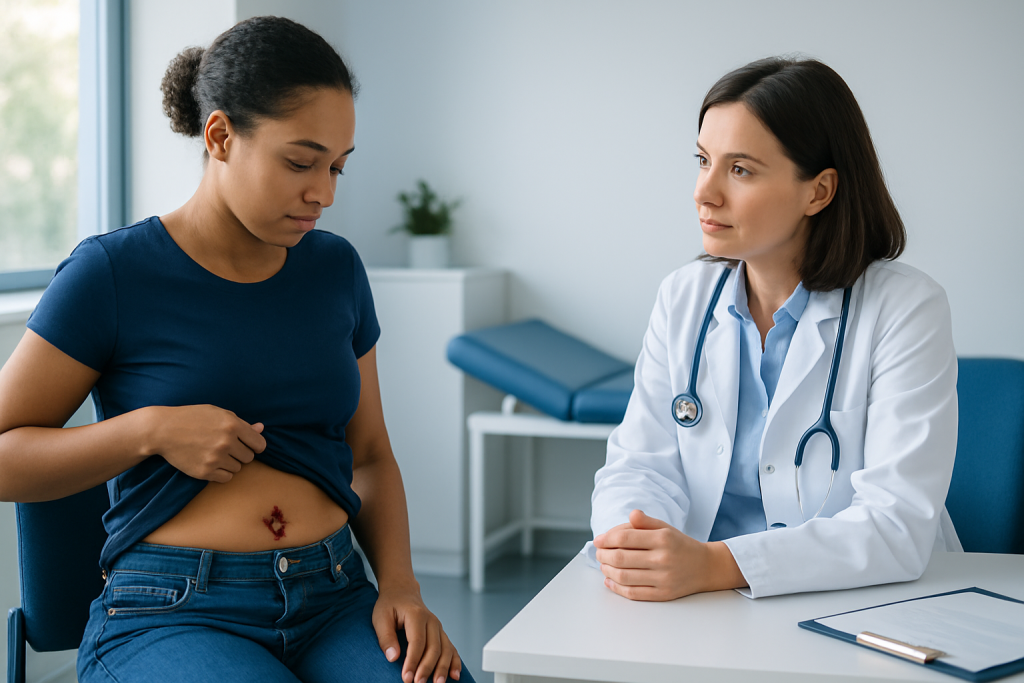
Keloids form when the body produces too much collagen during wound healing. The exact reason this happens is not fully understood, but it appears to involve a combination of genetic tendency and prolonged local inflammation. In practical terms, this means even a small injury such as a piercing can trigger excessive scar formation in a person who is susceptible.
Several factors can raise the likelihood of a keloid after a belly button piercing. A personal or family history of keloids is one of the strongest clues. Darker skin tones are affected more often, although keloids can occur in any skin type. Younger people, especially teenagers and adults under 30, also seem to develop them more frequently.
Local conditions matter as well. Repeated irritation from tight clothing, trauma to the jewelry, delayed healing, infection, or high tension on the skin around the navel can all contribute to abnormal scar formation. If someone has developed raised scars after acne, surgery, burns, or previous piercings, that history should be discussed before considering any new body piercing.
How doctors diagnose it
Diagnosis is usually based on a careful medical history and skin examination. A doctor will ask when the piercing was done, how the bump changed over time, whether there has been drainage or bleeding, what type of jewelry was used, and whether the person has had keloids or abnormal scars before. The pattern of growth often helps distinguish a true keloid from a temporary inflammatory bump.
On examination, the clinician assesses the scar’s size, color, texture, and relationship to the original piercing tract. The surrounding skin is checked for signs of infection, allergy, embedded jewelry, or other skin disorders. In many cases, this clinical evaluation is enough to make the diagnosis.
If the appearance is unusual or there is concern about another condition, a specialist may recommend further assessment. This can sometimes include evaluation by a dermatologist in a service such as dermatology care or, less commonly, a biopsy. Because procedures themselves can stimulate more scar tissue in people prone to keloids, any invasive step is considered carefully and only when it is clinically appropriate.
Treatment options for a belly button piercing with keloid
Treatment depends on the diagnosis, the size of the scar, symptoms, and the person’s goals. Keloids can be challenging because they may recur, so management often focuses on flattening the scar, reducing symptoms, and improving appearance rather than promising permanent removal. A doctor will also decide whether the jewelry should stay in place temporarily or be removed, since immediate removal is not always the best first step if the area is inflamed and at risk of trapping infection.
Common first-line options include silicone gel or silicone sheets used regularly over time, as well as corticosteroid injections placed into the scar by a trained clinician. These injections may soften and flatten the keloid and reduce itching or tenderness. Some doctors combine steroid treatment with other office-based methods depending on the scar’s behavior and the patient’s skin type.
For selected cases, additional procedures may be considered. These can include cryotherapy, laser-based approaches, pressure strategies, or surgical removal combined with scar-prevention treatments to reduce the risk of recurrence. When surgery is appropriate, it is usually part of a broader plan rather than a stand-alone solution. If a raised scar is large or difficult to manage, referral to plastic and reconstructive surgery may be helpful. Some patients also benefit from specialist assessment through skin diseases and conditions services when the diagnosis is uncertain or the scar does not respond as expected.
It is best to avoid home remedies that burn, cut, squeeze, or repeatedly irritate the bump. Tea tree oil, harsh antiseptics, and frequent manipulation can aggravate the skin. If infection is suspected, the treatment plan differs and may involve medical evaluation for targeted care rather than scar-directed therapy alone.
Self-care, prevention, and what not to do
Prevention starts before the piercing. Anyone with a history of keloids should speak with a doctor before getting a body piercing, since avoiding unnecessary skin trauma is often the safest option. For those who already have a navel piercing, careful aftercare can reduce irritation during healing, although it cannot completely prevent keloids in someone who is genetically predisposed.
Helpful self-care includes keeping the area clean with the aftercare method recommended by a qualified professional, avoiding unnecessary touching, and choosing properly fitted jewelry made from materials less likely to trigger sensitivity. Loose, breathable clothing can reduce rubbing at the waistline. It is also wise to avoid changing jewelry too early or removing and reinserting it repeatedly.
What should be avoided is just as important. Picking crusts, twisting the jewelry often, sleeping with pressure directly on the area, and using strong alcohol-based or peroxide-based products can slow healing and worsen inflammation. If there is a persistent bump, trying to drain it at home or applying unproven remedies may increase scarring and delay the right diagnosis.
When to seek medical care
Medical review is a good idea if a bump at a belly button piercing lasts more than a few weeks, keeps enlarging, extends beyond the original piercing site, or causes itching, pain, or distress about appearance. Early evaluation is especially helpful for people who have had keloids before, because treatment is often easier when the scar is smaller and less mature.
Prompt care is more important if there are signs that suggest infection or another complication. These include worsening redness, warmth, swelling, pus, bleeding that does not settle, fever, or severe tenderness. Embedded jewelry, tearing of the piercing tract, or sudden changes in color should also be assessed.
A dermatologist or surgeon can help clarify whether the lesion is a keloid, hypertrophic scar, irritation bump, or infection and recommend the safest next step. Near the end of the care pathway, some patients may also need support from general surgery if there are structural problems with the piercing site. Acibadem International’s multidisciplinary specialists and JCI-accredited hospitals diagnose and treat skin and scar-related conditions for international patients when expert evaluation is needed.
Frequently asked questions
Is every bump on a belly button piercing a keloid?
No. Many bumps around navel piercings are caused by irritation, delayed healing, infection, or a hypertrophic scar rather than a true keloid. A clinician can tell the difference by looking at how the bump behaves, whether it grows beyond the original piercing, and whether there are signs of inflammation or infection.
Can a belly button piercing keloid go away on its own?
A true keloid is less likely to disappear on its own than a simple irritation bump. It may remain stable or slowly enlarge over time. Medical treatment can often improve symptoms and appearance, but recurrence is possible.
Should the jewelry be removed if a keloid forms?
Not always immediately. The decision depends on whether the area is infected, how the tissue looks, and whether removal might worsen healing or trap a problem under the skin. It is safest to ask a doctor before removing jewelry from a piercing that is inflamed or scarred.
How is a keloid different from a hypertrophic scar?
Both are raised scars, but a hypertrophic scar usually stays within the limits of the original wound. A keloid grows beyond those boundaries and may continue enlarging. This difference matters because keloids are more likely to recur and may need a broader treatment plan.
Are there effective treatments for a navel keloid?
Yes, several treatments may help, including silicone therapy, corticosteroid injections, and selected office-based procedures. The best option depends on the scar’s size, symptoms, and the patient’s skin type and history. A specialist can explain realistic goals and the chance of recurrence.
When should someone worry that the piercing is infected instead of scarred?
Infection is more likely when there is increasing pain, warmth, pus, spreading redness, bad odor, or fever. These symptoms are different from a stable raised scar and deserve prompt medical assessment. If there is uncertainty, it is better to have the area checked rather than self-treating.
This article is for general information only and is not a substitute for professional medical advice. Please consult a qualified doctor about your individual situation.
Explore treatments in Turkey — costs, top hospitals & a free quote
JCI-accredited · board-certified surgeons · reply within 24h
Add us as a Preferred Source to see more of our trusted health content across Google Search, AI Overviews and Discover.

More from the Health Library

Em Waves: What Patients Need to Know
Jejunostomy Tube: A Complete Medical Overview

Desomorphine: What Patients Need to Know

How to loosen a bowel blockage at home? A Doctor-Reviewed Answer
Spirometry: A Complete Medical Overview