High Abdominal Pain While Pregnant: Possible Causes and When to Seek Care
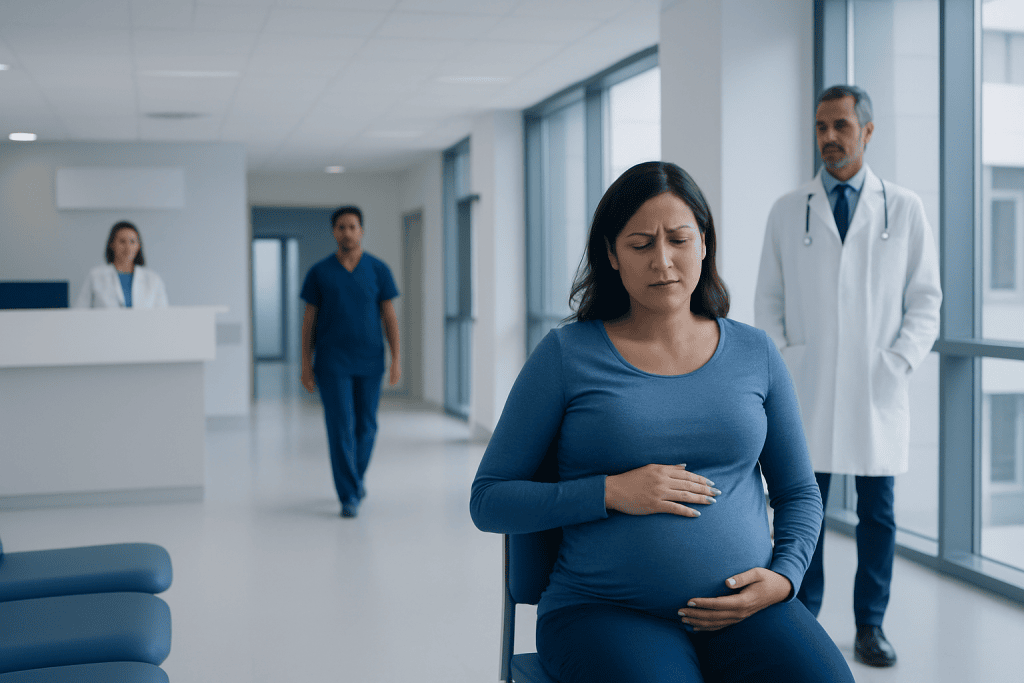
Upper abdominal pain in pregnancy may come from the uterus, stomach, liver, gallbladder, muscles, or lungs. Mild, brief discomfort can be related to stretching, gas, reflux, or constipation, especially as the uterus grows.
Key Takeaways
- Upper abdominal pain in pregnancy may come from the uterus, stomach, liver, gallbladder, muscles, or lungs.
- Mild, brief discomfort can be related to stretching, gas, reflux, or constipation, especially as the uterus grows.
- Severe, persistent, one-sided, or right upper abdominal pain needs medical advice, particularly if it comes with headache, bleeding, fever, vomiting, or vision changes.
- Doctors use a pregnancy-safe evaluation that may include examination, blood tests, urine tests, fetal assessment, and ultrasound.
- Self-care may help with mild symptoms, but pain should not be ignored if it is worsening or feels different from usual pregnancy discomfort.
High abdominal pain while pregnant can happen for several reasons, from normal body changes such as stretching and indigestion to conditions that need prompt medical care. The location, timing, severity, and associated symptoms help doctors decide whether the pain is expected in pregnancy or a sign of a problem.
Overview: What high abdominal pain while pregnant can mean
High abdominal pain while pregnant usually refers to discomfort felt above the belly button, under the ribs, or in the upper right, upper middle, or upper left abdomen. In many cases, the cause is not dangerous. Common explanations include heartburn, trapped gas, constipation, muscle strain, or stretching of tissues as the uterus expands and shifts nearby organs.
At the same time, upper abdominal pain in pregnancy should not be dismissed automatically. Pain in this area can also come from the gallbladder, liver, stomach, pancreas, kidneys, lungs, or pregnancy-related conditions such as preeclampsia. The same symptom can feel very different from one person to another, so doctors look closely at where the pain is located, when it began, how severe it is, and whether there are other symptoms.
A practical way to think about this symptom is that mild, short-lived discomfort without warning signs is often less concerning, while severe, persistent, or unusual pain deserves prompt medical assessment. Pain combined with vaginal bleeding, fever, repeated vomiting, chest symptoms, severe headache, reduced fetal movement later in pregnancy, or vision changes needs urgent attention.
How the pain may feel and what symptoms can go with it
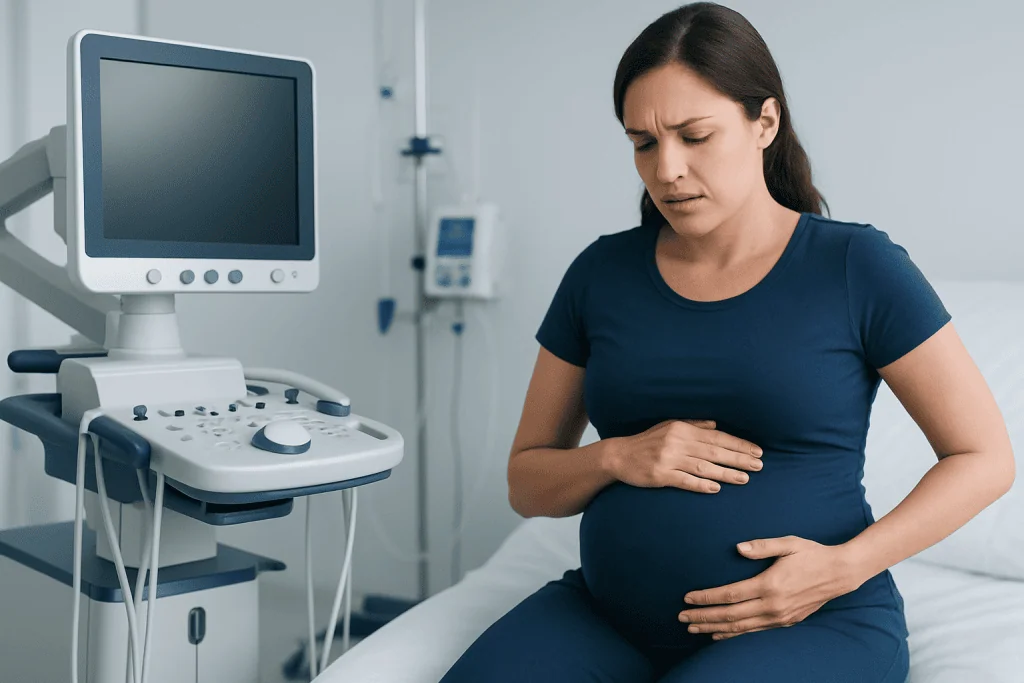
High abdominal pain while pregnant may be sharp, cramp-like, burning, aching, stabbing, or pressure-like. Some people notice it after eating, when changing position, after coughing, or late in the day. Others feel it more on one side, especially under the right ribs, or in the center of the upper abdomen where indigestion and reflux are often felt.
Associated symptoms can offer clues. Burning behind the breastbone, sour taste, bloating, and burping often point to reflux or indigestion. Pain after fatty meals, nausea, or pain under the right ribs that can spread to the back or shoulder may suggest gallbladder irritation. Tightness with movement or tenderness in the abdominal wall may be more consistent with muscle strain.
Some symptoms are more concerning because they can indicate a condition that needs urgent evaluation. These include severe headache, swelling of the face or hands, visual disturbances, shortness of breath, fainting, fever, chills, painful urination, vaginal bleeding, contractions, severe vomiting, or sudden worsening pain. In the later stages of pregnancy, doctors may also ask about fetal movement and signs of preterm labor.
- Commonly reported locations: upper right abdomen, upper middle abdomen, under the ribs, or high on the left side
- Commonly associated symptoms: heartburn, nausea, bloating, constipation, back pain, shoulder pain, or tenderness with movement
- Warning signs: bleeding, fever, severe headache, vision changes, shortness of breath, or persistent severe pain
Possible causes, from common to more serious
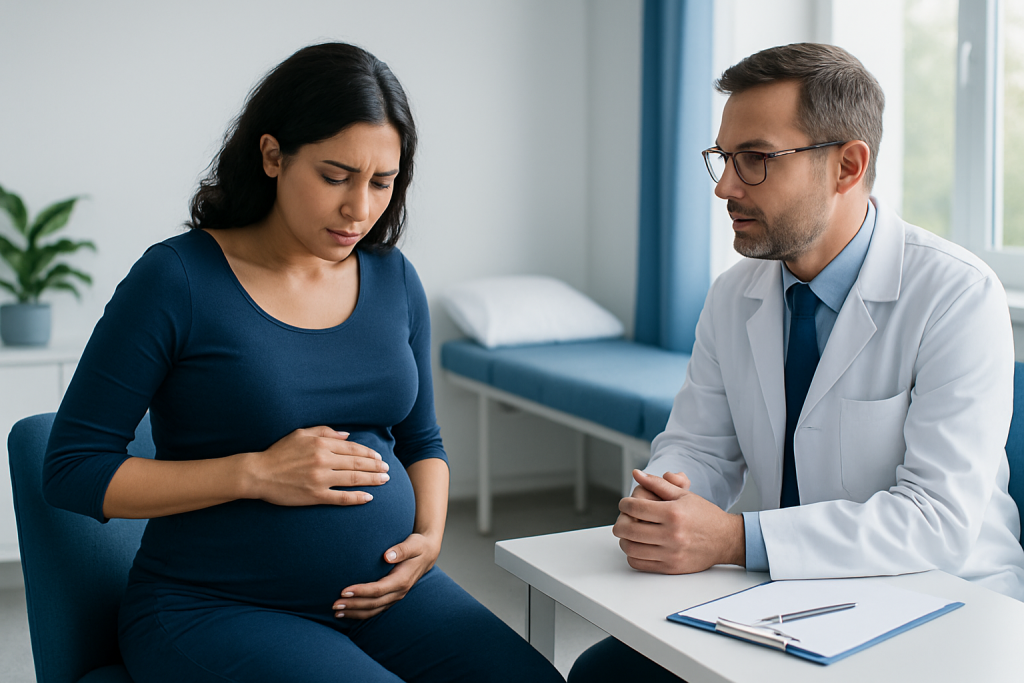
Normal pregnancy changes can create upper abdominal discomfort. As the uterus grows, it pushes the stomach and intestines upward and loosens digestive muscle tone, which can worsen reflux, bloating, and constipation. Ligaments and muscles also stretch to support the pregnancy, and that strain can sometimes be felt high in the abdomen or along the ribs, especially in the second and third trimesters.
Digestive and gallbladder causes are also common. Indigestion, acid reflux, gastritis, constipation, and trapped gas can all produce pain or pressure high in the abdomen. Pregnancy hormones may slow gallbladder emptying, which can increase the chance of gallstones or gallbladder inflammation. In some cases, pain may be related to pancreatitis, stomach ulcers, or liver-related problems, though these are less common and need medical review.
Pregnancy-specific complications must also be considered. Pain in the upper right abdomen or below the ribs can occur with high blood pressure disorders of pregnancy, including preeclampsia. Less often, pain may signal placental problems, preterm labor, or a condition outside the abdomen, such as a lung infection or blood clot affecting breathing and chest comfort. If pain is sudden, severe, or paired with significant symptoms, urgent care is important.
Early in pregnancy, doctors also think about causes that may begin lower but be felt more broadly, including miscarriage or an ectopic pregnancy, especially if pain is one-sided or associated with bleeding or dizziness. Although these often present with lower abdominal or pelvic pain, symptoms can vary, and any uncertainty should be checked by a clinician.
Why the timing and location matter in pregnancy
The stage of pregnancy changes what doctors consider most likely. In the first trimester, nausea, reflux, constipation, and early pregnancy hormone changes are common causes of upper abdominal discomfort. However, severe pain at this stage still requires evaluation to rule out miscarriage, ectopic pregnancy, or a non-pregnancy cause such as gallbladder disease or appendicitis.
In the second and third trimesters, the growing uterus and upward pressure on the stomach make heartburn and fullness more common. Rib and muscle discomfort may also increase as posture changes and the abdominal wall stretches. Pain after meals, especially greasy meals, can fit gallbladder problems, while persistent upper right pain with headache or vision changes raises concern for a blood pressure-related pregnancy complication.
Location can be helpful but is not enough on its own. Right upper abdominal pain may come from the liver or gallbladder, central upper pain often relates to reflux or gastritis, and left upper pain can be linked to gas, stomach irritation, or muscle strain. Because symptoms can overlap, a clear diagnosis depends on medical assessment rather than location alone.
How doctors diagnose high abdominal pain while pregnant
Doctors begin by taking a careful history and doing a physical examination. They ask when the pain started, whether it is constant or comes and goes, what makes it better or worse, and whether there are related symptoms such as bleeding, nausea, fever, urinary symptoms, contractions, or headache. They also consider the gestational age, blood pressure, prior pregnancy history, and any known digestive or gallbladder issues.
Testing is chosen with pregnancy safety in mind. Common tests include blood pressure measurement, urine testing, blood tests to check liver function, infection, anemia, or pancreatitis, and fetal assessment when appropriate for the stage of pregnancy. Ultrasound is often used because it does not use radiation and can help assess the pregnancy, gallbladder, kidneys, or other abdominal organs. If needed, clinicians may also recommend ultrasound imaging or other pregnancy-appropriate diagnostic imaging based on symptoms.
The goal is to quickly separate routine pregnancy discomfort from conditions that need treatment. In some cases, the diagnosis is clear from symptoms and examination alone. In others, repeated assessment may be needed if symptoms evolve over hours or days.
Treatment options and what may help
Treatment depends entirely on the cause. For common digestive discomfort, doctors may suggest smaller meals, avoiding trigger foods, not lying down soon after eating, staying well hydrated, and using pregnancy-appropriate medications when needed. Constipation may improve with fluids, fiber, gentle movement, and clinician-approved remedies. Muscle or rib discomfort may respond to posture changes, rest, supportive pillows, or light stretching advised by a healthcare professional.
If the cause is gallbladder disease, infection, a severe digestive problem, or a blood pressure-related pregnancy complication, treatment is more specific and may need hospital care. Management could include close monitoring, blood pressure treatment, intravenous fluids, or treatment directed at the underlying organ problem. Pregnant patients should avoid starting over-the-counter pain or stomach medicines without medical advice, because not every medication is suitable in pregnancy.
When a procedure or specialist care is required, the treatment plan is designed around both maternal and fetal safety. Depending on the diagnosis, this may include support from obstetrics, internal medicine, gastroenterology, or surgery. In selected cases, general surgery or obstetrics and gynecology care may be part of coordinated treatment.
Prevention and self-care for mild symptoms
Not all upper abdominal pain can be prevented, but some common pregnancy discomforts can be reduced. Eating smaller, more frequent meals may help relieve pressure on the stomach. Avoiding very spicy, greasy, or acidic foods can lessen heartburn for people who are sensitive to them. Remaining upright after meals and elevating the head slightly during sleep may also improve reflux symptoms.
Hydration, regular gentle activity, and adequate dietary fiber can support bowel function and reduce discomfort from constipation and gas. Good posture and supportive positions when sitting or sleeping may help with rib and muscle pain as pregnancy progresses. Loose clothing around the waist can also reduce pressure and reflux.
Self-care is reasonable only for mild symptoms that are familiar, brief, and not accompanied by warning signs. It is safer to contact a maternity care provider if the pain is new, stronger than expected, recurring frequently, or affecting eating, hydration, or daily activity. Near the end of the care journey, some international patients choose evaluation at centers such as Acibadem International, where multidisciplinary specialists in JCI-accredited hospitals assess pregnancy-related symptoms and related medical conditions.
When to seek medical care
A pregnant person should seek urgent medical care for high abdominal pain while pregnant if the pain is severe, sudden, persistent, or clearly worsening. Immediate assessment is also important if pain comes with vaginal bleeding, leaking fluid, fever, fainting, chest pain, shortness of breath, repeated vomiting, seizures, or signs of dehydration.
Medical advice is also needed promptly for upper right abdominal pain with severe headache, swelling, or changes in vision, because these can occur with serious pregnancy-related blood pressure disorders. In later pregnancy, reduced fetal movement, regular tightening or contractions, or a feeling that something is not right should also be discussed without delay.
Even when symptoms do not seem urgent, it is sensible to contact a doctor or midwife if pain keeps coming back, interrupts sleep, follows meals consistently, or does not improve with simple self-care. Abdominal pain in pregnancy is common, but persistent uncertainty should always be taken seriously and checked by a qualified clinician.
Frequently asked questions
Is high abdominal pain while pregnant always serious?
No. Many cases are related to heartburn, gas, constipation, or stretching as the pregnancy grows. However, severe or persistent pain, especially with other symptoms, should be checked by a doctor.
What does right upper abdominal pain in pregnancy mean?
Pain under the right ribs can come from the gallbladder, liver area, muscle strain, or pressure from the growing uterus. It can also be associated with preeclampsia, especially if there is headache, high blood pressure, swelling, or vision changes.
Can heartburn cause upper abdominal pain during pregnancy?
Yes. Pregnancy commonly worsens reflux because hormones relax the valve between the stomach and esophagus and the uterus pushes upward on the stomach. This can cause burning, pressure, or pain in the upper abdomen or chest area.
When should a pregnant person go to the emergency department for abdominal pain?
Emergency care is appropriate if the pain is severe, sudden, or worsening, or if it occurs with bleeding, fever, fainting, shortness of breath, severe headache, vision changes, repeated vomiting, or reduced fetal movement later in pregnancy. These symptoms can signal a problem that needs urgent treatment.
How do doctors check abdominal pain safely during pregnancy?
They usually start with a history, physical examination, blood pressure check, and urine or blood tests. Ultrasound is commonly used because it is pregnancy-safe, and any additional testing is selected carefully to protect both mother and baby.
Can gas and constipation cause pain high in the abdomen while pregnant?
Yes. Slower digestion in pregnancy can lead to bloating, trapped gas, and constipation, which may create discomfort in different parts of the abdomen, including the upper abdomen. If symptoms are persistent or severe, medical advice is still important.
References
- American College of Obstetricians and Gynecologists
- National Institute for Health and Care Excellence
- National Health Service
- Centers for Disease Control and Prevention
- World Health Organization
This article is for general information only and is not a substitute for professional medical advice. Please consult a qualified doctor about your individual situation.
Persistent digestive symptoms? Get evaluated in Turkey
JCI-accredited · board-certified surgeons · reply within 24h
Add us as a Preferred Source to see more of our trusted health content across Google Search, AI Overviews and Discover.
Check your numbers in seconds
BMI, calories, due date, blood pressure and 30+ more clinical calculators — free, instant, doctor-reviewed ranges.

More from the Health Library



Related Specialists

Dr. Mehmet Can Şahin
Inpatient Clinic Physicians Clinical Service
Ody. Melisa Yalçın
Audiology
Dr. Mehmet Fatih Özkan
Emergency Service
Gönül Zervent
Pediatric Rehabilitation