Broken Blood Vessels in Fingertips: A Complete Medical Overview

Most broken blood vessels in fingertips are small capillary bleeds caused by minor trauma, pressure, or friction. A single small spot often settles on its own, but recurrent episodes may suggest a circulation, skin, connective tissue, or blood-clotting issue.
Key Takeaways
- Most broken blood vessels in fingertips are small capillary bleeds caused by minor trauma, pressure, or friction.
- A single small spot often settles on its own, but recurrent episodes may suggest a circulation, skin, connective tissue, or blood-clotting issue.
- Warning signs include severe pain, finger coldness, numbness, marked swelling, spreading discoloration, or an unexplained pattern of bruising.
- Diagnosis may involve a physical exam and, when needed, blood tests or vascular assessment.
- Self-care can help mild cases, but persistent or unusual symptoms should be reviewed by a qualified clinician.
Broken blood vessels in fingertips usually refer to tiny capillaries that have burst under the skin, causing a small red, purple, or blue spot, tenderness, or mild swelling. In many cases this happens after minor pressure or unnoticed trauma, but repeated episodes or symptoms such as severe pain, numbness, color change, or poor healing should be assessed by a doctor.
Overview: what broken blood vessels in fingertips usually mean
Broken blood vessels in fingertips most often mean that very small blood vessels, called capillaries, have leaked or burst just under the skin. This can create a tiny red, purple, or bluish area, sometimes with tenderness, a bruised feeling, or mild swelling. In many people, the cause is minor and may even go unnoticed, such as gripping something tightly, friction, repetitive hand use, or a small bump.
The fingertips contain a dense network of nerves and blood vessels, so even a small area of bleeding can feel surprisingly noticeable. Because the skin is thin in this area, the color change may be easier to see than on other parts of the body. Symptoms can range from a painless pinpoint spot to a sudden, localized bruise-like patch that becomes sore for a short time.
There is also a recognized pattern in which a person develops sudden pain and blue-purple discoloration on a finger without major injury, often called paroxysmal finger hematoma or Achenbach syndrome. Although it can be alarming in appearance, it is usually self-limited and not dangerous. Still, similar-looking symptoms can overlap with circulation problems or inflammatory conditions, so persistent, repeated, or severe episodes deserve medical attention.
How it can look and feel
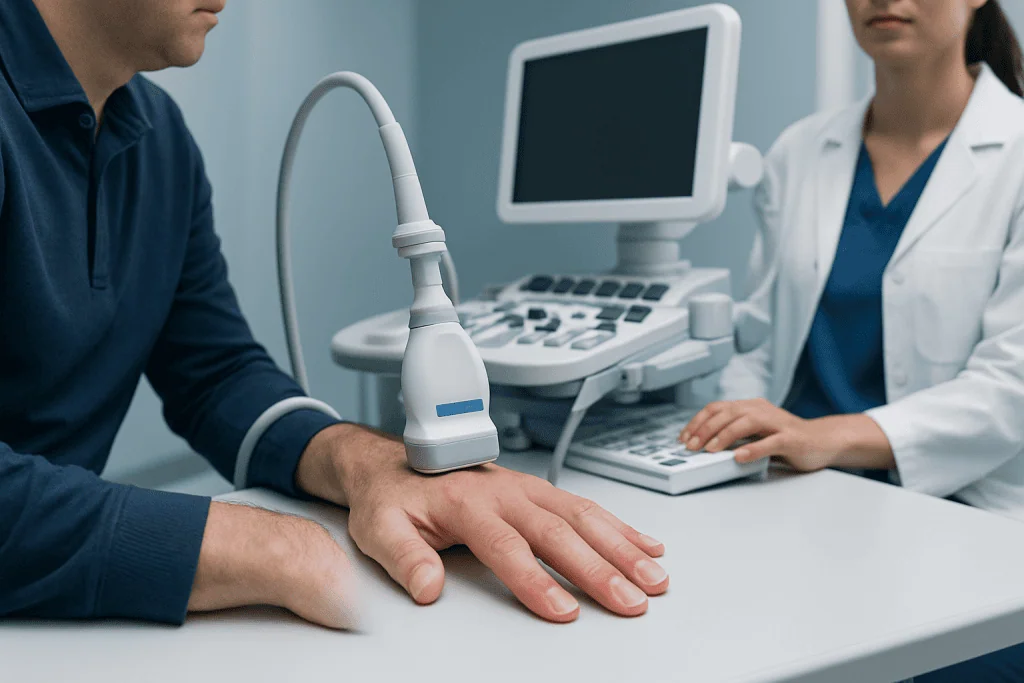
People describe broken blood vessels in fingertips in different ways. Some notice a tiny red dot or cluster of dots, while others see a small bruise under the skin. The area may feel tender, tight, warm, or mildly swollen. Occasionally the discoloration appears suddenly and can look more dramatic than the underlying problem actually is.
Common features may include:
- Red, purple, blue, or brownish discoloration on the fingertip or finger pad
- Mild to moderate pain or tenderness
- A bruised sensation after gripping, twisting, typing, sports, or manual work
- Slight swelling or fullness in one part of the finger
- Sensitivity when touching objects or pressing the area
Not every fingertip color change means a broken blood vessel. Dry cracked skin can bleed superficially, dermatitis can cause redness, and circulation conditions can make fingers appear pale, blue, or blotchy. In some people, recurrent color changes with cold exposure may relate to Raynaud syndrome, which affects blood flow rather than causing a simple capillary break.
Symptoms should be considered in context. A small spot that follows a clear minor injury is different from fingertip discoloration that happens repeatedly, affects several fingers, or occurs with fever, joint symptoms, rash, weakness, or unexplained bruising elsewhere on the body.
Why broken blood vessels in fingertips happen

The most common cause is minor trauma. Everyday actions such as opening jars, carrying heavy bags, pinching, gardening, sports, instrument playing, or prolonged use of tools can place enough pressure on fingertip capillaries to make them leak. Even repeated friction from work or hobbies can irritate the tiny vessels over time.
Skin and vessel fragility also matter. Dry skin, aging, frequent handwashing, exposure to cold weather, and certain skin conditions may make the area more vulnerable. Some people bruise more easily because their capillaries are naturally delicate, while others may be more likely to notice fingertip bruising if they take medicines that affect clotting, such as blood thinners or antiplatelet drugs prescribed by a doctor.
Less commonly, recurrent or unexplained broken vessels in fingertips may be linked with underlying medical issues. These can include autoimmune or connective tissue disorders, inflammation of blood vessels, platelet or clotting disorders, diabetes-related vascular changes, or circulation problems. In patients who also have unusual skin changes, ulcers, or persistent finger pain, doctors may consider whether there is an underlying vascular issue such as peripheral artery disease or another condition affecting blood flow.
Infections are not a usual cause of broken capillaries themselves, but inflamed skin around the fingertip can become red, swollen, and painful, which may mimic or accompany minor bleeding under the skin. Likewise, blood blisters, warts, cysts, and dermatitis can resemble vascular changes, so appearance alone does not always provide the full answer.
Risk factors and patterns worth noticing
A one-time episode after obvious pressure is generally less concerning than repeated, unexplained events. Patterns matter. For example, a person who notices fingertip bruising after sports or manual tasks may simply be seeing mechanical stress, whereas someone who develops spontaneous discoloration several times a month may need further evaluation.
Factors that can increase the chance of broken blood vessels in fingertips include:
- Frequent hand-intensive work, sports, or repetitive gripping
- Cold exposure and repeated temperature changes
- Very dry, fragile, or inflamed skin
- Older age and natural thinning of the skin
- Use of blood-thinning medication under medical supervision
- A personal or family history of easy bruising or clotting disorders
- Autoimmune or connective tissue disease
- Smoking, which can worsen circulation
It is helpful to note exactly when symptoms happen. Triggers such as cold, stress, pressure, vibrating tools, or a new medication can offer clues. Keeping a simple record of which finger is affected, how long the discoloration lasts, and whether numbness or temperature change occurs can be useful when speaking with a clinician.
How doctors diagnose the cause
Diagnosis begins with a medical history and a close look at the hand. A doctor will usually ask when the symptom started, whether there was any trauma, how often it happens, what the discoloration looks like, and whether there are symptoms elsewhere such as nosebleeds, gum bleeding, joint pain, skin rashes, or color changes in the cold. They will also review medicines, supplements, and any personal or family history of vascular or blood disorders.
The physical exam focuses on the skin, nails, fingertip circulation, temperature, tenderness, and range of motion. In many mild cases, that may be enough. If the presentation is typical for a small superficial bruise, no extensive testing may be needed.
When symptoms are recurrent, severe, or unusual, doctors may order tests such as blood counts, clotting studies, inflammatory markers, or autoimmune blood tests. If there is concern about circulation, they may suggest vascular imaging or referral to a specialist. In selected cases, a patient may benefit from assessment in a comprehensive diagnostic evaluation or a targeted vascular surgery assessment if blood flow problems are suspected.
The main goal of diagnosis is not simply to confirm that a capillary has broken, but to understand why it happened and whether any broader condition needs attention. This careful approach helps separate harmless episodes from symptoms that require treatment.
Treatment and recovery
Treatment depends on the cause. For a small bruise-like area caused by minor trauma, the body usually reabsorbs the leaked blood over days to a couple of weeks. During that time, the area may change color and tenderness gradually fades. Resting the finger, avoiding repeated pressure, and protecting the skin are often enough.
General self-care for mild cases may include:
- Resting the hand and avoiding the trigger when possible
- Using a cool compress for short periods during the first day if the area is tender
- Keeping the skin moisturized if dryness or cracking is present
- Wearing gloves for cold weather, cleaning, gardening, or tool use
- Monitoring the area for healing rather than repeatedly pressing on it
If an underlying issue is found, treatment focuses on that condition. For example, circulation disorders, inflammatory diseases, or blood abnormalities may need specialist care. If symptoms are tied to poor circulation in the hand or arm, a doctor may recommend further vascular treatment. In some cases, support from specialties such as hematology care or a structured rehabilitation program for hand overuse may be appropriate.
People should not stop prescribed blood-thinning medication on their own, even if bruising is noticed. Any concerns about medicine-related bruising should be discussed with the prescribing doctor, who can decide whether a review or adjustment is needed.
Prevention and day-to-day fingertip care
Prevention focuses on reducing mechanical strain and supporting healthy skin and circulation. For many people, simple changes in hand care make episodes less frequent. Good protection is especially helpful for those who work with tools, handle heavy objects, wash their hands often, or are regularly exposed to cold weather.
Helpful strategies include using padded gloves for repetitive tasks, taking breaks during gripping activities, and improving ergonomics for sports or manual work. Moisturizing the hands regularly can reduce dryness and cracking, which may make the fingertips more vulnerable. Quitting smoking, if relevant, may also help support blood vessel health and circulation over time.
People who notice symptoms with cold exposure should try to keep the whole body warm, not only the hands. Stress management may also help in those who experience color changes related to vessel spasm. If fingertip symptoms are recurrent despite self-care, a doctor can look for triggers or conditions that need formal treatment.
Near the end of the diagnostic journey, some patients benefit from multidisciplinary review. Acibadem International’s multidisciplinary specialists and JCI-accredited hospitals diagnose and treat vascular, blood, and connective tissue conditions for international patients when further evaluation is needed.
When to seek medical care
Medical advice is appropriate if broken blood vessels in fingertips happen often, appear without a clear reason, or do not improve as expected. A clinician should also assess symptoms that involve more than a minor surface bruise, especially when circulation may be affected.
Prompt medical attention is important if there is severe or worsening pain, the finger becomes pale, blue, or cold, there is numbness or weakness, swelling is marked, the skin breaks down, or signs of infection develop such as spreading redness, pus, or fever. Unexplained bruising in other areas, frequent nosebleeds, or bleeding gums should also be evaluated.
If symptoms are sudden and accompanied by chest pain, shortness of breath, major hand injury, or a finger that appears acutely deprived of blood flow, urgent assessment is needed. While most fingertip capillary breaks are not dangerous, persistent or unusual symptoms are best reviewed by a qualified doctor to rule out more significant problems.
Frequently asked questions
Are broken blood vessels in fingertips serious?
Often they are not serious and result from minor pressure or unnoticed trauma to small capillaries under the skin. They are more concerning when episodes keep returning, occur without a clear cause, or come with severe pain, numbness, coldness, or major color change.
How long does a broken blood vessel in a fingertip take to heal?
A small superficial bleed usually improves over several days and may take one to two weeks to fully fade, depending on its size. The discoloration can change as it heals, much like a bruise elsewhere on the body.
Can stress or cold weather cause blood vessel problems in fingertips?
Cold and stress can trigger blood vessel spasm in some people, which may lead to finger color changes and discomfort. That does not always mean a vessel has broken, but it can make fingertip symptoms more noticeable and may suggest an underlying circulation pattern such as Raynaud syndrome.
Should a person worry if broken blood vessels in fingertips keep happening?
Repeated episodes are worth discussing with a doctor, especially if they occur spontaneously or affect several fingers. Recurrent symptoms can sometimes point to skin fragility, medicine effects, circulation problems, autoimmune conditions, or blood-clotting issues.
Can blood thinners cause broken blood vessels in fingertips?
Medicines that reduce clotting can make bruising easier to notice, including in the fingertips after minor pressure. A person should not stop prescribed medication on their own, but should speak with the prescribing doctor if unusual bruising develops.
What is the difference between a broken blood vessel and a blood blister?
A broken blood vessel usually causes flat or slightly raised discoloration under the skin from leaked blood in tiny capillaries. A blood blister is more often a fluid-filled or dome-shaped pocket caused by friction or pinching, with blood trapped in a blister space.
This article is for general information only and is not a substitute for professional medical advice. Please consult a qualified doctor about your individual situation.
Explore treatments in Turkey — costs, top hospitals & a free quote
JCI-accredited · board-certified surgeons · reply within 24h
Add us as a Preferred Source to see more of our trusted health content across Google Search, AI Overviews and Discover.

More from the Health Library

Aquaphor Baby: What Patients Need to Know

Pictures of Cysts: An Evidence-Based Guide for Patients

Buddy Taping — Explained by Medical Evidence, Not Myths

Mycoplasma Pneumoniae: What Patients Need to Know

Cry It Out Method: What Patients Need to Know