

Can You Get HPV From a Toilet Seat? Causes, Explanations, and Next Steps

HPV is mainly transmitted through intimate skin-to-skin contact, including sexual contact. Toilet seats are not considered a common or likely source of HPV infection.
Key Takeaways
- HPV is mainly transmitted through intimate skin-to-skin contact, including sexual contact.
- Toilet seats are not considered a common or likely source of HPV infection.
- Most brief contact with public surfaces is harmless because HPV does not usually spread this way.
- New genital bumps, warts, abnormal bleeding, or persistent pelvic symptoms should be assessed by a doctor.
- Doctors may evaluate HPV-related concerns with an exam, cervical screening, HPV testing, or other tests depending on symptoms.
Can you get HPV from a toilet seat? In most cases, no. Human papillomavirus is usually spread through direct skin-to-skin sexual contact, and transmission from toilet seats is considered very unlikely.
Overview: Can HPV come from a toilet seat?
For most people, the answer is no: HPV is not usually caught from a toilet seat. Human papillomavirus is most commonly spread by direct skin-to-skin contact during vaginal, anal, or oral sex, or other close genital contact. Casual contact with objects in public places is not considered a typical route of infection.
This matters because worry often starts after using a public restroom and later noticing itching, bumps, or simply feeling anxious about exposure. In reality, brief contact with a toilet seat is very unlikely to transmit HPV. The virus does not generally spread in the same way as infections that pass easily through contaminated food, water, or respiratory droplets.
A more helpful way to think about HPV is that it usually needs close contact with affected skin or mucous membranes to spread. Even then, many infections cause no symptoms and clear on their own over time. That is why concern after restroom use is often unnecessary unless there are clear symptoms or another more likely exposure.
How HPV actually spreads
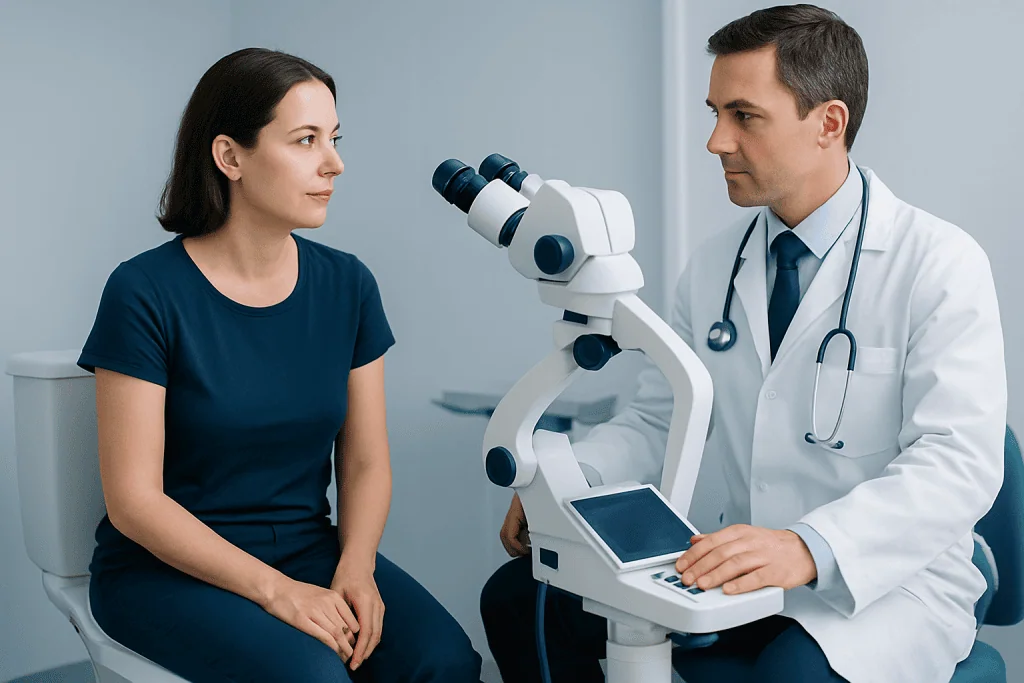
HPV is a group of viruses, and many types are spread through intimate skin-to-skin contact. This can happen even when a person has no visible warts or does not know they have the virus. Condoms and other barriers lower risk, but they do not fully remove it because HPV can affect skin not covered by a barrier.
Common routes of HPV transmission include:
- Vaginal, anal, or oral sex
- Close genital-to-genital contact without penetration
- Contact with skin or mucosal surfaces carrying the virus
- Less commonly, transmission during childbirth from parent to baby
What usually does not spread HPV is routine contact with surfaces such as toilet seats, bedding in public spaces, or shared objects used in everyday life. While HPV can survive outside the body for a limited time under certain laboratory conditions, real-world transmission from a toilet seat is considered highly unlikely. The conditions needed for infection are generally not met during brief contact with a hard surface.
This is one reason doctors focus more on personal sexual history, symptoms, and screening results than on surface exposure. If someone is worried about HPV, understanding the usual transmission pattern can replace fear with a more realistic picture of risk.
Why toilet seats are not a likely source

Several practical factors make toilet-seat transmission unlikely. First, HPV spreads best through direct contact with living skin or mucosal tissue, especially during intimate contact. A toilet seat is a nonliving surface, and contact is brief and indirect.
Second, the virus would need to remain present in a way that allows it to reach a susceptible area of skin or mucosa. In daily life, cleaning, drying, temperature changes, and the short duration of contact all reduce this possibility. Intact skin also acts as an effective barrier against many infections.
Third, many symptoms people worry about after public restroom use may have other explanations. Irritation can come from friction, sweat, shaving, soaps, or unrelated skin conditions. Genital bumps may be caused by ingrown hairs, skin tags, cysts, molluscum contagiosum, or other conditions rather than HPV. If persistent or uncertain, these concerns deserve medical assessment rather than assumptions.
In short, although no source of infection can be discussed in absolute terms for every imaginable situation, toilet seats are not considered a meaningful or usual route of HPV transmission. For most people, this is reassuring and means no special testing is needed just because a public toilet was used.
Symptoms that may raise concern
Many HPV infections do not cause symptoms. When symptoms do occur, they depend on the HPV type and the area involved. Some types can cause genital warts, while others are linked with abnormal cell changes that are found on screening rather than felt in daily life.
Possible signs that deserve attention include:
- New genital or anal bumps, growths, or wart-like lesions
- Persistent itching, irritation, or discomfort in the genital area
- Bleeding after sex or unusual vaginal bleeding
- Persistent pelvic pain or pain during sex
- Ongoing sore throat, voice changes, or mouth lesions in some situations
These symptoms do not automatically mean HPV. They can also occur with yeast infections, contact dermatitis, sexually transmitted infections, benign skin growths, or other gynecologic or dermatologic issues. That is why self-diagnosis is often unreliable.
If visible growths are present, a clinician may consider genital warts among other possibilities. If cervical screening has shown abnormal cells, the discussion may also involve cervical cancer prevention and follow-up, because persistent infection with certain high-risk HPV types can lead to precancerous changes over time.
What a doctor may do to evaluate HPV concerns
If someone seeks care because of possible HPV exposure or symptoms, the first step is usually a history and physical examination. The doctor may ask about the timing of symptoms, sexual history, prior HPV vaccination, past screening results, and whether any lesions have changed in size, number, or appearance.
The next steps depend on age, anatomy, and symptoms. A clinician may recommend:
- A visual examination of the skin or genital area
- Cervical screening, such as a Pap test, when appropriate
- HPV testing as part of cervical cancer screening protocols
- Colposcopy if cervical screening results are abnormal
- Biopsy of an uncertain lesion when needed
There is no routine HPV test for every person or every body site, and testing is not usually done simply because someone sat on a toilet seat. Instead, evaluation is guided by symptoms and standard screening recommendations. This approach helps avoid unnecessary worry while still identifying problems that need treatment.
If an abnormal area needs closer examination, tests such as colposcopy may be used. In some cases, routine Pap smear screening is the most relevant next step, especially for people who are due for cervical screening rather than those with a surface-exposure concern alone.
Treatment, follow-up, and what happens next
There is no single medicine that removes HPV itself from the body in every case. Instead, care focuses on managing the effects of the virus, monitoring abnormal cells, and allowing the immune system time to clear many infections naturally. This is why treatment plans can differ from person to person.
For genital warts, options may include prescription topical treatments, office-based procedures, or other removal methods depending on the location and extent of the lesions. If cervical screening shows precancerous changes, follow-up may range from repeat testing to procedures that remove or treat abnormal tissue. The right plan depends on the degree of cell change, age, medical history, and future pregnancy considerations.
Regular follow-up is important when abnormal screening results are found, because early cell changes often cause no symptoms. Treatment is aimed at preventing progression, not just relieving discomfort. If a lesion is uncertain or persistent, a specialist may recommend further assessment rather than watchful waiting.
Near the end of the care pathway, some patients benefit from multidisciplinary evaluation. Acibadem International’s specialists and JCI-accredited hospitals diagnose and treat HPV-related conditions for international patients, including follow-up for abnormal screening findings and procedures such as LEEP when clinically appropriate.
Prevention and self-care
The most effective way to reduce HPV risk is vaccination when eligible, along with regular screening where recommended. HPV vaccination helps protect against several high-risk and wart-causing types, but it does not treat an existing infection. Screening remains important because vaccines do not cover every HPV type and many infections produce no symptoms.
Other practical prevention steps include using condoms or dental dams during sexual activity, limiting the number of sexual partners, and avoiding sexual contact when visible warts or unexplained genital lesions are present until a clinician has evaluated them. These steps reduce risk but do not eliminate it completely.
For self-care, it is best not to pick at, shave over, or self-treat genital lesions with nonprescription wart products unless a doctor specifically advises it. Products meant for hands or feet can irritate sensitive skin. Gentle hygiene, avoiding harsh soaps, and seeking medical advice for persistent symptoms are safer approaches.
It can also help to remember that HPV is common, and many infections clear without causing long-term harm. Concern after touching public surfaces is understandable, but focusing on vaccination, screening, and symptom-based care is far more useful than worrying about toilet-seat exposure.
When to seek medical care
Most concerns about getting HPV from a toilet seat do not require urgent medical care. In many cases, reassurance is enough, especially when there are no symptoms and no other likely exposure. However, a medical review is sensible if something new or persistent develops.
A person should arrange a doctor’s visit if they notice genital or anal warts, unexplained bumps, unusual bleeding, pain during sex, persistent itching, or abnormal discharge. Care is also important if they are overdue for cervical screening, have received an abnormal screening result, or have a weakened immune system that may affect infection risk and recovery.
Prompt medical advice is especially important for lesions that grow, bleed, change color, or do not go away. A clinician can determine whether the cause is HPV, another infection, or a noninfectious skin condition. This usually provides clearer answers than online comparisons or assumptions based on restroom exposure.
Anyone with questions about risk, vaccination, screening, or symptoms should speak with a qualified healthcare professional. A calm, evidence-based assessment can identify what matters, rule out what does not, and guide the next step safely.
Frequently asked questions
Can you get HPV from a toilet seat?
Usually no. HPV is mainly spread through direct intimate skin-to-skin contact, not from sitting on a toilet seat. Brief contact with a public surface is not considered a common or likely way to catch HPV.
How long can HPV live outside the body?
HPV may persist for a limited time outside the body under certain conditions, but that does not mean it spreads easily from surfaces in daily life. Real-world transmission is mainly linked to direct contact with infected skin or mucosal tissue. That is why surface exposure is generally not the focus of HPV prevention.
What are the first signs of HPV?
Many people have no signs at all. When symptoms happen, they may include genital warts or changes found during cervical screening rather than something a person can feel. Because many conditions can look similar, a doctor should evaluate persistent bumps, irritation, or abnormal bleeding.
Should someone get tested for HPV after using a public restroom?
Routine HPV testing is not usually recommended just because someone used a public toilet. Testing is generally based on age, anatomy, screening guidelines, abnormal results, or symptoms. If there are new lesions or other concerning symptoms, a clinician can advise the most appropriate evaluation.
Can HPV spread without intercourse?
Yes. HPV can spread through close genital skin-to-skin contact even without penetrative sex. This is one reason it is common and why barrier methods reduce risk but do not prevent every transmission.
Does having HPV mean cancer will develop?
No. Most HPV infections do not lead to cancer, and many clear on their own. The main reason screening matters is to detect abnormal cell changes early so they can be monitored or treated before cancer develops.
References
- World Health Organization
- Centers for Disease Control and Prevention
- American College of Obstetricians and Gynecologists
- National Cancer Institute
- American Cancer Society
This article is for general information only and is not a substitute for professional medical advice. Please consult a qualified doctor about your individual situation.
Explore treatments in Turkey — costs, top hospitals & a free quote
JCI-accredited · board-certified surgeons · reply within 24h
Add us as a Preferred Source to see more of our trusted health content across Google Search, AI Overviews and Discover.

More from the Health Library



Related Specialists

Dr. Oya Uğurlubilek
Inpatient Clinic Physicians Clinical Service
Prof. Dr. E. Levent Elemen
Pediatric Surgery
Dr. Mukhtar Shahgaldıyev
Physical Medicine & Rehabilitation
Dyt. Eylül Çarpar
Nutrition & Diet