

Pink Eye Pictures: A Complete Medical Overview

Pink eye is inflammation of the conjunctiva, the clear tissue covering the white of the eye and inner eyelid. Photos may suggest a type of pink eye, but similar-looking eye redness can come from different conditions.
Key Takeaways
- Pink eye is inflammation of the conjunctiva, the clear tissue covering the white of the eye and inner eyelid.
- Photos may suggest a type of pink eye, but similar-looking eye redness can come from different conditions.
- Viral and bacterial pink eye can be contagious, while allergic pink eye is not.
- Warning signs such as eye pain, light sensitivity, vision changes, or contact lens use need prompt medical advice.
- Treatment ranges from supportive care to prescription medicine, depending on the cause.
Pink eye pictures can be useful for recognizing common patterns such as redness, swelling, watering, or discharge, but images alone cannot confirm the exact cause. Conjunctivitis may be viral, bacterial, allergic, or irritant-related, and the best treatment depends on the reason the eye is inflamed.
Overview: What Pink Eye Pictures Can and Cannot Show
Pink eye pictures usually show a red or pink appearance of the white part of the eye, sometimes with swollen eyelids, tearing, or crusting. These images can help people understand what conjunctivitis may look like, especially when comparing viral, bacterial, and allergic forms. However, pictures are only a visual clue. They cannot reliably show whether the cause is an infection, an allergy, or irritation from smoke, chemicals, or contact lenses.
Conjunctivitis is inflammation of the conjunctiva, a thin membrane that covers the white of the eye and lines the inside of the eyelids. When inflamed, its small blood vessels become more visible, creating the familiar pink or red look. In many cases, symptoms are mild and improve with time or simple care. Even so, some eye conditions that resemble pink eye can be more serious, so persistent or severe symptoms should be assessed by a qualified doctor.
People often search for pink eye pictures to decide whether they need treatment. A photo comparison may be helpful for recognizing broad patterns, but it should not replace a proper eye examination. Conditions such as corneal infection, uveitis, blepharitis, or dry eye may also cause redness. In children, frequent eye rubbing and discharge can add to the confusion because several common eye problems overlap in appearance.
How Pink Eye May Look in Different Situations
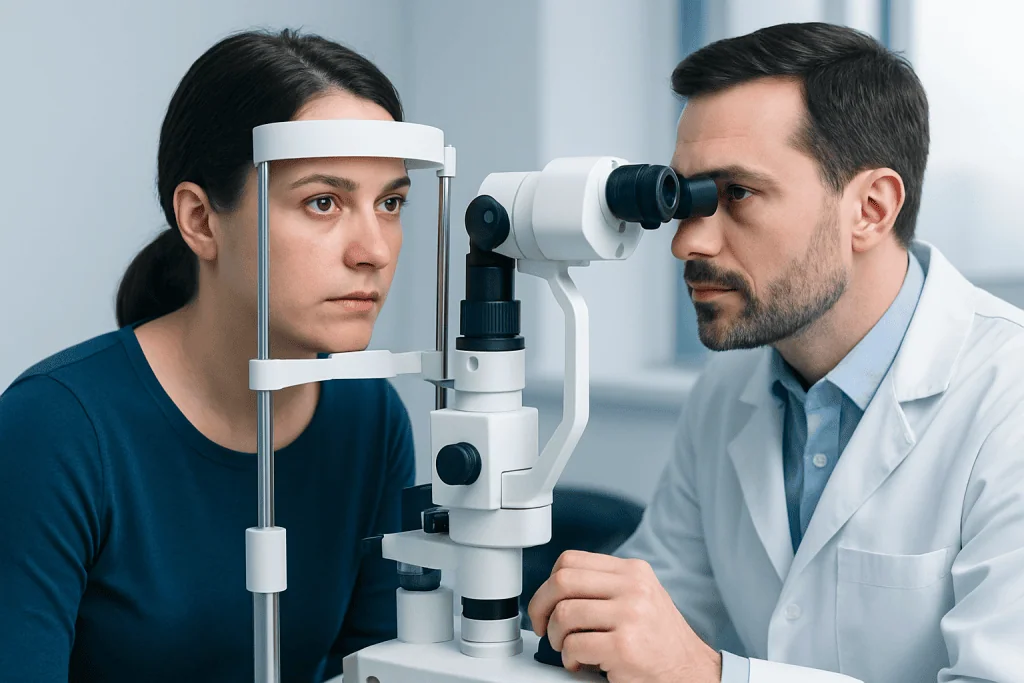
Although appearance varies from person to person, some patterns are commonly seen. Viral pink eye often starts in one eye and may spread to the other. Pictures may show watery eyes, diffuse redness, and puffy lids, sometimes along with cold-like symptoms. Bacterial pink eye may look red as well, but photos often show thicker yellow or green discharge that can cause the eyelids to stick together, especially after sleep.
Allergic pink eye often affects both eyes at the same time. In pictures, the eyes may appear pink, watery, and swollen, but the strongest clue is usually itching rather than pain. Irritant pink eye may develop after exposure to smoke, chlorine, dust, or cosmetics. Images may show redness and tearing, yet the history of recent exposure is often more informative than the appearance alone.
Some visual features can be misleading. A bright red eye does not always mean a bacterial infection, and discharge is not always bacterial. Viral infections can also produce mucus, especially later in the day. This is why diagnosis depends on the full picture: symptoms, timing, medical history, contact lens use, and examination findings rather than photographs alone.
- Watery discharge is more common in viral or allergic conjunctivitis.
- Thicker pus-like discharge is more suggestive of bacterial conjunctivitis.
- Marked itching points more strongly toward allergies.
- Pain, blurred vision, or strong light sensitivity are not typical simple pink eye symptoms and need medical attention.
Symptoms That Often Accompany Pink Eye

The most common symptom is redness in one or both eyes. Many people also notice tearing, burning, a gritty feeling, or mild swelling of the eyelids. Some describe the sensation as if sand or an eyelash is in the eye. Depending on the cause, there may also be stringy mucus, crusting, or a feeling of dryness.
Symptoms outside the eye can help narrow the cause. Viral conjunctivitis may happen with a sore throat, runny nose, fever, or recent upper respiratory infection. Allergic conjunctivitis often appears with sneezing, nasal congestion, or seasonal allergy symptoms. Bacterial forms may produce more persistent discharge and eyelid matting, particularly in children.
It is important to note which symptoms are less typical for uncomplicated pink eye. Moderate to severe pain, reduced vision, halos around lights, severe headache, nausea, significant light sensitivity, or a white spot on the cornea may point to a different and more urgent eye problem. In those situations, medical evaluation should not be delayed.
Causes and Risk Factors
Pink eye has several possible causes. Viral conjunctivitis is very common and is often linked to the same viruses that cause colds. Bacterial conjunctivitis can occur when bacteria infect the surface of the eye, sometimes after touching the eyes with unwashed hands. Allergic conjunctivitis is a reaction to pollen, dust mites, pet dander, or other allergens. Irritant conjunctivitis may follow exposure to chlorine, smoke, fumes, or certain eye products.
Several factors can increase the chance of developing conjunctivitis. These include close contact with someone who has an eye infection, poor hand hygiene, sharing towels or eye makeup, and recent respiratory illness. Contact lens wear is an especially important risk factor because redness in a lens wearer may signal a more serious problem affecting the cornea rather than simple conjunctivitis.
Other eye conditions may also coexist with or mimic pink eye. People with chronic eyelid inflammation, dry eye, or allergies may have repeated redness. In some cases, redness may be related to another eye disease rather than true conjunctivitis. If symptoms are prolonged, recurrent, or hard to classify, a clinician may also consider related eye surface problems and assess for other eye conditions such as glaucoma when symptoms suggest a different cause.
How Doctors Diagnose Pink Eye
Diagnosis usually begins with a medical history and an eye examination. A doctor will ask when symptoms started, whether one or both eyes are affected, the type of discharge present, whether there is itching or pain, and whether the person wears contact lenses. Recent illness, allergy history, and exposure to others with red eye are also important clues.
During the exam, the eye specialist looks at the conjunctiva, eyelids, cornea, and pupils. The purpose is not only to identify conjunctivitis but also to rule out more serious causes of red eye. If the cornea is involved, if there is significant pain, or if vision is affected, the condition may require urgent specialist care. Depending on the findings, the doctor may recommend a full eye examination to assess vision and the health of the eye surface in more detail.
Most cases do not need laboratory testing. However, swabs or additional investigations may be considered if the infection is severe, recurrent, not improving, or occurring in a newborn or an immunocompromised patient. When the diagnosis is uncertain, ophthalmology evaluation is especially helpful because treatment differs depending on the exact cause.
Treatment Options and What Usually Helps
Treatment depends on the cause. Viral pink eye often improves on its own with supportive care such as cool compresses, gentle eyelid cleaning, and lubricating eye drops. Because it can spread easily, handwashing and avoiding shared linens are important. Antibiotics do not help viral infections, so they are not routinely used unless a clinician suspects bacterial disease or another complication.
Bacterial pink eye may be treated with prescription antibiotic eye drops or ointment, particularly when discharge is thick, symptoms are persistent, or the patient is at higher risk of complications. Allergic pink eye is managed by reducing allergen exposure and using treatments such as lubricating drops or anti-allergy eye medications recommended by a clinician. If eye redness is linked to another issue, care may involve a different treatment plan, including targeted ophthalmology care.
People should not use leftover prescription eye drops or someone else’s medication. Some drops can irritate the eye or delay proper diagnosis. Contact lenses should usually be stopped until the eye is fully better and a doctor says it is safe to restart. If symptoms are severe or unusual, a specialist may evaluate the eye surface and, when needed, discuss treatments used for underlying problems affecting the cornea or vision, including advanced corneal care in selected cases unrelated to simple conjunctivitis.
Self-Care, Prevention, and Reducing Spread
Simple self-care can make recovery more comfortable. Washing hands often, avoiding touching or rubbing the eyes, and cleaning discharge gently with clean cotton or gauze can help. Cool compresses may reduce swelling and irritation. Artificial tears can soothe dryness or burning, but it is best to choose products recommended by a pharmacist or doctor, especially for children.
To reduce spread, towels, pillowcases, washcloths, cosmetics, and eye drops should not be shared. Eye makeup should be replaced after an infection, and contact lenses plus their storage case may need to be discarded depending on the type of infection and medical advice. Schools and workplaces often have their own return policies, but the key issue is hygiene and symptom control rather than appearance alone.
Prevention also includes allergy management and avoiding known irritants where possible. Protective eyewear may help in dusty or chemical-exposure settings. If red eyes are a repeated problem, a doctor can look for chronic allergy, dry eye, or eyelid disease instead of treating each episode as infection. Near the end of the care journey, some patients may benefit from specialist review; Acibadem International’s multidisciplinary specialists in JCI-accredited hospitals diagnose and treat eye conditions for international patients.
When to Seek Medical Care
Medical care should be sought promptly if the person has significant eye pain, sensitivity to light, blurred vision, worsening redness, or symptoms that do not start improving within a few days. Contact lens wearers with a red eye should be especially cautious because they have a higher risk of corneal infection. Babies, people with weakened immune systems, and anyone recovering from eye surgery should also be evaluated sooner.
Immediate assessment is important if there is eye injury, chemical exposure, severe swelling, or inability to open the eye. One-sided intense redness with headache, nausea, or visual changes should never be assumed to be simple pink eye. An ophthalmologist can distinguish conjunctivitis from more urgent eye diseases and decide whether further treatment is needed.
If red eye is frequent, recurring, or associated with other symptoms such as persistent eyelid crusting or chronic irritation, a more detailed assessment may be useful. This helps identify whether the problem is truly conjunctivitis or another eye surface disorder that needs a different approach.
Frequently asked questions
Can pink eye pictures confirm which type of conjunctivitis someone has?
No. Pictures can show patterns such as watery redness or thick discharge, but they cannot reliably confirm the cause. A doctor often needs the symptom history and an eye exam to tell viral, bacterial, allergic, or irritant conjunctivitis apart.
What does viral pink eye usually look like?
Viral pink eye often looks bright pink or red with watery tearing and mild eyelid swelling. It may start in one eye and spread to the other, and it is commonly linked with cold symptoms such as a sore throat or runny nose.
How is bacterial pink eye different in appearance?
Bacterial pink eye may also cause redness, but it is more likely to produce thicker yellow or green discharge. The eyelids can stick together, especially after sleep. Even so, appearance alone is not always enough for diagnosis.
Is pink eye always contagious?
No. Viral and bacterial pink eye can spread to others, but allergic pink eye is not contagious. Irritant conjunctivitis from smoke, chlorine, or chemicals is also not contagious.
When should someone worry that it is not simple pink eye?
Warning signs include moderate to severe pain, vision changes, strong light sensitivity, severe headache, or nausea. Red eye in a contact lens wearer also needs prompt medical advice because it can signal a corneal problem.
Can pink eye go away without antibiotics?
Yes. Many cases, especially viral conjunctivitis, improve without antibiotics and are managed with supportive care. Antibiotics may be used when a doctor suspects bacterial infection or when symptoms are persistent or more severe.
References
- American Academy of Ophthalmology
- Centers for Disease Control and Prevention
- National Eye Institute
- Mayo Clinic
- NHS
This article is for general information only and is not a substitute for professional medical advice. Please consult a qualified doctor about your individual situation.
Explore treatments in Turkey — costs, top hospitals & a free quote
JCI-accredited · board-certified surgeons · reply within 24h

More from the Health Library



Related Specialists

Dr. Ahmet Kurt
Internal Medicine
Dr. Caner Çam
Internal Medicine
Prof. Dr. Tuluhan Yunus Emre
Orthopedic Surgery & Traumatology
Dr. Necdet Yetim
Internal Medicine