Treadmill Workout — Explained by Medical Evidence, Not Myths

A treadmill workout can improve heart health, endurance, and daily physical function. Benefits depend more on regularity and suitable intensity than on speed alone.
Key Takeaways
- A treadmill workout can improve heart health, endurance, and daily physical function.
- Benefits depend more on regularity and suitable intensity than on speed alone.
- Good posture, gradual progression, and proper warm-up help reduce injury risk.
- People with heart disease, joint pain, dizziness, or chronic illness may need medical guidance before starting.
- Walking, intervals, and incline sessions can all be useful when tailored to personal goals.
A treadmill workout is a practical way to build cardiovascular fitness, support weight management, and improve walking or running endurance when it is done with appropriate intensity and form. Medical evidence supports treadmill exercise for many adults, but the safest and most effective plan depends on overall health, fitness level, and any joint, heart, or balance concerns.
Overview: what a treadmill workout really does
A treadmill workout is a structured session of walking, jogging, or running on a motorized or manual treadmill to improve physical fitness. In medical terms, it is a form of aerobic exercise that can strengthen the heart and lungs, improve circulation, support blood sugar control, and help with weight management. For many people, it is also easier to control than outdoor exercise because speed, incline, and duration can be adjusted precisely.
Evidence-based exercise guidance does not treat the treadmill as a “miracle” tool or a harmful one. Its value depends on how it is used. A moderate treadmill workout performed regularly can help adults meet recommended physical activity goals, while higher-intensity sessions may further improve cardiorespiratory fitness in suitable individuals. At the same time, a plan that is too intense, too repetitive, or poorly matched to a person’s health status can raise the risk of overuse pain, falls, or unnecessary strain.
One advantage of treadmill exercise is consistency. Weather, traffic, uneven surfaces, and air quality are less likely to interfere with training. This can be especially helpful for people who are building a new routine, recovering physical capacity, or following a rehabilitation plan under medical advice.
Health benefits supported by medical evidence
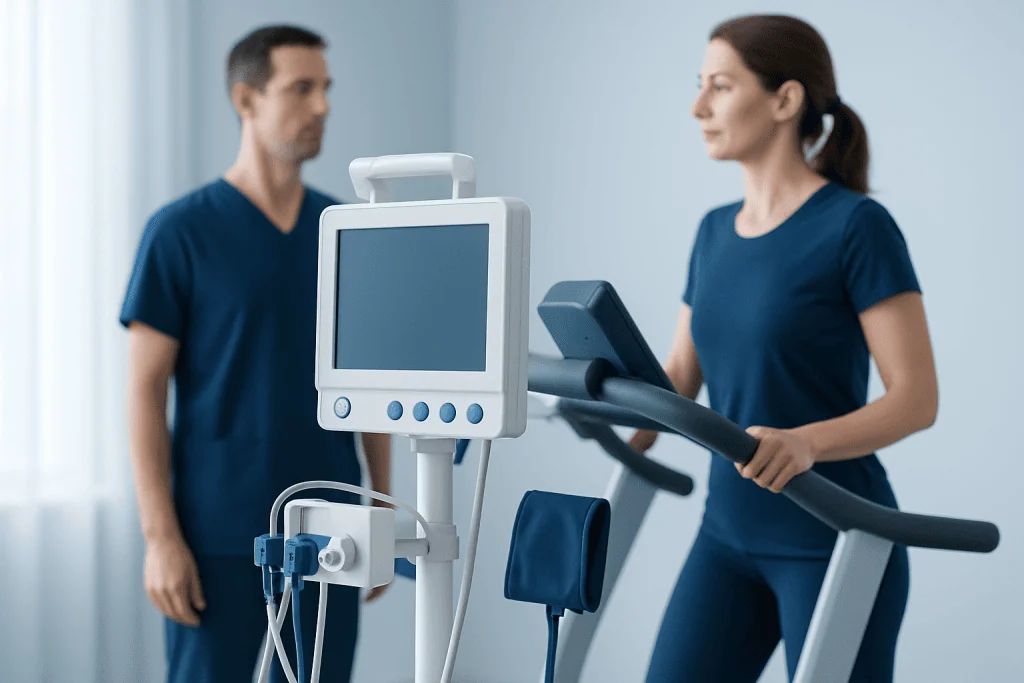
Regular treadmill exercise can support cardiovascular health by increasing heart and lung efficiency over time. Walking or running at a level that raises the heart rate appropriately may help lower blood pressure, improve cholesterol patterns, and enhance overall endurance. These benefits are similar to those seen with other forms of aerobic exercise when the total effort is comparable.
A treadmill workout can also help with body weight and metabolic health. It increases energy expenditure and may improve insulin sensitivity, especially when combined with balanced nutrition and regular movement throughout the week. For some people with low activity levels, even steady treadmill walking can produce meaningful gains in stamina, mobility, and confidence.
There are also functional and quality-of-life benefits. Many adults use treadmill walking to improve gait speed, leg strength, and tolerance for everyday activities such as climbing stairs or walking longer distances. For some people with musculoskeletal or mobility concerns, supervised exercise may be part of broader care that also includes physical therapy and rehabilitation.
Research also shows that exercise can support mental well-being. A regular treadmill routine may reduce stress, improve sleep quality, and ease symptoms of low mood in some individuals. These benefits are usually strongest when exercise is consistent, realistic, and sustainable rather than extreme.
How to choose the right treadmill workout for a goal

The best treadmill workout depends on the goal. For general health, many adults benefit from moderate-intensity walking or jogging that can be maintained consistently. A simple plan may include 20 to 40 minutes of brisk walking on most days, with intensity adjusted so that talking is possible but singing would be difficult. This level is often effective for improving fitness without excessive strain.
For weight management, a treadmill workout works best as one part of a broader lifestyle plan. Longer moderate sessions, interval sessions, or incline walking may increase energy expenditure, but the most important factor is whether the routine can be continued safely over time. Shorter workouts can still be useful, especially for beginners or those returning after inactivity.
For endurance and performance, training may include progression in one or more variables:
- Duration: increasing total minutes gradually
- Speed: adding controlled jogging or faster intervals
- Incline: simulating hill work and increasing effort
- Frequency: adding sessions across the week with rest as needed
People with joint discomfort may prefer brisk walking with incline rather than faster running, because it can raise cardiovascular demand without always requiring higher impact. However, incline is not automatically better for everyone. It can increase strain on the calves, Achilles tendon, and lower back if introduced too quickly. If pain or functional limitations are present, medical evaluation may help identify related issues such as knee pain or other musculoskeletal conditions.
Safe technique, pacing, and common myths
Safe treadmill use starts with technique. Good posture usually means looking forward, keeping the shoulders relaxed, engaging the core gently, and allowing the arms to swing naturally. Taking very short, tense steps or gripping the handrails tightly for long periods can change normal walking mechanics. Light rail use for balance may be appropriate in some cases, but relying on the rails to support body weight can reduce training quality and increase awkward movement.
A warm-up and cool-down are often overlooked but medically sensible. Starting with a few minutes of slower walking helps the heart rate and muscles adjust gradually. Slowing down again at the end may reduce sudden lightheadedness and make recovery more comfortable, especially after vigorous effort.
Several myths can confuse people. One myth is that a harder treadmill workout is always better. In reality, benefits come from a suitable dose of exercise, not maximum effort every time. Another myth is that treadmill exercise is “unnatural” and therefore harmful. Treadmills do slightly change surface behavior compared with outdoor terrain, but they are widely used in both fitness and clinical settings, including supervised testing and rehabilitation. The key issue is fit between the workout and the person.
Footwear matters as well. Supportive, well-fitted shoes appropriate for walking or running can reduce friction and improve comfort. Repeating the same high-impact workout every day without rest or variation may increase the risk of shin discomfort, foot pain, tendon irritation, or overuse problems such as plantar fasciitis.
Who should be cautious before starting
Many healthy adults can begin a light to moderate treadmill workout safely, especially if they start gradually. However, some people should take extra care before beginning or increasing exercise intensity. This includes those with known heart disease, chest pain, severe shortness of breath, uncontrolled blood pressure, fainting, major balance problems, or recent surgery. Individuals with diabetes, chronic lung disease, arthritis, obesity, or neurological conditions may also benefit from tailored advice.
Joint and spine symptoms deserve attention. Walking and running mechanics on a treadmill can aggravate pain if there is underlying injury or poor load tolerance. People who have persistent back, hip, knee, ankle, or foot pain may need an assessment before advancing speed or incline. In some cases, treatment planning may involve orthopedics and traumatology to clarify the source of pain and support a safer return to activity.
Exercise is often encouraged in people with cardiovascular risk factors, but the correct intensity matters. If there is a history of coronary artery disease, rhythm disorders, prior heart procedures, or unexplained exercise intolerance, a clinician may recommend supervised progression or formal evaluation. Depending on symptoms and history, this may involve cardiology input to make exercise safer and more individualized.
How to build a safe, sustainable routine
A practical treadmill routine usually starts below what a person thinks they can do, then increases gradually. For beginners, this might mean 10 to 15 minutes of comfortable walking, two to five days per week, with small increases in time before increases in speed. If the body adapts well and recovery is good, intensity can be raised step by step. This gradual approach is strongly supported by sports medicine and rehabilitation principles.
Monitoring intensity can be simple. Some people use heart rate, but many do well with the “talk test” or a rating of perceived exertion. Moderate effort generally feels purposeful but manageable. Vigorous effort makes conversation difficult and is not necessary for every session. Alternating harder and easier days can help maintain progress while lowering the chance of overuse.
Helpful self-care habits include:
- Warming up for 5 to 10 minutes
- Using realistic speed and incline settings
- Stopping if pain changes normal movement
- Drinking enough fluids for the environment and duration
- Allowing recovery days when the legs feel unusually sore or fatigued
- Combining aerobic work with strength and mobility exercises
For people with chronic symptoms, recent deconditioning, or repeated exercise-related pain, professional guidance can be useful. Near the end of a care pathway, a center such as Acibadem International may support international patients through multidisciplinary assessment in JCI-accredited hospitals when treadmill-related activity needs to be adapted around orthopedic, cardiac, or rehabilitation needs.
When to seek medical care
A treadmill workout should not cause alarming symptoms. Medical care is appropriate if exercise brings on chest pain, pressure, severe shortness of breath, fainting, marked dizziness, or a racing or irregular heartbeat that does not settle promptly with rest. These symptoms need proper assessment rather than self-diagnosis.
Evaluation is also sensible for musculoskeletal symptoms that do not improve. Ongoing knee swelling, persistent foot or heel pain, back pain radiating down the leg, or pain that changes walking mechanics may signal an injury or underlying condition. Continuing through pain can make recovery harder and may turn a manageable issue into a longer-lasting one.
People should also seek medical advice if they are unsure how to exercise safely with a chronic condition, if fatigue is out of proportion to the workout, or if blood pressure or blood sugar responses seem difficult to control. A qualified doctor or rehabilitation specialist can help decide whether treadmill exercise is appropriate, how intense it should be, and what modifications may be needed.
Frequently asked questions
Is a treadmill workout as effective as walking or running outdoors?
A treadmill workout can be just as effective for cardiovascular fitness if the intensity and duration are similar. It also offers controlled conditions that make pacing easier. Outdoor exercise may add terrain changes and environmental variation, but neither option is automatically superior for everyone.
How often should someone do a treadmill workout?
That depends on fitness level, goals, and recovery. Many adults aim for regular moderate aerobic activity across most days of the week, which can include treadmill sessions. Beginners usually do best by starting with shorter sessions and increasing gradually.
Can a treadmill workout help with weight loss?
It can support weight loss by increasing energy expenditure and improving fitness. However, body weight changes usually depend on the overall pattern of eating, activity, sleep, and consistency over time. The treadmill is one useful tool, not a stand-alone solution.
Is incline walking better than running on a treadmill?
Not necessarily; they simply place different demands on the body. Incline walking may raise heart rate with less impact than running, which some people find more comfortable. Running may improve speed and aerobic capacity more directly, but it also increases loading and is not suitable for everyone.
What symptoms mean a treadmill workout should be stopped immediately?
Exercise should be stopped if there is chest pain, faintness, severe shortness of breath, sudden weakness, or a troubling irregular heartbeat. It should also stop if pain becomes sharp, unstable, or changes normal movement. If symptoms do not settle quickly, medical assessment is important.
Is treadmill exercise safe for people with joint pain?
It can be, especially when the program is adjusted to the person's symptoms and physical condition. Slower walking, lower impact, shorter sessions, and gradual progression may help. Persistent or worsening pain should be evaluated so the cause is clear and the exercise plan is appropriate.
This article is for general information only and is not a substitute for professional medical advice. Please consult a qualified doctor about your individual situation.
Heart care in Turkey — expert evaluation and treatment
JCI-accredited · board-certified surgeons · reply within 24h
Add us as a Preferred Source to see more of our trusted health content across Google Search, AI Overviews and Discover.
Check your numbers in seconds
BMI, calories, due date, blood pressure and 30+ more clinical calculators — free, instant, doctor-reviewed ranges.

More from the Health Library

Impacted Wisdom Teeth: What Patients Need to Know

Herpes on Penis — Explained by Medical Evidence, Not Myths

Bone Doctor: A Complete Medical Overview

Inflamed Occipital Lymph Nodes: An Evidence-Based Guide for Patients

Free Bleeding: An Evidence-Based Guide for Patients