What Is the Most Common Eye Color? Causes, Explanations, and Next Steps

Brown is the most common eye color globally because higher melanin levels in the iris are common and genetically influenced. Most natural eye colors are harmless and reflect normal variations in iris pigment and how light scatters in the eye.
Key Takeaways
- Brown is the most common eye color globally because higher melanin levels in the iris are common and genetically influenced.
- Most natural eye colors are harmless and reflect normal variations in iris pigment and how light scatters in the eye.
- A sudden eye color change, one pupil or iris looking different, or eye color changes with pain, redness, or blurred vision need medical review.
- Doctors assess eye color concerns with an eye exam, medical history, and sometimes imaging or pressure testing.
- Eye color usually does not affect vision, but some underlying eye conditions can change iris appearance and require treatment.
Brown is the most common eye color worldwide, and in most people eye color is a normal inherited trait rather than a sign of disease. Still, a new change in eye color, one eye becoming different, or eye color changes with pain or vision symptoms should be checked by an eye doctor.
Overview: what eye color usually means
Brown is the most common eye color in the world. In most cases, eye color is simply a normal inherited feature shaped by genetics and by the amount and distribution of melanin in the iris, the colored part of the eye.
For many people, questions about eye color come from curiosity rather than a health problem. Blue, hazel, green, gray, and very dark brown eyes are all natural variations. Eye color by itself usually does not signal illness, and many differences between families and populations are completely normal.
What matters medically is not the natural color someone was born with, but whether the color seems to change, whether one eye looks noticeably different from the other, or whether the change happens along with symptoms such as pain, light sensitivity, redness, or blurred vision. In those situations, an eye specialist can look for an underlying cause and decide whether treatment is needed.
Why brown is the most common eye color
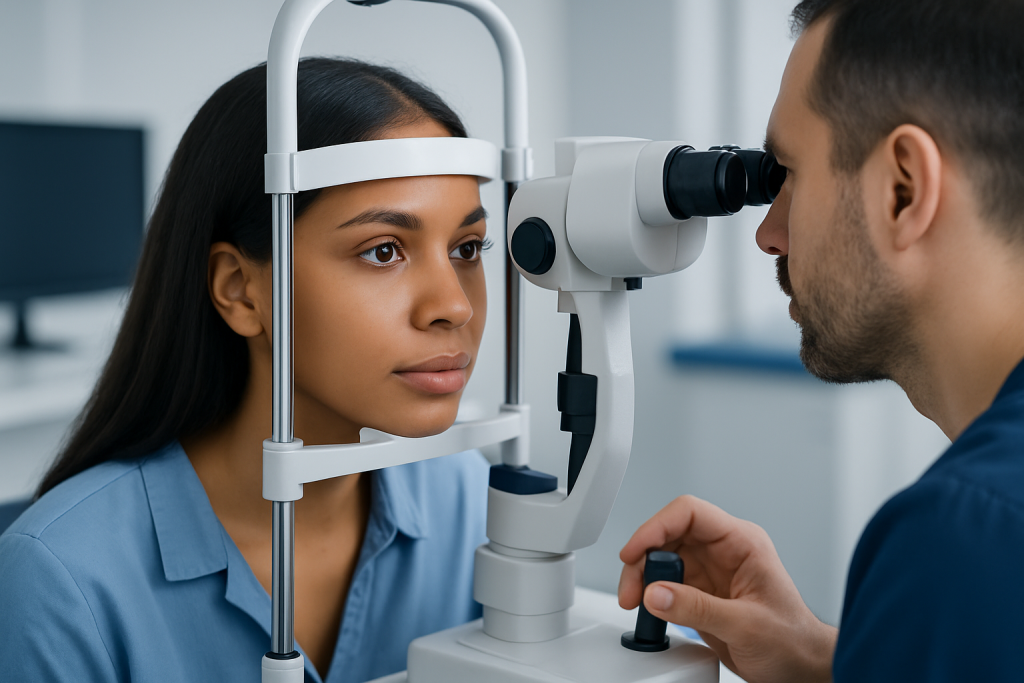
The direct answer to the question “what is the most common eye color” is brown. Brown eyes are most common because genes that lead to higher melanin levels in the iris are widely distributed across the global population. Melanin is the same general pigment family involved in skin and hair color.
Eyes do not contain blue or green pigment in the same way that brown eyes contain more melanin. Instead, lighter eyes often result from having less melanin in the front layers of the iris, combined with the way light scatters as it passes through the eye’s tissues. That is why eye color can sometimes appear to shift slightly in different lighting without representing a true medical change.
Eye color inheritance is complex. It is not controlled by a single gene alone, so children may have eye colors that are not easy to predict from their parents’ appearance. Babies may also be born with lighter-looking eyes that darken over the first months of life as pigment develops, which is usually a normal process.
Common eye colors and normal variations
Natural eye colors include dark brown, light brown, hazel, blue, green, gray, and combinations of these. Hazel eyes often contain a mix of brown, gold, and green tones. Some people also have central heterochromia, where the area around the pupil is a different shade from the outer iris. This is often a normal variation.
Another normal difference is that eye color may seem brighter or darker depending on lighting, clothing, makeup, or photographs. This usually reflects how light interacts with the iris rather than an actual change in pigment. In healthy eyes, these subtle shifts are expected and do not need treatment.
Some people naturally have two different colored eyes, called heterochromia. If it has been present since birth and there are no other symptoms, it may be harmless. However, if heterochromia appears later in life, it should be medically assessed to rule out inflammation, injury, or other eye conditions.
- Brown: most common worldwide
- Blue and gray: usually linked to lower iris melanin
- Green and hazel: less common natural variations
- Heterochromia: sometimes harmless, but new onset should be checked
When eye color changes may need medical attention
Most eye color differences are harmless, but a true change in color after childhood deserves attention, especially if it affects only one eye. A new darkening or lightening of the iris can sometimes be linked to inflammation, bleeding, certain medications, injury, or structural changes inside the eye.
Doctors are especially alert when eye color changes come with symptoms such as eye pain, redness, flashes of light, floaters, sensitivity to light, or reduced vision. These may suggest an eye problem that needs prompt evaluation, including inflammation such as uveitis or pressure-related problems such as glaucoma.
Changes in the pupil can also be mistaken for eye color changes. If the pupil looks irregular, one pupil is larger than the other, or the iris shape appears altered, an eye examination is important. Although many causes are treatable, the safest step is to have new changes assessed rather than assuming they are cosmetic.
Causes and risk factors behind unusual iris color changes
Several conditions can affect the appearance of the iris. Inflammation inside the eye can alter pigment or make the eye look different because of swelling, protein buildup, or associated redness. Bleeding inside the front of the eye after trauma can also change the visible color. In some cases, long-term use of certain eye drops may gradually deepen iris pigmentation.
Eye injuries are another important cause. A blunt injury can damage iris tissue, affect the pupil, or cause bleeding that changes the eye’s appearance. Previous surgery, chronic inflammation, or rare pigment disorders may also contribute. Less commonly, tumors involving the iris or nearby structures can change color or create a visible spot on the iris.
Risk factors depend on the cause but may include:
- Recent eye injury or surgery
- Persistent eye redness or recurrent inflammation
- Use of prescription eye drops over a long period
- A history of autoimmune conditions
- Family or personal history of eye disease
If a person notices a patch, spot, or localized darkening rather than a uniform natural color, an ophthalmologist may look carefully to rule out uncommon but important causes. The goal is not to create worry, but to distinguish normal variation from changes that need monitoring or treatment.
How doctors diagnose a concerning eye color change
The first step is a detailed history. The doctor will ask whether the eye color difference has been present since birth, whether it appeared suddenly or gradually, and whether there are symptoms such as pain, blurred vision, headache, sensitivity to light, trauma, or medication use. This information often helps narrow the likely cause.
The eye examination usually includes checking visual acuity, looking closely at the iris and pupil with a slit lamp microscope, and measuring eye pressure. The doctor may also examine the back of the eye after dilating the pupil. If inflammation or pressure problems are suspected, these tests help guide next steps.
Additional testing is sometimes needed. Depending on the findings, the ophthalmologist may use ocular imaging, photographs to document changes over time, or scans if there is concern about a structural problem. If treatment is needed, care may involve medicines, observation, or procedures such as eye surgery or glaucoma treatment when the underlying issue affects vision or eye health.
Treatment, self-care, and practical next steps
Treatment depends on the cause, not on the eye color itself. Natural inherited eye color does not need treatment. If the appearance change is caused by inflammation, trauma, medication effects, or another eye disorder, the doctor will focus on managing that condition and protecting vision.
For example, inflammatory conditions may require prescription eye drops or other medication, while pressure-related problems may need monitoring or specialist treatment. If there is an underlying retinal or structural issue affecting vision, care may overlap with services such as retinal treatment procedures in selected cases. People should avoid using over-the-counter products or cosmetic lenses to hide a new eye change before getting medical advice, since these can irritate the eye or delay diagnosis.
Simple self-care steps include protecting the eyes from injury with appropriate eyewear, attending regular eye exams, and seeking review if a change is new or progressive. Near the end of the care pathway, some international patients choose centers such as Acibadem International, where multidisciplinary specialists in JCI-accredited hospitals evaluate and treat eye conditions based on the underlying diagnosis.
When to seek medical care
Medical review is advisable if eye color changes after childhood, if one eye becomes noticeably different from the other, or if a new spot or patch appears on the iris. These changes are not always serious, but they are worth checking because the eye cannot be examined fully at home.
Prompt care is especially important when color change happens with eye pain, redness, sudden blurred vision, sensitivity to light, flashes, floaters, headache, or after an injury. Sudden symptoms may point to inflammation, bleeding, pressure changes, or other problems that benefit from early treatment.
If there are no symptoms and the difference has been present for many years, it may simply be a normal variation. Even then, mentioning it during a routine eye exam is sensible. A qualified eye doctor can confirm whether the appearance is harmless or whether follow-up is needed.
Frequently asked questions
What is the most common eye color in the world?
Brown is the most common eye color worldwide. This is mainly because higher amounts of melanin in the iris are common across many populations and are influenced by inherited genetics.
Does eye color affect eyesight?
Natural eye color usually does not determine how well a person sees. Vision depends more on the health of the cornea, lens, retina, optic nerve, and other parts of the eye.
Can eye color change naturally over time?
Some babies are born with lighter eyes that darken during infancy as pigment develops, which is normal. In adults, a slight difference in appearance under different lighting is also common, but a true new color change should be checked.
Is it normal to have two different colored eyes?
It can be normal if it has been present since birth and there are no other eye symptoms. If the difference appears later in life, an ophthalmologist should evaluate it to look for injury, inflammation, or another underlying cause.
Why do some eyes look green, blue, or hazel if brown is most common?
Lighter eye colors usually happen when there is less melanin in parts of the iris and light scatters differently within the tissue. Hazel eyes often reflect a mix of pigment levels and light effects, creating multiple visible tones.
When should someone worry about an eye color change?
A person should seek medical advice if the change is new, affects only one eye, or comes with pain, redness, blurred vision, flashes, floaters, or injury. These features can suggest an eye condition that needs prompt assessment.
References
- American Academy of Ophthalmology
- National Eye Institute
- MedlinePlus
- Mayo Clinic
- NHS
This article is for general information only and is not a substitute for professional medical advice. Please consult a qualified doctor about your individual situation.
Explore treatments in Turkey — costs, top hospitals & a free quote
JCI-accredited · board-certified surgeons · reply within 24h
Add us as a Preferred Source to see more of our trusted health content across Google Search, AI Overviews and Discover.

More from the Health Library



Related Specialists

Prof. Dr. Çetin Vural
Ear Nose & Throat
Defne Sürek
Physical Medicine & Rehabilitation
Assoc. Prof. Dr. Berkin Toker
Orthopedic Surgery & Traumatology
Assoc. Prof. Dr. Halil Kara
General Surgery