

Pilon Fracture: A Complete Medical Overview

A pilon fracture involves the weight-bearing lower tibia where it meets the ankle joint. These injuries often happen after falls from height, car accidents, or twisting injuries with strong force.
Key Takeaways
- A pilon fracture involves the weight-bearing lower tibia where it meets the ankle joint.
- These injuries often happen after falls from height, car accidents, or twisting injuries with strong force.
- Diagnosis usually requires X-rays and often CT scanning to understand the fracture pattern.
- Treatment may include splinting, staged care, surgery, and rehabilitation depending on soft-tissue swelling and fracture severity.
- Recovery can take months, and long-term follow-up is important because stiffness, pain, and post-traumatic arthritis may occur.
A pilon fracture is a fracture of the lower end of the tibia that extends into the ankle joint. It is often caused by high-energy trauma and can be complex because it affects both bone and the joint surface, making early assessment and appropriate treatment important for recovery.
Overview
A pilon fracture is a break in the distal tibia, the lower part of the shinbone that forms the top of the ankle joint. Doctors may also call it a tibial plafond fracture because it affects the “roof” of the ankle joint surface. This matters because the injury is not only a broken bone but also a joint injury, which can influence pain, movement, and long-term ankle function.
Compared with simpler ankle fractures, a pilon fracture is often more complex. The bone may break into several pieces, and the cartilage lining the joint can also be damaged. In many cases, the surrounding soft tissues, including skin, muscles, and swelling-prone tissues around the ankle, are injured at the same time. This is one reason treatment planning is often careful and staged rather than immediate.
Pilon fractures vary widely in severity. Some happen after lower-energy twisting injuries and involve relatively limited displacement. Others result from strong impact, such as a fall from a height or a motor vehicle collision, and can be severely comminuted, meaning the bone is broken into multiple fragments. Because the ankle bears body weight with every step, restoring alignment and joint congruity is an important goal.
Symptoms and How It May Feel
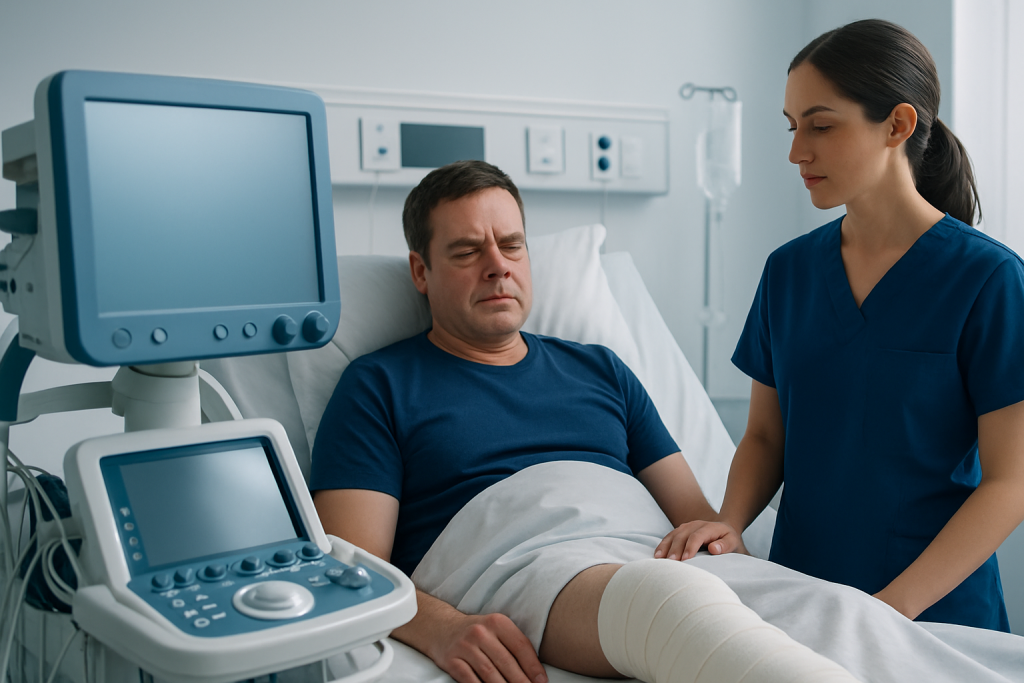
The most common symptoms of a pilon fracture are severe ankle pain, swelling, bruising, and difficulty or inability to bear weight. The ankle and lower leg may look deformed if the fracture is displaced. Some people notice pain not only at the ankle but also slightly above it, where the lower tibia has fractured.
Swelling can develop quickly and may be substantial. This is clinically important because the condition of the skin and soft tissues helps determine when definitive treatment, especially surgery, can be done safely. The skin may appear tense, shiny, or blistered in more serious injuries. An open fracture, where bone communicates with a skin wound, needs urgent medical attention.
Other warning signs can include numbness, tingling, a pale or cool foot, or worsening pain that seems out of proportion. These may suggest pressure, nerve irritation, or blood flow problems and should be assessed promptly. Some patients also have other injuries at the same time, especially after high-energy trauma.
- Deep ankle pain after a fall, collision, or twisting injury
- Rapid swelling and bruising around the ankle and lower leg
- Inability to stand or walk normally
- Visible deformity or instability
- Skin wounds, blistering, or exposed bone in severe cases
Causes and Risk Factors

Pilon fractures most often occur when a strong force drives the talus, the ankle bone, upward into the tibia. This can happen in falls from height, workplace accidents, sports trauma, or road traffic collisions. In these situations, the ankle joint is compressed, and the lower tibia may split, collapse, or shatter.
Not all pilon fractures come from very high-energy events. In some people, especially older adults or those with reduced bone strength, a lower-energy mechanism such as a misstep or twist can produce a similar injury. Bone health, age, and general frailty may influence how likely a fracture is and how recovery proceeds.
Risk factors for a more complicated course include smoking, diabetes, poor circulation, and significant soft-tissue injury around the ankle. These factors can affect wound healing and the timing of surgery. Conditions that weaken bone can also increase fracture risk or make fixation more challenging. Because the injury involves the joint surface, patients may later develop arthritis in the ankle even after well-planned treatment.
How Doctors Diagnose a Pilon Fracture
Diagnosis begins with a medical history and physical examination. The doctor will ask how the injury happened, where the pain is, and whether the person can bear weight. Examination focuses on swelling, skin condition, deformity, tenderness, nerve sensation, and blood flow to the foot. The soft tissues are assessed very carefully because treatment decisions often depend on them.
X-rays are the first imaging test and usually confirm the fracture. They help show alignment, whether the fibula is also broken, and how much the ankle joint is involved. However, X-rays may not fully show the pattern of fragments in a complex pilon fracture.
For that reason, CT scanning is commonly used once the limb is stabilized. CT provides a more detailed map of the fracture and helps orthopedic surgeons plan treatment, especially if orthopedic surgery is being considered. If there is concern about associated injuries, open wounds, or severe soft-tissue damage, additional emergency assessment may be needed.
Treatment Options
Early treatment usually focuses on protecting the injured area and reducing further damage. This may include splinting, elevation, ice as advised by the care team, pain control, and avoiding weight-bearing. If the fracture is open or badly displaced, urgent hospital care is needed. In many cases, swelling is too significant for immediate definitive surgery, so treatment is planned in stages.
A common staged approach starts with temporary stabilization, sometimes using an external fixator to hold the ankle in better alignment while the soft tissues recover. Once swelling improves and the skin condition is safer, definitive repair may be performed. The final treatment depends on fracture pattern, soft-tissue condition, age, activity level, and overall health.
Some less displaced fractures can be managed without surgery using immobilization and close follow-up. More complex or unstable fractures often need operative treatment to restore alignment and joint surface as accurately as possible. This may include plates and screws placed during fracture surgery. In selected cases with severe joint damage, other strategies may be considered by the orthopedic team.
Treatment usually extends beyond the operation itself. Follow-up imaging, wound monitoring, protection from weight-bearing for a period recommended by the surgeon, and structured physical therapy and rehabilitation all play important roles. The aim is to support healing, gradually restore motion, and help the patient return to daily activities as safely as possible.
Recovery, Rehabilitation, and Possible Complications
Recovery from a pilon fracture is often gradual. Even when bone healing progresses well, the ankle can remain stiff, weak, or swollen for some time. Rehabilitation typically focuses on restoring range of motion, rebuilding strength, improving balance, and progressing safely toward walking and everyday function. The timeline varies widely depending on injury severity, treatment method, and individual healing.
Patients are often advised to avoid full weight-bearing for a period determined by their surgeon. Returning too quickly can interfere with healing or affect alignment. A rehabilitation plan may also include gait training, swelling management, and support with footwear or bracing if needed. It is normal for recovery to take months rather than weeks.
Complications can occur despite appropriate care. These may include wound problems, infection, delayed bone healing, nonunion, malunion, stiffness, chronic pain, and post-traumatic ankle arthritis. The risk can be higher in high-energy injuries or when the soft tissues were badly damaged. Ongoing follow-up helps the care team identify concerns early and adjust treatment if needed.
At centers with multidisciplinary orthopedic, imaging, and rehabilitation services, coordinated care can help guide treatment and recovery. Acibadem International’s JCI-accredited hospitals care for international patients with complex bone and joint injuries when specialist assessment is needed.
Prevention and Self-care After Injury
Not every pilon fracture can be prevented, especially those caused by accidents. Still, practical safety steps may reduce risk. These include using proper protective equipment during work and sports, following fall-prevention measures, using ladders carefully, and wearing supportive footwear appropriate to the activity.
Bone health also matters. Adequate calcium and vitamin D intake, regular weight-bearing exercise when medically appropriate, and evaluation of osteoporosis risk can support stronger bones over time. Avoiding smoking may benefit both bone strength and healing capacity if an injury occurs.
After a diagnosed fracture, self-care should follow the treating team’s advice closely. This commonly means keeping the limb elevated, protecting the splint or cast, not putting weight on the ankle unless instructed, and attending follow-up appointments. Patients should not try to “walk it off” or restart activities early, because this can worsen the injury or slow recovery.
When to Seek Medical Care
Anyone with severe ankle pain, rapid swelling, visible deformity, or inability to bear weight after an injury should seek medical assessment promptly. A pilon fracture can look like a severe ankle sprain at first, but because it affects the joint surface and may be associated with significant soft-tissue damage, professional evaluation is important.
Emergency care is especially important if there is an open wound, bleeding, exposed bone, numbness, a pale or cold foot, or severe pain that is worsening. These signs may point to a more urgent problem involving the skin, nerves, circulation, or pressure within the injured tissues.
Patients already diagnosed with a pilon fracture should contact their doctor if they develop fever, increasing redness, drainage, uncontrolled pain, new numbness, or cast or splint problems. Early reassessment can help prevent complications and keep recovery on track.
Frequently asked questions
Is a pilon fracture the same as a regular ankle fracture?
Not exactly. A pilon fracture specifically involves the lower tibia at the ankle joint surface, while the term ankle fracture can include several different bones and patterns. Because a pilon fracture affects the weight-bearing joint surface, it is often more complex than a simple ankle fracture.
Does a pilon fracture always need surgery?
No. Some fractures that are less displaced and more stable may be treated without surgery, but many pilon fractures do require operative management. The decision depends on joint involvement, alignment, soft-tissue swelling, overall health, and the goals of treatment.
How long does pilon fracture recovery take?
Recovery often takes several months and can be longer for more severe injuries. Bone healing, swelling, ankle stiffness, and rehabilitation progress all affect the timeline. Many people improve steadily over time, but full recovery can require patience and regular follow-up.
Can a pilon fracture cause arthritis later on?
Yes, it can. Because the injury affects the ankle joint surface and cartilage, some patients develop post-traumatic arthritis over time. Careful treatment may reduce this risk, but it cannot always be completely prevented.
What should someone do immediately after a suspected pilon fracture?
The ankle should be protected and kept still, and the person should avoid putting weight on it. Prompt medical evaluation is important, especially if there is marked swelling, deformity, or an open wound. Emergency care is needed if the foot becomes numb, pale, or cold.
Will walking return to normal after a pilon fracture?
Many patients regain useful walking ability, but recovery varies. Some people have lingering stiffness, swelling, or discomfort, especially after severe injuries. Rehabilitation and long-term follow-up can help maximize function and address persistent symptoms.
This article is for general information only and is not a substitute for professional medical advice. Please consult a qualified doctor about your individual situation.
Joint and spine care in Turkey — expert assessment & treatment
JCI-accredited · board-certified surgeons · reply within 24h
Add us as a Preferred Source to see more of our trusted health content across Google Search, AI Overviews and Discover.

More from the Health Library

Valsartan: An Evidence-Based Guide for Patients

Descending Colon — Explained by Medical Evidence, Not Myths

Obinutuzumab: A Complete Medical Overview

Sesame Oil — Explained by Medical Evidence, Not Myths

Ground Cumin: An Evidence-Based Guide for Patients

Infected Gums: An Evidence-Based Guide for Patients
Physical Medicine & Rehabilitation Specialists at Acibadem

Dr. Burak Boynuk
Orthopedic Surgery & Traumatology
Assoc. Prof. Dr. Burak Özturan
Orthopedic Surgery & Traumatology
Burcu Kocabey
Physical Medicine & Rehabilitation
Fzt. Busenur Sezer
Physical Medicine & Rehabilitation