Caffeine Overdose: An Evidence-Based Guide for Patients

Caffeine overdose can affect the brain, heart, stomach, and muscles. Symptoms may start with jitteriness, anxiety, nausea, and a rapid heartbeat.
Key Takeaways
- Caffeine overdose can affect the brain, heart, stomach, and muscles.
- Symptoms may start with jitteriness, anxiety, nausea, and a rapid heartbeat.
- Risk is higher with caffeine powders, pills, energy products, and mixing caffeine from several sources.
- Severe symptoms such as chest pain, seizures, confusion, or fainting need urgent medical attention.
- Treatment depends on the amount taken, symptoms, timing, and a person's overall health.
Caffeine overdose happens when a person takes in more caffeine than the body can safely handle, often from energy drinks, coffee, supplements, or medications. It can cause symptoms ranging from shakiness and nausea to dangerous heart rhythm problems or seizures, so prompt assessment is important when symptoms are severe or escalating.
Overview
Caffeine overdose means the body has been exposed to more caffeine than it can process safely. In mild cases, this may cause restlessness, trouble sleeping, tremor, stomach upset, or a racing heart. In more serious cases, caffeine can disturb the heart rhythm, trigger severe vomiting, cause marked agitation, or lead to seizures.
Caffeine is a stimulant found not only in coffee and tea, but also in energy drinks, soft drinks, pre-workout products, tablets, and some headache or cold medicines. Because many products are used together, a person may not realize how quickly the total amount adds up. Concentrated powders and high-dose supplements can be especially risky.
The effects of caffeine overdose vary from person to person. Age, body size, usual caffeine intake, liver function, pregnancy, certain medical conditions, and use of other medicines can all change how strongly caffeine affects the body. A smaller amount may cause prominent symptoms in one person while another may tolerate more.
How Caffeine Overdose Affects the Body
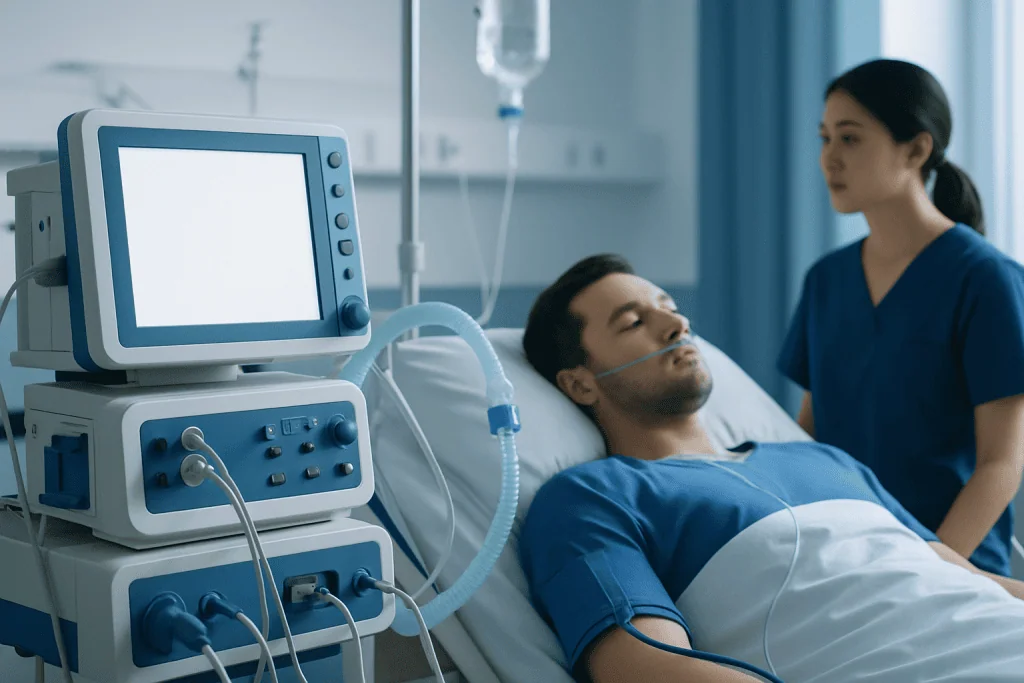
Caffeine stimulates the central nervous system. In modest amounts, this can increase alertness and reduce fatigue. In excessive amounts, the same stimulant effect can become harmful, leading to anxiety, panic-like feelings, tremor, insomnia, and sometimes confusion or severe agitation.
Caffeine also increases stress hormone activity and can affect the cardiovascular system. This may cause palpitations, a fast pulse, elevated blood pressure, or in some situations dangerous rhythm disturbances. People with underlying heart conditions may be more vulnerable, including those with heart rhythm disorders.
The digestive system is commonly affected as well. Excess caffeine can irritate the stomach and intestines, causing nausea, abdominal discomfort, vomiting, or diarrhea. It may also increase urination, which can contribute to dehydration, especially if symptoms include repeated vomiting or if large amounts of caffeinated beverages were taken during exercise or hot weather.
In significant overdose, caffeine can affect muscles and metabolism. Severe toxicity may lead to muscle breakdown, low potassium, high blood sugar, or acid-base changes that require hospital treatment. This is one reason why symptoms should be assessed in context rather than judged only by how much coffee someone has had.
Symptoms of Caffeine Overdose
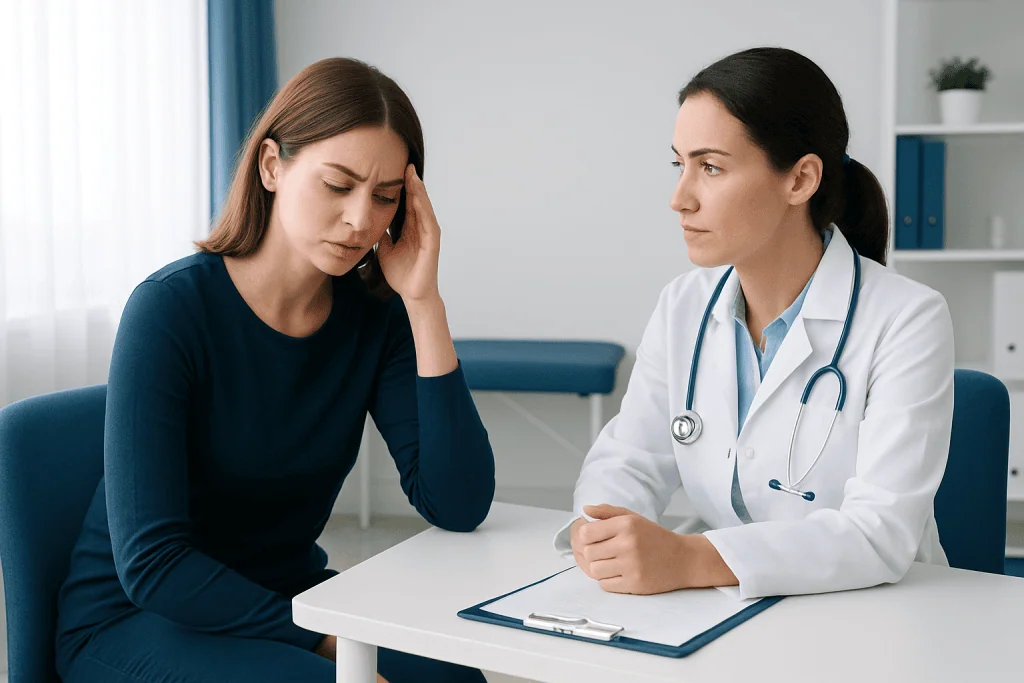
Symptoms often begin within a few hours of taking too much caffeine, although timing can differ depending on whether the source was a drink, tablet, or concentrated supplement. Early features may seem similar to being “over-caffeinated,” but worsening intensity is an important warning sign.
- Jitteriness, shakiness, or tremor
- Feeling unusually anxious, irritable, or restless
- Rapid heartbeat or palpitations
- Nausea, vomiting, abdominal pain, or diarrhea
- Headache, dizziness, or flushing
- Frequent urination and signs of dehydration
- Difficulty sleeping
More serious symptoms can include chest pain, severe agitation, confusion, fainting, seizures, or shortness of breath. These signs suggest significant toxicity or another urgent problem and should not be managed at home without medical advice. Although caffeine is common, severe reactions are still medical emergencies.
Children may develop symptoms after smaller amounts than adults, and older adults may be more sensitive as well. People can also mistake caffeine overdose for a panic attack because both may involve a racing heart, sweating, trembling, and intense unease. A medical evaluation can help distinguish between them, especially when symptoms are severe or new.
Common Causes and Risk Factors
Caffeine overdose is often caused by taking caffeine from several sources close together. A person might drink coffee in the morning, an energy drink in the afternoon, and then use a workout supplement or a headache medicine containing caffeine. The combined total may be much higher than expected.
High-risk sources include caffeine powders, tablets, “energy shots,” and pre-workout supplements. These products can deliver concentrated amounts quickly, making dosing errors more likely. Products that are not measured carefully or that come in bulk powder form can be especially dangerous.
Certain factors increase the likelihood of stronger effects or complications:
- Low body weight or younger age
- Pregnancy
- Heart disease, high blood pressure, or arrhythmia history
- Anxiety disorders or sensitivity to stimulants
- Liver disease or slower caffeine metabolism
- Use of stimulant medications or certain antibiotics and other drugs that change caffeine breakdown
Accidental overdose can happen, but intentional overuse also occurs when someone uses caffeine to stay awake, improve concentration, or enhance exercise performance. In these situations, symptoms may escalate because the person continues taking more despite early warning signs.
Diagnosis and Medical Evaluation
Diagnosis begins with a careful history. Clinicians ask what products were taken, how much, when they were used, and whether alcohol, other stimulants, supplements, or medications were involved. Because product labels vary and servings may be unclear, bringing containers or photographs of labels can be helpful.
A physical examination focuses on heart rate, blood pressure, temperature, breathing, hydration, and neurological status. An electrocardiogram may be used to check for rhythm changes. Blood tests can help assess electrolytes, kidney function, blood sugar, and other problems that may develop with significant toxicity.
Doctors also consider other causes of similar symptoms, such as anxiety, dehydration, thyroid problems, infection, medication reactions, or illicit stimulants. When chest pain or severe palpitations are present, a clinician may evaluate for cardiology assessment to rule out dangerous heart-related complications.
The goal of evaluation is not only to confirm caffeine overdose, but also to determine how serious it is and what supportive care is needed. Symptoms can change over time, so observation may be appropriate even if the person seems stable at first.
Treatment Options
Treatment depends on how much caffeine was taken, how long ago it was taken, the severity of symptoms, and the person’s overall health. Mild symptoms may improve with stopping caffeine intake, resting, and replacing fluids if the person is not vomiting and has no red-flag symptoms. However, ongoing or worsening symptoms should be assessed by a medical professional.
In an emergency setting, treatment usually focuses on supportive care. This may include monitoring the heart rhythm, giving intravenous fluids, correcting electrolyte disturbances, controlling severe nausea or agitation, and treating abnormal heart rhythms or seizures when they occur. Activated charcoal may be considered in some cases when ingestion was recent and appropriate.
Some people need hospital observation, especially if they have chest pain, significant rhythm changes, persistent vomiting, confusion, or neurological symptoms. Depending on the presentation, clinicians may involve emergency medicine, toxicology, internal medicine, or neurology evaluation if there are seizure-like symptoms or altered consciousness.
Near the end of care, clinicians often review safer caffeine habits and possible contributing factors such as supplements, sleep deprivation, stress, or other medications. At Acibadem International, multidisciplinary specialists in JCI-accredited hospitals diagnose and treat acute stimulant-related problems for international patients when hospital-based care is needed.
Prevention and Safer Self-Care
The best way to prevent caffeine overdose is to know all the sources of caffeine being used in a day. This includes brewed drinks, bottled coffees, energy drinks, chocolate products, workout supplements, and over-the-counter medicines. Reading labels can help, but it is also important to remember that caffeine content may vary by brand and serving size.
Spacing caffeinated products out does not make a very high daily amount harmless, but it may reduce the risk of sudden intense symptoms. People who are sensitive to caffeine, have heart rhythm issues, are pregnant, or take stimulant-like medications should be especially cautious and discuss safe intake with a doctor.
If someone feels over-caffeinated but has only mild symptoms, practical steps include stopping further caffeine, drinking water, avoiding strenuous exercise until symptoms settle, and seeking advice if symptoms are unusual or persistent. It is safer not to “counteract” caffeine with alcohol, sedatives, or additional supplements.
People who frequently rely on caffeine to get through the day may benefit from addressing the underlying reason, such as poor sleep, stress, shift work, or another health problem. Evaluation through a general medical check-up can be useful if fatigue is persistent or if caffeine use has become difficult to control.
When to Seek Medical Care
Medical advice should be sought promptly if symptoms are more than mild, are getting worse, or follow use of a concentrated caffeine product such as tablets, powder, or a pre-workout supplement. The same applies if the amount taken is uncertain or if the person is a child, pregnant, older, or has heart disease or another chronic illness.
Urgent or emergency care is needed for chest pain, severe palpitations, fainting, seizures, marked confusion, trouble breathing, repeated vomiting, or a very agitated state. It is also important to get help if there may have been an intentional overdose or if caffeine was taken with other stimulants, recreational drugs, or medications that can affect the heart.
If available, contacting a local poison center can help guide next steps while arranging care. Anyone who is seriously unwell should not drive themselves. Emergency services are the safest option when symptoms are severe or rapidly changing.
Frequently asked questions
How much caffeine causes an overdose?
There is no single amount that affects everyone the same way. Body size, age, usual caffeine intake, medications, and the source of caffeine all matter. Concentrated powders, tablets, and energy supplements can cause toxicity more easily than a cup of coffee.
Can caffeine overdose be fatal?
In severe cases, yes, caffeine toxicity can be life-threatening because it may cause dangerous heart rhythm problems, seizures, or serious metabolic disturbances. This is uncommon, but it is the reason severe symptoms require urgent medical care.
How long do caffeine overdose symptoms last?
Mild symptoms may improve over several hours after caffeine is stopped, but the timing varies from person to person. More significant symptoms can last longer and may need hospital monitoring, especially if a large amount or a slow-release product was taken.
What should someone do at home after too much caffeine?
They should stop taking any more caffeine and rest. Drinking water may help if they are alert and not vomiting, but home care is not enough for chest pain, fainting, seizures, severe palpitations, repeated vomiting, or worsening symptoms.
Are energy drinks more dangerous than coffee?
They can be, especially when consumed quickly, in large quantities, or alongside other caffeine sources. Some also contain other stimulatory ingredients, which may make symptoms harder to predict. The main issue is the total stimulant load and how fast it is consumed.
Can caffeine overdose feel like anxiety or a panic attack?
Yes. Too much caffeine can cause shakiness, sweating, a racing heart, restlessness, and a sense of panic. Because those symptoms overlap with anxiety and panic attacks, medical assessment may be needed when symptoms are severe, sudden, or unfamiliar.
References
- World Health Organization
- U.S. Food and Drug Administration
- National Capital Poison Center
- MedlinePlus
- Mayo Clinic
This article is for general information only and is not a substitute for professional medical advice. Please consult a qualified doctor about your individual situation.
Persistent digestive symptoms? Get evaluated in Turkey
JCI-accredited · board-certified surgeons · reply within 24h
Add us as a Preferred Source to see more of our trusted health content across Google Search, AI Overviews and Discover.
Check your numbers in seconds
BMI, calories, due date, blood pressure and 30+ more clinical calculators — free, instant, doctor-reviewed ranges.

More from the Health Library
Dental Sedation: A Complete Medical Overview

Blunt: A Complete Medical Overview

Airsupra Inhaler Cost: An Evidence-Based Guide for Patients
Promacta — Explained by Medical Evidence, Not Myths

Yoga Aerial Yoga: A Complete Medical Overview