Asymmetric Asymmetrical: A Complete Medical Overview

Asymmetric asymmetrical means one side is different from the other in size, shape, position, or function. Mild asymmetry is common in the face, breasts, limbs, and internal organs and is often harmless.
Key Takeaways
- Asymmetric asymmetrical means one side is different from the other in size, shape, position, or function.
- Mild asymmetry is common in the face, breasts, limbs, and internal organs and is often harmless.
- Sudden, painful, or progressive asymmetry may signal injury, infection, nerve problems, swelling, or other medical conditions.
- Doctors assess asymmetry by looking at when it started, whether it is changing, and whether other symptoms are present.
- Treatment depends on the cause and may range from reassurance and monitoring to medicines, therapy, or surgery.
Asymmetric asymmetrical describes a body feature, organ, or symptom pattern that is uneven from one side to the other. In many cases this is a normal variation, but new, worsening, or symptom-related asymmetry can sometimes point to an underlying condition that deserves medical evaluation.
Overview: what “asymmetric asymmetrical” means
The term asymmetric asymmetrical is often used when a person notices that one side of the body does not match the other. In medical language, asymmetry simply means a difference between two sides in shape, size, position, movement, or function. It is a descriptive term rather than a diagnosis on its own.
Some degree of asymmetry is part of normal human anatomy. Faces are not perfectly mirrored, breasts are often slightly different in size, and one limb may appear a little stronger or more developed because of hand dominance or daily habits. These differences are usually stable over time and do not cause symptoms.
What matters most is the context. A long-standing, mild difference is often harmless, while a new or changing asymmetry may deserve attention. Doctors look at where the asymmetry is located, when it began, whether it is progressing, and whether it comes with pain, weakness, swelling, numbness, fever, or changes in function.
Because asymmetry can affect many body areas, the medical approach is broad and practical. The goal is to distinguish normal variation from conditions that may involve the nerves, muscles, bones, skin, blood vessels, hormones, or internal organs.
Where asymmetry commonly appears in the body
People most often notice asymmetry in visible areas such as the face, eyes, jaw, shoulders, chest, breasts, abdomen, hips, arms, or legs. For example, one eyelid may sit slightly lower, one shoulder may be higher, or one breast may be somewhat fuller than the other. These can be normal findings, especially if they have been present for many years without change.
Asymmetry can also involve movement or sensation rather than appearance. One hand may feel weaker, one side of the face may move less when smiling, or one leg may seem less stable when walking. Functional differences are often more clinically important than small cosmetic ones because they can suggest a nerve, muscle, or joint problem.
In some situations, asymmetry is detected only through an exam or imaging test. Doctors may describe an organ, gland, or part of the brain, lungs, or abdomen as asymmetric if one side looks enlarged, smaller, shifted, or otherwise different. Imaging may be used to clarify whether that difference is a normal variant or a sign of disease.
It can help to think of asymmetry in three simple groups:
- Normal variation: stable differences that do not cause symptoms.
- Structural asymmetry: differences involving bones, soft tissues, posture, or body shape.
- Symptom-related asymmetry: changes linked to weakness, swelling, pain, numbness, or loss of function.
Common causes and risk factors

There is no single cause of asymmetry. A person may be born with a natural difference in facial features, limb length, or body shape. Growth patterns during childhood and adolescence can also influence symmetry. In adults, aging, muscle use, posture, dental alignment, weight changes, pregnancy, and prior surgeries may contribute to visible differences between sides.
Injuries are another common reason. A fracture, ligament injury, muscle tear, or joint problem can change alignment or cause swelling that makes one side look different. Conditions affecting the spine, such as curvature or rotation, may lead to uneven shoulders or hips. Doctors may evaluate such patterns in relation to scoliosis or other musculoskeletal causes.
Nerve-related conditions can produce asymmetry by affecting movement or facial expression. For example, weakness on one side of the face can occur with facial paralysis, while weakness or numbness in an arm or leg may suggest a neurologic issue that needs timely assessment. Circulation problems, inflammation, and infection can also cause one side to become more swollen, warm, or tender than the other.
Less commonly, asymmetry may relate to a mass, cyst, enlarged gland, hormonal effect, or chronic condition that causes tissue overgrowth or shrinkage on one side. Risk factors depend on the body area involved but may include trauma, congenital differences, poor posture, repetitive strain, nerve injury, infection, prior surgery, and certain chronic diseases.
Symptoms that can help distinguish normal from concerning asymmetry
Not all asymmetry is medically significant. The most reassuring pattern is a mild difference that has been present for a long time, is not getting worse, and does not affect comfort or function. Many people fall into this category and may only need reassurance after an appropriate clinical assessment.
Doctors become more concerned when asymmetry is new, progressive, painful, or associated with other symptoms. Important accompanying symptoms include weakness, drooping, numbness, tingling, limited range of motion, swelling, redness, warmth, a new lump, headaches, trouble speaking, difficulty walking, or changes in vision.
In facial asymmetry, the timing is especially important. A long-standing uneven smile may be normal, but sudden drooping of one side of the face needs prompt evaluation to rule out neurologic causes. In the limbs, one-sided swelling or color change may suggest inflammation, injury, or a vascular problem. In the chest or breasts, a newly noticed shape change, skin change, or lump should be medically reviewed.
Keeping track of changes can be helpful. Patients may notice whether the asymmetry is constant or only appears when tired, smiling, standing, exercising, or after an injury. This timeline often gives doctors useful clues about whether the cause is muscular, skeletal, neurologic, or related to swelling or tissue changes.
How doctors evaluate asymmetry
Medical evaluation begins with a careful history and physical examination. A doctor usually asks when the asymmetry was first noticed, whether it appeared suddenly or gradually, and whether it has changed. They will also ask about pain, weakness, trauma, dental problems, infection, fever, weight change, headaches, or prior surgeries.
The physical exam depends on the body area involved. The clinician may compare both sides for size, shape, muscle strength, reflexes, sensation, posture, joint motion, skin changes, and tenderness. For facial concerns, they may ask the patient to smile, raise the eyebrows, close the eyes tightly, or puff out the cheeks to see how the muscles function.
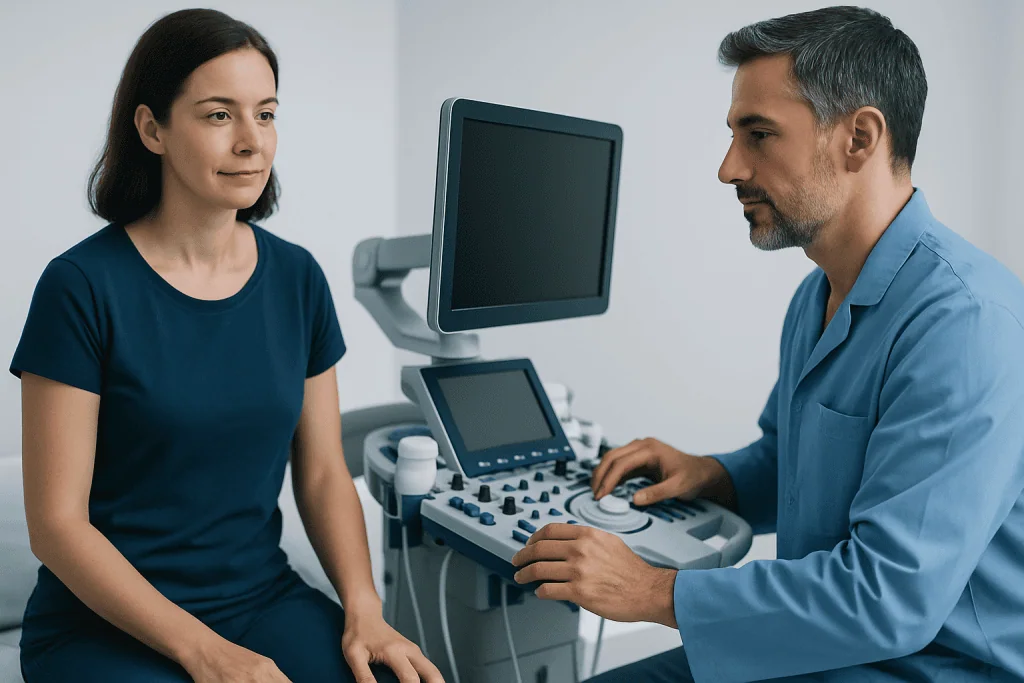
Tests are not always needed, especially when asymmetry is clearly a normal anatomical variation. When more information is required, doctors may order imaging such as X-rays, ultrasound, CT, or MRI. In selected cases, blood tests, nerve studies, dental assessment, or specialist evaluation may be helpful. Imaging services such as MRI can be useful when the concern involves soft tissues, nerves, joints, or internal structures.
The purpose of testing is not simply to confirm that two sides are different, but to identify why they are different. Once the underlying explanation is clear, the next step is deciding whether treatment, monitoring, or reassurance is most appropriate.
Treatment options and self-care
Treatment for asymmetric asymmetrical findings depends entirely on the cause. If the asymmetry is a normal variation and does not affect health or function, no treatment may be needed. In these situations, clear explanation and follow-up if changes occur are often enough.
When asymmetry is caused by injury, inflammation, posture, joint problems, or muscle imbalance, management may include rest, physical therapy, posture correction, supportive devices, or medicines recommended by a doctor. Structured rehabilitation can improve strength, balance, and alignment for some patients, especially when one side is weaker or less mobile.
If the cause is related to a specific medical condition, treatment is directed at that disorder. This may involve antibiotics for infection, neurologic care for nerve-related weakness, orthopedic treatment for structural problems, or surgery for selected cases. Depending on the clinical findings, doctors may recommend targeted evaluation through neurology care or orthopedics and traumatology.
Self-care focuses on monitoring rather than self-diagnosing. It can help to note when the asymmetry began, what makes it more noticeable, and whether any symptoms come with it. Good posture, regular exercise, and avoiding repetitive strain may support musculoskeletal health, but new or unexplained asymmetry should be discussed with a qualified doctor instead of being dismissed or treated at home without guidance.
When to seek medical care
Medical care is advisable if asymmetry is new, getting worse, or causing worry. An assessment is also important when it affects movement, sensation, walking, speech, chewing, breathing, or daily comfort. Even when the cause turns out to be benign, timely evaluation can provide reassurance and prevent delays if treatment is needed.
Urgent medical attention is needed for sudden facial drooping, one-sided weakness, trouble speaking, severe headache, sudden vision changes, chest pain, or rapid swelling of one limb or one side of the body. These symptoms may signal conditions that should be evaluated promptly.
People should also see a doctor for a persistent lump, ongoing pain, skin changes, breast shape changes, unexplained swelling, or asymmetry after an injury that does not improve as expected. Children with progressive asymmetry of the face, spine, limbs, or gait should be medically assessed because growth-related issues may need follow-up over time.
For patients who need further evaluation, multidisciplinary assessment can be helpful when the cause is not immediately clear. Acibadem International’s multidisciplinary specialists and JCI-accredited hospitals diagnose and treat a wide range of conditions linked to asymmetry for international patients.
Frequently asked questions
Is asymmetric asymmetrical always a medical problem?
No. Mild asymmetry is very common in the human body and often reflects normal anatomy rather than disease. It becomes more important to evaluate when it is new, changing, painful, or linked to weakness, swelling, or other symptoms.
What is the difference between normal asymmetry and a concerning one?
Normal asymmetry is usually long-standing, mild, and stable over time. A concerning asymmetry tends to appear suddenly, worsen gradually, or come with signs such as pain, numbness, drooping, a lump, or difficulty using part of the body.
Can facial asymmetry be normal?
Yes. Most faces are not perfectly symmetrical, and small differences in the eyes, cheeks, jaw, or smile are common. Sudden facial asymmetry, however, should be assessed promptly because it can sometimes be related to nerve or neurologic problems.
How do doctors diagnose the cause of asymmetry?
Diagnosis starts with a history and physical exam focused on when the change began and whether other symptoms are present. Depending on the findings, a doctor may recommend imaging, blood tests, nerve studies, or referral to an appropriate specialist.
Can exercise or posture improve asymmetry?
Sometimes. If asymmetry is related to muscle imbalance, posture, or certain joint and spine issues, targeted exercises or physical therapy may help improve alignment and function. Exercise will not correct every cause, so professional guidance is important when the reason is uncertain.
When should asymmetry be treated?
Treatment is considered when the asymmetry is caused by an underlying medical condition, causes symptoms, affects function, or continues to progress. Some cases only need monitoring, while others may need medication, therapy, or a procedure depending on the cause.
References
- World Health Organization
- National Institutes of Health
- MedlinePlus
- American Academy of Orthopaedic Surgeons
- National Institute of Neurological Disorders and Stroke
This article is for general information only and is not a substitute for professional medical advice. Please consult a qualified doctor about your individual situation.
Explore treatments in Turkey — costs, top hospitals & a free quote
JCI-accredited · board-certified surgeons · reply within 24h
Add us as a Preferred Source to see more of our trusted health content across Google Search, AI Overviews and Discover.

More from the Health Library

Thieves Oil: A Complete Medical Overview

Prune Juice — Explained by Medical Evidence, Not Myths

Lump on Shaft of Penus: A Complete Medical Overview

Megalocornea: A Complete Medical Overview

Spoon Shaped Nails: What Patients Need to Know