Butterfly Stitches: What Patients Need to Know
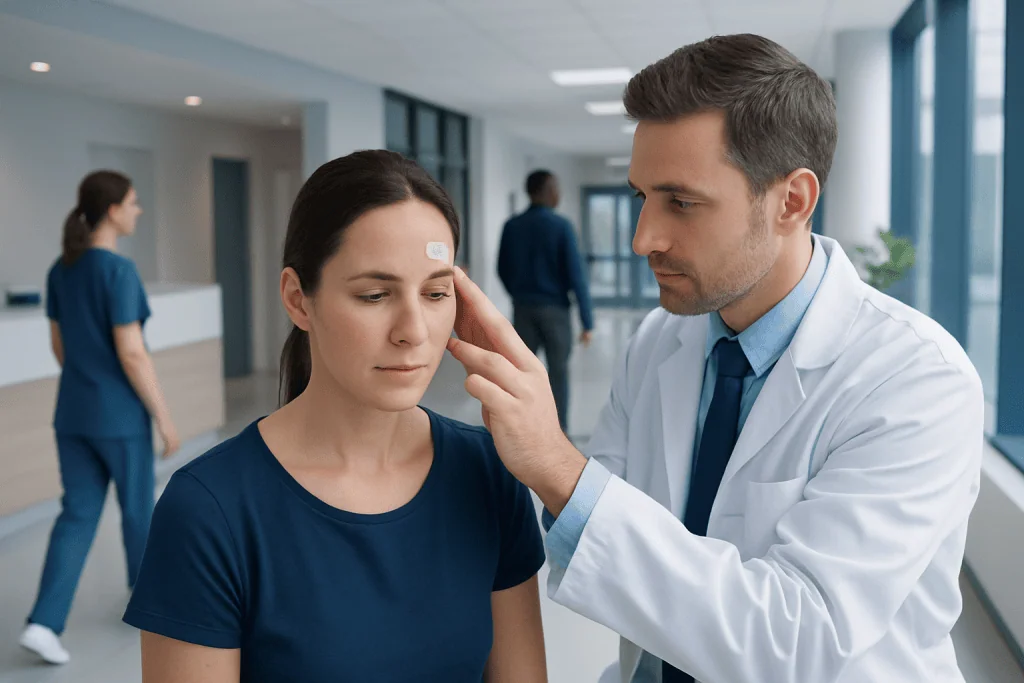
Butterfly stitches are adhesive skin-closure strips, not traditional sewn stitches. They work best for small, clean, shallow cuts with edges that come together easily.
Key Takeaways
- Butterfly stitches are adhesive skin-closure strips, not traditional sewn stitches.
- They work best for small, clean, shallow cuts with edges that come together easily.
- They should not be used on deep wounds, animal bites, infected skin, or cuts that keep bleeding.
- Keeping the area clean, dry, and protected helps the wound heal properly.
- Medical care is important if the wound is large, contaminated, on the face or hands, or may need a tetanus update.
Butterfly stitches are small adhesive strips that help close the edges of a minor cut so it can heal more neatly. They can be useful for some shallow wounds, but deeper, gaping, dirty, or heavily bleeding cuts need medical assessment.
What butterfly stitches are
Butterfly stitches are narrow adhesive strips placed across a cut to gently pull the skin edges together. Although the name includes the word “stitches,” they are not sewn into the skin. They are a simple form of wound closure often used for small cuts, minor surgical incisions, or healing wounds that need a little support.
These strips may also be called butterfly bandages or wound-closure strips. Their purpose is to reduce tension at the skin surface, help protect the area, and support cleaner healing. In the right situation, they can be a practical option at home or in a clinic.
Butterfly stitches are most helpful when a wound is short, shallow, and no longer bleeding heavily. If the skin edges come together easily with light pressure, an adhesive closure may be enough. If they do not line up well, the wound may need a different treatment approach.
When butterfly stitches can help—and when they should not be used

Butterfly stitches can help close simple cuts that are small, straight, and clean. They are often used on areas where the skin is not under a lot of tension, such as a minor cut on the forehead, cheek, forearm, or lower leg. They may also be used after a doctor removes regular stitches, to give the healing skin extra support.
They are not suitable for every wound. Deep cuts, wounds with jagged edges, puncture wounds, animal or human bites, or cuts with visible fat, muscle, or bone need medical assessment. A wound that keeps bleeding despite firm pressure should not be managed only with butterfly stitches.
There are also body areas where adhesive strips may not hold well, such as over joints, the palms, very oily skin, or places with a lot of movement, moisture, or hair. In these cases, the closure can loosen early and the wound may reopen.
- Best for: small, shallow, clean cuts with edges that meet easily
- Use caution on: areas that bend a lot, sweat a lot, or have dense hair
- Do not use for: deep wounds, bites, contaminated cuts, or active heavy bleeding
How butterfly stitches are applied
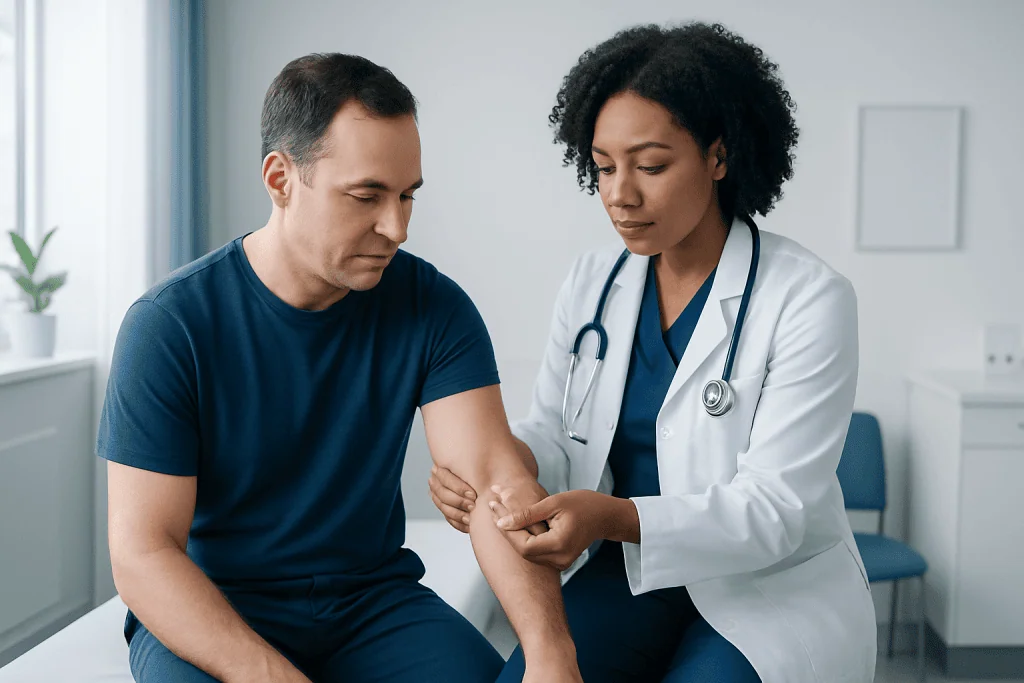
Before placing butterfly stitches, the wound should be checked carefully. Hands should be washed, and the cut should be rinsed gently with clean water to remove visible dirt. The skin around the wound should be dried well, because adhesive strips stick best to clean, dry skin.
To apply them, the skin edges are gently brought together, and each strip is placed across the cut at a right angle. The strip should pull the skin together without making it pucker too tightly. Several strips may be used, spaced a small distance apart, depending on the length of the wound.
It is important not to place the adhesive strips lengthwise along the cut as the main closure, because they are meant to bridge the wound from side to side. If the wound is near the eye, on the lips, or on another delicate area, professional care is the safer choice.
If a cut appears to need more secure closure, clinicians may consider alternatives such as sutures, staples, or medical skin glue. In selected cases, a doctor may use advanced wound care techniques to support healing and reduce complications.
Caring for a wound closed with butterfly stitches
After application, the wound should be kept clean and mostly dry. A brief shower is often possible after the first day if advised by a healthcare professional, but soaking the area in a bath, pool, or hot tub can loosen the adhesive. Pat the area dry rather than rubbing it.
The strips should usually be left in place until they begin to curl and fall off on their own. Pulling them off too early can reopen the wound. If the edges separate after a strip comes loose, the wound should be reassessed rather than simply covered again without checking it.
A light protective dressing may be used if the area is likely to rub against clothing or become dirty. Signs of normal healing include mild tenderness, slight redness at the edges, and gradual sealing of the skin. Increasing pain, swelling, pus, bad odor, or spreading redness may suggest infection and should be evaluated.
- Keep the area clean and dry
- Do not scratch, pick, or pull the strips off
- Avoid stretching the skin around the wound
- Watch for signs that the wound is reopening or becoming infected
Possible benefits, limits, and healing expectations
One advantage of butterfly stitches is that they are simple and noninvasive. They do not puncture the skin, so placement is usually quick and does not require needles. For the right type of wound, they can support healing with less discomfort than traditional stitches.
They also have limits. Adhesive strips are not as strong as sutures for wounds under tension. If used on the wrong injury, they may fail to keep the wound closed, which can increase the chance of delayed healing or a more visible scar.
Healing time depends on the size and location of the cut, a person’s age, circulation, and overall health. Conditions such as diabetes, poor nutrition, smoking, or certain medications can slow wound healing. If there is concern about poor healing or infection, doctors may evaluate for related skin or soft tissue problems, including skin infections.
Scarring is never completely preventable, but proper wound care can help. Once the skin has closed, protecting the area from sun exposure and avoiding repeated stretching may improve the appearance of the scar over time.
When to seek medical care
Medical care is important if a cut is deep, wide, contaminated, or still bleeding after several minutes of firm pressure. A wound on the face, eyelid, lips, hands, genitals, or over a joint often deserves professional assessment because function and cosmetic healing matter more in these areas.
Urgent evaluation is also recommended if there is loss of feeling, trouble moving a finger or limb, a foreign object in the wound, or concern that a tendon or nerve may be injured. Cuts caused by glass, rusty metal, bites, or dirty objects may require cleaning, imaging, antibiotics in selected cases, or a tetanus update.
People with diabetes, circulation problems, immune suppression, or poor wound healing should have lower-threshold medical review for even minor cuts. If redness spreads, fever develops, or the wound begins to drain pus, clinicians may consider whether wound infection is developing and whether more active treatment is needed.
How doctors diagnose and treat wounds that need more than butterfly stitches
When a patient is seen for a cut, the doctor examines the depth, length, location, contamination level, and how long ago the injury happened. They also check whether tendons, nerves, blood vessels, or nearby structures may be involved. This helps determine whether adhesive strips are enough or whether another closure method is safer.
Treatment options may include careful wound cleaning, removal of debris, skin glue, sutures, staples, or delayed closure for contaminated wounds. In some situations, imaging is needed to look for a foreign body or a deeper injury. The doctor may also assess tetanus protection and recommend an update if needed.
If the wound is complex, difficult to heal, or in a cosmetically sensitive area, referral may be appropriate. For injuries affecting the hand, joint movement, or nearby deeper tissues, specialists may coordinate care with services such as plastic and reconstructive surgery or emergency medicine.
For international patients who need wound evaluation or follow-up care, Acibadem International’s multidisciplinary specialists and JCI-accredited hospitals provide diagnosis and treatment based on the wound’s location, severity, and healing needs.
Frequently asked questions
Are butterfly stitches the same as regular stitches?
No. Butterfly stitches are adhesive strips placed on top of the skin, while regular stitches are sutures placed through the skin with a needle. Both aim to hold wound edges together, but they are used for different types of cuts.
How long should butterfly stitches stay on?
They are usually left in place until they loosen and fall off on their own. This often takes several days, but the exact timing depends on the wound and the location. A healthcare professional may give different instructions based on the injury.
Can a person shower with butterfly stitches?
Usually yes, but the area should be kept as dry as possible and not soaked. Gentle brief washing may be acceptable after the first day if advised, and the area should be patted dry. Baths, swimming pools, and hot tubs can loosen the strips too early.
Do butterfly stitches reduce scarring?
They can help a suitable wound heal with the edges better aligned, which may improve the final appearance. However, scarring depends on many factors, including wound depth, location, skin tension, infection, and individual healing. Good wound care is just as important as the closure method.
Can butterfly stitches be used on children?
Yes, they are often used for minor cuts in children because they are quick and do not involve needles. Still, a child’s wound should be medically assessed if it is deep, dirty, on the face, or continues to bleed. An adult should also make sure the strips stay dry and in place.
What should be done if butterfly stitches come off too early?
The wound should be checked to see whether the skin edges are still closed. If the cut has reopened, is bleeding, or looks deeper than expected, it should be evaluated by a healthcare professional. Reapplying strips without assessing the wound may not be enough.
This article is for general information only and is not a substitute for professional medical advice. Please consult a qualified doctor about your individual situation.
Explore treatments in Turkey — costs, top hospitals & a free quote
JCI-accredited · board-certified surgeons · reply within 24h
Add us as a Preferred Source to see more of our trusted health content across Google Search, AI Overviews and Discover.

More from the Health Library

Quinoa: An Evidence-Based Guide for Patients

Kirkland Minoxidil: What Patients Need to Know

Stridor: An Evidence-Based Guide for Patients

Parosmia — Explained by Medical Evidence, Not Myths

High Fiber Snacks — Explained by Medical Evidence, Not Myths