Breasts and Pus: What Patients Need to Know

Pus from the breast often suggests infection, inflammation, or an abscess rather than normal nipple discharge. Breastfeeding can increase the risk of blocked ducts and mastitis, but non-breastfeeding adults can also develop breast infections.
Key Takeaways
- Pus from the breast often suggests infection, inflammation, or an abscess rather than normal nipple discharge.
- Breastfeeding can increase the risk of blocked ducts and mastitis, but non-breastfeeding adults can also develop breast infections.
- Warning signs include redness, warmth, tenderness, swelling, fever, and a painful lump.
- Diagnosis may involve a physical exam, ultrasound, and testing of any fluid or discharge.
- Treatment depends on the cause and may include antibiotics, drainage, wound care, and follow-up imaging.
- Prompt medical care helps prevent complications and supports faster recovery.
Boobs and pus usually refers to pus coming from the breast skin, nipple, or an inflamed lump, most often because of infection or a breast abscess. While many causes are treatable, pus is not considered normal and should be assessed by a qualified doctor, especially if there is pain, redness, swelling, fever, or a new breast lump.
Overview: What does 'boobs and pus' usually mean?
The phrase “boobs and pus” commonly refers to pus draining from the breast, nipple, or nearby skin. In medical terms, this is most often linked to a bacterial infection, a blocked milk duct that has become inflamed, or a collection of infected fluid called a breast abscess. Pus is different from milky, clear, or hormonal nipple discharge because it is usually thicker and may look yellow, green, white, or blood-streaked.
This symptom can affect breastfeeding and non-breastfeeding adults. In someone who is lactating, it may develop after a blocked duct or mastitis that does not fully settle. In someone who is not breastfeeding, it may be related to skin infection, an inflamed cyst, smoking-related duct problems, nipple piercing, or less commonly an underlying breast condition that needs further evaluation.
Although the symptom can be upsetting, many causes are treatable. The key point is that pus is not considered a normal breast discharge. A timely medical assessment can identify the cause, relieve symptoms, and reduce the risk of the infection spreading or forming a deeper abscess.
How to recognize the signs and symptoms
Pus may come directly from the nipple or from a sore, crack, piercing site, or opening in the skin over the breast. Some people notice staining on a bra or clothing first. Others feel a tender area or lump before any drainage appears. The color can vary, but pus is usually cloudy, thick, and unlike normal milk.
Symptoms often depend on whether the problem is a superficial skin infection, an infected duct, or a deeper breast abscess. Common symptoms include pain, warmth, swelling, redness, and tenderness in one part of the breast. The skin may look shiny or tight, and the affected area can become increasingly uncomfortable over a few days.
- A painful or throbbing breast lump
- Red or hot skin over part of the breast
- Thick discharge that looks yellow, white, green, or foul-smelling
- Fever, chills, body aches, or feeling generally unwell
- Cracked nipples during breastfeeding
- Swollen lymph nodes in the armpit
Not all nipple discharge is pus. Clear, milky, or bloody discharge may have different causes and also deserves medical review, especially when it affects only one breast or comes from a single duct. When a painful lump and fever occur together, doctors often consider infection and may look for a breast abscess.
Why pus can develop in the breast

The most common reason for pus is infection. Bacteria can enter through cracked skin, a nipple fissure, an eczema flare, or a piercing site. In breastfeeding, milk stasis from a blocked duct can create an environment where bacteria multiply more easily. This can lead to inflammation first and then a localized pocket of pus if the infection progresses.
In non-breastfeeding adults, breast infections may start in the skin, in the ducts behind the nipple, or in a cyst. Periductal inflammation can cause painful discharge and recurrent infection around the nipple area. A boil, sebaceous cyst, or infected hair follicle on the breast skin may also drain pus and sometimes be mistaken for nipple discharge.
Risk factors include smoking, diabetes, obesity, immune suppression, poor nipple or skin healing, and recent trauma. Nipple piercing can increase infection risk, particularly if there is prolonged irritation or incomplete healing. Repeated episodes should be assessed carefully because they can signal an ongoing duct problem or another underlying breast condition.
Rarely, inflammatory or cancer-related breast changes can be confused with infection. That does not mean pus usually indicates cancer; infection remains much more common. Still, when symptoms do not improve as expected, doctors may recommend imaging and specialist review to rule out less common causes, including breast cancer.
How doctors diagnose the cause
Diagnosis usually begins with a discussion of symptoms and a breast examination. The clinician may ask when the discharge started, whether the person is breastfeeding, whether there is fever or pain, and whether symptoms involve one breast or both. They may also ask about recent injury, piercing, smoking, medications, and any past breast problems.
If a lump is present or an abscess is suspected, breast ultrasound is often helpful because it can show whether fluid has collected under the skin. Ultrasound is especially useful when the breast is swollen and painful but the extent of the problem is not clear on examination. If discharge is draining, a sample may be sent for culture to identify bacteria and guide treatment.
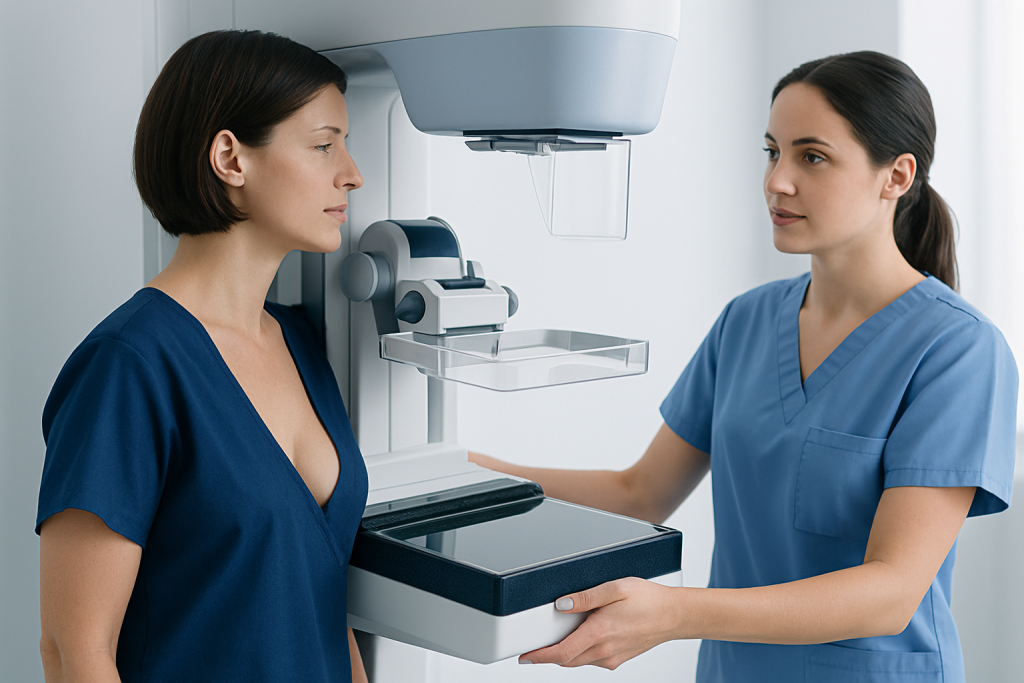
Blood tests are sometimes used if there are signs of more significant infection. In non-breastfeeding adults, or when symptoms persist, doctors may recommend further imaging to make sure another condition is not being missed. A mammogram or additional specialist assessment may be appropriate depending on age, symptoms, and examination findings.
The goal is not only to confirm infection but also to decide whether simple treatment is enough or whether the person needs drainage, imaging follow-up, or referral to a breast specialist. When symptoms are severe or recurrent, patients may benefit from coordinated assessment through breast health services.
Treatment options for breast pus and infection
Treatment depends on the cause, the size of any abscess, and the person’s general health. If there is a bacterial infection, doctors often prescribe antibiotics. Pain relief, rest, hydration, and supportive breast care are also important. During breastfeeding, continuing to empty the breast is often encouraged unless a doctor advises otherwise.
If imaging shows a breast abscess, the trapped infected fluid may need to be drained. This can sometimes be done with a needle guided by ultrasound, while larger or more complicated abscesses may need a small procedure. Drainage is often combined with antibiotics because removing the pus helps treatment work better and may reduce pain more quickly. In selected cases, specialists may discuss breast abscess drainage.
When skin infection, an infected cyst, or recurrent inflammation around the nipple is the problem, wound care and treatment of the underlying issue are important. If discharge is linked to a duct problem rather than a skin infection, further breast evaluation may be needed. Some patients also need review by general surgery or a breast surgeon if the infection recurs, does not respond, or has an unclear cause.
Most people improve with timely care, but follow-up matters. If symptoms continue despite treatment, the diagnosis may need to be revisited. Persistent or unusual nipple discharge, especially if blood-stained, may prompt further tests and in some cases evaluation through breast cancer treatment pathways to rule out more serious conditions.
Self-care, prevention, and what not to do
Self-care can support recovery, but it should not replace medical assessment when pus is present. A warm compress may help relieve discomfort and encourage drainage from a superficial area, but the skin should be handled gently. Keeping the area clean and dry can reduce irritation, especially if there is discharge from the skin or nipple.
For breastfeeding parents, practical steps may include checking latch and feeding position, feeding or pumping regularly to avoid milk stasis, and getting help early if nipples are cracked or painful. A lactation consultant or doctor can help identify problems that raise the risk of blocked ducts and infection. Good hand hygiene before breast care is also helpful.
- Do not squeeze a lump or try to drain pus at home
- Do not stop prescribed antibiotics early unless a doctor advises it
- Avoid tight bras or friction over the painful area
- Seek review if the redness spreads or fever develops
- Ask about smoking cessation support if infections recur around the nipple
Prevention is not always possible, but treating blocked ducts, skin irritation, eczema, or piercing-related inflammation early may lower the risk. People with repeated infections may need an evaluation for underlying conditions such as diabetes or chronic duct inflammation.
When to seek medical care
Medical review is recommended whenever there is pus from the breast or nipple because it usually points to infection or another condition that needs diagnosis. Prompt assessment is especially important if the area is becoming more painful, swollen, or red, or if symptoms are making breastfeeding difficult.
Urgent care is advisable if there is fever, chills, rapidly spreading redness, severe pain, a growing lump, or a person feels faint or generally unwell. These features can suggest a more significant infection or a breast abscess that may need drainage. Babies who are breastfeeding may also be affected if feeding becomes difficult, so support should be arranged early.
Non-breastfeeding adults should also seek care if nipple discharge is persistent, one-sided, foul-smelling, or associated with a new lump or skin changes. Even when the cause turns out to be minor, a proper exam helps avoid delays in treatment. Near the end of the care pathway, patients may be reassured to know that Acibadem International’s multidisciplinary specialists in JCI-accredited hospitals diagnose and treat breast infections and related conditions for international patients.
Frequently asked questions
Is pus from the breast always an infection?
Pus from the breast most often suggests infection or an abscess, but a doctor should confirm the cause. Sometimes an infected skin cyst, duct problem, or inflamed lesion near the nipple can produce similar drainage.
Can breastfeeding cause boobs and pus?
Yes. Breastfeeding can increase the chance of blocked ducts, cracked nipples, mastitis, and sometimes a breast abscess, all of which may lead to pus. Early treatment often helps symptoms improve and supports continued feeding if appropriate.
What does breast pus look like?
Breast pus is usually thick and cloudy rather than clear or watery. It may appear yellow, white, green, or occasionally blood-streaked, and it can have an unpleasant smell if infection is present.
Should someone squeeze the breast to get the pus out?
No. Squeezing or trying to drain a breast lump at home can worsen pain, push infection deeper, or damage the surrounding tissue. Medical drainage, when needed, should be done by trained professionals.
Can a breast abscess go away without treatment?
A small infection may improve with early care, but a true abscess often needs drainage as well as antibiotics. Delaying care can lead to worsening pain, fever, skin breakdown, or a larger collection of pus.
Is pus from one nipple a sign of cancer?
Pus is more commonly linked to infection than cancer. However, one-sided nipple discharge, especially if persistent, bloody, or associated with a lump or skin change, should be assessed so a doctor can rule out more serious causes.
References
- World Health Organization
- Centers for Disease Control and Prevention
- American College of Obstetricians and Gynecologists
- National Health Service
- American Cancer Society
This article is for general information only and is not a substitute for professional medical advice. Please consult a qualified doctor about your individual situation.
Explore treatments in Turkey — costs, top hospitals & a free quote
JCI-accredited · board-certified surgeons · reply within 24h
Add us as a Preferred Source to see more of our trusted health content across Google Search, AI Overviews and Discover.