Homemade Heating Pad — Explained by Medical Evidence, Not Myths

A homemade heating pad may help ease mild muscle pain, stiffness, and cramps by improving comfort and blood flow. Heat should be warm, not hot, and usually used for about 15 to 20 minutes at a time.
Key Takeaways
- A homemade heating pad may help ease mild muscle pain, stiffness, and cramps by improving comfort and blood flow.
- Heat should be warm, not hot, and usually used for about 15 to 20 minutes at a time.
- Heat therapy is not appropriate for every condition, especially new injuries with swelling, numb skin, or suspected infection.
- People with diabetes, poor circulation, or reduced sensation need extra caution because burns may happen without warning.
- Persistent, severe, or unexplained pain should be assessed by a qualified doctor.
A homemade heating pad can provide short-term relief for muscle tension, menstrual cramps, and mild aches when used carefully. Medical evidence supports heat therapy for certain types of pain, but safety matters because excessive heat can cause burns and some symptoms need medical evaluation instead of home care.
What a Homemade Heating Pad Can and Cannot Do
A homemade heating pad can be a reasonable short-term comfort measure for some common symptoms, especially muscle tightness, menstrual cramps, and ongoing stiffness. Medical evidence supports heat therapy as a way to relax muscles, increase local blood flow, and reduce the feeling of pain in certain situations. It is best understood as symptom relief rather than a treatment for the underlying cause.
This distinction matters. If pain comes from simple overuse, prolonged sitting, or a cramp, warmth may help the body relax and recover. If pain is caused by a fracture, serious infection, nerve compression, severe inflammation, or a rapidly worsening condition, a homemade heating pad will not fix the problem and could sometimes delay proper care.
Compared with many online tips, the evidence-based view is straightforward: heat is useful when chosen for the right symptom, the right timing, and the right duration. It should feel soothing, never intense. Safe use also depends on the person using it, because age, skin sensitivity, nerve problems, and medical conditions can change the risk of burns.
How Heat Therapy Works
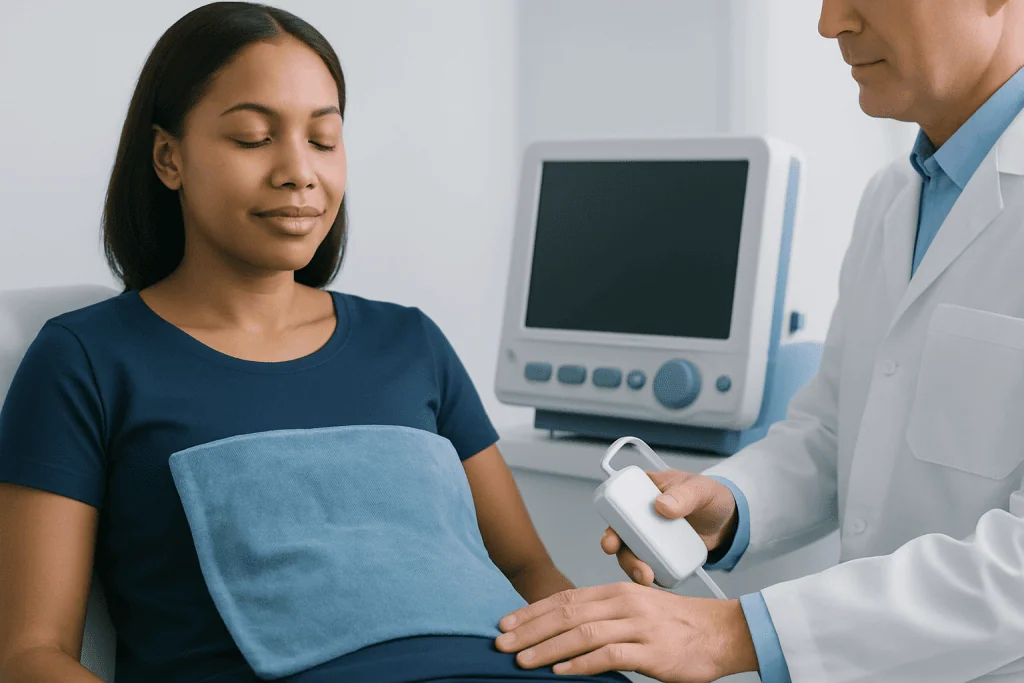
Heat therapy works mainly by warming tissues near the surface of the body. This can encourage blood vessels to widen, improve circulation in the area, and reduce the sense of stiffness. Many people also find that heat decreases muscle guarding, which is the natural tightening that occurs around a painful area.
For chronic or recurrent discomfort, this effect can be useful. Heat is often more helpful than cold when the main problem is tightness, spasm, or morning stiffness rather than fresh swelling. For example, warmth may help before gentle stretching for a tense neck or lower back. It can also be comforting for period cramps because warmth may reduce uterine muscle spasm and make pain easier to tolerate.
Heat does not need to be extreme to work. Mild to moderate warmth is usually enough. Very high temperatures do not provide extra benefit and instead raise the risk of skin injury. This is why a simple warm compress can be as appropriate as an electric device when used correctly.
When a Homemade Heating Pad May Help

A homemade heating pad may be helpful for symptoms that are muscular, cramp-like, or related to stiffness. Common examples include a sore neck after poor posture, back tightness after activity, menstrual cramps, and lingering muscle discomfort after exercise once the initial acute phase has passed. In some people, it may also help with joint stiffness linked to chronic conditions, although the cause of joint pain should still be clarified if symptoms are frequent.
Warmth is often used as part of a broader self-care plan rather than by itself. Rest, hydration, gentle movement, posture changes, and stretching can all matter. If back or neck symptoms happen repeatedly, it may be useful to discuss them with a specialist because persistent pain can sometimes relate to strain patterns or underlying disc problems.
Heat is generally a better fit for:
- Muscle tension or spasm
- Ongoing stiffness rather than fresh injury
- Menstrual cramps
- Mild chronic aches that improve with movement
- Comfort before gentle stretching or mobility exercises
People who have recurring pain that affects sleep, work, or daily activity may benefit from medical guidance and structured care such as physical therapy and rehabilitation when appropriate.
When Heat Is Not the Right Choice
Heat is not ideal for every type of pain. For a new injury with visible swelling, bruising, or warmth already present, cold is often preferred at first because fresh inflammation may worsen with additional heat. In general, a homemade heating pad should be avoided on an acute injury during the first day or two unless a clinician advises otherwise.
Heat should also not be applied over broken skin, active bleeding, a suspected skin infection, or an area that is red and rapidly becoming more painful. It should be used very cautiously or avoided in people who may not feel temperature normally, including some people with diabetes, nerve damage, paralysis, or poor circulation. The same caution applies to infants, very young children, older adults with fragile skin, and anyone who may fall asleep during use.
Some pain patterns need assessment instead of home treatment. Examples include severe back pain with leg weakness, numbness, bowel or bladder changes, chest pain, abdominal pain with fever, or pain after a major fall. Conditions involving sciatica or significant nerve irritation may not improve with heat alone and can require medical examination to identify the source.
How to Use a Homemade Heating Pad Safely
The safest homemade heating pad is one that provides gentle, controllable warmth. Common versions include a clean cloth dampened with warm water and placed in a sealed bag or wrapped around a warm, not hot, container. Some people use microwaved grain or rice packs, but these can heat unevenly and may become much hotter than expected, especially in spots that are hard to detect before they touch the skin.
For safety, the heating pad should always have a cloth barrier between it and bare skin. A session should usually last about 15 to 20 minutes, followed by a break to let the skin return to normal temperature. The skin should be checked regularly for redness, irritation, or discomfort. If the area feels too hot, the pad should be removed immediately.
Basic safety principles include:
- Use warm, never scalding, heat
- Place a towel or fabric layer between the pad and skin
- Do not lie on top of the heating pad
- Do not use it while sleeping
- Limit use to short sessions
- Stop if skin becomes very red, painful, or itchy
If pain is frequent or linked to poor mobility, a clinician may recommend supervised options such as pain management or tailored exercises instead of repeated self-treatment alone.
Common Myths About Homemade Heating Pads
One common myth is that hotter is better. In reality, very high heat increases the chance of burns without clearly improving pain relief. Gentle warmth is usually enough to produce the desired effect on comfort and muscle relaxation.
Another myth is that heat always works for back pain. Back pain has many causes, ranging from muscle strain to joint irritation to nerve compression. Heat may ease symptoms when muscles are tight, but it does not diagnose the problem. If symptoms continue, spread down the leg, or return often, proper evaluation is more useful than applying more heat.
A third myth is that natural or homemade methods are automatically safe. They can be safe, but only when used with the same caution that would be used for a commercial product. Uneven heating, overheated contents, steam burns, and prolonged skin contact are all possible. Medical evidence supports heat therapy in selected situations, but it does not support careless use.
It is also a misconception that home heat can replace treatment. For people with longstanding neck, back, or joint symptoms, rehabilitation, posture changes, exercise, and in some cases orthopedic rehabilitation may be more important for long-term improvement than temporary warming alone.
When to Seek Medical Care
Medical care is appropriate when pain is severe, persistent, unexplained, or associated with warning signs. A homemade heating pad is for comfort, not for ruling out serious illness. If a symptom is new and intense, especially after trauma, it deserves careful assessment.
A doctor should be consulted if pain lasts more than a few days without improvement, keeps returning, interferes with sleep or walking, or is accompanied by weakness, numbness, fever, swelling, rash, or unexplained weight loss. Urgent care is especially important for chest pain, shortness of breath, sudden severe headache, or back pain with bowel or bladder changes.
If a burn develops from any heating method, the heat source should be removed and the area should be cooled gently with running water, not ice. Blistering, worsening redness, severe pain, or signs of infection should be examined by a healthcare professional. Near the end of a patient’s care journey, a center such as Acibadem International may support diagnosis and treatment through multidisciplinary specialists and JCI-accredited hospitals for international patients.
Frequently asked questions
Is a homemade heating pad safe?
A homemade heating pad can be safe when it provides gentle warmth and is used for short periods with a fabric barrier against the skin. It becomes less safe when it is overheated, left on too long, or used by someone with poor sensation or circulation.
How long should a homemade heating pad be used?
A common safe approach is about 15 to 20 minutes at a time, followed by a break. The skin should be checked regularly, and use should stop if the area becomes too red, painful, or irritated.
Can heat make pain worse?
Yes, in some situations heat can worsen symptoms, especially with a new injury that is swollen or inflamed. It may also aggravate symptoms if applied over an infection, irritated skin, or an area with already increased warmth.
Is heat better than ice for muscle pain?
It depends on the timing and type of pain. Heat is often better for stiffness, tightness, or cramps, while ice is often preferred soon after a new injury with swelling or bruising.
Can a homemade heating pad help period cramps?
Yes, gentle warmth can help many people with menstrual cramps by relaxing muscles and improving comfort. However, severe pelvic pain, very heavy bleeding, or symptoms that are new or worsening should be evaluated by a doctor.
Who should avoid using a homemade heating pad?
People with reduced skin sensation, diabetes-related nerve problems, poor circulation, open wounds, or skin infections should be especially cautious or avoid heat unless a clinician advises it. Young children, frail older adults, and anyone likely to fall asleep during use also need extra care.
References
- World Health Organization
- National Institute of Neurological Disorders and Stroke
- American Academy of Orthopaedic Surgeons
- National Institute of Arthritis and Musculoskeletal and Skin Diseases
- Mayo Clinic
This article is for general information only and is not a substitute for professional medical advice. Please consult a qualified doctor about your individual situation.
Explore treatments in Turkey — costs, top hospitals & a free quote
JCI-accredited · board-certified surgeons · reply within 24h
Add us as a Preferred Source to see more of our trusted health content across Google Search, AI Overviews and Discover.

More from the Health Library

Ankle Fracture Rehabilitation Time — Explained by Medical Evidence, Not Myths

Reverse Hyper Machine: What Patients Need to Know

Salicylates — Explained by Medical Evidence, Not Myths

Wet Dream: An Evidence-Based Guide for Patients
Leukopenia: A Complete Medical Guide for Patients