Life Vest Cardiac: What Patients Need to Know

A life vest cardiac device is worn outside the body and helps protect against sudden cardiac arrest from certain abnormal heart rhythms. It is usually recommended as a temporary option after a major heart event, new heart failure diagnosis, or device removal.
Key Takeaways
- A life vest cardiac device is worn outside the body and helps protect against sudden cardiac arrest from certain abnormal heart rhythms.
- It is usually recommended as a temporary option after a major heart event, new heart failure diagnosis, or device removal.
- The vest does not treat the underlying heart condition; it provides monitoring and emergency shock therapy if needed.
- Patients usually need to wear it day and night, removing it only briefly for bathing or as instructed.
- Regular follow-up is important to review symptoms, device data, and whether a permanent ICD or other treatment is needed.
A life vest cardiac device is a wearable cardioverter defibrillator used to protect people at temporary risk of life-threatening heart rhythms. It continuously monitors the heart and can deliver a shock if a dangerous rhythm is detected, usually while doctors assess recovery or decide whether a permanent implanted device is needed.
What a Life Vest Cardiac Device Is
A life vest cardiac device is a wearable cardioverter defibrillator designed for people who have a temporary but meaningful risk of dangerous ventricular arrhythmias. In simple terms, it is a vest worn under clothing that continuously watches the heart rhythm and can deliver a treatment shock if it detects a life-threatening rhythm such as ventricular tachycardia or ventricular fibrillation.
Unlike an implantable cardioverter defibrillator, or ICD, this device stays outside the body. That makes it useful when doctors want protection during a waiting period, such as after a recent heart attack, after diagnosis of severe heart weakness, or after removal of an infected implanted device. It can act as a bridge while the care team observes recovery, adjusts medication, or decides whether a permanent device is appropriate.
The system typically includes soft electrodes in the vest and a monitor worn around the waist or on a shoulder strap. It records rhythm information continuously and is designed to warn the patient before treatment if the detected rhythm may be dangerous. This gives a conscious patient a chance to respond if the alert is inappropriate, while still allowing the device to act quickly in an emergency.
Who May Need One and Why It Is Prescribed
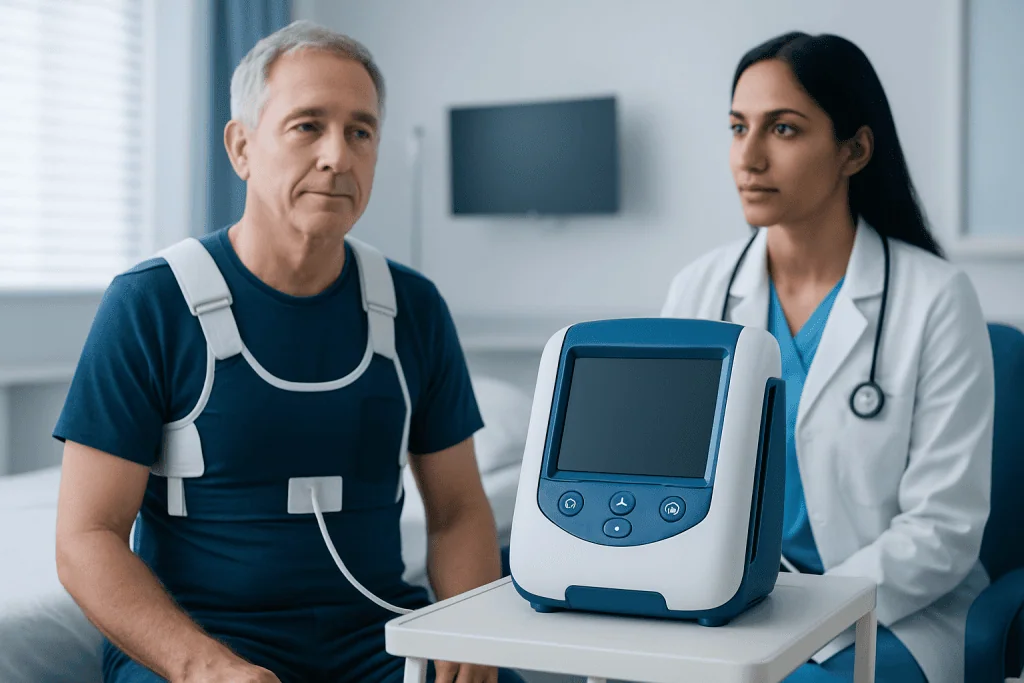
A life vest cardiac device is not for everyone with heart disease. It is most often considered for people whose risk of sudden cardiac arrest may be elevated for a limited time. Common examples include patients recovering from a recent heart attack with reduced pumping function, those newly diagnosed with heart failure, and those whose ICD has been removed because of infection or a lead problem.
Some people receive it after heart surgery or treatment for a serious rhythm problem while the heart is still healing. Others may wear it when doctors suspect the heart function could improve with medication and time, making a permanent ICD unnecessary. This temporary approach helps avoid implanting a device too early while still offering protection during a higher-risk period.
The exact decision depends on the person’s history, imaging results, rhythm findings, symptoms, and overall health. A cardiologist or electrophysiologist weighs the likely benefit, the expected duration of risk, and whether other treatments are also needed. Related heart conditions that may be part of this evaluation include heart failure and arrhythmias.
How the Device Works in Daily Life
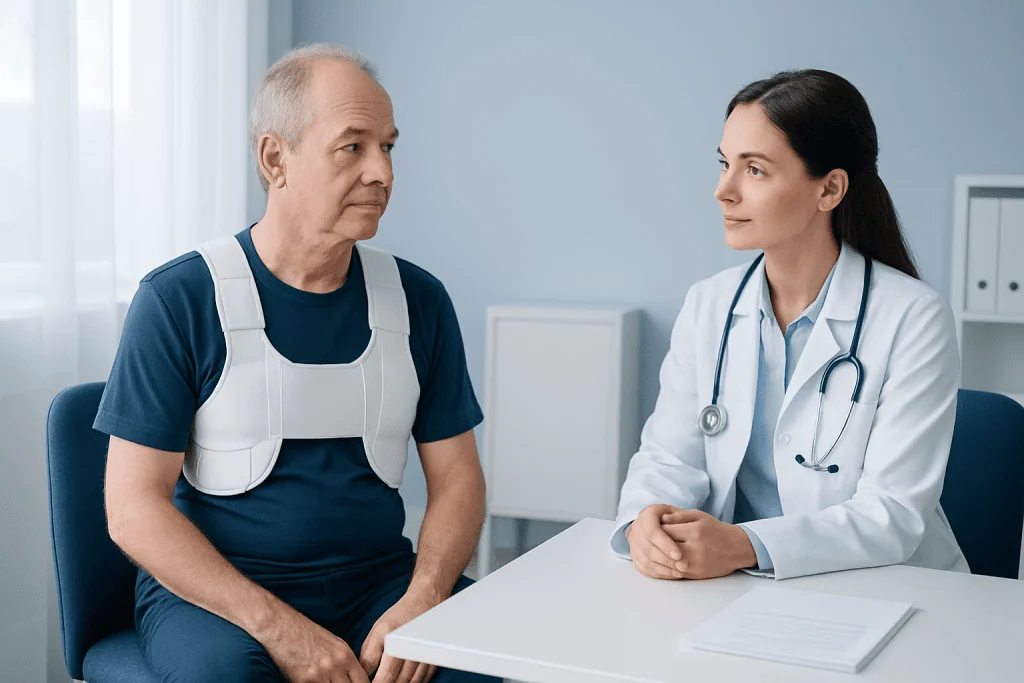
The vest monitors the heart all the time when it is being worn correctly. If it detects a dangerous rhythm, it first issues alarms and voice prompts. If the patient is awake and feels well, they may be able to press response buttons to stop a shock if the alarm appears to be a false alert. If the patient is unconscious or unable to respond and the dangerous rhythm continues, the device can deliver a shock automatically.
Most patients are advised to wear the device nearly all day and all night, taking it off only for bathing or short periods specifically approved by their doctor. Consistent use matters because protection is present only when the vest is on the body. The care team usually explains how to position the electrodes, charge the monitor, and check for comfort and skin irritation.
Daily life with the device often requires a period of adjustment. Clothing can usually be worn over it, and many routine activities continue, but patients may need to plan around charging, bathing, and sleeping comfortably. Some people feel anxious at first; understanding how the alarms work and practicing the routine can make the device feel more manageable.
- Wear it as instructed, including during sleep.
- Keep the monitor charged and follow cleaning instructions.
- Report frequent alarms, skin irritation, or fit problems.
- Attend follow-up visits so the recorded data can be reviewed.
Benefits, Limits, and Common Concerns
The main benefit of a life vest cardiac device is immediate protection during a period when sudden cardiac arrest risk may be present but a long-term decision is not yet clear. It offers noninvasive monitoring and treatment without a surgical procedure. For many patients, this can provide reassurance while the team evaluates heart recovery or plans the next step in care.
At the same time, the device has limits. It does not prevent abnormal rhythms from starting, improve the heart muscle by itself, or replace medicines and treatment of the underlying condition. It also only works when it is worn correctly. Inappropriate alarms can happen, and some patients find the equipment uncomfortable, warm, or disruptive to sleep.
Patients often ask whether a shock will hurt. A treatment shock can be uncomfortable, but it is intended for life-threatening rhythms when rapid action is needed. Another common concern is whether wearing the vest means a permanent ICD will definitely be required. Not necessarily. In some people, heart function improves enough that a long-term implanted device is not needed, while in others further protection remains important. If a permanent device is later recommended, options may include ICD implantation.
How Doctors Evaluate the Need for Ongoing Treatment
Prescribing the vest is only one part of care. Doctors also look for the reason the dangerous rhythm risk exists and whether it is changing over time. This usually includes a careful history, physical examination, electrocardiogram, blood tests, and heart imaging such as echocardiography. In some cases, advanced imaging or rhythm testing may also be needed.
The device stores heart-rhythm data that can help the care team understand whether significant arrhythmias have occurred and whether alarms were appropriate. This information is reviewed alongside symptoms such as fainting, chest pain, shortness of breath, or palpitations. Medicines may be adjusted to support heart function, control rhythm, or reduce strain on the heart.
As follow-up continues, doctors reassess whether the temporary risk has improved, remained the same, or increased. If heart function recovers, the vest may no longer be necessary. If the risk persists, the care team may discuss longer-term options such as cardiac electrophysiology evaluation and, when appropriate, pacemaker and ICD therapies.
Self-care While Wearing a Life Vest Cardiac Device
Patients can play an important role in making the device effective. The most important step is wearing it exactly as prescribed. Missing long periods without the device reduces protection, especially during sleep or times when symptoms may occur unexpectedly. It also helps to keep a simple record of symptoms, alarms, and any periods when the vest was removed.
General heart-healthy habits remain important because the vest is only one layer of support. Patients should take prescribed medications consistently, keep follow-up appointments, and ask about physical activity limits, work, and driving. In many cases, reducing salt intake, avoiding tobacco, and limiting alcohol are part of the broader plan, especially when weakened heart function is present.
Skin care and comfort deserve attention too. The vest should fit properly, and the skin under the electrodes should be checked regularly for redness or irritation. Any discomfort, repeated alarm issues, or uncertainty about use should be discussed with the care team rather than managed alone.
Near the end of the temporary monitoring period, doctors decide whether the device can be stopped safely or whether further treatment is needed. At Acibadem International, multidisciplinary specialists in JCI-accredited hospitals evaluate and treat heart rhythm disorders for international patients as part of this decision-making process.
When to Seek Medical Care
Patients should seek prompt medical advice if they have new or worsening symptoms such as fainting, near-fainting, persistent palpitations, chest discomfort, unusual shortness of breath, or swelling that is getting worse. These symptoms do not always mean the device has failed, but they can signal a change in the heart condition that needs attention.
Urgent care is especially important after a treatment shock, repeated alarms, or any episode where the patient loses consciousness. Even if the patient feels better afterward, the event should be reviewed by a doctor as soon as possible. Device fit problems, skin breakdown, or technical difficulties also deserve timely contact with the prescribing team.
If someone collapses, is unresponsive, or is not breathing normally, emergency services should be called immediately. Family members and caregivers should know how to respond in an emergency and understand that the wearable device is part of care, not a substitute for emergency evaluation.
Frequently asked questions
Is a life vest cardiac device the same as a pacemaker?
No. A life vest cardiac device is a wearable defibrillator that monitors for dangerous fast rhythms and can deliver a shock if needed. A pacemaker is an implanted device mainly used to treat certain slow or abnormal heart rhythms.
How long do patients usually wear a life vest cardiac device?
The duration varies depending on why it was prescribed and whether the heart condition improves. Many people wear it for weeks to a few months while doctors reassess heart function and rhythm risk.
Can a person sleep while wearing the device?
Yes. In fact, wearing it during sleep is usually very important because dangerous rhythms can happen at any time. The care team will explain how to wear it comfortably and safely overnight.
What happens if the device alarms but the patient feels fine?
The device may provide instructions and allow a conscious patient to respond if the alert seems inappropriate. Patients should follow the training they were given and report repeated alarms to their doctor so the device data can be reviewed.
Does wearing a life vest cardiac device mean a person will definitely need an implanted defibrillator?
Not always. Some people wear it only during a temporary high-risk period and later improve enough that an implanted device is not needed. Others may still need long-term protection if heart function remains reduced or serious arrhythmias continue.
Can a patient shower or bathe with the device on?
The vest is generally removed briefly for bathing, based on the manufacturer and doctor’s instructions. Because the device only protects while it is being worn, patients should put it back on as soon as possible afterward.
This article is for general information only and is not a substitute for professional medical advice. Please consult a qualified doctor about your individual situation.
Heart care in Turkey — expert evaluation and treatment
JCI-accredited · board-certified surgeons · reply within 24h
Add us as a Preferred Source to see more of our trusted health content across Google Search, AI Overviews and Discover.

More from the Health Library

Rectocele — Explained by Medical Evidence, Not Myths
Average Foot Size of a Man — Explained by Medical Evidence, Not Myths

Clonidine for Sleep — Explained by Medical Evidence, Not Myths

Hair Loss Treatment for Men: Procedure, Recovery and Results

Trauma Focused Cbt Tf Cbt — Explained by Medical Evidence, Not Myths