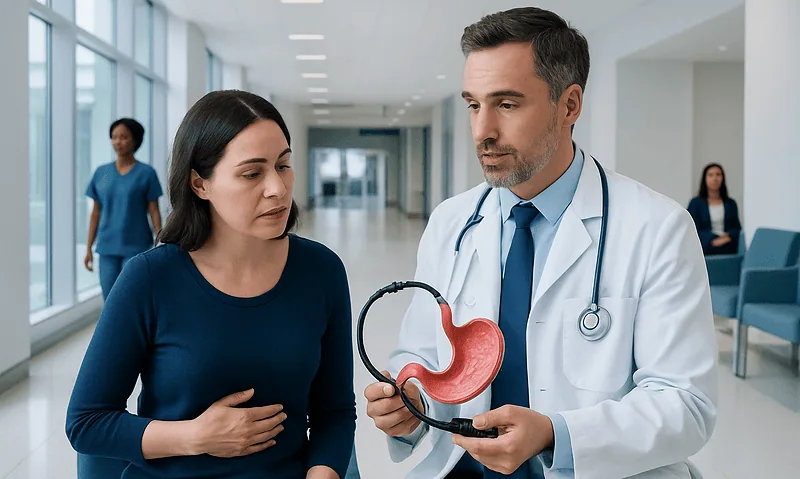
Rectocele — Explained by Medical Evidence, Not Myths

A rectocele is a bulge of the rectum into the vagina caused by weakened pelvic support tissues. Some people have no symptoms, while others notice vaginal pressure, constipation, or a feeling of incomplete bowel emptying.
Key Takeaways
- A rectocele is a bulge of the rectum into the vagina caused by weakened pelvic support tissues.
- Some people have no symptoms, while others notice vaginal pressure, constipation, or a feeling of incomplete bowel emptying.
- Diagnosis is usually based on symptoms, a pelvic exam, and sometimes tests of bowel or pelvic floor function.
- Treatment depends on how severe symptoms are and may include pelvic floor therapy, stool-softening strategies, a pessary, or surgery.
- Preventing strain on the pelvic floor by treating constipation, avoiding heavy straining, and supporting pelvic health can help reduce symptoms.
Rectocele is a type of pelvic organ prolapse in which the front wall of the rectum pushes into the back wall of the vagina because supporting tissues have weakened. It is often manageable, and treatment ranges from pelvic floor exercises and bowel-habit changes to pessaries or surgery when symptoms are more bothersome.
What rectocele is
Rectocele is a condition in which the front wall of the rectum bulges forward into the back wall of the vagina. It happens when the tissues and muscles that normally support the pelvic organs become stretched or weakened. Doctors may also call it a posterior vaginal wall prolapse or a type of pelvic organ prolapse.
Many people worry that a rectocele is dangerous, but it is usually not life-threatening. The main issue is whether it causes symptoms such as pressure, discomfort, bowel emptying problems, or a noticeable vaginal bulge. Some rectoceles are found on examination even when they cause no symptoms at all.
Rectocele is often discussed in simple terms as “the rectum pushing into the vagina,” but the condition is really about support failure in the pelvic floor. This distinction matters because treatment is aimed not only at the bulge itself, but also at bowel habits, pelvic floor function, and any related prolapse conditions that may be present at the same time.
How rectocele may feel and common symptoms
Symptoms vary widely. Some people feel heaviness, pressure, or a sense of fullness in the vagina, especially after standing for long periods or at the end of the day. Others notice a soft bulge at the vaginal opening, discomfort during sexual activity, or a general feeling that “something is falling.”
Bowel symptoms are also common. A rectocele can make it harder to pass stool normally, leading to constipation, straining, or a sensation of incomplete emptying after a bowel movement. Some people feel that stool gets trapped in the bulge, which may create repeated urges to go without full relief.
In more noticeable cases, a person may need to change body position or gently press on the back wall of the vagina or the area between the vagina and anus to help stool pass. This can feel frustrating or embarrassing, but it is a recognized symptom pattern that doctors ask about routinely.
- Vaginal pressure or heaviness
- A bulge in the vagina
- Constipation or difficult bowel movements
- Feeling of incomplete rectal emptying
- Need to strain more than usual
- Discomfort during intercourse in some cases
Why rectocele happens

Rectocele develops when the connective tissues and muscles between the rectum and vagina weaken. Pregnancy and vaginal childbirth are among the most common contributors because they can stretch and stress the pelvic floor. The risk may be higher after multiple vaginal births, difficult deliveries, or births involving tears or assisted delivery.
Aging and menopause can also play a role. Over time, tissues naturally lose some strength and elasticity, and lower estrogen levels after menopause may contribute to reduced tissue support. This does not mean rectocele is inevitable, but it helps explain why symptoms may appear or worsen later in life.
Other factors include chronic constipation, repeated heavy straining, chronic cough, obesity, and frequent heavy lifting. Anything that raises pressure inside the abdomen over a long period can challenge the pelvic floor. Some people also have inherited differences in connective tissue strength, making them more prone to prolapse even without major risk factors.
How doctors diagnose rectocele
Diagnosis begins with a discussion of symptoms, bowel habits, childbirth history, and daily activities that may strain the pelvic floor. People are often relieved to learn that these symptoms are common and that evaluation is usually straightforward. A doctor will ask whether the problem is mainly pressure, bulging, constipation, pain, or all of these together.
A pelvic examination is the key first step. During the exam, the clinician may ask the patient to bear down, as if having a bowel movement, to see how the vaginal walls and pelvic organs move. This helps distinguish rectocele from other conditions such as cystocele, uterine prolapse, hemorrhoids, or other causes of pelvic pressure.
If bowel symptoms are significant or surgery is being considered, additional tests may be helpful. These may include imaging to assess pelvic floor movement, studies of how the rectum empties, or tests of muscle coordination. In selected patients, physicians may also look for related conditions such as chronic constipation or weakness of the anal sphincter that can affect treatment planning.
Treatment options and when treatment is needed
Treatment depends more on symptoms than on the size of the rectocele alone. If the bulge is small and causes little or no bother, careful observation may be all that is needed. Many people improve without surgery by reducing strain during bowel movements, supporting stool softness, and strengthening pelvic floor function.
Conservative treatment often includes pelvic floor physical therapy and guided exercises, especially when there is poor muscle coordination or weakness. A clinician may also recommend dietary changes, good hydration, and approaches that reduce constipation and straining. For some patients, a vaginal pessary can help support the vaginal wall and reduce the feeling of pressure.
If symptoms remain significant despite these measures, surgery may be considered. The goal of surgery is to repair the weakened tissue between the rectum and vagina and restore support. Depending on the person’s anatomy and symptoms, doctors may discuss pelvic floor surgery or related urogynecologic evaluation and treatment as part of care planning. The best approach depends on overall health, bowel function, other prolapse issues, and future pregnancy plans.
When bowel emptying problems are prominent, treatment is most effective when both structure and function are considered together. Correcting a bulge does not always fix constipation if pelvic floor muscles are not relaxing normally. That is why treatment plans are often multidisciplinary and individualized rather than based on one-size-fits-all assumptions.
Self-care, prevention, and living well with rectocele
Everyday habits can make a meaningful difference. Preventing constipation is one of the most important steps because repeated straining can worsen symptoms over time. A bowel routine that includes fiber-rich foods, adequate fluids, and responding to the urge to have a bowel movement without long delays may help reduce pressure on the pelvic floor.
It is also helpful to avoid prolonged straining on the toilet and to use good toilet posture, such as keeping the knees slightly higher than the hips if comfortable. Heavy lifting should be limited when possible, and chronic cough should be assessed and treated. Reaching and maintaining a healthy body weight may also reduce long-term strain on pelvic support tissues.
Pelvic floor exercises may help some people, especially when taught by a trained professional who can check whether the correct muscles are being used. However, not every pelvic symptom improves with exercises alone, and some people have overactive pelvic floor muscles rather than simple weakness. A tailored plan is usually more useful than trying exercises without guidance.
People with ongoing symptoms should not feel they need to simply “live with it.” Many forms of support are available, from bowel-management advice and physical therapy to gastroenterology assessment when constipation is a major part of the problem. Small practical changes can improve comfort and confidence in daily life.
When to seek medical care
Medical advice is appropriate if there is a vaginal bulge, persistent pelvic pressure, new constipation, or the feeling that the bowel does not empty fully. It is also reasonable to seek care if symptoms interfere with exercise, work, intimacy, or day-to-day comfort. These concerns are common, and evaluation can help clarify what is causing them.
Prompt medical attention is especially important if there is rectal bleeding, severe pain, a rapidly worsening bulge, fever, unexplained weight loss, or a major change in bowel habits. These symptoms are not typical of a simple rectocele and may point to another condition that should be assessed without delay.
People who have multiple pelvic floor symptoms, such as urinary leakage, bladder pressure, or other prolapse concerns, may benefit from a broader review because more than one problem can occur together. Near the end of the care pathway, a center such as Acibadem International can provide multidisciplinary evaluation for international patients through JCI-accredited hospitals and specialists experienced in pelvic floor conditions.
Frequently asked questions
Is rectocele the same as pelvic organ prolapse?
Rectocele is one type of pelvic organ prolapse. Specifically, it describes the rectum bulging into the back wall of the vagina because the supporting tissues have weakened. A person can also have other types of prolapse at the same time.
Can a rectocele go away on its own?
A rectocele usually does not fully reverse on its own once support tissues have stretched or weakened. However, symptoms may improve with pelvic floor therapy, constipation management, and reducing strain. Treatment is based on how much the condition affects daily life.
Does every rectocele need surgery?
No. Many people do well with non-surgical treatment, especially if symptoms are mild or moderate. Surgery is usually considered when symptoms remain bothersome despite conservative measures or when the prolapse significantly affects quality of life.
Can rectocele cause constipation?
Yes, it can contribute to constipation or make bowel movements feel incomplete. Stool may collect in the bulging area, making it harder to empty the rectum efficiently. Still, constipation can also have other causes, so both bowel function and pelvic anatomy should be assessed.
Is exercise safe if someone has rectocele?
In many cases, yes, but the type of exercise matters. Low-impact activity is often encouraged, while heavy lifting or exercises that cause strong downward pressure may worsen symptoms in some people. A doctor or pelvic floor physical therapist can suggest safer modifications.
Can rectocele happen after childbirth?
Yes. Pregnancy and vaginal delivery can stretch and weaken the pelvic floor, which increases the chance of developing rectocele. Symptoms may appear soon after childbirth or become more noticeable years later.
References
- American College of Obstetricians and Gynecologists
- National Institute of Diabetes and Digestive and Kidney Diseases
- American Urogynecologic Society
- Mayo Clinic
- National Health Service
This article is for general information only and is not a substitute for professional medical advice. Please consult a qualified doctor about your individual situation.
Persistent digestive symptoms? Get evaluated in Turkey
JCI-accredited · board-certified surgeons · reply within 24h
Add us as a Preferred Source to see more of our trusted health content across Google Search, AI Overviews and Discover.