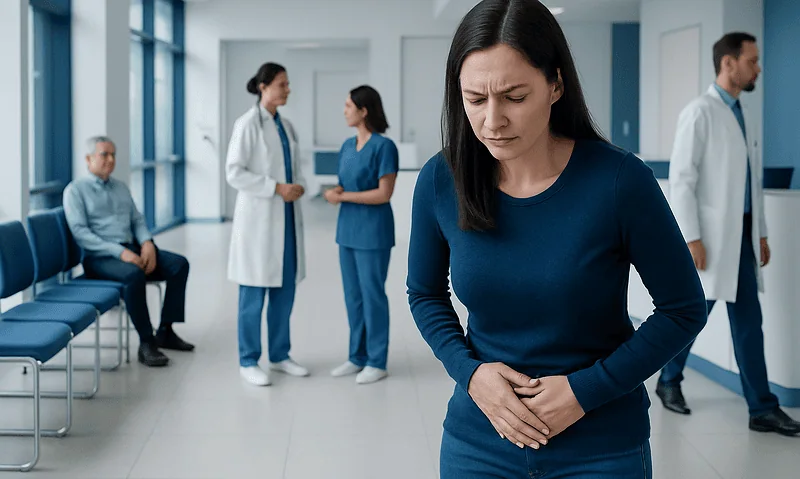
Gangrenous Gallbladder: A Complete Medical Overview

A gangrenous gallbladder is most often a complication of acute cholecystitis, usually related to gallstones. Common warning signs include severe right upper abdominal pain, fever, nausea, vomiting, and worsening illness.
Key Takeaways
- A gangrenous gallbladder is most often a complication of acute cholecystitis, usually related to gallstones.
- Common warning signs include severe right upper abdominal pain, fever, nausea, vomiting, and worsening illness.
- Doctors diagnose it using symptoms, blood tests, and imaging such as ultrasound or CT scan.
- Treatment commonly involves hospital care, antibiotics, fluids, pain relief, and removal of the gallbladder.
- Older age, diabetes, delayed treatment, and poor blood flow can increase risk.
- Persistent abdominal pain or fever should be assessed promptly by a qualified doctor.
Gangrenous gallbladder is a serious complication of acute gallbladder inflammation in which part of the gallbladder tissue dies because its blood supply is reduced or blocked. It usually requires urgent medical assessment and often surgery, but timely treatment can reduce the risk of rupture, infection, and other complications.
Overview
A gangrenous gallbladder is a severe form of acute cholecystitis, meaning inflammation of the gallbladder that has progressed to tissue death. This happens when swelling, pressure, infection, or blockage reduce blood flow to the gallbladder wall. Because damaged tissue is more likely to tear or become infected, it is considered a medical emergency.
The gallbladder is a small organ under the liver that stores bile, which helps digest fats. In many cases, a gallstone blocks the cystic duct, trapping bile and triggering inflammation. If this process continues, the wall of the gallbladder may become ischemic, meaning it does not receive enough oxygen-rich blood, and gangrene can develop.
This condition is different from routine gallbladder discomfort or mild biliary colic. A gangrenous gallbladder usually causes stronger, more persistent symptoms and can lead to serious complications such as perforation, abscess, sepsis, or infection spreading into the abdomen. Prompt recognition and treatment are important to prevent these outcomes.
Symptoms and warning signs
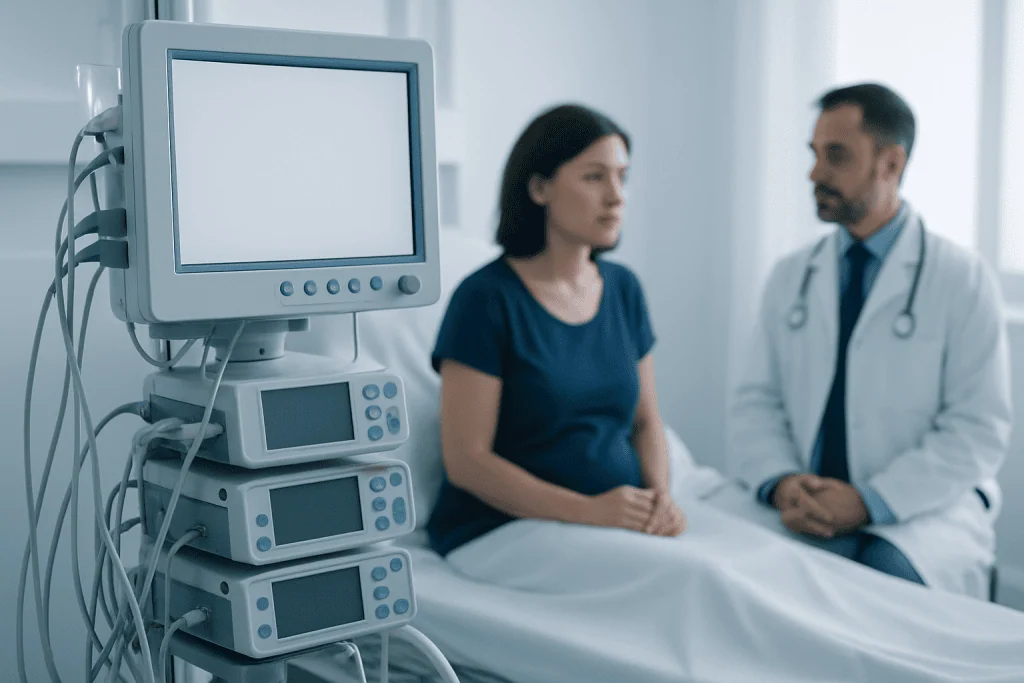
Symptoms of a gangrenous gallbladder often begin like those of acute cholecystitis but become more severe or prolonged. The most common symptom is pain in the upper right side of the abdomen. This pain may be constant, may worsen with movement or deep breathing, and can sometimes spread to the back or right shoulder.
Other symptoms may include fever, chills, nausea, vomiting, bloating, loss of appetite, and a general feeling of being unwell. Some people develop a faster heart rate or feel weak and dehydrated. In older adults or people with diabetes, symptoms may be less typical, which can delay diagnosis.
As the condition becomes more serious, tenderness over the abdomen may increase and signs of systemic infection can appear. In some cases, the pain may suddenly lessen if the gallbladder wall becomes severely damaged, but this does not mean the condition has improved. It can instead suggest nerve injury or even rupture.
- Persistent right upper abdominal pain
- Fever or chills
- Nausea and repeated vomiting
- Abdominal tenderness or guarding
- Jaundice in some cases
- Confusion or unusual weakness, especially in older adults
Why it happens: causes and risk factors
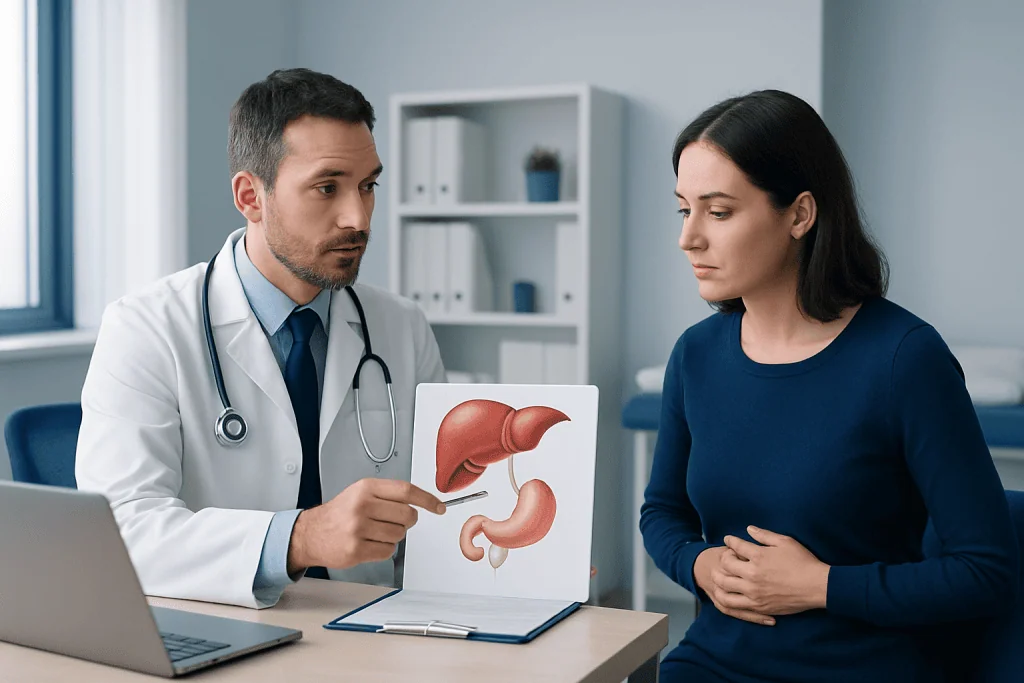
The most common cause of a gangrenous gallbladder is untreated or advanced acute cholecystitis. In many patients, gallstones block the flow of bile and trigger inflammation. As swelling inside the gallbladder increases, the pressure can reduce circulation in the gallbladder wall. If blood flow remains impaired, the tissue may start to die.
Bacterial infection can contribute, but gangrene may develop even without a clear infection if blood supply is poor enough. In some people, acalculous cholecystitis, which is gallbladder inflammation without stones, can also progress to gangrene. This is more likely in people who are already seriously ill, hospitalized, or recovering from major trauma or surgery.
Several factors make a gangrenous gallbladder more likely. These include older age, diabetes, cardiovascular disease, delayed treatment, immune suppression, and severe inflammation. Men and people with vascular disease may also have a higher risk in some clinical settings. Because the condition can evolve quickly, worsening symptoms should not be ignored.
How doctors diagnose a gangrenous gallbladder
Diagnosis usually starts with a careful history and physical examination. A doctor will ask about the location and duration of pain, fever, vomiting, and previous gallbladder symptoms. On examination, there may be marked tenderness in the right upper abdomen, abdominal guarding, and signs of dehydration or infection.
Blood tests often show inflammation or infection, such as a high white blood cell count and raised inflammatory markers. Liver function tests may also be checked, especially if there is concern about bile duct obstruction. These tests help the medical team understand how severe the illness is and whether other organs may be affected.
Imaging is essential. Ultrasound is usually the first test because it can show gallstones, thickening of the gallbladder wall, swelling, fluid around the gallbladder, or other signs of inflammation. If the picture is unclear or complications are suspected, doctors may use CT scan imaging to look for poor wall enhancement, gas in the wall, perforation, or abscess. In selected cases, MRI or other biliary imaging may help clarify the diagnosis.
Treatment options and hospital care
A gangrenous gallbladder is generally treated in the hospital. Initial care often includes intravenous fluids, pain relief, antibiotics, and close monitoring. If the patient has signs of sepsis or dehydration, treatment may need to begin immediately while tests are still being completed.
Definitive treatment is commonly removal of the gallbladder, known as cholecystectomy. Surgeons may perform this using minimally invasive methods when appropriate, but the final approach depends on the severity of inflammation, the presence of perforation, and the patient’s overall condition. In complicated cases, open surgery may be safer.
If a person is too unwell for surgery right away, doctors may consider temporary gallbladder drainage to control infection and pressure. This can help stabilize the patient before later surgery. The exact plan depends on age, other medical conditions, test results, and how advanced the gallbladder damage appears.
Recovery varies. Many patients improve steadily after treatment, especially when the condition is recognized early. However, because this is a severe complication, follow-up is important to monitor wound healing, infection control, digestion, and return to normal eating and activity.
Possible complications and recovery
The main concern with a gangrenous gallbladder is that dead or severely damaged tissue can tear. This is called perforation and may allow infected bile or pus to leak into the abdomen. That can lead to peritonitis, abscess formation, bloodstream infection, or sepsis, all of which need urgent treatment.
Not every patient develops complications, and many recover well with prompt care. The outcome often depends on how quickly treatment starts, whether the gallbladder has ruptured, and whether the person has conditions such as diabetes or heart disease. This is why clinicians treat a suspected gangrenous gallbladder more urgently than uncomplicated gallbladder pain.
After surgery, most people can digest food normally, though some notice temporary changes such as bloating or loose stools. These symptoms often improve over time. Medical teams usually advise a gradual return to regular meals and activity, along with follow-up if pain, fever, or digestive symptoms continue.
Prevention and self-care
There is no guaranteed way to prevent a gangrenous gallbladder, but early treatment of gallbladder disease can lower the risk. Recurrent episodes of gallstone pain, ongoing abdominal discomfort after meals, or a prior diagnosis of cholecystitis should be discussed with a doctor. Prompt evaluation can help prevent inflammation from progressing.
General measures that support digestive and overall health include maintaining a healthy weight, avoiding rapid weight loss, staying physically active, and following a balanced eating pattern. These steps may help reduce the risk of gallstones in some people, although they cannot eliminate the risk completely.
Self-care at home is not enough for a suspected gangrenous gallbladder. Over-the-counter pain relievers may temporarily reduce discomfort but do not treat the underlying problem. Anyone with severe or persistent symptoms should seek medical advice rather than waiting for the pain to pass.
For patients needing specialist evaluation, Acibadem International’s multidisciplinary teams in JCI-accredited hospitals diagnose and treat gallbladder conditions for international patients using coordinated surgical and imaging care.
When to seek medical care
Medical care should be sought promptly for severe pain in the upper right abdomen, especially if it lasts more than a few hours or is accompanied by fever, vomiting, or worsening tenderness. These symptoms can point to acute gallbladder inflammation and, in some cases, a gangrenous gallbladder.
Urgent assessment is also important if there is jaundice, faintness, confusion, chills, trouble keeping fluids down, or abdominal pain after a known diagnosis of gallstones. People with diabetes, older adults, and those with weakened immune systems should be especially cautious because symptoms may be less obvious while the illness is more advanced.
A doctor can determine whether symptoms are related to the gallbladder or another abdominal emergency. Conditions such as pancreatitis, liver disease, peptic ulcer disease, appendicitis, or gallstones with uncomplicated biliary colic can sometimes overlap in presentation, so proper evaluation is important.
Frequently asked questions
Is a gangrenous gallbladder life-threatening?
It can become life-threatening if it leads to perforation, widespread infection, or sepsis. That is why it is treated as an urgent medical condition. Early diagnosis and hospital treatment greatly improve safety.
What is the difference between acute cholecystitis and a gangrenous gallbladder?
Acute cholecystitis is inflammation of the gallbladder, usually caused by blockage from gallstones. A gangrenous gallbladder is a more advanced complication in which the inflamed tissue loses blood supply and begins to die. In general, it is more severe and more likely to require urgent intervention.
Can a gangrenous gallbladder be treated without surgery?
Surgery is often the main treatment because the damaged gallbladder usually needs to be removed. In some people who are too unwell for immediate surgery, doctors may first use antibiotics, supportive care, and temporary drainage. The treatment plan depends on the patient’s overall condition and the extent of disease.
What tests are used to confirm a gangrenous gallbladder?
Doctors usually combine symptoms, examination findings, blood tests, and imaging. Ultrasound is commonly the first test, and CT scan may be added if complications are suspected or the diagnosis is uncertain. These tests help show inflammation, poor blood flow, perforation, or surrounding infection.
Who is most at risk for developing a gangrenous gallbladder?
Risk is higher in people with delayed treatment of acute cholecystitis, older adults, and those with diabetes or poor circulation. Severe illness and immune suppression can also increase risk. Gallstones remain the most common underlying trigger.
Can symptoms be mild at first?
Yes. Some people initially have symptoms similar to routine gallbladder inflammation, such as abdominal pain, nausea, and fever. However, symptoms often worsen over time, and in older adults or people with diabetes, the warning signs may be less obvious.
References
- National Institute of Diabetes and Digestive and Kidney Diseases
- American College of Gastroenterology
- Society of American Gastrointestinal and Endoscopic Surgeons
- American College of Surgeons
- MedlinePlus
This article is for general information only and is not a substitute for professional medical advice. Please consult a qualified doctor about your individual situation.
Explore treatments in Turkey — costs, top hospitals & a free quote
JCI-accredited · board-certified surgeons · reply within 24h
Add us as a Preferred Source to see more of our trusted health content across Google Search, AI Overviews and Discover.
Check your numbers in seconds
BMI, calories, due date, blood pressure and 30+ more clinical calculators — free, instant, doctor-reviewed ranges.