Wart Freeze Off: An Evidence-Based Guide for Patients
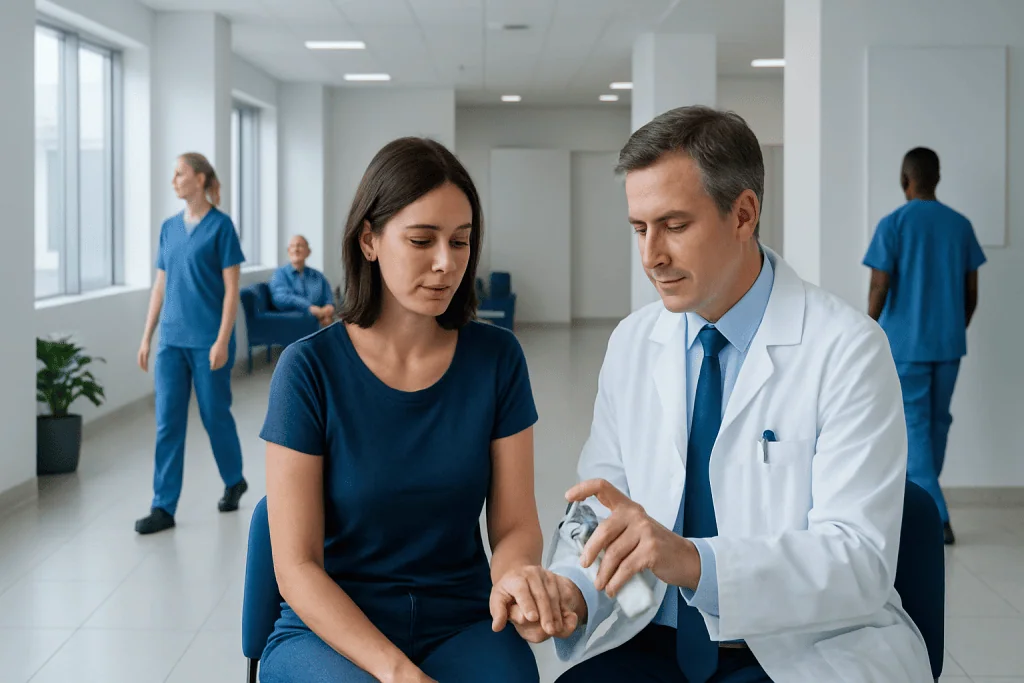
Wart freeze off uses very cold temperatures to damage wart tissue so it can gradually clear. Home freezing products are generally less cold than clinic-based liquid nitrogen treatment.
Key Takeaways
- Wart freeze off uses very cold temperatures to damage wart tissue so it can gradually clear.
- Home freezing products are generally less cold than clinic-based liquid nitrogen treatment.
- Many warts need more than one treatment session, and some return after seeming to go away.
- Not every skin bump is a wart, so uncertain, painful, bleeding, or changing lesions should be checked by a doctor.
- People with diabetes, poor circulation, weakened immunity, or facial/genital lesions should seek medical advice before treatment.
Wart freeze off usually means cryotherapy, a treatment that destroys wart tissue by freezing it. It can be effective for some common and plantar warts, but results vary by wart type, body location, skin sensitivity, and whether the treatment is done at home or by a clinician.
Overview: what wart freeze off means
Wart freeze off is a common term for cryotherapy, a method that removes warts by freezing the affected skin. The freezing injures the wart tissue and may also help the body recognize and clear the virus that causes most warts, called human papillomavirus (HPV). For many patients, this is a practical option for bothersome warts on the hands or feet.
There are two main ways this is done. Over-the-counter products usually use dimethyl ether propane or similar freezing agents, while medical clinics often use liquid nitrogen, which is much colder and more powerful. Because of that difference, home products may be easier to use but can be less effective for thick, stubborn, or long-standing warts.
It is also important to know that not all skin growths are warts. Corns, calluses, skin tags, moles, and other lesions can look similar. Freezing the wrong lesion can delay proper diagnosis and may irritate the skin, so a professional assessment is helpful when the diagnosis is uncertain.
How freezing works and what to expect

During wart freezing, very cold material is applied directly to the wart for a short period. The extreme cold forms ice crystals inside cells and damages tiny blood vessels that supply the wart. Over time, the treated tissue may blister, dry out, and peel away, while healthier surrounding skin heals.
After treatment, the area may sting, burn, or throb briefly. Some people develop redness, swelling, or a small blister within hours to a day. These effects are usually temporary, but healing can take days to weeks depending on the size and location of the wart.
Results are rarely immediate. The wart often shrinks gradually rather than falling off at once. Thick plantar warts on the soles of the feet may respond more slowly because they are covered by pressure-thickened skin, and several sessions may be needed.
In clinic settings, cryotherapy may be combined with other methods if the wart is resistant. Depending on the wart and the patient, a dermatologist may also consider approaches used in dermatology care for difficult or unclear skin lesions.
Which warts may respond best
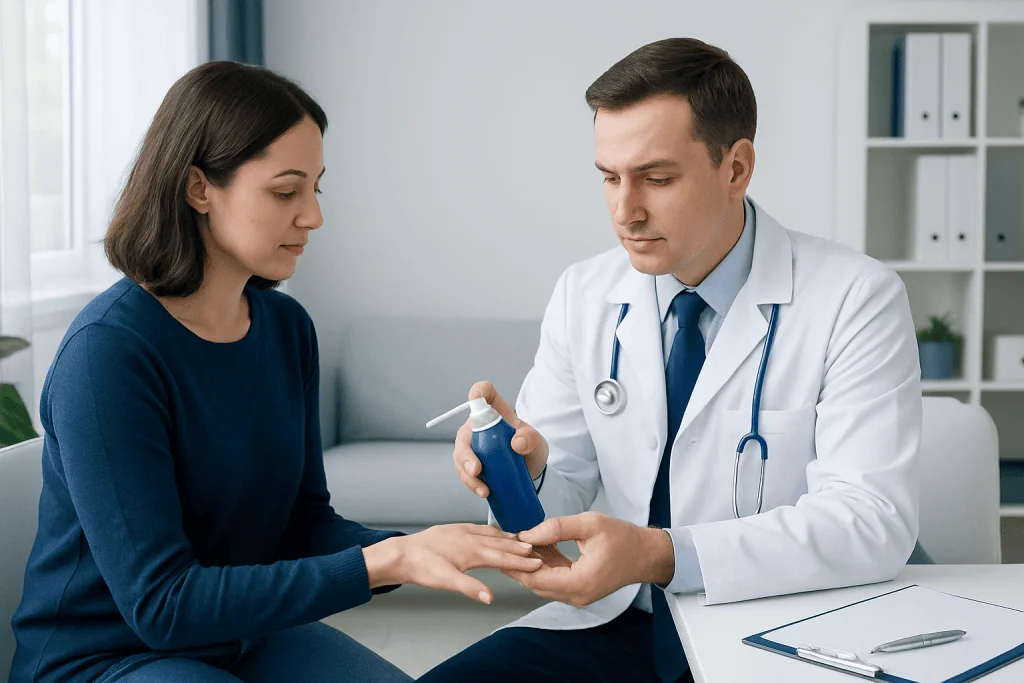
Wart freeze off is often used for common warts on the fingers, hands, elbows, knees, and sometimes plantar warts on the feet. These are among the most familiar forms of warts, and they can respond reasonably well to freezing when the diagnosis is clear and the lesion is not too deep or extensive.
Flat warts, filiform warts, and warts in sensitive areas may require more caution. Facial skin is delicate and more prone to irritation, scarring, or pigment change. Genital lesions should not be treated with over-the-counter freezing products because they need proper diagnosis and a different treatment plan.
Children, older adults, and people with darker skin tones may have different treatment considerations. For example, freezing can sometimes leave lighter or darker marks after healing. A clinician can help balance wart clearance with the risk of discomfort or cosmetic changes.
- Home treatment may suit small, clearly recognized hand or foot warts.
- Clinic treatment may be better for thick, painful, recurrent, or multiple warts.
- Professional evaluation is preferable if the lesion is on the face, genitals, nails, or if the diagnosis is uncertain.
Home products versus clinic cryotherapy
Many patients ask whether home freeze-off kits work the same way as office treatment. The short answer is no. Both use cold to destroy the wart, but clinic-based liquid nitrogen reaches much lower temperatures than most store-bought products. That deeper freeze can improve effectiveness, especially for thicker lesions, although it may also be more uncomfortable.
Home kits can still be useful when directions are followed carefully. They are generally intended for straightforward common warts and some plantar warts. Good technique matters: soaking and gently filing thick dead skin first, protecting surrounding healthy skin, and repeating treatment only as directed can improve the chance of success and reduce unnecessary injury.
Office cryotherapy offers several advantages. A clinician can confirm that the lesion is truly a wart, adjust treatment intensity to the body site, and decide whether additional options such as salicylic acid, curettage, or other procedures are more appropriate. Some patients with persistent lesions may benefit from a more complete skin assessment through specialist dermatology evaluation.
Neither option is perfect. Even when a wart initially clears, the virus can remain in nearby skin and the wart may come back. Patience is often needed, and some cases respond better to treatments other than freezing.
Benefits, limits, and possible side effects
The main benefit of wart freeze off is that it is a well-established, non-surgical way to destroy wart tissue. It is quick, does not usually require major preparation, and can be used in both community and specialty care settings. For many simple warts, it is a reasonable first or second treatment option.
Its limitations are just as important. Freezing may not work well for all wart types, especially deeply embedded plantar warts, lesions around the nails, or longstanding warts in people with weakened immune systems. Some warts require repeated sessions at intervals, and some persist despite appropriate treatment.
Side effects can include pain, redness, swelling, blistering, and temporary tenderness. Less commonly, there may be infection, delayed healing, nail changes when lesions are near the nail, or changes in skin color. Scarring is uncommon but possible, particularly if the skin is overtreated.
People should avoid self-treating if they have diabetes, peripheral vascular disease, reduced sensation, poor wound healing, or significant immune suppression unless a clinician advises otherwise. In these situations, seemingly minor skin injury can become more serious and should be managed carefully.
Diagnosis and other treatment options
Doctors usually diagnose a wart by examining the skin. They may gently pare down a thick lesion to look for typical features, such as tiny dark dots from clotted capillaries or interruption of normal skin lines. If a growth looks unusual, grows rapidly, bleeds easily, or does not respond as expected, a biopsy or closer evaluation may be considered.
Cryotherapy is only one of several treatment options. Salicylic acid preparations are widely used and can be effective when applied regularly over time. Other possibilities include cantharidin in some settings, curettage, electrosurgery, laser treatment, or immune-based approaches for resistant warts. Choice depends on wart type, location, symptoms, age, and personal preference.
Plantar warts can be especially frustrating because pressure from walking drives them inward and causes pain. For these cases, treatment may need to address both the wart and the thick overlying skin. If a lesion is deep, painful, or difficult to confirm, a doctor may also assess for other foot conditions or skin disorders that can mimic a wart.
When diagnosis is uncertain or treatment fails repeatedly, referral to a specialist can be useful. In a multidisciplinary setting such as Acibadem International, JCI-accredited hospitals and specialists evaluate skin lesions and provide individualized care for international patients, including broader assessment when needed through comprehensive check-up services.
Self-care, prevention, and reducing spread
Warts are caused by HPV entering the skin through tiny breaks. They can spread from one area of the body to another and sometimes from person to person, especially in warm, moist environments. Good skin care and hygiene habits can reduce spread, though they cannot eliminate risk completely.
Patients should avoid picking, shaving over, or biting warts, as this can spread the virus. It may help to keep the wart clean and covered if it is in an area prone to friction or contact. On the feet, wearing sandals in shared showers and pool areas can lower exposure to plantar wart viruses.
If using a home freeze-off product, it is best to read the instructions carefully and stop if there is severe pain, significant swelling, pus, or unexpected skin damage. The area should be kept clean during healing. Dead skin should not be aggressively cut away at home, because this can cause bleeding or infection.
- Do not share nail clippers, pumice stones, socks, or footwear used on the wart.
- Wash hands after touching or treating the area.
- Keep skin moisturized and intact to reduce small cracks that allow viral entry.
- Wear well-fitting shoes to reduce friction over plantar warts.
When to seek medical care
Medical care is appropriate if a suspected wart is painful, bleeding, infected, rapidly changing, or located on the face, genitals, or under the nails. A doctor should also assess any lesion that is dark, irregular, ulcerated, or simply does not look like a typical wart. Not every skin bump is harmless, and an accurate diagnosis matters.
Patients should seek professional advice if home wart freeze off has not helped after the expected treatment course, if the wart keeps returning, or if multiple new lesions appear. Medical review is especially important for people with diabetes, poor circulation, neuropathy, eczema around the lesion, or a weakened immune system.
Children can also benefit from evaluation when a wart is painful, causes limping, or creates anxiety about treatment. For persistent or atypical lesions, a clinician may recommend targeted care within skin care and lesion management or assessment of look-alike skin conditions before deciding on the best approach.
Frequently asked questions
Does wart freeze off work right away?
Usually not. The wart often changes over several days or weeks after freezing, and some need repeated treatment. Thick or long-standing warts may take longer to improve.
Is home wart freeze off as effective as a doctor’s treatment?
Home kits can help some simple warts, but they are generally less cold than liquid nitrogen used in clinics. That means they may be less effective for thick, painful, or stubborn warts. A doctor can also confirm the diagnosis before treatment.
Can a frozen wart come back?
Yes. Even after a wart seems to clear, the virus can remain in nearby skin and the wart may recur. This does not necessarily mean the treatment was done incorrectly.
Should a blister after freezing be popped?
In general, no. A blister can protect the healing skin underneath. If it becomes very painful, large, or shows signs of infection, a healthcare professional should advise on next steps.
Who should avoid treating warts at home?
People with diabetes, poor circulation, reduced feeling in the feet or hands, immune suppression, or uncertain skin lesions should avoid self-treatment unless guided by a clinician. Home freezing on the face or genital area is also not recommended.
What if the bump is not actually a wart?
That is an important reason to seek medical advice when a lesion looks unusual or does not respond to standard treatment. Corns, calluses, moles, skin cancers, and other growths can mimic warts. Correct diagnosis helps avoid delays and inappropriate treatment.
References
- American Academy of Dermatology
- American Academy of Family Physicians
- National Health Service
- Centers for Disease Control and Prevention
- Mayo Clinic
This article is for general information only and is not a substitute for professional medical advice. Please consult a qualified doctor about your individual situation.
Explore treatments in Turkey — costs, top hospitals & a free quote
JCI-accredited · board-certified surgeons · reply within 24h
Add us as a Preferred Source to see more of our trusted health content across Google Search, AI Overviews and Discover.

More from the Health Library

Related Specialists

Dr. Cavide Ali
Gynecology & Obstetrics
Prof. Dr. Coşkun Çeltik
Pediatrics
Dr. Aytan Seydalıyeva
Infectious Diseases & Clinical Microbiology
Prof. Dr. Hüseyin Töz
Nephrology