When Do Your Feet Stop Growing? Here Is What the Evidence Says

Most foot growth ends after puberty, commonly earlier in girls and later in boys. Growth plates in the bones of the feet must close before true growth stops.
Key Takeaways
- Most foot growth ends after puberty, commonly earlier in girls and later in boys.
- Growth plates in the bones of the feet must close before true growth stops.
- Adult shoe size can still change because of swelling, pregnancy, weight changes, or flattening of the arches.
- Sudden enlargement, one-sided changes, pain, numbness, or swelling should be medically reviewed.
- Doctors assess symptoms with a physical exam and may use X-rays, blood tests, or hormone evaluation when needed.
Feet usually stop growing by the late teenage years, after the growth plates close, but the exact age varies from person to person. In many cases, small later changes in shoe size are harmless and related to weight, pregnancy, swelling, or arch changes rather than true bone growth.
Overview: When do feet usually stop growing?
In most people, feet stop growing once puberty is complete and the growth plates in the foot bones have closed. This often happens in the mid-to-late teens, usually earlier in girls and a little later in boys, but there is a normal range and no single age applies to everyone.
It is also common for people to notice that their shoes fit differently in adulthood. In many cases, this does not mean the foot bones are still growing. Instead, the change may be due to swelling, weight changes, pregnancy, aging, or the arches becoming lower over time, which can make the foot seem longer or wider.
Most gradual and mild changes are harmless. Still, a noticeable increase in foot size after growth should be assessed if it happens quickly, affects only one foot, or comes with pain, numbness, weakness, new swelling, or changes in the hands, face, or overall body shape.
How foot growth works
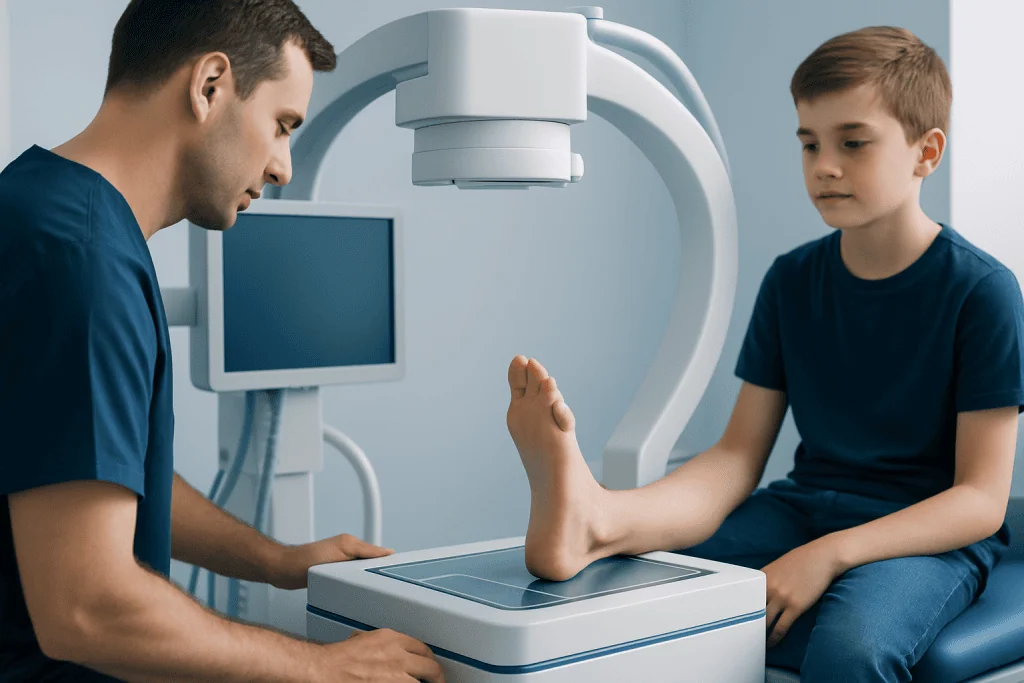
Feet grow from childhood through adolescence as the bones lengthen at areas called growth plates. These are sections of developing cartilage near the ends of bones. As puberty progresses, hormones help these plates mature and eventually close, which means the bones can no longer lengthen in the usual way.
The timing of growth plate closure varies with biological sex, genetics, nutrition, and general health. Children may have growth spurts at different ages, and foot growth often occurs earlier than final adult height. This is one reason a teenager may outgrow shoes before they finish getting taller.
Even after bone growth ends, the feet are not completely fixed structures. Ligaments, tendons, soft tissues, and arches can still change over time. These changes can alter shoe size or foot shape without indicating that the bones themselves are continuing to grow.
What affects the age when feet stop growing?

The strongest influence is puberty. In general, girls often reach adult foot size earlier because puberty tends to start earlier. Boys usually continue growing for longer. Family patterns also matter, so siblings or parents may offer a rough guide, though they are not exact predictors.
Overall health and hormone balance can also affect growth timing. Conditions that influence growth hormone, thyroid function, or puberty may delay or change normal development. In children and teenagers with unusual growth patterns, doctors may consider endocrine causes such as pituitary gland disorders when clinically appropriate.
Nutrition and chronic illness play a role as well. Good overall health supports normal growth, while some long-term medical conditions can slow development. On the other hand, in adults, apparent changes in foot size are more often related to soft-tissue factors than to new bone growth.
Why feet may seem to get bigger in adulthood
Adults sometimes feel that their feet are still growing, but true bone growth is unusual once growth plates have closed. More commonly, shoes feel tighter because of fluid retention, standing for long periods, weight gain, pregnancy, or natural changes in ligaments and arches with age. These changes may make the feet spread, lengthen slightly, or become wider.
Pregnancy is a well-known reason for lasting foot changes in some people. Hormonal effects can relax ligaments, and increased body weight and fluid retention can flatten the arches. Aging may have a similar effect over time, especially if there is joint wear, reduced tendon support, or chronic swelling.
Medical conditions can also make the feet appear larger. Swelling from circulation problems, kidney disease, lymphatic issues, or inflammation can change fit from day to day. Foot deformities and joint conditions may contribute as well, and some people benefit from specialist assessment or orthopedic evaluation if structure and alignment are changing.
- Common harmless reasons: pregnancy, mild weight changes, aging, prolonged standing
- Possible medical reasons: persistent swelling, inflammatory joint disease, hormonal disorders, circulation problems
- Less common but important: one-sided growth, rapidly increasing size, associated numbness or weakness
Red flags: when a change in foot size needs medical review
Most changes in shoe size are not dangerous, especially if they are gradual and happen in both feet. However, some features deserve medical attention. A rapid increase in foot size, especially after the late teens, is not typical and should be checked. The same is true if only one foot changes, or if there is new pain, warmth, redness, or significant swelling.
Doctors are also alert to symptoms that suggest a broader hormonal problem. These may include headaches, changes in vision, a growing ring or glove size, jaw changes, coarse facial features, excessive sweating, or joint pain. In some cases, these symptoms can be linked to excess growth hormone, including a condition called acromegaly.
Other warning signs include numbness, tingling, weakness, skin color changes, ulcers, or difficulty walking. These symptoms may point to nerve, circulation, musculoskeletal, or metabolic problems and should not be ignored. Prompt evaluation is especially important for people with diabetes, vascular disease, or a history of injury.
How doctors evaluate ongoing foot growth or size changes
A doctor usually starts by asking when the change began, whether it is affecting one or both feet, and whether there are other symptoms such as pain, swelling, headaches, or changes in hand size. They may ask about puberty history, pregnancy, injuries, family history, and any chronic conditions that can affect swelling or hormones.
The physical exam looks at foot shape, swelling, arches, joints, skin, pulses, sensation, and walking pattern. If the person is still growing, the clinician may compare height changes and pubertal development. In adults, the goal is often to distinguish true structural change from fluid-related or soft-tissue changes.
Further testing depends on the findings. X-rays can help show bone structure and, in younger patients, whether growth plates are still open. Blood tests may be used if a hormonal or metabolic cause is suspected, and imaging of the pituitary area may be considered in selected cases. When needed, doctors may involve endocrinology care or diagnostic imaging to clarify the cause.
Self-care, footwear, and what to expect over time
If foot size seems to be changing but there are no red flags, practical steps can help. Shoes should fit the current foot size rather than an old measurement, since tight footwear can cause discomfort, blisters, nail problems, and pressure points. Measuring both feet is useful because one foot can be slightly larger than the other.
Supportive footwear, especially for people who stand for long periods or have flatter arches, may improve comfort. Some people benefit from arch support or insoles, but the best option depends on the foot shape and the symptoms. Maintaining a healthy weight, staying active, and managing swelling can also make shoes fit more comfortably.
It is helpful to monitor patterns over time. If the change is mild, symmetrical, and linked to clear triggers such as pregnancy, hot weather, or long days standing, it is often manageable. If changes continue without explanation, or if function is affected, a clinical review is the safest next step.
When to seek medical care
Medical advice is recommended if foot size appears to increase quickly, continues to change well into adulthood, or affects only one foot. Care is also important if there is pain, persistent swelling, numbness, weakness, ulcers, joint stiffness, or trouble walking.
Children and teenagers should be reviewed if growth seems very early, very delayed, or very different from expected family patterns, especially if height, puberty, or overall development also seems unusual. Adults should seek assessment if larger feet are accompanied by changes in ring size, facial features, headaches, or vision problems.
Near the end of the evaluation process, some patients may need multidisciplinary care. Acibadem International’s specialists in endocrinology, orthopedics, and imaging at JCI-accredited hospitals evaluate and treat international patients when ongoing foot enlargement or related conditions require further assessment.
Frequently asked questions
At what age do feet usually stop growing?
Feet usually stop growing by the late teenage years, after puberty is largely complete and the growth plates have closed. Girls often reach adult foot size earlier than boys, but there is a normal range for both.
Can feet keep growing after age 18?
True bone growth after 18 is uncommon, but it can still happen in some late maturers if growth plates have not fully closed. More often, a later change in shoe size is caused by swelling, pregnancy, weight changes, or flattening of the arches rather than ongoing bone growth.
Why do my shoes feel smaller even though I am an adult?
Shoes may feel tighter because feet can become wider or flatter over time, especially with aging, standing for long periods, or weight changes. Swelling and fluid retention can also make the feet temporarily larger at certain times of day.
Is it normal for one foot to be bigger than the other?
A small difference between feet is common and usually harmless. However, a new or clearly increasing difference, especially with pain or swelling, should be checked by a doctor.
Can pregnancy change foot size permanently?
Yes, pregnancy can lead to lasting changes in some people. Hormonal changes may loosen ligaments, and added weight and fluid retention can lower the arches, making the feet seem longer or wider.
What conditions can cause feet to get bigger in adulthood?
Several conditions can contribute, including chronic swelling, inflammatory joint disease, circulation problems, and hormone disorders. A rare but important cause is excess growth hormone, which can enlarge the hands and feet along with other body changes.
What tests might a doctor use if adult feet seem to be growing?
The first step is usually a history and physical examination. Depending on the symptoms, a doctor may order foot X-rays, blood tests, or hormone studies, and in selected cases may arrange imaging to look for an underlying endocrine cause.
References
- American Academy of Orthopaedic Surgeons
- National Institute of Arthritis and Musculoskeletal and Skin Diseases
- National Institute of Diabetes and Digestive and Kidney Diseases
- Endocrine Society
- MedlinePlus
This article is for general information only and is not a substitute for professional medical advice. Please consult a qualified doctor about your individual situation.
Explore treatments in Turkey — costs, top hospitals & a free quote
JCI-accredited · board-certified surgeons · reply within 24h
Add us as a Preferred Source to see more of our trusted health content across Google Search, AI Overviews and Discover.

More from the Health Library



Related Specialists

Prof. Dr. Burak Özkan
Urology
Assoc. Prof. Dr. Gökhan Karademir
Orthopedic Surgery & Traumatology
Dr. Resül Altınayak
Clinical Laboratory
Dr. Buğra Alpan
Orthopedic Surgery & Traumatology