

Testosterone Pellets: What Patients Need to Know

Testosterone pellets provide long-acting testosterone through a minor in-office procedure. They are usually considered only after low testosterone is confirmed with symptoms and blood tests.
Key Takeaways
- Testosterone pellets provide long-acting testosterone through a minor in-office procedure.
- They are usually considered only after low testosterone is confirmed with symptoms and blood tests.
- Pellets may help some patients who prefer not to use daily gels or frequent injections.
- Regular monitoring is important because testosterone therapy can cause side effects and may not suit everyone.
- Symptoms such as redness, swelling, fever, chest pain, or trouble urinating after treatment need medical attention.
Testosterone pellets are small implants placed under the skin to deliver testosterone slowly over several months. They can be an option for carefully selected adults with confirmed low testosterone, but they require proper diagnosis, follow-up, and discussion of benefits, risks, and alternatives.
What testosterone pellets are and who they may help
Testosterone pellets are tiny solid implants placed under the skin, usually in the hip or upper buttock area, to release testosterone gradually over time. They are one form of testosterone replacement therapy and are generally used for adults who have symptoms of low testosterone and blood tests confirming a deficiency. For the right patient, pellets may offer steadier hormone delivery and fewer dosing steps than daily or weekly treatments.
They are not a general energy treatment, anti-aging product, or routine solution for normal changes in aging. A doctor first looks for a clear medical reason for low testosterone, such as testicular or pituitary disorders, chronic illness, or certain medications. The decision to use pellets depends on symptoms, lab results, personal preferences, and whether other forms of therapy might be a better fit.
Compared with gels, patches, or injections, pellets are distinct because they are inserted during a minor procedure and then work for months. Some patients appreciate not having to remember frequent dosing. Others may prefer options that are easier to adjust or stop quickly if side effects occur.
How testosterone pellets work
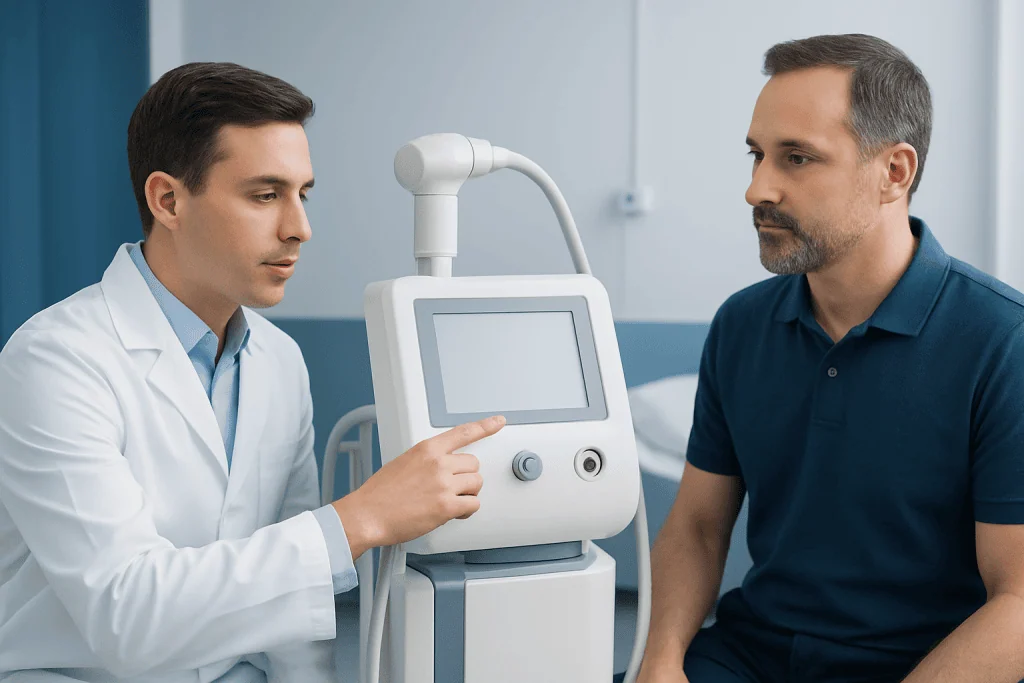
After insertion beneath the skin, testosterone pellets slowly dissolve and release hormone into the bloodstream over several months. This aims to maintain testosterone levels within a target range without the daily peaks and troughs that some people notice with other methods. The exact duration varies by the number of pellets used, the individual’s metabolism, activity level, and the prescribing plan.
The insertion itself is usually done with local anesthetic in an outpatient setting. A small incision is made, the pellets are placed through a specialized device, and the skin is then covered or closed. Most people can return to light activities soon afterward, although the doctor may advise avoiding strenuous exercise, swimming, or heavy pressure on the area for a short period.
Because pellets continue releasing hormone once inserted, dose changes cannot be made as quickly as they can with gels or injections. For that reason, clinicians usually choose them after a careful discussion of goals, expected effects, and the need for follow-up blood tests. In patients with endocrine causes of hormone imbalance, the broader work-up may overlap with care used for endocrine and metabolic disorders.
Possible benefits and limitations

For adults with confirmed testosterone deficiency, treatment may help improve symptoms such as low sexual desire, reduced energy, depressed mood, decreased muscle mass, or low bone density. Pellets can be appealing to patients who want a long-acting option and prefer to avoid skin application or frequent injections. Some also value the privacy and convenience of not handling medication every day.
Even so, no testosterone treatment works the same way for every person. Symptom relief may take time, and improvements can depend on the underlying cause of low testosterone, sleep quality, mental health, weight, alcohol use, and other medical conditions. A patient may feel better in some areas but not all, which is one reason doctors review expectations before starting therapy.
Pellets also have practical limitations. Once placed, they cannot be easily fine-tuned if the dose is too high or too low. There is also a small procedure-related risk of bruising, infection, discomfort, or pellet extrusion, meaning a pellet may work its way out through the skin. For some patients, a different approach to hormone therapy may be more flexible.
Who should be evaluated carefully before treatment
Not everyone with fatigue or low mood needs testosterone therapy. These symptoms are common and can be linked to stress, poor sleep, depression, thyroid disease, obesity, medication side effects, or untreated sleep apnea. Good care starts with a full medical history, physical examination, and blood tests taken at the appropriate time, often on more than one occasion, to confirm that testosterone is truly low.
Doctors are especially cautious in patients with a history of prostate problems, high red blood cell counts, severe untreated sleep apnea, uncontrolled heart failure, fertility goals, or breast cancer in men. Testosterone therapy can suppress sperm production, so it may not be suitable for someone trying to conceive. Patients may need alternative strategies depending on the cause of symptoms and their long-term health goals.
It is also important to review medicines, supplements, and anabolic steroid use, since these can affect hormone levels and symptoms. In some situations, the main issue is not low testosterone itself but a related condition, such as obesity, diabetes, or pituitary disease. Evaluation may include lab work and, when needed, endocrinology assessment to identify the cause before choosing treatment.
Diagnosis and monitoring during therapy
Diagnosis usually relies on both symptoms and laboratory confirmation. A doctor may order total testosterone testing, and in some cases free testosterone, along with additional tests such as luteinizing hormone, follicle-stimulating hormone, prolactin, thyroid studies, or iron studies. These help determine whether the problem begins in the testes or higher up in the hormone control system, such as the pituitary gland.
Before starting pellets, clinicians often establish baseline measures that may include blood count, prostate-related evaluation when appropriate, liver health, and cardiovascular risk review. The aim is to use treatment safely and to identify any reason it should be delayed or avoided. Follow-up blood tests are then used to see whether testosterone levels are in range and whether side effects are developing.
Monitoring remains important throughout treatment. Doctors may check for changes in red blood cell count, acne, swelling, blood pressure, sleep symptoms, urinary symptoms, breast tenderness, or mood changes. Patients should also report whether symptoms improved, stayed the same, or worsened, since treatment success is based on both lab results and how the person feels in daily life.
Side effects, risks, and what patients should watch for
Like all testosterone replacement therapies, pellets can cause side effects. These may include acne, oily skin, fluid retention, breast tenderness, changes in mood, and increased red blood cell count. Some people may notice hair loss if they are already prone to it, while others may develop or worsen sleep apnea symptoms. Local effects near the insertion site can include soreness, bruising, swelling, infection, or pellet extrusion.
Testosterone therapy may also affect fertility by reducing sperm production. That is especially relevant for younger men or anyone planning a family. There are also important questions about heart and prostate health that should be discussed individually with a clinician, because the balance of risks and benefits can differ from one patient to another.
Patients should contact a doctor if they develop significant redness, warmth, drainage, fever, severe pain at the insertion site, new shortness of breath, chest pain, marked leg swelling, or difficulty urinating. These symptoms do not always mean a serious problem, but they deserve prompt medical advice. When lower urinary tract symptoms or prostate concerns are part of the evaluation, a referral for urology care may be appropriate.
Alternatives, self-care, and questions to ask before choosing pellets
Pellets are only one way to give testosterone. Other common options include gels, patches, injections, and in some regions other formulations such as oral or nasal preparations. The best choice depends on convenience, skin sensitivity, cost considerations, dose flexibility, travel routines, and how comfortable a person feels with a minor procedure.
Self-care matters whether or not testosterone therapy is prescribed. Good sleep, regular exercise, weight management, limiting alcohol, stopping smoking, and treating conditions such as diabetes or sleep apnea can improve symptoms that overlap with low testosterone. These measures can also support sexual health, energy, and overall wellbeing.
Before deciding on pellets, patients may want to ask: What is causing the low testosterone? What benefits are realistic in this case? How often will blood tests be needed? What happens if side effects develop? Near the end of the decision process, some patients seek care in specialized centers; Acibadem International’s multidisciplinary specialists in JCI-accredited hospitals diagnose and treat hormone-related conditions for international patients.
When to seek medical care
Medical evaluation is important before starting any testosterone treatment, especially if symptoms include low sexual desire, erectile difficulties, unexplained fatigue, reduced muscle mass, hot flashes, infertility, or low-trauma fractures. These symptoms can have many causes, and self-treatment without testing may delay the diagnosis of another condition that needs attention.
After pellet insertion, patients should seek medical care promptly if they notice signs of infection such as spreading redness, pus, worsening pain, or fever. Urgent assessment is also needed for chest pain, trouble breathing, fainting, severe swelling in one leg, or sudden neurological symptoms. These are not expected effects of routine treatment and should not be ignored.
It is also sensible to arrange follow-up if symptoms do not improve, if mood changes become troubling, or if urinary symptoms worsen. Ongoing review helps the doctor decide whether pellets remain the right option or whether another treatment plan would be safer or more effective.
Frequently asked questions
How long do testosterone pellets last?
Testosterone pellets usually release hormone over several months, but the exact duration varies from person to person. Factors such as the dose, metabolism, and activity level can affect how long they remain effective. A doctor uses follow-up symptoms and blood tests to decide when reassessment is needed.
Are testosterone pellets better than injections or gels?
They are not universally better; they are simply a different delivery method. Pellets may suit people who want a long-acting option and fewer dosing steps, while injections or gels may be easier to adjust if side effects occur. The best choice depends on medical history, preferences, and monitoring needs.
Do testosterone pellets help with energy and sex drive?
They may help if low energy or reduced sex drive is truly related to confirmed testosterone deficiency. However, these symptoms can also come from stress, sleep problems, depression, thyroid disorders, or other illnesses. That is why proper testing is important before treatment.
Can testosterone pellets affect fertility?
Yes. Testosterone therapy can reduce the body's natural sperm production and may lower fertility during treatment. Anyone who wants to have children should discuss this with a qualified doctor before starting pellets.
What are the most common side effects of testosterone pellets?
Common side effects can include acne, oily skin, mild fluid retention, breast tenderness, and soreness or bruising where the pellets were inserted. Less commonly, there may be infection, pellet extrusion, or an increase in red blood cell count. Monitoring helps detect and manage these problems early.
Who should avoid testosterone pellets or use them with caution?
People with certain prostate issues, high red blood cell counts, untreated severe sleep apnea, or fertility plans often need careful review before treatment. Testosterone may also be unsuitable in some patients with heart failure or certain cancers. A clinician can assess individual risks and discuss alternatives.
References
- Endocrine Society
- American Urological Association
- National Institute of Diabetes and Digestive and Kidney Diseases
- U.S. Food and Drug Administration
- Mayo Clinic
This article is for general information only and is not a substitute for professional medical advice. Please consult a qualified doctor about your individual situation.
Explore treatments in Turkey — costs, top hospitals & a free quote
JCI-accredited · board-certified surgeons · reply within 24h
Add us as a Preferred Source to see more of our trusted health content across Google Search, AI Overviews and Discover.

More from the Health Library



Related Specialists

Dr. Abdullah Doğan
Cardiovascular Surgery
Prof. Dr. İftahar Köksal
Infectious Diseases & Clinical Microbiology
Asst. Prof. Dr. Yiğit Umur Cırdı
Orthopedic Surgery & Traumatology
Prof. Dr. Samet Yardımcı
General Surgery