Pretibial Myxedema — Explained by Medical Evidence, Not Myths
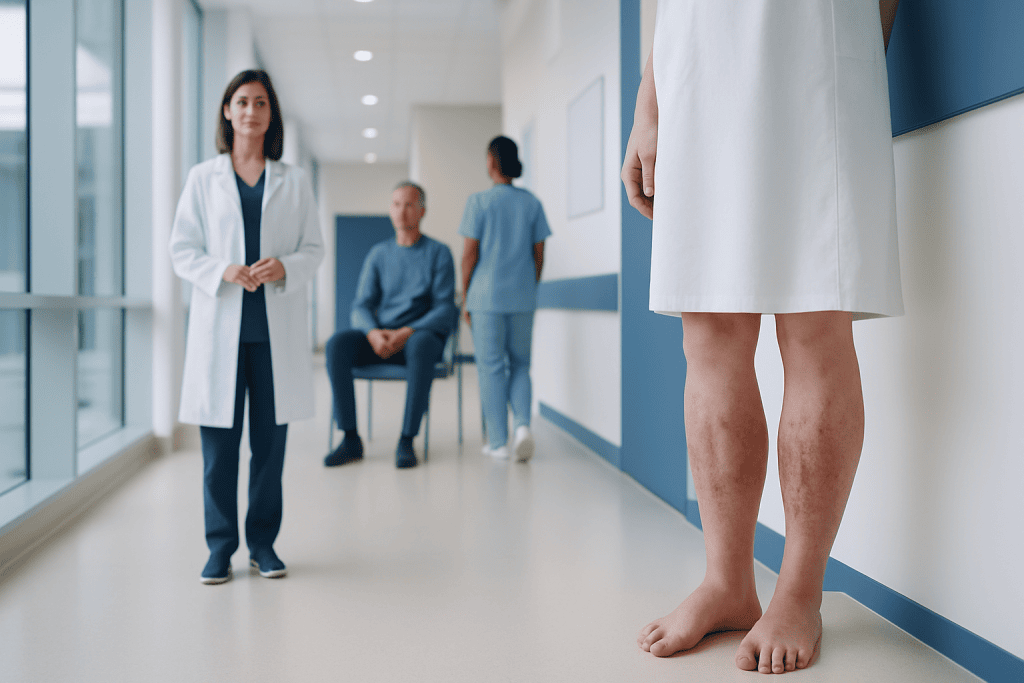
Pretibial myxedema is also called thyroid dermopathy and is most often linked to Graves' disease. It commonly affects the shins, causing firm swelling, thickening, discoloration, or a peau d’orange texture.
Key Takeaways
- Pretibial myxedema is also called thyroid dermopathy and is most often linked to Graves' disease.
- It commonly affects the shins, causing firm swelling, thickening, discoloration, or a peau d’orange texture.
- The condition is not the same as ordinary leg swelling and may occur with other thyroid eye or autoimmune features.
- Treatment focuses on controlling thyroid-related disease, protecting the skin, and using targeted therapies when needed.
- Medical review is important if leg skin changes are new, worsening, painful, or affecting mobility.
Pretibial myxedema is a skin condition most often associated with Graves' disease. It usually causes thickened, swollen, or waxy skin over the shins and is diagnosed by its appearance, thyroid history, and sometimes a skin biopsy.
What pretibial myxedema is
Pretibial myxedema is a skin condition in which the skin, usually over the lower legs and especially the shins, becomes thickened because certain sugar-rich substances called glycosaminoglycans build up in the skin. It is most strongly associated with Graves’ disease, an autoimmune thyroid disorder, and is sometimes called thyroid dermopathy. Although the name includes the word “myxedema,” this condition is different from the generalized skin changes seen in severe low thyroid hormone levels.
In many people, pretibial myxedema appears after a diagnosis of Graves’ disease, but timing can vary. Some people already have thyroid eye disease or a history of hyperthyroidism, while others notice skin changes later, even when thyroid hormone levels are being treated. The condition is usually localized rather than widespread, and the lower legs are the most common site.
An evidence-based way to understand pretibial myxedema is to see it as an autoimmune skin manifestation rather than a simple cosmetic problem. Immune activity stimulates cells in the skin to produce excess material that attracts water and causes swelling and thickening. This helps explain why the skin can feel firm, raised, and different from ordinary fluid retention.
How it looks and feels
Pretibial myxedema most often causes non-pitting swelling and thickening on the front of the lower legs. The skin may look shiny, waxy, pink, red-brown, or slightly yellowish. In some people, the surface develops a dimpled texture often compared with orange peel, known as peau d’orange.
Symptoms are not always severe. Some people have only visible skin changes without discomfort, while others notice itching, tightness, tenderness, or a feeling of heaviness in the legs. Less commonly, the affected area can form larger plaques or nodules, and in more advanced cases swelling may extend to the feet or other areas.
Because appearance varies, pretibial myxedema can be mistaken for eczema, lymphedema, chronic venous disease, cellulitis, or other skin disorders. Signs that support this diagnosis include a known history of Graves’ disease, thyroid eye disease, or other autoimmune thyroid features. If a person also has symptoms of Graves' disease, that broader context can help a clinician connect the skin findings to the thyroid condition.
- Firm, raised, or thickened shin skin
- Non-pitting swelling
- Waxy or shiny surface
- Color change from pink to brownish
- Itching, tightness, or mild discomfort
Why it happens and who is at risk

Pretibial myxedema is thought to develop when the immune system activates receptors in skin cells that are similar to those involved in thyroid disease. This immune stimulation encourages fibroblasts to produce glycosaminoglycans, which draw in water and lead to tissue swelling and thickening. In simple terms, the same autoimmune process affecting the thyroid can also affect the skin.
The condition is most often seen in people with Graves’ disease and is more likely in those who also have thyroid eye disease. It does not affect everyone with Graves’ disease, and severity can vary widely. A person may have mild thyroid symptoms but noticeable skin changes, or the opposite.
Risk appears higher when autoimmune thyroid disease is more active, and smoking is often considered an important aggravating factor in Graves-related complications. Local trauma or pressure to the lower legs may also play a role in some cases. These links do not mean a person caused the condition; rather, they help explain why some people develop skin involvement while others do not.
It is also important to know what pretibial myxedema is not. It is not a skin infection, and it is not usually a sign of cancer. However, because several leg conditions can look similar, proper evaluation matters before treatment begins.
How doctors diagnose pretibial myxedema
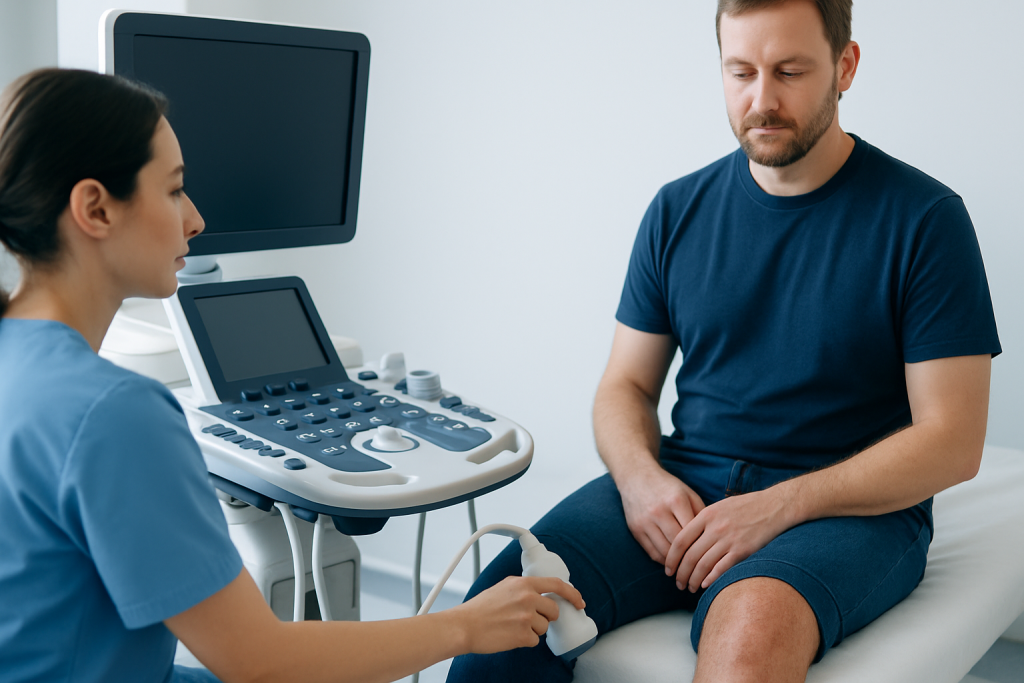
Diagnosis usually begins with a clinical examination and a review of thyroid history. Doctors look at the location, texture, color, and pattern of the skin changes, and ask about thyroid disease, eye symptoms, smoking history, and any recent worsening of swelling. In many cases, the combination of characteristic shin lesions and known Graves’ disease strongly suggests the diagnosis.
Blood tests may be used to assess thyroid function and thyroid-related antibodies, especially if the thyroid condition is not already well documented. These tests do not diagnose the skin condition by themselves, but they help place it in the correct endocrine context. If symptoms suggest a broader thyroid problem, an endocrinology assessment may be recommended.
When the appearance is unusual or another diagnosis is possible, a dermatologist may perform a skin biopsy. Under the microscope, the biopsy can show the typical mucin and glycosaminoglycan accumulation within the skin. This can help distinguish pretibial myxedema from inflammation, infection, venous disease, or lymphatic disorders. If the underlying thyroid condition needs evaluation or treatment, services such as thyroid disease treatment may be part of the overall care plan.
Treatment options and what improvement to expect
Treatment depends on how extensive the skin changes are, whether there is discomfort, and how active the underlying thyroid-related autoimmune disease appears to be. Mild cases may be managed conservatively with skin protection, compression when appropriate, and careful monitoring. More bothersome or cosmetically significant disease may need prescription treatment.
Topical corticosteroids, often used under occlusion, are a common first-line treatment for localized lesions because they can reduce inflammation and improve thickness over time. In selected cases, doctors may consider injected corticosteroids, compression therapy, or other dermatologic and immunomodulating approaches. Response can take time, and improvement may be gradual rather than immediate.
Managing the broader thyroid disorder is also important, although correcting thyroid hormone levels alone does not always make the skin lesions disappear. If a person has significant associated thyroid disease, clinicians may address this through medical or procedural care, including hyperthyroidism treatment when appropriate. For people with concurrent eye involvement, evaluation for thyroid eye disease may also be relevant because these conditions can occur together.
Patients should know that pretibial myxedema can improve, stabilize, or recur. Regular follow-up helps doctors adjust treatment and monitor for complications such as skin breakdown, secondary irritation, or reduced mobility from bulky swelling. Near the end of the care pathway, some international patients seek assessment at centers such as Acibadem International, where multidisciplinary specialists in JCI-accredited hospitals diagnose and treat thyroid-related conditions.
Self-care and daily skin protection
Self-care does not replace medical treatment, but it can support comfort and skin health. Gentle skin care is especially important because thickened or stretched skin may become irritated more easily. People are often advised to avoid scratching, reduce friction from tight clothing, and use fragrance-free moisturizers if the skin is dry.
Smoking cessation is strongly encouraged for overall thyroid and vascular health and may also help reduce the risk of worsening Graves-related complications. If a doctor recommends compression stockings, using them consistently can help support the lower legs, though compression is not suitable for everyone and should be discussed individually.
General self-care steps may include:
- Protecting the lower legs from repeated knocks or pressure
- Keeping skin clean and moisturized
- Following thyroid treatment and review appointments
- Elevating the legs if swelling is uncomfortable
- Reporting new pain, redness, or skin breakdown promptly
Because symptoms can overlap with circulation problems or dermatitis, self-treatment with over-the-counter products alone may delay the correct diagnosis. Persistent skin changes on the shins should be reviewed by a qualified clinician.
When to seek medical care
Medical care should be sought if there is new thickening, swelling, or discoloration over the shins, especially in someone with current or past thyroid disease. Review is also important if the area becomes painful, rapidly enlarges, affects walking, or develops cracks, sores, or signs of infection.
A person should arrange prompt assessment if skin changes are accompanied by symptoms such as palpitations, unexplained weight change, heat intolerance, tremor, eye bulging, or double vision, since these may suggest active thyroid disease that needs treatment. Urgent care is appropriate if there is sudden severe leg swelling, chest pain, shortness of breath, or fever, because these symptoms may point to other conditions that require immediate attention.
Even when symptoms seem mild, a proper diagnosis can prevent confusion with venous disease, lymphedema, eczema, or cellulitis. Early evaluation helps guide treatment, set realistic expectations, and coordinate care between dermatology, endocrinology, and other specialists when needed.
Frequently asked questions
Is pretibial myxedema the same as ordinary leg swelling?
No. Pretibial myxedema is a specific thyroid-related skin condition that causes thickening and non-pitting swelling, usually over the shins. Ordinary leg swelling can have many other causes, including vein problems, heart disease, kidney disease, or lymphatic disorders.
Does pretibial myxedema mean thyroid hormone levels are uncontrolled?
Not always. It is linked to autoimmune thyroid disease, especially Graves' disease, but it can appear even when thyroid hormone levels are being treated. Doctors usually assess both hormone levels and the broader autoimmune picture.
Can pretibial myxedema go away on its own?
Some mild cases may remain stable or improve over time, but spontaneous resolution is not guaranteed. Many people benefit from treatment and follow-up, especially if the skin changes are spreading, uncomfortable, or affecting daily life.
Is pretibial myxedema dangerous?
It is usually not dangerous in itself, but it can signal active autoimmune thyroid disease and may become uncomfortable or interfere with mobility in more severe cases. The main importance is getting the right diagnosis and treating any associated thyroid or eye disease.
How is pretibial myxedema confirmed?
Doctors often diagnose it by examining the skin and reviewing a person's thyroid history. Blood tests may help assess thyroid disease, and a skin biopsy may be used if the diagnosis is uncertain or another condition needs to be excluded.
What doctor treats pretibial myxedema?
Care may involve a dermatologist, an endocrinologist, or both. If Graves' disease or thyroid eye disease is also present, treatment often works best when specialists coordinate the plan.
References
- American Thyroid Association
- National Institute of Diabetes and Digestive and Kidney Diseases
- British Association of Dermatologists
- DermNet
- Mayo Clinic
This article is for general information only and is not a substitute for professional medical advice. Please consult a qualified doctor about your individual situation.
Oncology care in Turkey — second opinion and treatment plan
JCI-accredited · board-certified surgeons · reply within 24h
Add us as a Preferred Source to see more of our trusted health content across Google Search, AI Overviews and Discover.

More from the Health Library



Related Specialists
Prof. Dr. Serhat Çelikel
Pulmonology
Assoc. Prof. Dr. Tonguç Utku Yilmaz
General Surgery
Fzt. Nursena Altınkaya
Physical Medicine & Rehabilitation
Dr. Yasemin Dilek Soysal
Pediatric Gastroenterology