Lifevest: What Patients Need to Know
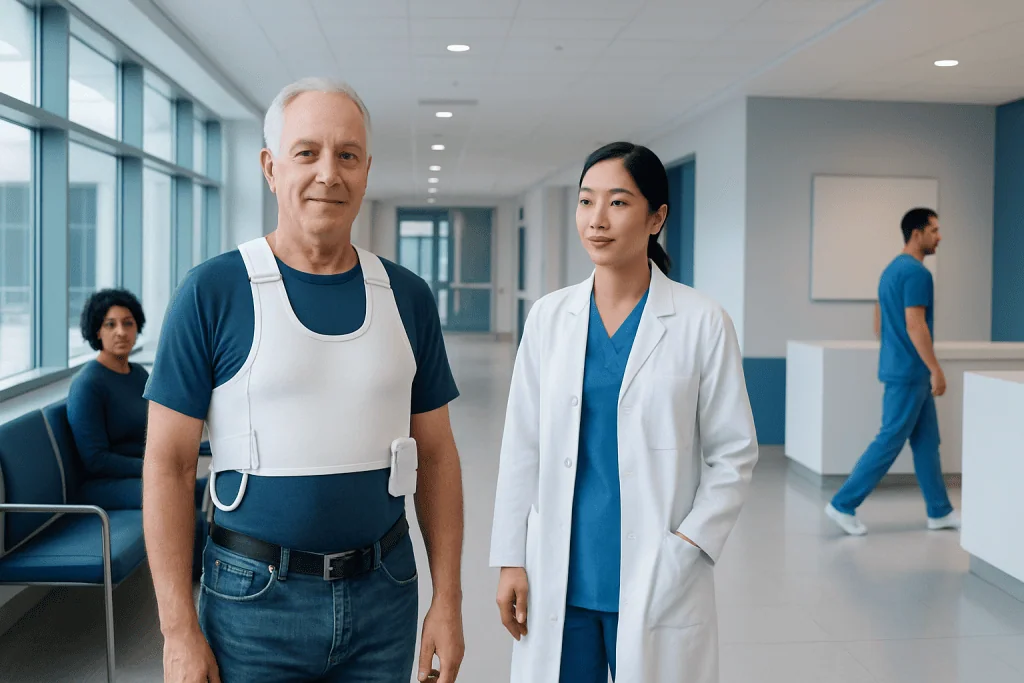
A LifeVest continuously monitors the heart and can deliver a shock if a life-threatening rhythm is detected. It is most often used short term in people at high risk of dangerous ventricular arrhythmias.
Key Takeaways
- A LifeVest continuously monitors the heart and can deliver a shock if a life-threatening rhythm is detected.
- It is most often used short term in people at high risk of dangerous ventricular arrhythmias.
- The device does not replace regular medical follow-up, medicines, or emergency care when symptoms occur.
- Wearing the LifeVest as instructed, including during sleep, is important for protection.
- Doctors may recommend a LifeVest after a heart attack, new heart failure diagnosis, or removal of an implanted defibrillator.
A LifeVest is a wearable cardioverter defibrillator used to lower the risk of sudden cardiac arrest in certain people with serious heart rhythm risk. It is usually a temporary safety measure while the heart is healing, test results are being reviewed, or a long-term treatment plan is being decided.
Overview: what a LifeVest does
A LifeVest is a wearable cardioverter defibrillator. It is designed for people who may be at temporary risk of a dangerous heart rhythm that can lead to sudden cardiac arrest. The device is worn under clothing and continuously checks the heart rhythm throughout the day and night.
If the LifeVest detects a life-threatening rhythm such as ventricular tachycardia or ventricular fibrillation, it can alert the patient and, if needed, deliver a treatment shock to try to restore a safer heartbeat. This makes it different from a simple heart monitor, because it does more than record the rhythm.
Doctors usually prescribe a LifeVest when protection is needed right away, but a permanent implanted device may not be appropriate yet. For example, the heart may still be recovering after a recent cardiac event, or the medical team may want to see whether medicines improve heart function before deciding on a permanent implantable cardioverter defibrillator.
Who may need a LifeVest
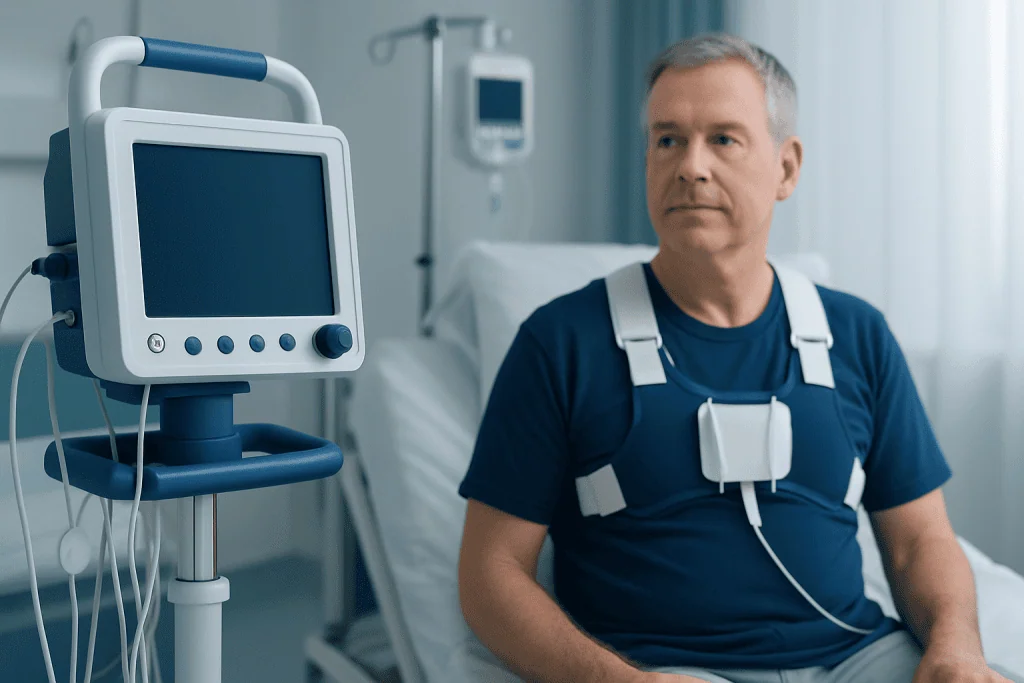
A LifeVest is not meant for everyone with heart disease. It is generally considered for people who have a higher-than-average risk of serious ventricular arrhythmias, especially when that risk may be temporary or still being evaluated.
Common situations include recovery after a recent heart attack, newly diagnosed heart failure with a significantly reduced pumping function, or a period after heart surgery or a heart infection. It may also be used when an implanted defibrillator has been removed, such as after a device-related infection, and protection is still needed before another device can be placed.
Some people receive a LifeVest while doctors investigate conditions linked to dangerous rhythms, including heart failure or certain types of cardiomyopathy. The exact decision depends on the person’s overall heart function, symptoms, test results, and the expected length of risk.
- Recent heart attack with reduced heart function
- New diagnosis of weakened heart muscle
- Waiting to see whether medication improves the heart
- Temporary period after removal of an implanted defibrillator
- Specific inherited or acquired rhythm risks under specialist review
How the device works in daily life
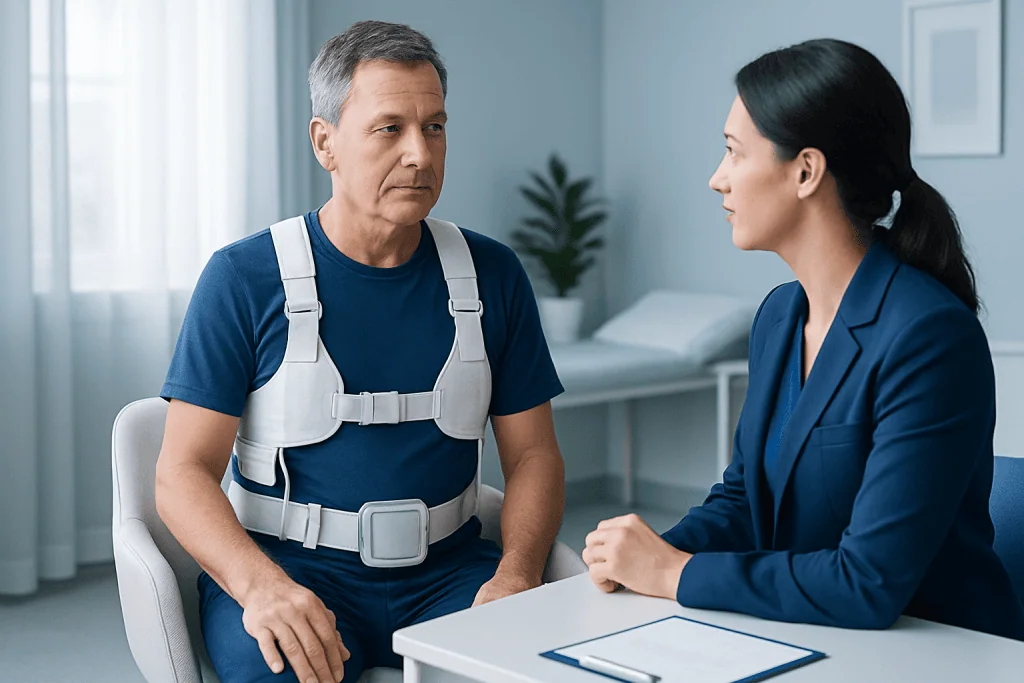
The LifeVest usually includes a lightweight garment worn around the chest and a monitor worn on a belt or shoulder strap. Sensors in the garment detect the heart rhythm. If a dangerous rhythm is identified, the device gives alarms and voice prompts so the patient is aware of what is happening.
If the patient is awake and not having a true emergency, they may be able to respond to the alerts according to the care team’s instructions. If the rhythm is confirmed as life-threatening and not stopped, the device can deliver a shock through treatment pads in the garment. The goal is to restore an organized rhythm quickly.
For many people, the biggest practical issue is consistent use. The device is typically meant to be worn nearly all the time, including during sleep, and removed only briefly for bathing. Wearing it regularly matters because dangerous rhythms can occur unexpectedly, even when a person feels reasonably well.
Patients are also usually taught how to change batteries, care for the garment, and send stored information to the medical team if the model supports remote review. These steps help clinicians track use and understand whether any rhythm events or alarms have occurred.
Benefits, limits, and common concerns
The main benefit of a LifeVest is that it provides immediate, noninvasive protection while doctors decide whether the risk is temporary or whether a permanent implanted device is needed. This can be reassuring during a period of uncertainty, especially after a recent heart problem.
At the same time, a LifeVest has limitations. It does not treat the underlying heart condition, and it does not prevent every rhythm problem from happening. It works best as one part of a broader care plan that may include medication, lifestyle changes, testing, and specialist follow-up.
Some people worry about discomfort, skin irritation, sleep disruption, or fear of receiving a shock. These concerns are understandable and should be discussed with the care team. Adjustments to fit, skin care, and clear instructions can often make the device easier to live with. The medical team can also explain how and when shocks are delivered and what to do after an alarm or treatment event.
Another common question is whether a LifeVest replaces the need for evaluation by a heart specialist. It does not. People using one still need regular review, and many are referred for advanced rhythm assessment or electrophysiology study if the cause of the arrhythmia risk is unclear or if further treatment planning is needed.
Tests, follow-up, and deciding what comes next
A LifeVest is usually prescribed after an evaluation that may include an electrocardiogram, echocardiogram, blood tests, ambulatory rhythm monitoring, and review of symptoms such as fainting or palpitations. The most important question is whether the person is at meaningful risk of dangerous ventricular arrhythmias and whether that risk is expected to change over time.
Follow-up often includes repeat imaging of the heart to see whether pumping function improves. In some people, treatment of the underlying problem reduces the risk enough that the LifeVest is no longer needed. In others, the risk remains high, and a permanent implanted defibrillator may be advised.
Doctors may also look for blocked coronary arteries or rhythm pathways that could benefit from treatment. Depending on the individual case, this may involve cardiac catheterization or a specialist rhythm procedure. The final plan is based on the overall diagnosis, not only on whether the LifeVest recorded an alarm.
At centers such as Acibadem International, multidisciplinary specialists in cardiology and cardiac rhythm care at JCI-accredited hospitals evaluate international patients who may need monitoring, further testing, or treatment for serious heart rhythm risk.
Living safely with a LifeVest
Daily habits can make LifeVest use smoother and safer. Patients are usually advised to wear the device exactly as prescribed, keep spare batteries charged, and follow cleaning instructions for the garment and skin-contact areas. A properly fitted device is more comfortable and more reliable.
Medicines should be taken as directed, even when the device is being worn. The LifeVest is not a substitute for heart failure treatment, blood pressure control, or care for coronary artery disease. Avoiding missed follow-up visits is just as important as wearing the device itself.
It can also help to involve family members or caregivers. They may want to know what the alarms sound like, what to do if the patient loses consciousness, and when to call emergency services. If there are concerns about exercise, work, or travel, the safest step is to ask the prescribing team for personalized advice.
- Wear the device consistently, including while sleeping
- Remove it only when instructed, such as for bathing
- Keep batteries charged and supplies available
- Report repeated alarms, skin irritation, or fit problems
- Continue prescribed medications and heart-healthy habits
When to seek medical care
Anyone wearing a LifeVest should seek urgent medical help if they have chest pain, severe shortness of breath, fainting, new confusion, or symptoms suggesting a heart emergency. Emergency care is also important after a treatment shock, even if the person feels better afterward, unless their own medical team has given different instructions for a very specific situation.
Non-emergency medical advice should be requested if the device gives repeated alarms, the garment causes skin breakdown, the monitor is not working properly, or symptoms such as palpitations, dizziness, or swelling are getting worse. These issues may mean the device needs adjustment or that the heart condition needs reassessment.
People should also contact their doctor if they are unsure how long the LifeVest is needed or whether they may need long-term treatment, such as a permanent defibrillator or care for an underlying rhythm problem like arrhythmia. Prompt follow-up helps ensure the device is being used safely and that the larger treatment plan stays on track.
Frequently asked questions
Is a LifeVest the same as a pacemaker or implanted defibrillator?
No. A LifeVest is worn outside the body and is usually used temporarily. A pacemaker or implanted defibrillator is placed under the skin during a procedure and is intended for longer-term management when appropriate.
Can a person sleep while wearing a LifeVest?
Yes. In fact, it is usually important to wear the device during sleep because dangerous rhythms can happen at any time. The prescribing team will explain when it is safe to remove it briefly, such as for bathing.
Will the LifeVest shock the heart all the time?
No. The device is designed to monitor continuously but only treat specific dangerous rhythms. It gives alerts before treatment, and many users never receive a shock.
How long does someone usually wear a LifeVest?
The length of use varies depending on why it was prescribed. Some people need it for a short recovery period, while others wear it until repeat tests show whether the heart has improved or a permanent device is needed.
Can a person exercise or go out while wearing a LifeVest?
Many daily activities are still possible, but the advice depends on the underlying heart condition and symptoms. The safest approach is to follow the cardiology team’s instructions about work, activity, travel, and driving.
What should happen after a LifeVest shock?
A shock can mean the device detected a potentially life-threatening rhythm, so prompt medical evaluation is usually needed. Even if symptoms improve right away, the patient should follow the emergency instructions given by their care team.
References
- American Heart Association
- National Heart, Lung, and Blood Institute
- Heart Rhythm Society
- European Society of Cardiology
- Mayo Clinic
This article is for general information only and is not a substitute for professional medical advice. Please consult a qualified doctor about your individual situation.
Heart care in Turkey — expert evaluation and treatment
JCI-accredited · board-certified surgeons · reply within 24h
Add us as a Preferred Source to see more of our trusted health content across Google Search, AI Overviews and Discover.

More from the Health Library



Related Specialists

Prof. Dr. Ozan Kocakaya
Internal Medicine
Dr. Osman Egüz
Emergency Service
Prof. Dr. Evrim Kadriye Tezcanlı
Radiation Oncology
Dr. Ünzüle Akpınar Sürenoğlu
Otorhinolaryngology