Vaginal Cuff: What Is Normal, What Is Not, and When to Seek Care

The vaginal cuff is a surgical closure created after hysterectomy, most often when the cervix is removed. Light bleeding, mild discharge, and pelvic soreness can be part of normal healing in the first weeks.
Key Takeaways
- The vaginal cuff is a surgical closure created after hysterectomy, most often when the cervix is removed.
- Light bleeding, mild discharge, and pelvic soreness can be part of normal healing in the first weeks.
- Heavy bleeding, worsening pain, fever, bad-smelling discharge, or tissue bulging from the vagina are warning signs.
- Following lifting, exercise, and sexual activity restrictions helps reduce strain on the healing cuff.
- Vaginal cuff dehiscence is uncommon but urgent and needs immediate medical attention.
A vaginal cuff is the closure made at the top of the vagina after the cervix and uterus are removed during a hysterectomy. Mild spotting, pressure, and gradual healing are often normal, while heavy bleeding, fever, severe pain, opening of the incision, or foul-smelling discharge are not and should be assessed promptly.
Overview: what a vaginal cuff is and what is usually normal
A vaginal cuff is the stitched closure at the top of the vagina after a hysterectomy in which the uterus is removed and, in many cases, the cervix as well. It creates a safe, healed boundary between the vagina and the pelvic cavity. For most people, healing is straightforward and symptoms improve gradually over several weeks.
What is usually normal depends partly on the type of surgery and the person’s overall health, but common early symptoms include light spotting, a small amount of pink or brown discharge, a feeling of pelvic pressure, fatigue, and mild pain or tenderness. These symptoms typically become less noticeable with time rather than more intense.
The term “vaginal cuff” can sound alarming, but it refers to a routine part of recovery after hysterectomy, not a separate disease. The most helpful question is whether symptoms are following a steady healing pattern. If they are getting worse instead of better, or if new symptoms appear suddenly, medical advice is important.
How the vaginal cuff heals after hysterectomy
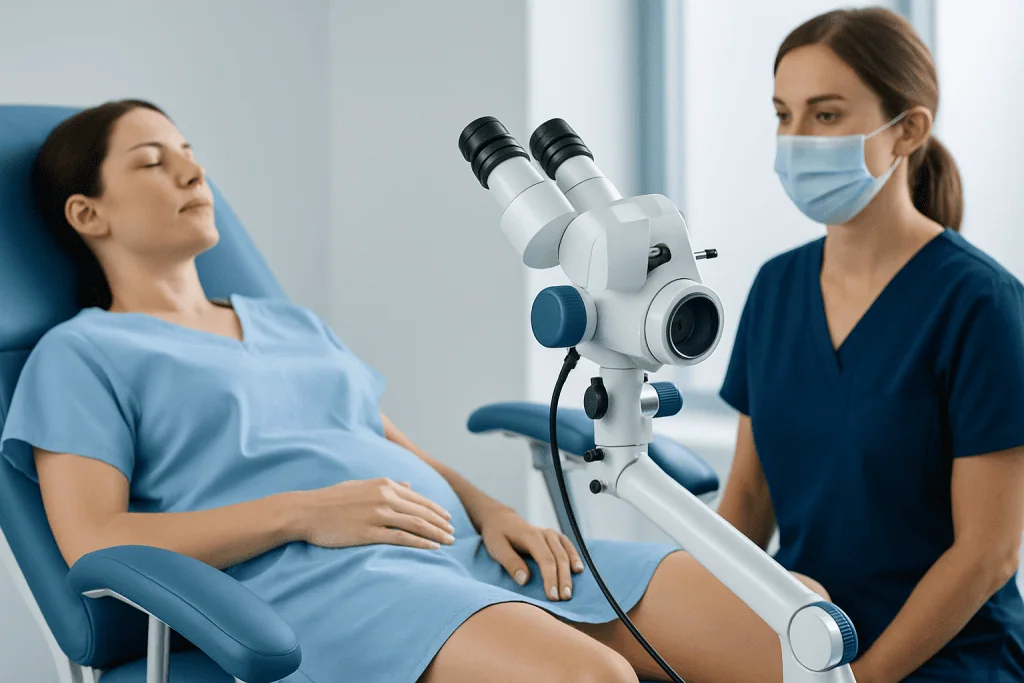
During healing, the stitches or surgical closure at the top of the vagina gradually seal and strengthen. In the first days and weeks, the body forms new tissue and blood vessels. This can cause mild swelling, light discharge, and intermittent discomfort, especially with movement, coughing, or bowel motions.
Healing time varies. Some people feel noticeably better within a few weeks, while deeper tissue healing can take longer. Even when the outside recovery seems complete, the internal surgical site may still be vulnerable to strain. That is why surgeons often recommend temporary limits on intercourse, tampons, heavy lifting, and intense exercise.
Several factors can influence healing, including age, smoking, diabetes, poor nutrition, chronic constipation, infection risk, previous pelvic surgery, and the surgical approach used. A person recovering from hysterectomy may also have different instructions depending on whether the operation was abdominal, laparoscopic, robotic, or vaginal.
What symptoms can be expected during recovery

Typical recovery symptoms are usually mild to moderate and should slowly improve. These can include light vaginal spotting, watery or slightly blood-tinged discharge, low pelvic aching, a pulling sensation, or a feeling of fullness in the vagina. Some people also notice temporary changes in bladder or bowel habits after pelvic surgery.
A small amount of discharge may continue while sutures dissolve and tissue remodels. This can be normal if there is no strong odor, fever, or significant increase in pain. Fatigue is also common after surgery and may last longer than expected, even when the vaginal cuff itself is healing well.
Expected symptoms often include:
- Light pink, brown, or red spotting
- Mild pelvic soreness or pressure
- Discomfort with sudden movements
- Temporary constipation or bloating
- Gradual improvement over days to weeks
People sometimes worry about every twinge or spot of blood, but the pattern matters. Mild symptoms that remain stable or improve are more reassuring than symptoms that are heavy, sudden, foul-smelling, or progressively worse.
What is not normal: warning signs and possible complications
Symptoms that are not considered normal include heavy vaginal bleeding, severe or increasing pelvic pain, fever, chills, foul-smelling discharge, or a sudden gush of fluid. These can point to infection, bleeding, a collection of fluid, or a problem with the cuff closure. Any new symptom that feels dramatic or rapidly worsening deserves medical review.
One of the most important complications is vaginal cuff dehiscence, which means the surgical closure opens partially or completely. This is uncommon, but it is urgent. It may cause sudden pelvic pain, bleeding, pressure, or the sensation that tissue is bulging or coming through the vagina. Straining, early intercourse, or delayed healing can contribute, although it may also happen without a clear trigger.
Another possible issue is infection of the cuff or surrounding tissues. This may cause fever, increasing tenderness, unusual discharge, or pain during urination or bowel movements. In some cases, symptoms overlap with other pelvic conditions such as pelvic inflammatory disease, so a clinical examination is needed to identify the cause correctly.
Less often, scar tissue, granulation tissue, or persistent pelvic floor tension may lead to ongoing spotting, discomfort, or pain with intercourse after the main healing period. These problems are usually treatable, but they should not be ignored if they continue.
Diagnosis: how doctors assess vaginal cuff problems
Doctors begin by asking about the hysterectomy, how long ago it was performed, and what symptoms are present. The timing of bleeding, severity of pain, presence of fever, bowel or bladder symptoms, and any recent intercourse or heavy lifting can all help clarify whether healing is routine or whether a complication is more likely.
A pelvic examination is often the key step. It allows the clinician to check the cuff closure, look for active bleeding, signs of infection, discharge, granulation tissue, or any opening in the incision. Depending on symptoms, the doctor may also order blood tests, swabs, or imaging such as ultrasound or CT to look for internal bleeding, abscess, or other pelvic problems.
Sometimes symptoms that seem to come from the cuff are actually related to nearby structures, such as the bladder, bowel, or pelvic floor muscles. If the picture is unclear, the doctor may assess for conditions such as endometriosis or refer to specialists in gynecology, urogynecology, or pelvic floor rehabilitation.
Treatment options for vaginal cuff concerns
Treatment depends on the underlying issue. Normal healing usually needs reassurance, follow-up, pain control as advised by the surgeon, and activity modification. If the problem is minor granulation tissue, a doctor may treat it in the clinic. If there is an infection, antibiotics or drainage may be needed, depending on severity and location.
For significant bleeding, a cuff hematoma, or signs that the closure has opened, treatment is more urgent. Vaginal cuff dehiscence often requires prompt surgical repair and careful evaluation for injury to surrounding organs. In these situations, it is safer not to insert anything into the vagina and to seek immediate emergency care.
Recovery can also include supportive care for bowel regularity, hydration, and pelvic rest. Some people benefit from pelvic floor rehabilitation later in recovery if they have persistent pelvic pain, pressure, or difficulty returning to comfortable sexual activity. In selected cases with ongoing symptoms, further gynecologic assessment or procedures may be recommended, including laparoscopy if another pelvic cause is suspected.
Prevention and self-care during healing
Good self-care can help protect the healing vaginal cuff. The most important step is following the surgeon’s instructions closely, especially around lifting limits and the timing for returning to sex, exercise, baths, and tampon use. Even if a person feels well, internal healing may still be incomplete.
Helpful habits include avoiding constipation, drinking enough fluids, eating balanced meals with adequate protein, and not smoking. Supporting the body’s general recovery lowers strain on the surgical area. When coughing or moving from bed to standing, gentle bracing of the abdomen may also help reduce discomfort.
Practical self-care steps include:
- Resting without staying completely inactive
- Walking gently as advised to support circulation
- Avoiding heavy lifting and high-impact exercise
- Using medications only as prescribed or approved
- Keeping follow-up appointments, even if recovery seems to be going well
If there are menopausal symptoms, dryness, or discomfort after healing, a gynecologist can discuss safe options. These may include moisturizers, lubricants, or other individualized treatments, especially if there has been surgery involving the ovaries as well as the uterus.
When to seek medical care
Medical care is needed promptly if there is heavy bleeding, a fever, severe or worsening pain, foul-smelling discharge, or a sudden increase in pelvic pressure. Care is also needed if there is dizziness, faintness, nausea with severe pain, difficulty urinating, or concern that tissue is protruding from the vagina. These symptoms are not part of routine recovery and should not wait for a routine follow-up.
If symptoms are mild but persistent, such as spotting that continues longer than expected, pain with intercourse after the healing period, or ongoing pelvic discomfort, it is still worth arranging a gynecology review. Small issues can often be treated more easily when assessed early.
For international patients who need evaluation, Acibadem International’s multidisciplinary specialists and JCI-accredited hospitals diagnose and treat gynecologic conditions, including recovery concerns after hysterectomy and related pelvic disorders.
Frequently asked questions
How long does a vaginal cuff take to heal?
Initial healing often happens over several weeks, but deeper tissue healing can take longer. The exact timeline depends on the type of hysterectomy, overall health, and whether there are any complications. A surgeon’s activity restrictions are important even if recovery feels quick.
Is spotting normal after vaginal cuff surgery?
Yes, light spotting or a small amount of pink or brown discharge can be normal during early healing. It should generally lessen over time. Heavy bleeding, bright red flow that increases, or bleeding with severe pain should be checked urgently.
What does vaginal cuff dehiscence feel like?
It may cause sudden pelvic pain, pressure, bleeding, or the sensation that something is bulging in the vagina. Some people notice a sudden change after straining or intercourse, but it can also occur without a clear trigger. This is an urgent problem and needs immediate medical care.
When can sexual activity resume after a hysterectomy with a vaginal cuff?
The timing should be decided by the surgeon, because internal healing varies from person to person. Many patients are advised to avoid vaginal intercourse for several weeks to protect the cuff closure. Resuming too early can increase the risk of pain, bleeding, or opening of the incision.
Can a vaginal cuff cause pain months later?
It can, although pain months later is not always caused by the cuff itself. Scar tissue, granulation tissue, pelvic floor tension, dryness, or another pelvic condition may be involved. Ongoing or new pain deserves assessment by a qualified clinician.
Does every hysterectomy involve a vaginal cuff?
A vaginal cuff is typically created when the uterus and cervix are removed, such as in a total hysterectomy. It may not be relevant in the same way if the cervix is left in place during a supracervical hysterectomy. The surgeon can explain exactly what was done in an individual operation.
References
- American College of Obstetricians and Gynecologists
- National Health Service
- MedlinePlus
- Mayo Clinic
- Royal College of Obstetricians and Gynaecologists
This article is for general information only and is not a substitute for professional medical advice. Please consult a qualified doctor about your individual situation.
Explore treatments in Turkey — costs, top hospitals & a free quote
JCI-accredited · board-certified surgeons · reply within 24h
Add us as a Preferred Source to see more of our trusted health content across Google Search, AI Overviews and Discover.

More from the Health Library



Related Specialists

Dr. Lerzan Doğan
Anesthesiology
Prof. Dr. Süleyman Özyalçin
Treatment of Pain Algology
Dr. Ceyda Sabancı
Oral & Dental Health
Dr. Mehmed Fatih Yumrutaş
Inpatient Clinic Physicians Clinical Service