Shaving with Shaving Oil: What Patients Need to Know
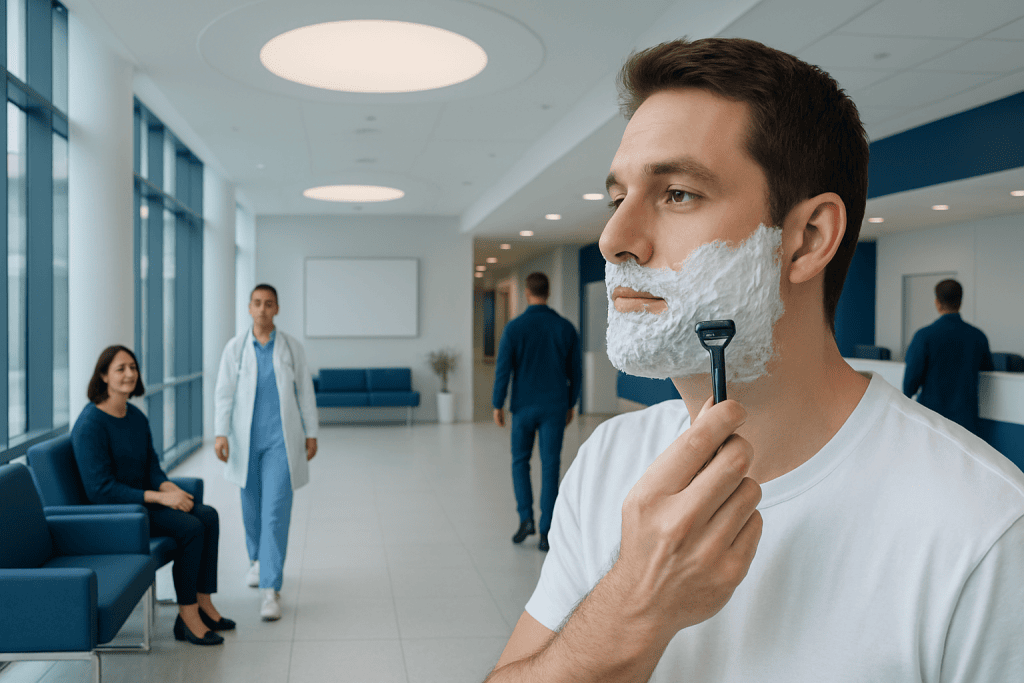
Shaving oil forms a thin lubricating layer that may help reduce razor drag and skin dryness. It is often helpful for dry or sensitive skin, but it may not suit everyone, especially those prone to acne or folliculitis.
Key Takeaways
- Shaving oil forms a thin lubricating layer that may help reduce razor drag and skin dryness.
- It is often helpful for dry or sensitive skin, but it may not suit everyone, especially those prone to acne or folliculitis.
- Good preparation, a clean sharp razor, and gentle technique matter as much as the product itself.
- Fragrance, essential oils, and heavy oils can irritate some skin types or clog pores in acne-prone areas.
- Persistent razor bumps, rash, pain, or signs of infection should be assessed by a qualified clinician.
Shaving with shaving oil can be a useful option for some people because it helps the razor glide and may reduce dryness and friction. It works best when matched to the person’s skin type, shaving method, and aftercare routine, with attention to signs of irritation or allergy.
Overview: Is shaving with shaving oil a good idea?
Shaving with shaving oil can be a good option for many people. The oil creates a thin layer between the razor and the skin, which may help reduce friction, improve glide, and leave the skin feeling less dry after shaving. Some people use it alone, while others apply it under shaving cream or gel for added slip.
Whether it works well depends on the area being shaved, the person’s skin type, and the ingredients in the product. Someone with dry or easily irritated skin may find shaving oil soothing, while a person with acne-prone or very oily skin may prefer a lighter product. Technique also matters: even a good shaving oil cannot fully prevent irritation if the razor is dull or the skin is shaved too aggressively.
From a medical perspective, shaving oil is not essential, but it can be a practical part of a skin-friendly shaving routine. The main goal is to reduce trauma to the outer skin barrier. When the barrier is protected, there is often less redness, tightness, and post-shave discomfort.
How shaving oil works on the skin

Shaving removes hair very close to the skin, and that process creates mechanical stress. A shaving oil helps by coating the skin and hair shaft, softening the hair and allowing the blade to pass with less pulling. This can make shaving feel smoother, especially in coarse hair areas such as the beard line, underarms, legs, or bikini area.
Many shaving oils contain a blend of plant oils, synthetic emollients, or silicone-like ingredients that reduce drag. Some also include humectants or calming ingredients intended to support the skin barrier. However, products with strong fragrance or essential oils can sometimes cause burning or contact irritation, particularly on freshly shaved skin.
A practical advantage of shaving oil is transparency. Because the layer is usually thinner and clearer than foam, it can make it easier to see edges and contours. That may be useful when shaping facial hair or shaving around moles, scars, or delicate skin. Even so, visibility should never replace careful technique and skin protection.
Who may benefit most from shaving with shaving oil

People with dry skin, mature skin, or mild shaving sensitivity often do well with shaving oil. These skin types can lose moisture easily and may react to harsh soaps or heavily foaming formulas. An oil-based product may help preserve softness and reduce the feeling of tightness that sometimes follows shaving.
It can also be useful for coarse or curly hair, where razor drag and ingrown hairs are more common. By improving glide and softening the hair, shaving oil may reduce the force needed to cut each hair. This does not guarantee prevention of bumps, but it may support gentler shaving when combined with other good habits.
Some people use shaving oil as part of a broader plan to limit irritation from recurring razor bumps or inflamed follicles. If symptoms are frequent or severe, it can help to review common skin conditions such as folliculitis or discuss recurring shaving-related irritation with a dermatologist. In cases of long-term unwanted hair or repeated irritation, some may eventually ask about options such as laser hair removal as a way to reduce shaving frequency.
Possible downsides, side effects, and who should be cautious
Shaving oil is not ideal for everyone. In people with acne-prone skin, very rich oils may contribute to clogged pores or worsen breakouts, especially on the face, chest, or back. This risk depends on the specific formulation rather than the term “oil” alone, but it is sensible to choose non-comedogenic or lighter products when acne is a concern.
Another issue is irritation from additives. Fragrance, botanical extracts, and essential oils may cause stinging, redness, or an itchy rash, especially if the skin barrier is already disrupted. People with eczema, very sensitive skin, or a history of skin allergy should patch-test new products and avoid heavily scented formulas. Those with ongoing inflammatory skin disease may benefit from medical guidance, particularly if symptoms overlap with eczema or sensitive-skin reactions.
There are also practical drawbacks. Too much oil can make the razor harder to rinse, increase residue on the blade, and create a slippery shower surface. If the product is applied too thickly, it may lead to uneven contact between blade and hair rather than a cleaner shave. Using a small amount and rinsing the razor often can help avoid these problems.
How to use shaving oil safely and effectively
Good results usually begin before the product touches the skin. It helps to shave after a warm shower or after washing the area with lukewarm water so the hair softens. The skin should be clean, and the razor should be sharp and free of buildup. A dull blade increases friction regardless of the lubricant used.
Apply a small amount of shaving oil to damp skin and spread it into a thin, even layer. Many people do well shaving in the direction of hair growth first, especially on sensitive areas. Short, gentle strokes are generally kinder to the skin than repeated fast passes. The razor should be rinsed often so oil, hair, and skin debris do not collect between blades.
After shaving, rinse with lukewarm water and pat the skin dry rather than rubbing. A bland, fragrance-free moisturizer can help seal in hydration. If a person regularly develops post-shave redness, bumps, or itching, supportive skin care may help, and some clinicians may suggest evaluation for barrier damage or inflammatory conditions; related care can overlap with dermatology assessment when symptoms persist.
- Use a small amount of oil rather than a thick layer.
- Prefer a clean, sharp razor to reduce drag.
- Shave gently and avoid pressing the blade into the skin.
- Moisturize after shaving, especially if the skin feels tight or dry.
Choosing a shaving oil: ingredients and practical tips
When selecting a shaving oil, ingredient simplicity is often helpful. Products with fewer irritants may be easier for sensitive skin to tolerate. Fragrance-free or low-fragrance formulas are often a better starting point for people who have experienced post-shave burning or rash. If the product will be used on the face, lighter textures may feel more comfortable and may be less likely to leave residue.
Patch testing is a sensible step, especially for people with allergies or reactive skin. A small amount can be applied to a discreet area for a day or two before broader use. This does not prevent every reaction, but it may identify obvious irritation before the product is used on freshly shaved skin.
It is also reasonable to think about the shaving method itself. Some people prefer shaving oil alone, while others use it as a pre-shave layer under cream. If repeated shaving continues to trigger irritation, professional advice can help determine whether the issue is technique, skin sensitivity, hair texture, or an underlying condition. In selected cases, people may discuss alternatives such as skin care and dermatologic procedures to reduce recurrent irritation or improve skin health.
When to seek medical care
Most mild shaving irritation improves with rest, gentle skin care, and avoiding further friction for a short time. Medical assessment is more important if redness is severe, pain is increasing, or the area becomes warm, swollen, or drains pus. These features can suggest infection or significant inflammation rather than simple razor burn.
A doctor should also be consulted if bumps keep returning, dark marks develop, or shaving becomes consistently painful. Recurrent ingrown hairs, scarring, or widespread rash may need a closer look to rule out folliculitis, contact dermatitis, eczema, or other skin conditions. Persistent symptoms are not something a person needs to manage alone.
For international patients who need specialist evaluation, Acibadem International’s multidisciplinary specialists and JCI-accredited hospitals diagnose and treat a wide range of skin concerns. A qualified clinician can help decide whether product changes, shaving modifications, prescription treatment, or a longer-term hair reduction approach is most appropriate.
Frequently asked questions
Is shaving with shaving oil better than shaving cream?
Not always. Shaving oil may be better for some people because it reduces friction and can feel less drying, but others prefer shaving cream for cushioning and easier razor control. The best choice depends on skin type, hair texture, and how the skin responds after shaving.
Can shaving oil help prevent razor burn?
It may help reduce razor burn by improving razor glide and lowering friction on the skin. However, prevention also depends on using a sharp razor, shaving gently, and caring for the skin afterward. If irritation continues despite good technique, another skin issue may be present.
Is shaving oil safe for sensitive skin?
It can be safe for sensitive skin if the formula is simple and low in irritants. Fragrance-free products are often a better choice, and patch testing is a sensible precaution. If stinging, rash, or persistent redness occurs, the product should be stopped and medical advice considered.
Can shaving oil cause acne or clogged pores?
Some shaving oils may contribute to clogged pores in acne-prone skin, especially if they are heavy or contain pore-clogging ingredients. This varies by product and by skin type. A lighter, non-comedogenic formula may be more suitable for areas prone to breakouts.
Should shaving oil be used alone or under shaving cream?
Both methods are used. Some people like shaving oil alone for a close, visible shave, while others use a thin layer under cream or gel for extra glide. The safer approach is the one that allows gentle shaving without repeated passes or skin irritation.
What should someone do if bumps appear after shaving with shaving oil?
The skin should be given a break from shaving, and the area should be kept clean and moisturized with a gentle product. If bumps are painful, filled with pus, repeatedly recur, or leave marks, a doctor should assess the area. Ongoing bumps may reflect ingrown hairs, irritation, or folliculitis rather than the oil alone.
References
- American Academy of Dermatology
- National Health Service
- Mayo Clinic
- British Association of Dermatologists
This article is for general information only and is not a substitute for professional medical advice. Please consult a qualified doctor about your individual situation.
Explore treatments in Turkey — costs, top hospitals & a free quote
JCI-accredited · board-certified surgeons · reply within 24h
Add us as a Preferred Source to see more of our trusted health content across Google Search, AI Overviews and Discover.