What Is Scissoring? A Doctor-Reviewed Answer

In medical use, scissoring usually means the legs cross due to muscle tightness or spasticity. Occasional leg crossing can be normal, but persistent involuntary scissoring may point to a neurologic or muscle-control problem.
Key Takeaways
- In medical use, scissoring usually means the legs cross due to muscle tightness or spasticity.
- Occasional leg crossing can be normal, but persistent involuntary scissoring may point to a neurologic or muscle-control problem.
- Doctors look at symptoms, muscle tone, reflexes, gait, and sometimes imaging to find the cause.
- Treatment depends on the underlying condition and may include physical therapy, stretching, medicines, or supportive devices.
- Medical review is important if scissoring is new, painful, worsening, or associated with weakness, balance problems, or developmental concerns.
What is scissoring? In medicine, it most often describes a leg position where the thighs cross like scissors because certain muscles are too tight or overactive. It is often linked to muscle spasticity and may be harmless in some situations, but persistent or new scissoring should be assessed if it affects comfort, movement, or daily life.
Overview: what doctors mean by scissoring
What is scissoring? In a clinical setting, scissoring usually describes a pattern in which the legs involuntarily cross over each other, often because the muscles of the inner thighs are unusually tight. This can happen when the nervous system is affecting muscle tone, leading to stiffness or spasticity. In many cases, the movement itself is not dangerous, but it can be a sign that the body needs assessment and support.
The term can also appear in non-medical conversations to describe a sexual position. In health care, however, a doctor reviewing “scissoring” is usually referring to leg posture, gait, or muscle control. Clarifying the meaning matters, because the medical causes, tests, and treatments relate to movement and the nervous system rather than sexual health.
Scissoring may be seen in infants, children, or adults. In babies, a brief crossing of the legs can sometimes occur during handling or reflex activity and may not always indicate a problem. Persistent, strong, or repeated scissoring—especially when paired with stiffness, delayed motor milestones, pain, or walking difficulty—deserves medical attention so the cause can be identified early.
How scissoring can look and feel
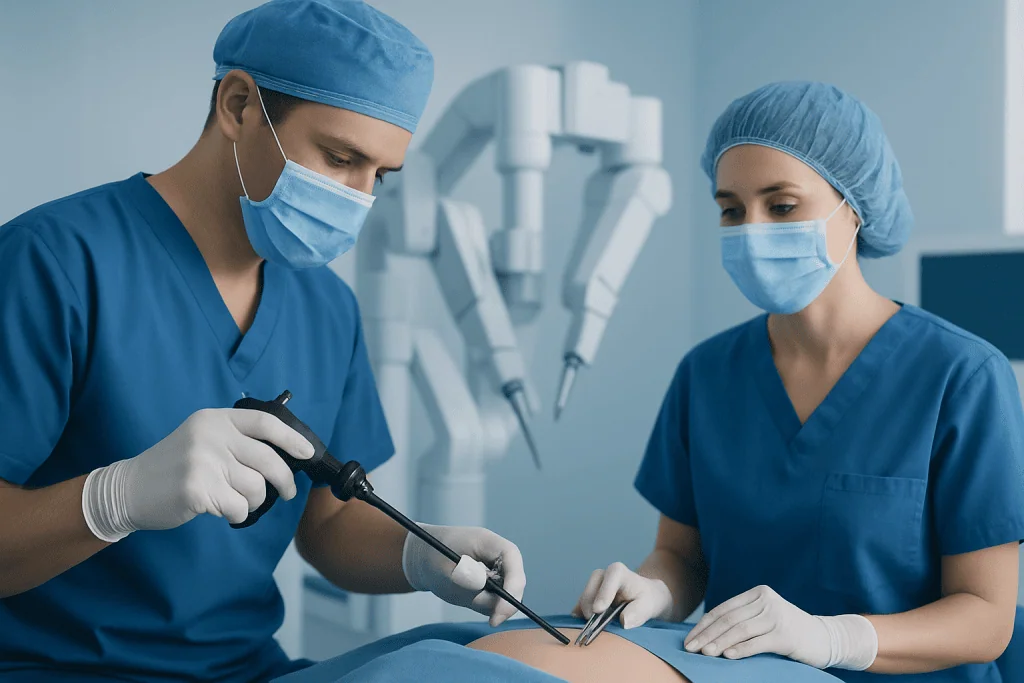
Scissoring can range from mild leg crossing to a more obvious pattern where the knees and thighs pull inward and cross when a person stands, walks, or is lifted. Some people describe the legs as feeling “tight” or hard to separate. Others may notice tripping, toe walking, awkward balance, or fatigue with movement.
Symptoms depend on age and the underlying condition. In infants and children, caregivers may notice stiffness during diaper changes, legs that cross when held upright, or delays in sitting, crawling, or walking. In adults, scissoring may appear after a stroke, spinal cord problem, or another neurologic disorder that changes muscle tone.
Scissoring itself is a visible sign rather than a diagnosis. It may occur alongside:
- Muscle stiffness or spasms
- Difficulty walking or a narrow-based gait
- Pain in the hips, knees, or lower back
- Weakness or poor coordination
- Balance problems or frequent falls
- Trouble with dressing, hygiene, or transfers
If scissoring is persistent, it can affect mobility, comfort, and joint alignment over time. That is why a doctor will usually assess the whole movement pattern, not just the crossing of the legs itself.
Common causes and risk factors

Scissoring most often happens when signals between the brain, spinal cord, and muscles are disrupted, causing increased tone in the hip adductor muscles. This is often called spasticity. The muscles become overactive, which pulls the legs inward and can make movement less smooth.
In children, scissoring may be associated with neurologic conditions such as cerebral palsy, especially forms that involve increased muscle tone. In adults, it may occur after stroke, spinal cord injury, multiple sclerosis, brain injury, or other conditions that affect motor control. Less often, severe pain, guarding, orthopedic problems, or medication effects may contribute to a similar posture.
Risk factors depend on the cause. For example, premature birth or early brain injury may increase the risk of movement disorders in children. In adults, vascular events, neurologic disease, trauma, or spinal cord disorders can play a role. Sometimes scissoring develops gradually as stiffness worsens, while in other cases it appears more suddenly after an acute neurologic event.
Because the causes vary, self-diagnosis is not reliable. A visible crossing pattern may look similar from one person to another, yet the underlying reason can be quite different.
When to seek medical care
Many people cross their legs by habit, and brief leg crossing does not usually mean there is a medical problem. Medical review becomes more important when scissoring is involuntary, repeated, or clearly linked to stiffness. This is especially true if it interferes with comfort, movement, or child development.
A doctor should assess scissoring if it is new, worsening, painful, or associated with other symptoms. Helpful red flags include weakness, numbness, falls, trouble walking, muscle spasms, bladder or bowel changes, or sudden symptoms on one side of the body. In babies and children, evaluation is advisable if there is persistent stiffness, frequent crossing when lifted, or delays in rolling, sitting, standing, or walking.
Urgent medical care is important if scissoring appears suddenly with severe weakness, facial drooping, speech changes, confusion, or loss of balance, because these can be signs of a neurologic emergency such as stroke. Early assessment can help identify serious causes and improve treatment planning.
How doctors diagnose the cause
Diagnosis begins with a careful history and physical examination. The doctor will ask when the scissoring started, whether it is constant or intermittent, and what other symptoms are present. In children, they may review pregnancy, birth, and developmental milestones. In adults, they may ask about prior stroke, injury, infection, back symptoms, or changes in mobility.
The physical exam focuses on muscle tone, strength, reflexes, joint range of motion, posture, and walking pattern. Doctors often look for signs of spasticity, contractures, asymmetry, or nerve involvement. They may observe how the person stands, walks, and changes position, since gait can offer important clues.
Further tests depend on the findings. These may include brain or spine imaging such as MRI, nerve and muscle studies in selected cases, or blood tests if a metabolic or inflammatory condition is being considered. If there are concerns about developmental or structural problems, the doctor may also recommend rehabilitation assessment or orthopedic review. The aim is to identify the underlying diagnosis, because that guides the best treatment.
Treatment options and supportive care
Treatment for scissoring focuses on the cause and on improving comfort, function, and mobility. A common first step is a personalized rehabilitation plan. This may include stretching, strengthening, positioning, gait training, and exercises to reduce the impact of tight hip adductor muscles. In many cases, physical therapy and rehabilitation is central to care.
Doctors may also use medicines that reduce muscle overactivity when spasticity is significant. Orthotic devices, mobility aids, or supportive seating can help with alignment and daily activities. In some patients, especially when stiffness is severe or causing pain, more targeted interventions may be discussed through specialist care.
When an underlying neurologic condition is present, treatment may involve coordinated care with neurology, rehabilitation, orthopedics, and sometimes neurosurgery. Imaging or specialty procedures such as brain and nerve surgery are only used when appropriate for the diagnosed cause, not for scissoring alone.
At Acibadem International, multidisciplinary specialists in JCI-accredited hospitals evaluate movement symptoms such as scissoring and provide treatment plans for international patients based on the underlying condition and functional needs.
Prevention, home strategies, and outlook
Scissoring cannot always be prevented, because it often reflects an underlying neurologic or developmental condition. Still, early recognition can reduce complications. Prompt assessment of stiffness, walking changes, or delayed milestones may help preserve joint movement and improve function over time.
At home, gentle stretching and positioning should only be done as advised by a qualified clinician, especially for infants or people with significant spasticity. Safe footwear, fall prevention measures, and regular follow-up can be helpful. Caregivers may also benefit from learning safe handling and transfer techniques if the legs are difficult to separate or movement is limited.
The outlook depends largely on the cause and severity. Some people improve with rehabilitation and symptom control, while others need long-term support. Even when the underlying condition is chronic, early therapy and regular review can often improve comfort, walking, and day-to-day independence.
Frequently asked questions
Is scissoring always a sign of a serious problem?
No. In medicine, scissoring can sometimes be a brief or mild finding, especially if it is not persistent and does not affect movement. However, if it is involuntary, frequent, or linked with stiffness, pain, weakness, or developmental delay, it should be assessed by a doctor.
Can babies have scissoring without having cerebral palsy?
Yes. Some babies may briefly cross their legs during normal movement or handling. Persistent scissoring, marked stiffness, or delayed motor milestones are the features that make a medical assessment more important.
What kind of doctor evaluates scissoring?
Initial evaluation may start with a pediatrician, family doctor, or general practitioner. Depending on age and symptoms, the person may then be referred to neurology, physical medicine and rehabilitation, orthopedics, or developmental specialists.
How is scissoring different from simply crossing the legs?
Voluntary leg crossing is a normal posture or habit. Medical scissoring is usually involuntary and is driven by increased muscle tone, stiffness, or altered nerve signals that pull the legs inward.
Can physical therapy help with scissoring?
Often, yes. Physical therapy can help improve flexibility, positioning, walking pattern, and overall function. The best results usually come from a plan tailored to the person’s age, diagnosis, and degree of muscle tightness.
When is scissoring an emergency?
Urgent care is needed if scissoring starts suddenly with symptoms such as weakness, facial drooping, trouble speaking, severe imbalance, or confusion. These may suggest a neurologic emergency and should not be ignored.
References
- World Health Organization
- National Institute of Neurological Disorders and Stroke
- American Academy of Pediatrics
- National Institute for Health and Care Excellence
- Centers for Disease Control and Prevention
This article is for general information only and is not a substitute for professional medical advice. Please consult a qualified doctor about your individual situation.
Explore treatments in Turkey — costs, top hospitals & a free quote
JCI-accredited · board-certified surgeons · reply within 24h
Add us as a Preferred Source to see more of our trusted health content across Google Search, AI Overviews and Discover.