

Sex C — Explained by Medical Evidence, Not Myths

Sex c is not an established medical term or disease name. If the phrase is linked to symptoms, the important next step is to identify the actual concern, such as pain, discharge, bleeding, sores, or infection risk.
Key Takeaways
- Sex c is not an established medical term or disease name.
- If the phrase is linked to symptoms, the important next step is to identify the actual concern, such as pain, discharge, bleeding, sores, or infection risk.
- Reliable sexual health information should come from evidence-based medical sources, not myths or slang online.
- Many sexual health concerns are common, treatable, and best assessed without delay if symptoms persist.
- Urgent care is important for severe pain, heavy bleeding, fever, genital sores, or possible sexual assault exposure.
Sex c is not a recognized medical diagnosis. In most contexts, it is a vague online term, abbreviation, or search phrase, so the medically useful question is usually about sexual health, symptoms, infection risk, consent, or contraception rather than about a condition called “sex c.”
Overview: what “sex c” usually means
Sex c is not a standard term used in medicine. It does not appear as the name of a disease, diagnosis, or recognized sexual health condition in routine clinical practice. In many cases, people search this phrase because they have seen it online, encountered it in social media, or are trying to understand a shorthand term related to sex, symptoms, or sexual content.
From a medical perspective, the safest approach is to move past the vague label and identify the real health question. That question may involve sexually transmitted infections, pain during sex, contraception, pregnancy concerns, bleeding, libido, erectile function, vaginal symptoms, or confusion about anatomy and normal body changes. Once the concern is defined clearly, a doctor can give practical guidance and, if needed, arrange testing or treatment.
This evidence-based approach matters because online myths often mix slang, fear, and misinformation. A phrase like sex c can sound meaningful, but good care depends on specific details such as symptoms, exposure history, timing, age, medications, menstrual pattern, and existing health conditions. Clear information helps people get the right help without unnecessary anxiety.
Why vague sexual health terms can be misleading
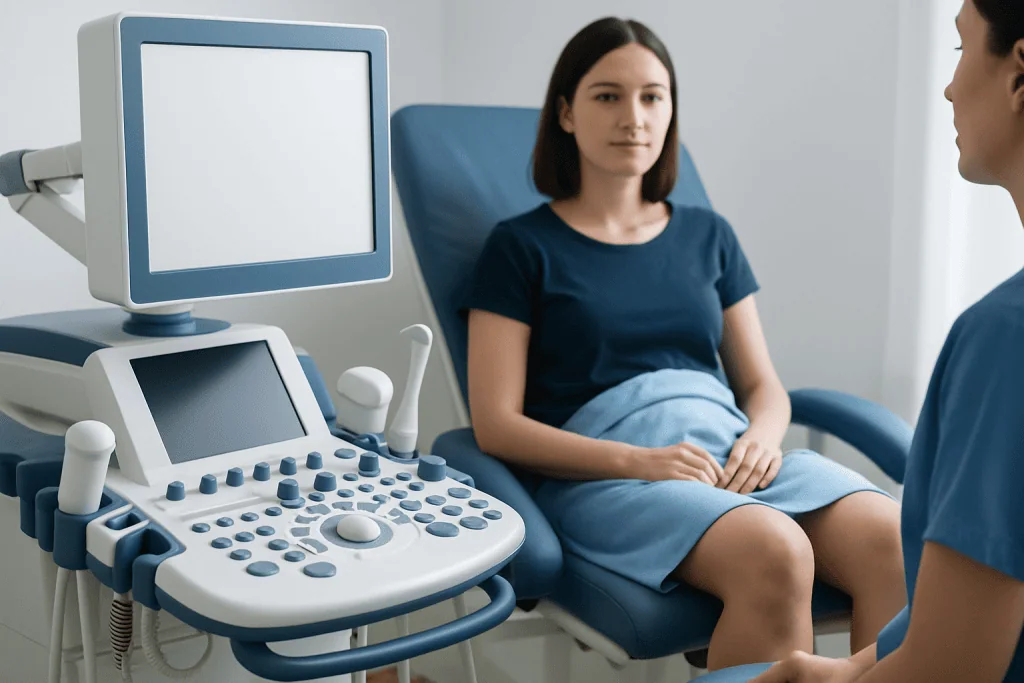
Many internet search phrases are imprecise. People may use a short term when they are embarrassed, unsure what to call a symptom, or trying to avoid explicit wording. That is understandable, but vague wording can lead to confusion because very different concerns may appear in the same search results.
For example, someone searching sex c may actually be asking about cervical health, sexual consent, sexually transmitted infections, pain after intercourse, or changes in discharge. These are not the same issue and should not be managed the same way. Medical advice works best when it is matched to the actual symptom or risk.
It is also common for myths to spread around sexual health. Misleading claims may suggest that certain body changes always mean infection, that contraception protects against all infections, or that symptoms can be diagnosed by appearance alone. In reality, many sexual health symptoms overlap, and some infections cause no symptoms at all. Testing, examination, and a full history are often needed for an accurate diagnosis.
When discussing sexual health, clinicians usually focus on a few key questions:
- Are there any symptoms such as pain, discharge, bleeding, sores, itching, or urinary burning?
- Was there recent unprotected sexual contact?
- Is there a concern about pregnancy or contraception failure?
- Could another condition be involved, such as a urinary infection, skin condition, or hormonal issue?
- Is emotional wellbeing, consent, or relationship safety part of the concern?
Symptoms that deserve attention

If sex c is being used in connection with a body symptom, the symptom itself is what matters medically. Common symptoms that may need assessment include genital sores, unusual vaginal or penile discharge, pelvic pain, pain during intercourse, testicular pain, burning when passing urine, abnormal bleeding, itching, rash, or swelling. These can have many causes, including infections, irritation, hormonal changes, trauma, or non-infectious skin conditions.
Some symptoms are clearly more urgent than others. Fever with pelvic or genital pain, heavy vaginal bleeding, sudden testicular pain, severe abdominal pain, or rapidly worsening swelling should be assessed promptly. These symptoms can sometimes signal conditions that need urgent treatment.
It is also important to remember that sexual health problems do not always involve visible symptoms. Chlamydia, gonorrhea, human papillomavirus, and other infections may be silent for a time. A person may feel well and still benefit from screening, especially after unprotected sex, a new partner, or notification that a partner may have an infection.
Sexual function symptoms can also matter. Difficulty with erection, ejaculation, libido, vaginal dryness, or pain with penetration may be related to stress, hormones, medications, chronic disease, pelvic floor issues, or relationship factors. These concerns are common and medical support can often help.
Common medical explanations behind the search
Because sex c is not a formal diagnosis, the underlying issue may fall into several broad categories. One common category is sexually transmitted infection risk. People may search vague phrases after unprotected sex or after noticing a change such as discharge, sores, or burning. If infection is a concern, a clinician may consider conditions such as sexually transmitted infections and recommend appropriate tests based on symptoms and exposure.
Another common category is genital or pelvic symptoms unrelated to an STI. Vaginal yeast infections, bacterial vaginosis, urinary tract infections, skin irritation, allergic reactions, endometriosis, ovarian cysts, prostate problems, or dermatologic conditions may all affect sexual comfort. In some cases, sexual pain may be linked to pelvic floor muscle tension, menopause-related dryness, or recovery after childbirth or surgery.
Pregnancy concerns are another reason people use imprecise search terms. Missed periods, spotting, nausea, or worry after unprotected sex can lead to anxiety and broad online searching. Depending on age and reproductive plans, a doctor may discuss contraception, emergency contraception, pregnancy testing, or evaluation of menstrual changes.
Finally, some searches reflect confusion about normal anatomy and body variation. Normal vaginal discharge can change across the menstrual cycle. Mild differences in genital appearance are often normal. Understanding what is expected and what is not can reduce unnecessary worry while still encouraging medical review when symptoms are persistent, painful, or unusual.
How doctors evaluate sexual health concerns
Evaluation begins with a private, respectful conversation. A doctor usually asks about symptoms, when they started, menstrual history, contraception, recent sexual contact, previous infections, medications, allergies, and any pregnancy concerns. The goal is not judgment. It is to narrow down possible causes and choose the right next steps.
A physical examination may be recommended depending on the symptoms. This can include examination of the abdomen, pelvic area, genitals, skin, or lymph nodes. For many people, especially if they feel anxious or embarrassed, it helps to know that examinations are done carefully and only when clinically useful.
Tests depend on the concern. They may include urine tests, swabs, blood tests, pregnancy testing, or imaging when pain or structural problems are suspected. If there is concern about reproductive organs, a gynecological examination may be part of the assessment. If urinary symptoms, recurrent infections, or genital anatomy issues are part of the picture, urology evaluation can also be helpful.
Sometimes diagnosis takes more than one step because symptoms overlap. For example, itching may come from yeast, dermatitis, or an STI; pelvic pain may come from infection, ovarian cysts, endometriosis, or bladder causes. A clear diagnosis helps avoid unnecessary treatments and supports safer, more effective care.
Treatment options depend on the real cause
There is no treatment for sex c itself because it is not a specific disease. Treatment is directed at the diagnosed problem. If the issue is an STI, management may include antibiotics, antiviral treatment, follow-up testing, and advice about informing partners. If the concern is vaginal dryness, pain, hormonal change, or pelvic floor dysfunction, treatment is different and may include moisturizers, hormonal therapy where appropriate, pelvic floor care, or counseling.
Urinary infections, yeast infections, bacterial vaginosis, and skin irritation each have their own treatment approaches. Self-treating without knowing the cause can delay proper care, especially because similar symptoms can come from very different conditions. For example, discharge may be caused by bacterial imbalance, yeast, cervicitis, or an STI, and these are not treated in the same way.
Contraception advice may be part of care if the concern involves pregnancy risk or difficulty finding a suitable method. In selected situations, patients may be guided toward fertility and reproductive medicine support if a broader reproductive health concern is uncovered. If persistent pelvic symptoms or suspicious cervical findings are present, a clinician may also consider further assessment related to cervical health concerns when appropriate.
Emotional support can be just as important as physical treatment. Shame, fear, or past negative experiences may stop people from seeking care early. A calm clinical environment and clear explanations often make sexual health care easier to access and more effective.
Prevention, self-care, and safer next steps
Good sexual health prevention is practical and straightforward. Barrier protection can reduce STI transmission risk, though it does not prevent every infection in every situation. Regular screening may be appropriate for sexually active people depending on age, number of partners, and other risk factors. Vaccination, including HPV vaccination where recommended, is another important preventive measure.
Self-care also includes paying attention to symptoms without rushing to conclusions. New discharge, sores, burning, pain, or bleeding should not automatically be assumed to be serious, but they should be taken seriously enough to assess properly. It is usually best to avoid douching, harsh cleansers, or random over-the-counter treatments before a medical review, because these can irritate tissues or affect test results.
Simple habits can support reproductive and genital health:
- Use protection consistently if there is STI risk.
- Have routine screening when advised by a healthcare professional.
- Seek prompt evaluation after unprotected sex if there is concern about infection or pregnancy.
- Avoid sharing inaccurate advice from social media or non-medical sources.
- Keep track of symptoms, menstrual dates, and exposures to help a doctor assess the situation.
For international patients who need assessment or treatment, Acibadem International’s multidisciplinary specialists and JCI-accredited hospitals provide care for a wide range of sexual and reproductive health concerns.
When to seek medical care
Medical care is advisable if a person searching sex c is actually experiencing symptoms such as genital sores, unusual discharge, pain during sex, urinary burning, new rash, abnormal bleeding, pelvic pain, testicular pain, or symptoms that keep returning. It is also sensible to seek advice after unprotected sex, possible STI exposure, contraceptive failure, or if a partner has been diagnosed with an infection.
Urgent medical attention is important for severe lower abdominal pain, heavy bleeding, fever with pelvic pain, sudden testicular pain, signs of an allergic reaction, or symptoms following sexual assault. These situations need timely professional care and should not be managed through online searching alone.
Even when symptoms are mild, early assessment can provide reassurance, prevent complications, and reduce the chance of passing an infection to a partner. A qualified doctor can help clarify what is normal, what needs testing, and what treatment, if any, is appropriate.
Frequently asked questions
Is sex c a real medical condition?
No. Sex c is not a recognized medical diagnosis or standard term in sexual health care. It is usually a vague online phrase, so the important step is to identify the actual symptom or concern behind it.
Could sex c mean a sexually transmitted infection?
Possibly, but not by itself. If the phrase is being used after unprotected sex or alongside symptoms like discharge, sores, or burning, STI testing may be appropriate. Only a proper evaluation can confirm the cause.
What symptoms after sex should not be ignored?
Pain, unusual bleeding, genital sores, foul-smelling discharge, urinary burning, rash, fever, or persistent pelvic discomfort should be assessed by a clinician. Sudden severe pain or heavy bleeding needs prompt medical attention.
Can someone have an STI without symptoms?
Yes. Many sexually transmitted infections can be present without obvious symptoms, especially in the early stages. That is why screening can be important after a new exposure or when a partner has an infection.
Should someone treat symptoms at home before seeing a doctor?
It is usually better not to self-treat unless a clinician has already advised what to do for a recurring, previously diagnosed problem. Home treatments may irritate the area or mask symptoms, making diagnosis less clear.
When is pregnancy testing or contraception advice needed?
It may be needed after unprotected sex, a missed period, contraceptive failure, or anxiety about pregnancy risk. A healthcare professional can advise on testing, emergency contraception when appropriate, and ongoing contraceptive options.
References
- World Health Organization
- Centers for Disease Control and Prevention
- American College of Obstetricians and Gynecologists
- National Health Service
- U.S. National Library of Medicine
This article is for general information only and is not a substitute for professional medical advice. Please consult a qualified doctor about your individual situation.
Explore treatments in Turkey — costs, top hospitals & a free quote
JCI-accredited · board-certified surgeons · reply within 24h
Add us as a Preferred Source to see more of our trusted health content across Google Search, AI Overviews and Discover.

More from the Health Library



Related Specialists

Prof. Dr. İsmet Tamer
Check Up & Wellness Center
Dr. Zühre Esra Kıvanç
Inpatient Clinic Physicians Clinical Service
Gizem Erbil
Pediatric Rehabilitation
Assoc. Prof. Dr. Sinan Kırım
Endocrinology