Liver Cancer End Stages Symptoms Explained: Common Triggers and Red Flags
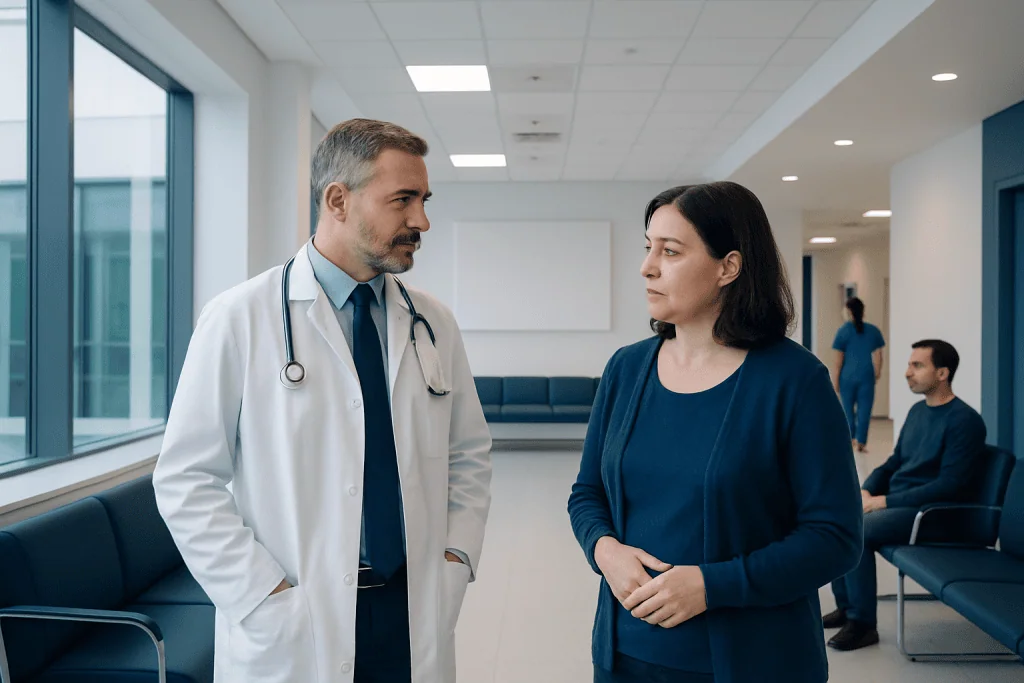
End-stage liver cancer symptoms often result from the combined effects of tumor spread and liver failure. Common red flags include jaundice, fluid buildup in the abdomen, increasing pain, marked weakness, and mental confusion.
Key Takeaways
- End-stage liver cancer symptoms often result from the combined effects of tumor spread and liver failure.
- Common red flags include jaundice, fluid buildup in the abdomen, increasing pain, marked weakness, and mental confusion.
- Symptoms can change quickly, so early palliative and supportive care can improve comfort and daily function.
- Medical teams use imaging, blood tests, and clinical assessment to understand disease progression and guide treatment.
- Urgent medical attention is needed for bleeding, severe confusion, breathing difficulty, fever, or sudden worsening pain.
Liver cancer end stages symptoms usually reflect both advanced cancer growth and reduced liver function. Common signs include worsening jaundice, abdominal swelling, pain, fatigue, poor appetite, weight loss, and sometimes confusion or sleepiness, all of which should be assessed by a doctor.
What liver cancer end stages symptoms usually mean
Liver cancer end stages symptoms usually mean the cancer is advanced enough to affect a large part of the liver, spread beyond it, or both. In many people, symptoms are caused not only by the tumor itself but also by the liver no longer working as well as it should. This is why the pattern can include both cancer-related symptoms, such as pain and weight loss, and signs of liver failure, such as jaundice or fluid buildup.
The most common liver cancer end stages symptoms include increasing tiredness, loss of appetite, nausea, unintentional weight loss, abdominal discomfort or pain, swelling of the belly, yellowing of the skin or eyes, and general weakness. Some people also develop swelling in the legs, itching, dark urine, pale stools, or a feeling of fullness after eating only a small amount.
As the condition progresses, the body may have more trouble clearing toxins from the blood. This can lead to confusion, drowsiness, personality changes, poor concentration, or disturbed sleep-wake cycles. These changes do not happen in every person, but when they appear, they often suggest significant liver dysfunction and the need for close medical support.
Common signs and red flags in advanced disease
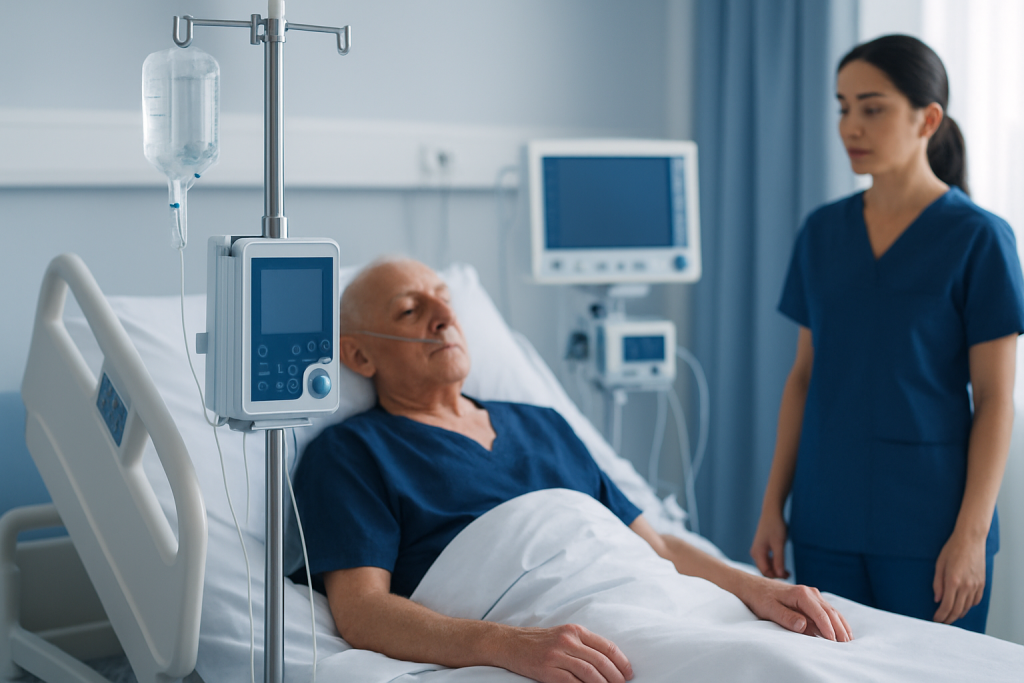
One of the clearest red flags is jaundice, which causes the eyes and skin to look yellow. Jaundice can happen when the liver cannot process bilirubin effectively or when bile flow is blocked. It often appears along with dark urine, pale stools, and itching, and it may become more noticeable over time.
Another important sign is ascites, or fluid buildup in the abdomen. This can make the belly look swollen or feel tight, heavy, or uncomfortable. People may notice shortness of breath when lying flat, reduced appetite from pressure in the abdomen, or discomfort when moving. Leg swelling may happen at the same time.
Pain can also become more persistent in later stages. It is often felt in the upper right abdomen, but it may also spread to the back or right shoulder area. In addition, many people experience profound fatigue, reduced stamina, and difficulty carrying out daily activities. A decline in eating, weight loss, and muscle wasting are common and can happen even when a person is trying to maintain nutrition.
- Worsening jaundice
- Increasing abdominal swelling or tightness
- Persistent or escalating pain
- Marked weakness or sleepiness
- Confusion, agitation, or personality change
- New bleeding or easy bruising
Why these symptoms happen
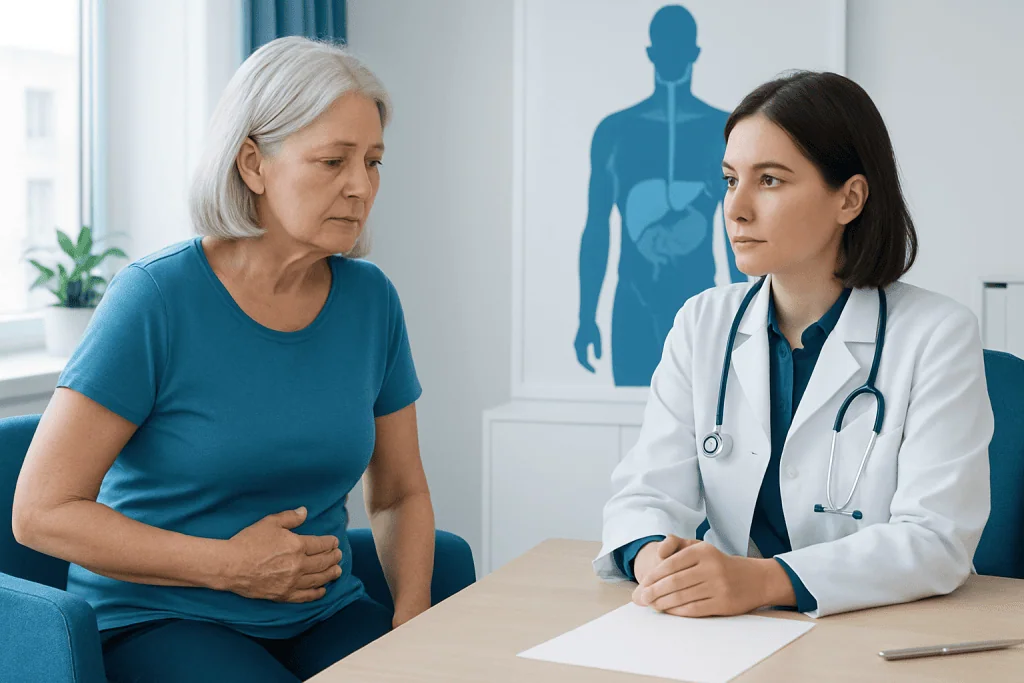
Advanced liver cancer symptoms develop for several reasons. The growing tumor may stretch the liver capsule, press on nearby structures, block blood vessels, or interfere with bile drainage. These changes can lead to pain, nausea, fullness, and jaundice. If the cancer spreads to other organs, additional symptoms may appear depending on the location.
The liver also has many vital jobs, including making proteins, processing nutrients, helping blood clot, and clearing waste products. When much of the liver is damaged by cancer, cirrhosis, or both, the body can no longer compensate as well. This can cause fluid retention, easy bruising, bleeding tendencies, confusion, and worsening weakness.
Many people with advanced liver cancer also have underlying chronic liver disease, especially cirrhosis or viral hepatitis. That combination can make symptoms appear earlier and become more complex. For readers seeking broader background, doctors often discuss advanced liver cancer together with related conditions such as liver cancer and cirrhosis, because both shape the course of symptoms and treatment planning.
How doctors assess progression
Doctors do not rely on symptoms alone to understand advanced liver cancer. They combine the person’s symptoms with physical examination, blood tests, and imaging studies. Blood tests may look at bilirubin, liver enzymes, albumin, clotting function, kidney function, and tumor markers when appropriate. These results help show how well the liver is still working.
Imaging such as ultrasound, CT, or MRI can show the size and number of tumors, whether blood vessels are involved, and whether the cancer has spread. These findings help explain why symptoms are happening and whether certain treatments may still be useful. In some cases, fluid in the abdomen is sampled to look for infection or other causes of worsening symptoms.
Doctors also assess everyday function, including eating, walking, sleep, and mental clarity. This matters because advanced liver cancer care is not based only on the stage of the tumor. It also depends on the person’s liver reserve, symptom burden, goals of care, and overall strength. These factors guide whether the focus is on disease-directed therapy, symptom control, or both.
Treatment and supportive care in end-stage liver cancer
When liver cancer is advanced, treatment aims may include slowing the disease, relieving symptoms, preserving comfort, and supporting quality of life. Not every person is a candidate for the same approach. Depending on tumor extent and liver function, doctors may consider systemic therapy, procedures to control symptoms, or a palliative-care centered plan.
Supportive care is a key part of treatment and should not be seen as giving up. It can include pain control, medicines for nausea or itching, drainage or management of abdominal fluid, nutritional support, and treatment for confusion related to liver dysfunction. Palliative care teams often help manage symptoms early and work alongside oncology and liver specialists.
In selected patients, treatment options may include chemotherapy, immunotherapy, or radioembolization to help control tumor growth or reduce symptoms. For a smaller group whose disease and liver status meet strict criteria, specialists may also discuss liver transplant. The best approach depends on careful review by an experienced multidisciplinary team.
Near the end of life, care often focuses more fully on comfort, dignity, and symptom relief. This may include adjusting medicines, arranging home or hospice support, and helping families understand what changes to expect. Acibadem International’s multidisciplinary specialists in JCI-accredited hospitals also diagnose and treat liver cancer for international patients when expert evaluation is needed.
Prevention of complications and self-care support
Although self-care cannot reverse end-stage liver cancer, it can reduce distress and help families respond early to problems. Small, frequent meals may be easier than large meals when appetite is poor or the abdomen feels full. Adequate hydration matters, but fluid advice should follow the doctor’s guidance, especially when there is ascites or kidney strain.
People should avoid alcohol unless their doctor specifically advises otherwise, because alcohol can place additional stress on the liver. They should also check before taking any over-the-counter pain relievers, herbal products, or supplements, since some can worsen liver function or interact with treatment. Rest is important, but gentle movement within safe limits may help comfort and circulation.
Caregivers can help by tracking changes in swelling, appetite, urine output, sleepiness, confusion, bleeding, and pain. Keeping a simple symptom diary can make clinic visits more useful. It can also help the medical team decide when a change in treatment, drainage of fluid, medication adjustment, or additional support is needed.
When to seek medical care
Medical review is important whenever liver cancer end stages symptoms are becoming more frequent or severe. A doctor should be contacted promptly for increasing jaundice, rapidly growing abdominal swelling, worsening pain, poor oral intake, repeated vomiting, or a sudden drop in energy or alertness. These changes may reflect progression of the cancer, infection, bleeding, dehydration, or worsening liver failure.
Urgent medical care is needed for severe confusion, inability to wake normally, chest pain, trouble breathing, vomiting blood, black stools, high fever, or sudden severe abdominal pain. These symptoms can signal complications that need immediate attention. Even when the overall disease is advanced, timely care may relieve suffering and prevent avoidable emergencies.
Families often benefit from discussing ahead of time whom to call after hours, when to go to the hospital, and what symptoms can be managed at home. Clear communication with the oncology, hepatology, and palliative care teams can make this stage less uncertain and more supportive for everyone involved.
Frequently asked questions
What are the most common liver cancer end stages symptoms?
The most common symptoms are jaundice, abdominal swelling from fluid buildup, pain in the upper abdomen, fatigue, poor appetite, weight loss, and increasing weakness. Some people also develop confusion, drowsiness, leg swelling, itching, or nausea as liver function declines.
Does end-stage liver cancer always cause pain?
Not always, but pain is common in advanced disease. It may come from the liver itself, surrounding tissues, or complications such as fluid buildup. Pain can often be managed with a personalized treatment plan, so it is important to report it early.
Why do confusion and sleepiness happen in late-stage liver cancer?
These symptoms can happen when the liver is less able to remove toxins from the blood, a problem often called hepatic encephalopathy. Infection, dehydration, bleeding, constipation, or medication effects can also make it worse. Any new confusion or unusual drowsiness should be assessed promptly.
How long can someone live after end-stage symptoms begin?
There is no single timeline, because survival depends on tumor burden, liver function, overall health, complications, and response to treatment. Some people decline gradually, while others worsen more quickly. A treating doctor can give the most realistic guidance based on the individual situation.
Can treatment still help in advanced liver cancer?
Yes, treatment may still help even when cure is not possible. Depending on the person’s condition, doctors may recommend cancer-directed therapy, procedures to relieve symptoms, or supportive and palliative care. The goal is often to improve comfort, function, and quality of life.
When should a family seek urgent help?
Urgent help is needed for severe confusion, difficulty breathing, vomiting blood, black stools, high fever, sudden severe pain, or if the person is hard to wake. These may be signs of a serious complication. If there is any doubt, it is safest to contact a doctor or emergency service promptly.
References
- National Cancer Institute
- American Cancer Society
- National Institute of Diabetes and Digestive and Kidney Diseases
- American Society of Clinical Oncology
- World Health Organization
This article is for general information only and is not a substitute for professional medical advice. Please consult a qualified doctor about your individual situation.
Liver Cancer in Turkey — costs, top hospitals & a free quote
JCI-accredited · board-certified surgeons · reply within 24h
Add us as a Preferred Source to see more of our trusted health content across Google Search, AI Overviews and Discover.

Medical Oncology Department
Medical treatment of cancer with chemotherapy, immunotherapy and targeted therapies under a multidisciplinary tumor board.
60 specialists in this unitMore from the Health Library



Related Specialists
Prof. Dr. İbrahim Berber
General Surgery
Dr. Mehrıban Allahverdıyeva
Inpatient Clinic Physicians
Prof. Dr. Rezan Topaloğlu
Pediatric Nephrology
Dr. Semih Yazla
Otorhinolaryngology