Flutter Valve — Explained by Medical Evidence, Not Myths

A flutter valve helps clear mucus by creating vibrations and positive pressure as a person breathes out. It may be useful for conditions that cause thick or hard-to-clear mucus, such as bronchiectasis or chronic bronchitis.
Key Takeaways
- A flutter valve helps clear mucus by creating vibrations and positive pressure as a person breathes out.
- It may be useful for conditions that cause thick or hard-to-clear mucus, such as bronchiectasis or chronic bronchitis.
- The device works best when a doctor, physiotherapist, or respiratory therapist teaches the right technique.
- It is not suitable for every patient, especially during some acute breathing problems or in people with certain medical risks.
- Regular cleaning, correct positioning, and follow-up with a healthcare professional are important for safe use.
A flutter valve is a handheld breathing device that helps loosen and move mucus from the airways by combining gentle pressure with vibrations during exhalation. It is not a medicine and not a heart valve; it is one of several airway-clearance tools that may support people with certain respiratory conditions when used correctly and under medical guidance.
What a Flutter Valve Is and What It Does
A flutter valve is a small handheld airway-clearance device used to help move mucus out of the lungs. When a person breathes out through it, the device creates two effects at the same time: a mild back pressure in the airways and rapid vibrations. Together, these effects can help loosen mucus stuck to the airway walls so it becomes easier to bring up with coughing or huffing.
The term can be confusing because “valve” may sound like a heart-related device, but this flutter valve is used for the lungs, not the heart. In medical terms, it belongs to a group of tools called oscillatory positive expiratory pressure devices, often shortened to OPEP. These devices are part of airway-clearance therapy, which may also include breathing exercises, chest physiotherapy, and inhaled treatments.
A flutter valve does not cure an underlying lung disease. Instead, it can help manage symptoms related to mucus buildup, such as chest congestion, frequent coughing, and the feeling that secretions are hard to clear. For many people, it is one component of a broader care plan designed by a respiratory specialist.
How the Device Works in the Airways
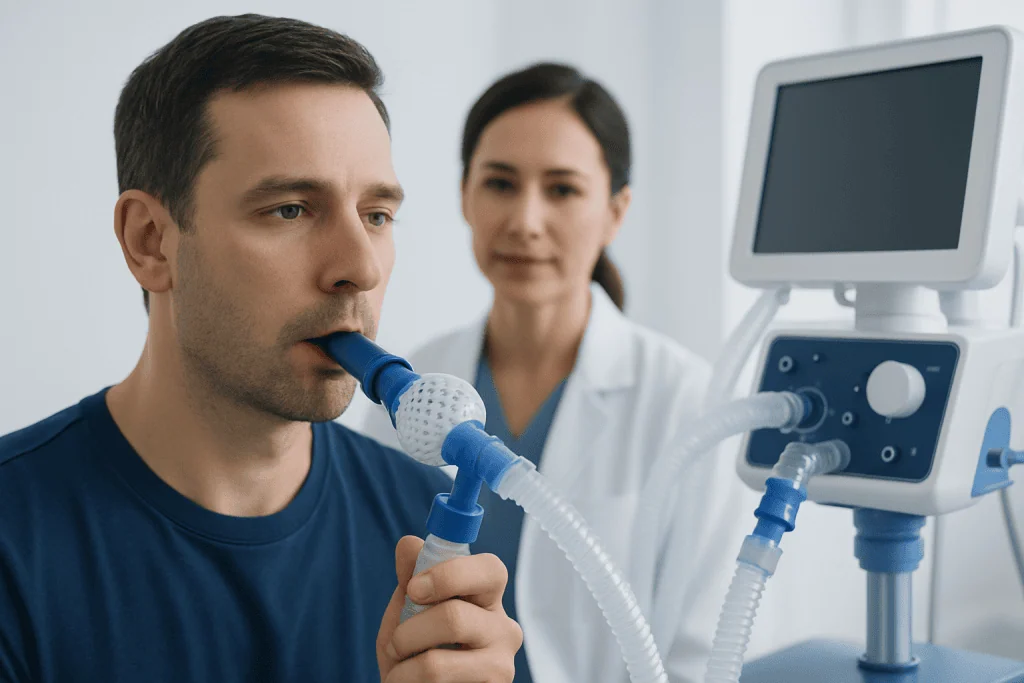
During exhalation, the flutter valve provides resistance, which creates positive expiratory pressure. This gentle pressure may help keep smaller airways from collapsing too early, allowing air to move behind mucus. At the same time, a moving internal component produces vibrations that travel into the chest and air passages.
These vibrations can reduce the stickiness of mucus and help separate it from the airway lining. Once mucus is loosened, it can be moved toward larger airways, where it is easier to clear with a controlled cough or a huff cough. This is why many care plans combine the device with breathing control and coughing techniques rather than using the device alone.
The exact benefit varies from person to person. Some feel immediate relief after a session, while others notice improvement over days or weeks of regular use. A patient’s response often depends on the underlying condition, the amount and thickness of mucus, hydration, breathing technique, and whether other treatments are also being used.
- Positive pressure may help keep airways open longer during exhalation.
- Oscillation creates vibrations that may loosen mucus.
- Follow-up coughing or huffing helps remove secretions from the chest.
Who May Benefit From a Flutter Valve

A flutter valve is most often considered for people who regularly produce mucus and have trouble clearing it. This can happen in chronic airway conditions where secretions are thick, persistent, or associated with repeated infections. It is commonly discussed in the care of people with bronchiectasis, chronic bronchitis, and some forms of chronic obstructive pulmonary disease.
Some people with cystic fibrosis or other long-term respiratory disorders may also use an OPEP device, although the best airway-clearance method depends on age, symptoms, daily routine, and the advice of the treating team. In certain cases, a clinician may recommend the device after chest infections or surgery if mucus retention is a concern and the patient can use it correctly.
Not every person with a cough or chest cold needs a flutter valve. For temporary viral illnesses, routine self-care may be enough unless symptoms are severe or prolonged. The device is generally most helpful when there is an ongoing problem with mucus clearance rather than occasional coughing alone.
If a patient has breathlessness, frequent mucus buildup, or repeated infections, a respiratory assessment can help determine whether a flutter valve or another approach such as respiratory therapy is more appropriate.
What Using a Flutter Valve Feels Like and How It Is Used
Most people use the device while sitting upright in a comfortable position. After taking a slightly deeper-than-normal breath, they place the mouthpiece in the mouth, seal the lips around it, and breathe out steadily but not forcefully. The goal is usually to feel a fluttering or vibrating sensation in the chest or airways during exhalation.
A session typically includes several breaths through the device followed by one or more huff coughs to move mucus up and out. A huff cough is different from a hard, repeated cough; it is a controlled exhalation with an open throat that can be less tiring. A clinician may also advise combining the device with inhaled bronchodilators, saline, hydration, or pulmonary rehabilitation depending on the person’s diagnosis and needs.
The angle of the device, the speed of breathing out, and the timing of coughing all affect how well it works. For that reason, in-person instruction is valuable. If the technique is off, the device may feel ineffective or tiring even though it can be helpful when adjusted properly.
Benefits, Limits, and Common Myths
The main benefit of a flutter valve is practical: it may make mucus easier to clear from the chest. For some patients, this can reduce the sense of congestion, support easier breathing, and improve comfort in daily life. It can also help some people perform airway-clearance therapy more independently at home.
Still, it is important to keep expectations realistic. A flutter valve is not a substitute for diagnosis, antibiotics when prescribed, inhaled medicines, or emergency treatment for severe breathing problems. It does not “clean the lungs” in a general wellness sense, and it is not recommended simply as a routine gadget for healthy people.
Several myths are common. One is that harder blowing always works better; in reality, too much force can reduce effectiveness and cause unnecessary fatigue. Another is that any productive cough means a person should buy one without medical advice. Because cough can result from asthma, infection, reflux, heart disease, or other causes, symptoms should be evaluated before self-prescribing airway-clearance devices.
Another misconception is that all mucus problems are the same. A person with COPD may have very different needs from someone with asthma or an acute infection. Treatment should be matched to the cause, severity, and overall health picture.
Safety, Side Effects, and When It May Not Be Suitable
When prescribed appropriately and used as instructed, a flutter valve is generally considered safe. Even so, it may not be suitable for everyone. People with certain conditions, such as untreated pneumothorax, recent significant coughing up of blood, severe cardiovascular instability, or some types of ear, sinus, or brain-pressure problems, may need to avoid positive expiratory pressure devices or use them only with specialist advice.
Some users may feel lightheaded, temporarily short of breath, or tired if they breathe too fast or exhale too forcefully. These effects often improve when technique is corrected and sessions are paced properly. If the device causes chest pain, marked breathlessness, dizziness, or distress, the session should stop and medical advice should be sought.
Hygiene matters as well. Because the device comes into contact with the mouth and respiratory secretions, it should be cleaned and dried according to the manufacturer’s instructions. Sharing a flutter valve is not recommended, as this can increase the risk of cross-infection.
A healthcare professional may review whether the device remains helpful over time. If symptoms are changing, or if airway clearance is becoming more difficult, additional testing or other therapies such as bronchoscopy in selected situations may be considered to clarify the cause of ongoing mucus retention.
How Doctors Decide Whether It Is the Right Option
Choosing a flutter valve is not only about symptoms; it also depends on the reason mucus is building up. A doctor may ask about daily sputum production, repeated chest infections, cough pattern, smoking history, shortness of breath, and whether symptoms are stable or worsening. The physical examination may be supported by tests such as lung function testing, chest imaging, or sputum studies.
These steps help identify whether there is an underlying chronic condition such as bronchiectasis, chronic bronchitis, or another respiratory disorder. The goal is to match treatment to the problem rather than to the symptom alone. In many cases, patients benefit from a personalized plan that includes airway-clearance training, medicine review, exercise guidance, and follow-up.
When a flutter valve is recommended, teaching is an important part of care. A chest physician, physiotherapist, or respiratory therapist may demonstrate the correct angle and breathing pattern, explain how often to use it, and show how to combine it with coughing techniques. This kind of structured support often makes the difference between occasional use and effective long-term use.
In complex cases, multidisciplinary care may be helpful. Acibadem International’s multidisciplinary specialists and JCI-accredited hospitals diagnose and treat respiratory conditions for international patients, including evaluation of airway-clearance needs when appropriate.
When to Seek Medical Care
A flutter valve should not delay medical assessment when symptoms suggest a more serious problem. Prompt care is important if a person has severe shortness of breath, bluish lips, confusion, high fever with worsening cough, chest pain, or coughs up more than a small amount of blood. These symptoms may point to an urgent condition that needs immediate attention.
Non-urgent medical review is also appropriate when cough and mucus last longer than expected, chest infections keep returning, or there is unexplained weight loss, wheezing, or a noticeable decline in exercise tolerance. These patterns can suggest an underlying lung problem that deserves proper diagnosis rather than symptom management alone.
Anyone who has been given a flutter valve but finds it painful, ineffective, or difficult to use should ask for a technique review rather than abandoning treatment silently. Small adjustments in posture, exhalation speed, or timing of cough can significantly improve results.
Regular hydration, prescribed medicines, vaccination where appropriate, smoking cessation, and keeping follow-up appointments all support better airway health. A flutter valve works best as part of informed, ongoing respiratory care.
Frequently asked questions
Is a flutter valve the same as a heart valve problem?
No. A flutter valve in this context is a breathing device used to help clear mucus from the lungs. It is unrelated to the valves inside the heart.
Can a flutter valve help with any cough?
Not necessarily. It is mainly used when mucus is present and difficult to clear, especially in some chronic lung conditions. A dry cough or a cough caused by another issue may not improve with this device.
How quickly does a flutter valve work?
Some people feel mucus loosen during the first few sessions, while others notice benefits only after regular use over time. The result depends on the condition being treated, the amount of mucus, and whether the technique is correct.
Can a person buy and use a flutter valve without seeing a doctor?
It is best to seek medical advice first. Similar symptoms can have different causes, and a clinician can confirm whether a flutter valve is appropriate and teach the correct technique.
Are there risks or side effects?
Most people tolerate the device well when they use it properly. However, blowing too hard or too fast may cause dizziness, fatigue, or discomfort, and some medical conditions require extra caution or avoidance.
Does a flutter valve replace inhalers or other lung treatments?
No. A flutter valve is usually an add-on tool for airway clearance, not a replacement for prescribed medicines or treatment of the underlying disease. The full treatment plan should come from a qualified healthcare professional.
References
- American Thoracic Society
- European Respiratory Society
- National Heart, Lung, and Blood Institute
- National Health Service
- Cystic Fibrosis Foundation
This article is for general information only and is not a substitute for professional medical advice. Please consult a qualified doctor about your individual situation.
Explore treatments in Turkey — costs, top hospitals & a free quote
JCI-accredited · board-certified surgeons · reply within 24h
Add us as a Preferred Source to see more of our trusted health content across Google Search, AI Overviews and Discover.

More from the Health Library



Related Specialists

Fzt. İlayda Kurtuluş
Pediatric Rehabilitation
Prof. Dr. Nail Suat Ünver
Internal Medicine
Prof. Dr. Hakan Yavuzer
Internal Medicine
Fzt. Fatih Erol
Pediatric Rehabilitation