How Do I Get Rid of Hip Fat? Causes, Explanations, and Next Steps

Hip fat is often a normal body-fat distribution pattern rather than a disease. It is not usually possible to lose fat from only the hips with targeted exercises alone.
Key Takeaways
- Hip fat is often a normal body-fat distribution pattern rather than a disease.
- It is not usually possible to lose fat from only the hips with targeted exercises alone.
- Nutrition, regular activity, strength training, sleep, and stress control are the main evidence-based steps.
- A doctor may evaluate hormones, medications, swelling, or other conditions if changes are sudden or unusual.
- Medical care is important if hip enlargement is one-sided, painful, rapidly changing, or linked with other symptoms.
For most people, hip fat is a normal and harmless pattern of fat storage shaped by genetics, hormones, age, and lifestyle. It usually cannot be reduced from one area alone, but overall fat loss, muscle-building exercise, and sustainable habits can gradually change body shape; sudden changes, pain, or swelling should be checked by a doctor.
Overview: What actually helps reduce hip fat?
In most cases, hip fat is a normal and harmless part of body shape. When someone asks, “how do I get rid of hip fat,” the most accurate answer is that hip fat usually decreases through overall body-fat loss, not through exercises that work only that area. Genetics, sex hormones, age, and daily habits all influence whether the body stores more fat around the hips, thighs, abdomen, or other areas.
Many people notice that the hips are one of the last places to change, even when they are eating well and staying active. This can be frustrating, but it does not usually mean something is wrong. Fat distribution is strongly influenced by biology, and some people are simply more likely to carry extra fat around the lower body.
Most of the time, the best approach is gradual and sustainable: balanced nutrition, regular physical activity, resistance training, good sleep, and patience. However, if the area becomes suddenly larger, painful, swollen, or noticeably uneven from one side to the other, it is sensible to seek medical advice so a doctor can look for other explanations.
Why hip fat happens: normal body shape, hormones, and genetics
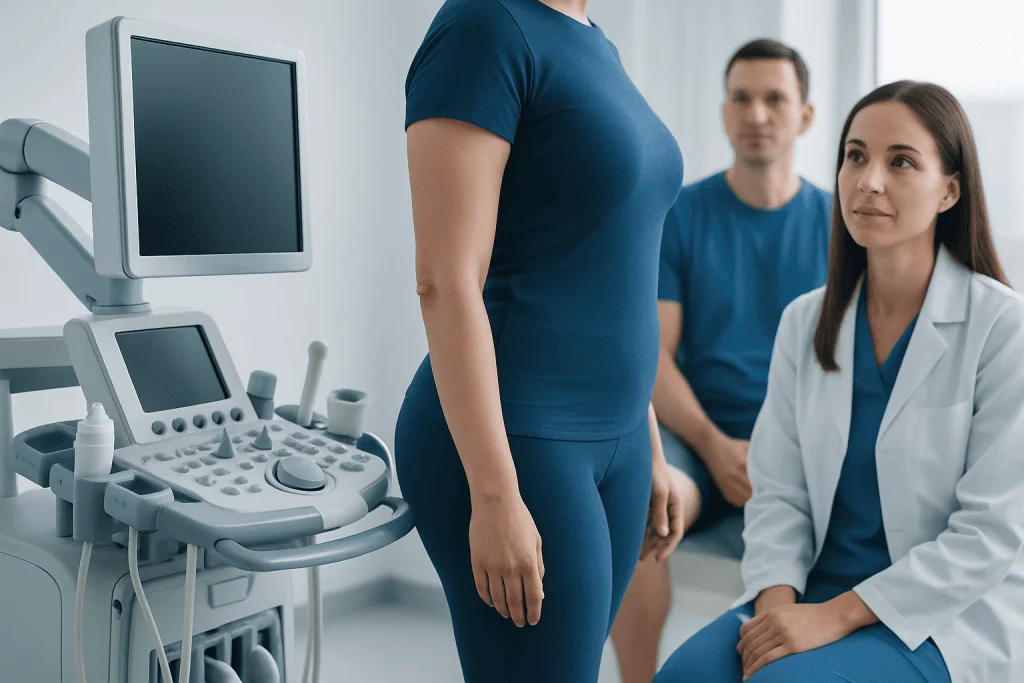
Fat around the hips is often related to normal body-fat distribution. Many women, especially before menopause, store more fat in the hips and thighs because estrogen influences where fat is deposited. Men may also carry fat in this area, but they more commonly store a greater share around the abdomen.
Genetics also play a major role. Some people naturally have a pear-shaped body, with more fullness in the lower body, while others store fat more centrally. This pattern can run in families and may remain noticeable even at a healthy weight.
Age matters too. As people get older, muscle mass tends to decrease and metabolism may slow, making body composition change over time. Reduced activity, prolonged sitting, stress, poor sleep, and a long-term calorie surplus can make fat storage more noticeable around the hips and elsewhere.
Occasionally, what seems like hip fat may not be ordinary fat storage. In some people, changes in the lower body can relate to hormonal conditions, fluid retention, medication side effects, or disorders that affect fat distribution. That is why the overall pattern and timing of the change are important.
Can exercises target hip fat only?

A common belief is that side leg raises, squats, or similar moves can burn fat only from the hips. In reality, spot reduction is not considered a reliable way to lose fat from one specific area. Exercises can strengthen the muscles underneath the fat, but the body decides where stored fat is used based on broader metabolic and hormonal factors.
This does not mean exercise is unhelpful. Strength training can improve muscle tone in the glutes, thighs, and core, which may change how the hips look over time. Aerobic activity, such as brisk walking, cycling, swimming, or interval training, also supports overall energy expenditure and cardiovascular health.
The most effective plan usually combines both. For many people, that means several days each week of resistance exercise along with regular movement throughout the day and moderate-to-vigorous aerobic activity. Consistency matters more than trying extreme routines for a short period.
If someone has a lot of discomfort in the joints while starting exercise, a clinician may also consider whether an orthopedic problem or reduced mobility is contributing. In some cases, assessment for hip pain can help guide a safer movement plan.
Lifestyle steps that can help reduce fat around the hips
Because hip fat usually reflects overall body-fat patterns, the same habits that support healthy weight management are the most useful. A balanced eating pattern built around vegetables, fruit, legumes, whole grains, lean protein, and healthy fats can help create a gradual calorie deficit without being overly restrictive. Highly processed foods, sugar-sweetened drinks, and frequent overeating can make fat loss harder.
Protein and fiber can be especially helpful because they support fullness and may make it easier to maintain healthy eating habits. Regular meal timing, portion awareness, and mindful eating can also help people notice hunger and fullness cues more clearly. Crash diets may lead to temporary changes but are often difficult to sustain.
Sleep and stress deserve attention as well. Poor sleep can affect appetite hormones and energy levels, while chronic stress may lead to emotional eating and reduced motivation for exercise. Even simple steps such as keeping a consistent sleep schedule, reducing late-night screen time, and building in stress-management practices can support progress.
Practical habits often work better than perfect plans. Helpful examples include:
- Walking more during the day
- Adding strength training two to four times weekly
- Choosing water more often than sugary drinks
- Including protein and fiber at most meals
- Tracking habits rather than focusing only on the scale
When hip fullness may need a medical explanation
Although hip fat is usually harmless, there are situations where a medical review is worthwhile. Rapid changes in body shape, one-sided enlargement, pain, tenderness, swelling, skin changes, or a new lump are not typical signs of ordinary fat storage. These symptoms can point to fluid buildup, inflammation, a soft-tissue problem, or another condition that needs assessment.
Doctors may also think about hormonal and metabolic factors if hip fat appears alongside irregular periods, acne, increased facial hair, fatigue, unexplained weight gain, easy bruising, or changes in blood sugar. Conditions involving the thyroid, insulin resistance, or other hormone systems can affect body composition. Some people may need evaluation for obesity or related complications as part of a broader health review.
Certain medicines can contribute to weight gain or changes in fat distribution. Examples may include some steroids, psychiatric medications, and other long-term treatments. A person should not stop prescribed medicine on their own, but it is reasonable to ask a doctor whether medication could be playing a role.
Sometimes the concern is not excess fat at all but swelling. If the hips, thighs, or legs feel heavy, tight, painful, or puffy, or if shoes and clothing suddenly fit differently, the doctor may evaluate the circulation or lymphatic system rather than focusing only on weight.
How doctors evaluate persistent or unusual hip fat
If someone seeks medical advice, the evaluation usually begins with a careful history and physical examination. The doctor may ask when the change started, whether it has been gradual or sudden, whether one side is different from the other, and whether there are symptoms such as pain, swelling, numbness, fatigue, menstrual changes, or medication use. This step often provides the most important clues.
A physical exam may assess body-fat distribution, muscle mass, posture, joint mobility, skin changes, signs of swelling, and any masses or tenderness. The doctor may also measure weight, waist circumference, blood pressure, and other general health markers. If movement is uncomfortable, they may examine whether a musculoskeletal issue is affecting activity levels.
Depending on the findings, tests may be recommended. These can include blood tests for thyroid function, blood sugar, cholesterol, liver function, or hormone-related concerns. Imaging such as ultrasound or MRI scan may be considered if there is a lump, asymmetry, pain, or another reason to look more closely at soft tissues and joints.
In some cases, body-shape changes are part of a larger metabolic picture, and a structured medical assessment can help identify realistic next steps. If severe obesity is present and lifestyle measures alone have not been enough, doctors may discuss comprehensive weight-management care, including obesity surgery for carefully selected patients.
Treatment options: from self-care to medical support
For most people, treatment focuses on lifestyle change rather than a procedure aimed only at the hips. A personalized plan may include nutrition counseling, a progressive exercise program, sleep improvement, and support for behavior change. This approach is often safest and most sustainable because it addresses overall health, not just one body area.
If an underlying medical issue is found, treatment depends on the cause. Hormonal disorders, medication-related weight gain, joint pain that limits activity, or swelling disorders all require different strategies. This is another reason it is useful to avoid assuming that every change in the hips is simply a matter of diet or exercise.
In some situations, people may ask about body-contouring or fat-removal procedures. These are not first-line treatments for general weight loss and are usually considered separately from medical management of body-fat distribution. If the concern is largely cosmetic, a specialist can explain what is realistic and whether a procedure would address shape, skin, or deeper tissues.
For patients who need expert evaluation, Acibadem International’s multidisciplinary specialists in JCI-accredited hospitals assess body-shape concerns, weight-related conditions, and musculoskeletal issues for international patients. Where mobility is a barrier to exercise because of joint damage, treatments such as hip replacement may be relevant for selected individuals after specialist assessment, though they are not a treatment for fat itself.
When to seek medical care
Medical review is a good idea if hip enlargement is sudden, clearly worse on one side, painful, or associated with a lump. It is also sensible to seek care if the area is swollen, warm, red, or tender, or if there is numbness, weakness, fever, or reduced ability to walk comfortably.
A doctor should also be consulted if hip fat changes come with broader symptoms such as menstrual irregularity, unwanted hair growth, fatigue, rapid weight change, ankle swelling, or signs of high blood sugar. These symptoms do not always mean a serious problem, but they may suggest an underlying condition that deserves attention.
If someone has tried evidence-based lifestyle changes consistently for several months without progress, a clinician or dietitian can help review the plan and look for hidden barriers. Professional guidance can make the process more effective, more realistic, and less discouraging.
Frequently asked questions
How do I get rid of hip fat fast?
There is no proven way to remove hip fat quickly from that area alone. The safest and most effective approach is gradual overall fat loss through nutrition, physical activity, strength training, and sustainable habits. Rapid fixes are often hard to maintain and may not improve long-term health.
Why do I store fat in my hips more than my stomach?
This is often related to genetics, sex hormones, and natural body shape. Many people, especially women before menopause, tend to store more fat in the hips and thighs. It is usually a normal pattern rather than a medical problem.
Do squats and side leg exercises burn hip fat?
These exercises strengthen and shape the muscles around the hips and legs, but they do not reliably burn fat only from the hips. They are still useful as part of a broader exercise plan because they support muscle mass, function, and body composition.
Can hip fat be caused by hormones?
Yes, hormones can influence where the body stores fat. Estrogen, insulin-related changes, thyroid problems, and some other hormonal conditions may affect body composition. A doctor may investigate hormones if hip changes happen with other symptoms such as irregular periods, fatigue, or rapid weight gain.
When should I worry about fat around my hips?
Hip fat is usually harmless, but it should be checked if it appears suddenly, becomes painful, affects only one side, or comes with swelling, skin changes, or a lump. These features may suggest something other than normal fat storage and deserve medical attention.
Can I lose hip fat without losing weight overall?
Usually, fat loss happens across the body rather than only in one chosen area. Some people notice changes in shape from strength training even before the scale changes much, but true fat loss from the hips generally happens as part of overall body-fat reduction.
References
- National Institutes of Health
- Centers for Disease Control and Prevention
- American College of Sports Medicine
- National Institute of Diabetes and Digestive and Kidney Diseases
- World Health Organization
This article is for general information only and is not a substitute for professional medical advice. Please consult a qualified doctor about your individual situation.
Explore treatments in Turkey — costs, top hospitals & a free quote
JCI-accredited · board-certified surgeons · reply within 24h
Add us as a Preferred Source to see more of our trusted health content across Google Search, AI Overviews and Discover.
Check your numbers in seconds
BMI, calories, due date, blood pressure and 30+ more clinical calculators — free, instant, doctor-reviewed ranges.