Trypsin Role in Digestion: What Patients Need to Know

Trypsin is a digestive enzyme that helps break proteins into smaller peptides. It is produced by the pancreas as inactive trypsinogen and activated in the small intestine.
Key Takeaways
- Trypsin is a digestive enzyme that helps break proteins into smaller peptides.
- It is produced by the pancreas as inactive trypsinogen and activated in the small intestine.
- Problems with trypsin activity may occur in pancreatic or intestinal disorders and can affect nutrient absorption.
- Symptoms linked to poor digestion can include bloating, diarrhea, weight loss, or greasy stools, but these symptoms have many possible causes.
- Doctors evaluate suspected enzyme problems using history, examination, stool tests, blood tests, and imaging when needed.
- Treatment depends on the cause and may include dietary changes, managing underlying disease, or pancreatic enzyme replacement.
The trypsin role in digestion is to help break down proteins into smaller parts that the body can absorb and use. Trypsin is made by the pancreas in an inactive form and becomes active in the small intestine, where it supports normal digestion and nutrition.
Overview: What Trypsin Does in the Digestive System
The trypsin role in digestion is to break large protein molecules from food into smaller peptide fragments that the body can process further and eventually absorb. In simple terms, trypsin is one of the main enzymes that helps turn dietary protein into building blocks needed for muscles, tissues, hormones, enzymes, and overall health.
Trypsin is closely linked to the pancreas, the organ that produces many digestive enzymes. It is not released in its active form right away. Instead, the pancreas makes an inactive precursor called trypsinogen. This protective step helps prevent the enzyme from digesting the pancreas itself before it reaches the intestine.
Once trypsinogen enters the first part of the small intestine, it is activated into trypsin. There, trypsin works alongside other digestive enzymes such as chymotrypsin and peptidases. Together, they continue the breakdown of protein so nutrients can pass through the intestinal lining into the bloodstream.
This enzyme process is usually automatic and unnoticed. However, when the pancreas is not producing enough enzymes, or when pancreatic enzymes cannot reach the intestine normally, digestion may become less effective. That is why understanding trypsin can help patients better understand symptoms related to malabsorption and pancreatic disease.
How Trypsin Works Step by Step
Protein digestion begins before trypsin becomes active. Chewing breaks food into smaller pieces, and stomach acid plus the enzyme pepsin start the early phase of protein breakdown. By the time food leaves the stomach and enters the small intestine, proteins are already partly digested but still too large for the body to absorb fully.
At this stage, the pancreas releases trypsinogen into the small intestine through the pancreatic ducts. An intestinal enzyme called enteropeptidase activates trypsinogen into trypsin. Once active, trypsin begins cutting proteins at specific sites, producing smaller peptides. It also helps activate other pancreatic enzymes, making it an important coordinator of intestinal digestion.
These peptides are then broken down further by additional enzymes located in the intestine and on the surface of intestinal cells. The final products, mainly amino acids and very small peptides, are absorbed through the intestinal wall. The body then uses them for growth, repair, immune function, and many other processes.
Because trypsin works in a carefully regulated chain, problems at any point can interfere with protein digestion. The issue may involve the pancreas, the pancreatic ducts, the small intestine, or broader digestive conditions such as celiac disease, which can affect nutrient absorption in different ways.
Why Trypsin Matters for Nutrition and Overall Health

Protein is essential for maintaining muscle mass, healing wounds, supporting the immune system, and producing hormones and enzymes. Without proper protein digestion, the body may have difficulty getting enough usable amino acids from food, even when a person is eating a balanced diet. This is why the trypsin role in digestion is important far beyond the intestine itself.
In healthy digestion, trypsin helps the body use protein efficiently. This supports normal growth in children, tissue repair after illness or surgery, and day-to-day maintenance of skin, blood, and organs. Adequate digestion also contributes to satiety and energy balance because the body can properly process nutrients from meals.
When enzyme activity is impaired, some patients may develop signs of malabsorption. These can include unintended weight loss, weakness, bloating, frequent loose stools, or stools that are oily or difficult to flush. Such symptoms are not specific to trypsin alone, but they can suggest that digestion is not happening normally and should be assessed by a clinician.
Trypsin function is especially relevant in conditions affecting the pancreas, such as chronic pancreatitis, or after pancreatic surgery. In these settings, enzyme production may decrease, and patients may benefit from expert evaluation and, in some cases, specialized pancreatic care or enzyme-based treatment plans depending on the underlying diagnosis.
What Can Affect Trypsin Activity
Several health problems can interfere with normal trypsin production, activation, or delivery into the intestine. One major cause is pancreatic disease. If the pancreas is inflamed, scarred, blocked, or damaged over time, it may not release enough digestive enzymes. This can occur in chronic pancreatitis, pancreatic duct obstruction, or certain inherited disorders.
Another factor is reduced enzyme flow into the intestine. Even if the pancreas makes enzymes, they must travel through ducts and mix with food at the right time. Problems such as gallstones, tumors, or structural narrowing may disrupt this process. Some people may also develop digestive problems after upper abdominal surgery, depending on which organs were involved.
Intestinal disorders can matter too. Trypsin is activated in the small intestine, so diseases affecting the intestinal lining may reduce effective digestion and absorption. Conditions such as celiac disease, inflammatory bowel disease, or severe intestinal infections may contribute to symptoms that overlap with pancreatic enzyme insufficiency.
Doctors also consider broader digestive diagnoses when evaluating symptoms. For example, persistent indigestion, upper abdominal discomfort, or unexplained weight loss may lead to assessment for pancreatic disorders or other gastrointestinal conditions, and in some cases this may include evaluation with endoscopy or related imaging and lab tests.
Symptoms That May Suggest a Digestive Enzyme Problem
Most people do not feel trypsin working, but they may notice symptoms when digestion is impaired. Protein and fat malabsorption often happen together when the pancreas is not making enough enzymes, so symptoms can be broad rather than limited to one nutrient. Common concerns include bloating, excess gas, abdominal discomfort, diarrhea, and a sense that meals are not being digested well.
Some patients pass pale, greasy, foul-smelling stools that may float or be hard to flush. Others notice unexplained weight loss, fatigue, reduced muscle mass, or signs of nutritional deficiency over time. Children may show poor growth or trouble gaining weight if malabsorption is significant.
These symptoms do not automatically mean there is a trypsin problem. Lactose intolerance, irritable bowel syndrome, infections, bile acid disorders, celiac disease, and many other conditions can cause similar complaints. A careful medical assessment is important to identify the real cause rather than guessing based on symptoms alone.
If abdominal symptoms are ongoing or recurrent, doctors may evaluate the pancreas, liver, gallbladder, stomach, and intestines together. Depending on the situation, this may include blood work, stool testing, imaging, or procedures such as colonoscopy when lower digestive tract disease also needs to be ruled out.
How Doctors Assess Trypsin-Related Digestive Problems
Diagnosis usually starts with a medical history and physical examination. A doctor may ask about stool changes, abdominal pain, alcohol use, previous pancreatitis, gallstones, weight loss, family history, surgeries, and current medications. This information helps narrow down whether the likely problem is pancreatic, intestinal, or due to another digestive disorder.
Laboratory testing may include blood tests to look for inflammation, nutritional deficiencies, liver function changes, or pancreatic involvement. Stool tests can be especially useful when malabsorption is suspected. In clinical practice, doctors often use fecal elastase testing rather than measuring trypsin directly, because it can help assess pancreatic exocrine function in a practical way.
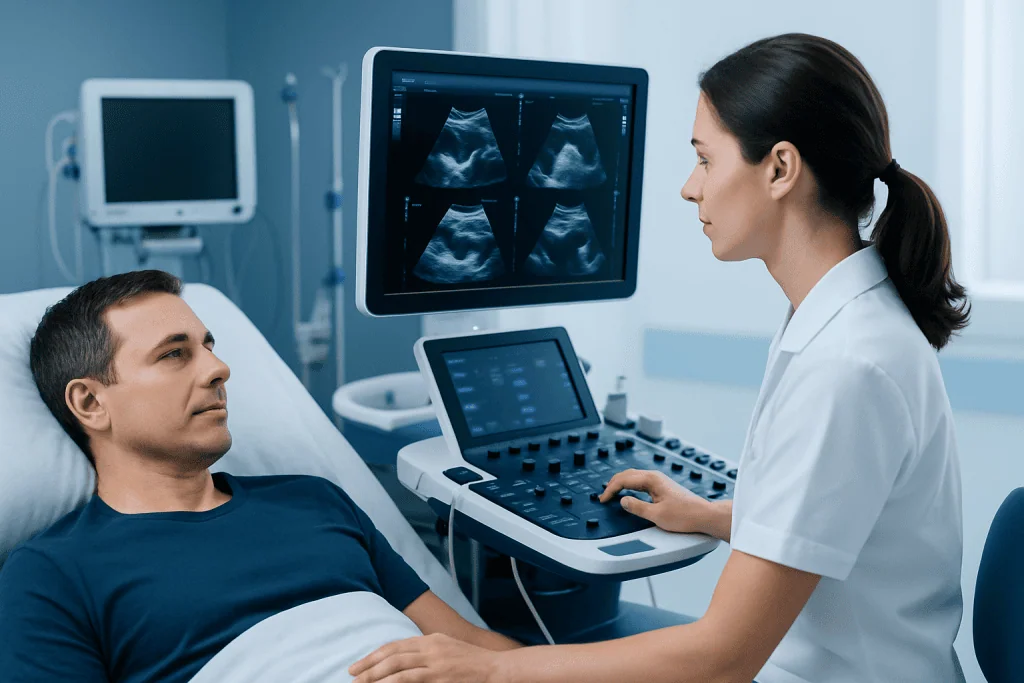
Imaging may be recommended if structural disease is suspected. Ultrasound, CT, MRI, or specialized pancreatic imaging can help detect chronic pancreatitis, duct blockage, masses, or complications involving nearby organs. The exact test depends on the symptoms, urgency, and the doctor’s clinical concerns.
In selected patients, upper endoscopy or other gastrointestinal investigations may be needed to check for celiac disease, ulcers, inflammation, or other causes of digestive symptoms. The goal is not only to confirm enzyme insufficiency but also to understand why it is happening so treatment can be tailored appropriately.
Treatment, Diet, and Self-Care
Treatment depends on the underlying cause. If the problem is pancreatic exocrine insufficiency, doctors may prescribe pancreatic enzyme replacement therapy to help digestion during meals. This treatment provides enzyme support so food can be broken down more effectively. The dose and plan should always be individualized by a qualified clinician.
Care often includes addressing the root condition as well. That may mean managing chronic pancreatitis, treating celiac disease, relieving duct obstruction, or changing medications if they are contributing to symptoms. Nutritional assessment can be important, especially if a person has weight loss or signs of vitamin deficiency.
Dietary self-care can support medical treatment. Many patients benefit from eating regular balanced meals, staying hydrated, limiting alcohol, and avoiding smoking, which can worsen pancreatic disease. Some people find it easier to tolerate smaller, more frequent meals. It is best not to make major dietary restrictions without professional advice, because unnecessary elimination can reduce nutritional intake further.
If symptoms are persistent, referral to a gastroenterologist may be helpful. In complex cases, care from pancreatic and digestive specialists can clarify whether the issue involves the pancreas, small intestine, or another condition. Near the end of the care pathway, patients seeking international evaluation may also learn that Acibadem International’s multidisciplinary specialists and JCI-accredited hospitals diagnose and treat pancreatic and digestive disorders for international patients.
When to Seek Medical Care
Medical advice is recommended if digestive symptoms last more than a few weeks, keep returning, or interfere with daily life. Ongoing bloating, chronic diarrhea, greasy stools, unexplained weight loss, or signs of poor nutrition deserve professional assessment. These symptoms may relate to pancreatic enzyme problems, but they can also have many other causes that should not be overlooked.
Prompt medical attention is especially important for severe or worsening abdominal pain, vomiting, dehydration, jaundice, black stools, blood in the stool, or sudden inability to eat or drink. These are not typical signs of a simple digestive upset and may indicate a condition that needs urgent evaluation.
People with a history of pancreatitis, pancreatic surgery, cystic fibrosis, celiac disease, or chronic digestive disorders should mention any new changes in bowel habits or weight to their doctor. Earlier assessment can sometimes prevent worsening malnutrition and support more effective treatment.
Patients should avoid self-diagnosing based on internet information alone. A qualified doctor can determine whether symptoms are related to the trypsin role in digestion, another enzyme problem, or a different gastrointestinal condition altogether.
Frequently asked questions
What is the main trypsin role in digestion?
Trypsin helps break down proteins into smaller peptide fragments in the small intestine. This is an essential step that allows the body to absorb amino acids and use them for repair, growth, and normal function.
Where is trypsin made?
Trypsin is made by the pancreas as an inactive substance called trypsinogen. It becomes active only after it reaches the small intestine, which helps protect the pancreas from self-digestion.
Can low trypsin activity cause digestive symptoms?
Yes, reduced enzyme activity may contribute to poor digestion and malabsorption. Symptoms can include bloating, diarrhea, greasy stools, or weight loss, although these symptoms can also happen for many other reasons.
Is trypsin the same as other digestive enzymes?
No, trypsin is one specific digestive enzyme with a main role in protein digestion. Other enzymes help digest fats and carbohydrates, and several protein-digesting enzymes work together rather than alone.
How do doctors test for problems related to pancreatic enzymes?
Doctors may use a combination of medical history, examination, blood tests, stool tests, and imaging. In many cases, stool tests such as fecal elastase are used to help assess pancreatic enzyme function rather than measuring trypsin directly.
Can diet alone fix a trypsin-related digestion problem?
Diet may help reduce symptoms and support nutrition, but it may not correct the underlying cause. If the pancreas is not producing enough enzymes, medical treatment such as pancreatic enzyme replacement may be needed.
References
- National Institute of Diabetes and Digestive and Kidney Diseases
- American College of Gastroenterology
- National Pancreas Foundation
- Merck Manual Consumer Version
This article is for general information only and is not a substitute for professional medical advice. Please consult a qualified doctor about your individual situation.
Persistent digestive symptoms? Get evaluated in Turkey
JCI-accredited · board-certified surgeons · reply within 24h
Add us as a Preferred Source to see more of our trusted health content across Google Search, AI Overviews and Discover.