Osteochondrosis: Symptoms, Causes, and Treatment Options

Osteochondrosis affects areas of bone growth, most often in children and adolescents. Symptoms vary by location but commonly include pain, swelling, stiffness, tenderness, or limping.
Key Takeaways
- Osteochondrosis affects areas of bone growth, most often in children and adolescents.
- Symptoms vary by location but commonly include pain, swelling, stiffness, tenderness, or limping.
- Repetitive stress, rapid growth, and reduced blood supply to a growth area may contribute.
- Diagnosis usually involves a physical exam and imaging such as X-rays or MRI.
- Treatment often starts with rest, activity changes, physical therapy, and pain relief measures.
- Medical evaluation is important if pain persists, walking changes, or joint motion becomes limited.
Osteochondrosis is a group of conditions that affect growing bones and the nearby cartilage, usually in children and teenagers. It often improves with time and appropriate care, but early assessment can help reduce pain, protect the joint, and support healthy movement.
What is osteochondrosis?
Osteochondrosis is a broad term for a group of disorders that affect the normal growth of bone and cartilage, usually near growth plates or developing joint surfaces. It is seen most often in children and adolescents because their bones are still maturing. In many cases, the condition involves temporary disruption in how a part of the bone develops, which can lead to pain and reduced function.
The term does not describe a single disease in one exact location. Instead, it includes several named conditions depending on which bone or joint is affected. Examples include Legg-Calvé-Perthes disease in the hip, Osgood-Schlatter disease at the knee, and Scheuermann kyphosis in the spine. Some forms mainly affect active children and teenagers during growth spurts.
Osteochondrosis can sound concerning, but many cases are manageable and improve as the skeleton matures. The outlook depends on the area involved, the severity of changes in the bone and cartilage, and how early the condition is recognized. The goal of care is to reduce pain, protect the affected area, and help the child or teenager return safely to normal activities.
Common types and where they occur
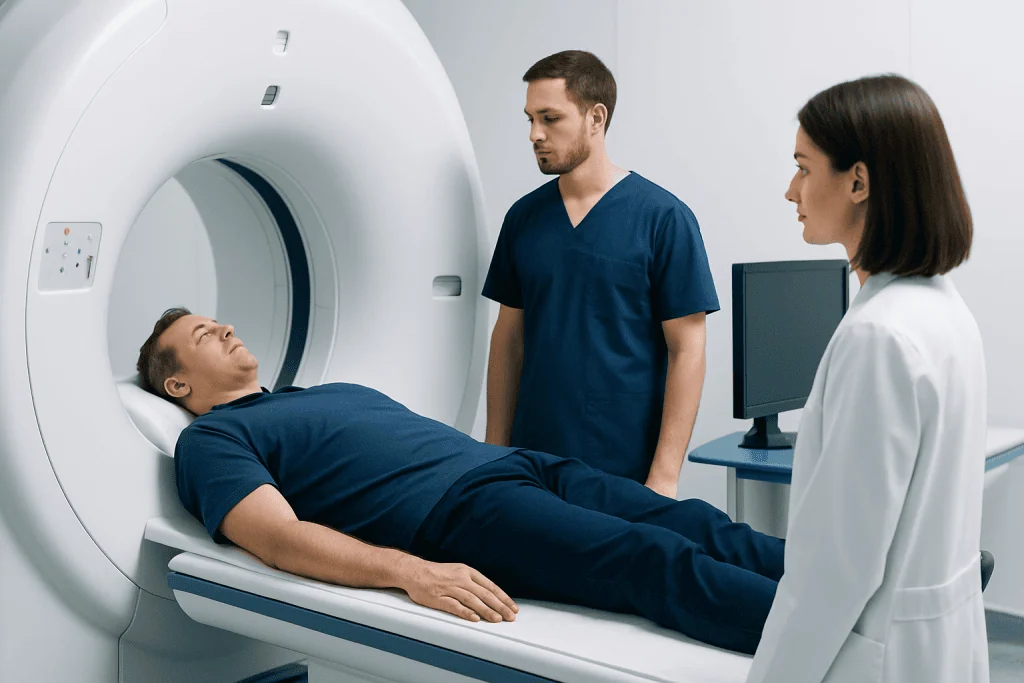
Different forms of osteochondrosis affect different parts of the body. Some involve the ends of long bones near joints, while others affect areas where tendons attach to bone. Symptoms and treatment can vary significantly depending on location, which is why a precise diagnosis matters.
Common examples include pain in the hip from Legg-Calvé-Perthes disease, pain below the kneecap from Osgood-Schlatter disease, heel pain from Sever disease, and changes in the spine from Scheuermann disease. A related but distinct condition is osteochondritis dissecans, which involves damage to bone and cartilage in a joint and may sometimes need more specialized treatment.
Doctors also consider the child’s age, growth stage, activity level, and exact symptom pattern when deciding which condition is most likely. Two children may both have knee pain, for example, but one may have irritation at a tendon attachment while another has a problem affecting the joint surface itself.
- Hip: stiffness, groin or thigh pain, limping
- Knee: pain with running, jumping, kneeling, or stairs
- Heel: pain during sports or after activity
- Spine: back pain, posture changes, or increasing rounding of the upper back
Symptoms of osteochondrosis

Symptoms of osteochondrosis depend on the bone or joint involved, but pain is the most common complaint. The pain may start gradually and worsen with sports, running, jumping, or repeated movement. Some children describe aching after activity, while others have tenderness when the area is pressed.
Other possible symptoms include swelling, stiffness, a reduced range of motion, limping, or avoidance of certain activities. If the condition affects the spine, there may be back pain and a visible change in posture. If it affects the hip or knee, a child may walk differently or have trouble with activities that were previously easy.
Symptoms are not always severe at the beginning. Because many young people are active and often have occasional aches, osteochondrosis can be mistaken for a simple overuse problem at first. Persistent pain, recurring symptoms, or a clear drop in function are signs that a proper medical assessment is worthwhile.
- Pain that is worse with exercise or repetitive movement
- Tenderness over a bone or joint
- Swelling or local irritation
- Stiffness or reduced flexibility
- Limping or altered walking pattern
- Difficulty with sports, stairs, or prolonged standing
Causes and risk factors
The exact cause of osteochondrosis is not always fully understood. In many cases, doctors believe it develops because of a combination of factors rather than a single reason. These may include temporary changes in blood supply to a growing area of bone, repetitive stress from activity, and the normal mechanical demands placed on developing joints.
Rapid growth during childhood and adolescence may make certain areas more vulnerable. Repeated impact from running and jumping sports can increase strain where tendons attach or where bones and cartilage are still developing. Family history, body alignment, muscle tightness, and biomechanical factors may also play a role in some patients.
It is important to remember that osteochondrosis does not necessarily mean a child has done something wrong or has a serious long-term bone disease. Rather, it often reflects how a growing skeleton responds to stress during development. A clinician can help determine whether symptoms are due to overuse, osteochondrosis, or another bone or joint condition such as scoliosis or an inflammatory problem.
How osteochondrosis is diagnosed
Diagnosis starts with a careful medical history and physical examination. The doctor usually asks when the pain began, what activities make it worse, whether there has been a growth spurt, and whether the child has started limping or limiting sports. During the exam, the clinician checks tenderness, range of motion, posture, walking pattern, and muscle strength.
Imaging tests are often helpful. X-rays can show changes in bone shape, growth areas, alignment, or signs of irritation at tendon attachment sites. In some cases, MRI gives more detailed information about cartilage, bone marrow, joint surfaces, and blood supply. MRI can be especially useful if symptoms are significant or if the diagnosis is uncertain.
Not every child needs extensive testing. The decision depends on age, symptoms, exam findings, and the suspected location of disease. If surgery is being considered or if there is concern about a more complex joint problem, advanced imaging and evaluation by an orthopedic specialist may be recommended.
Treatment options for osteochondrosis
Treatment depends on the type of osteochondrosis, the child’s age, symptom severity, and whether the joint surface is affected. In many cases, treatment begins with conservative measures. These typically include temporary activity modification, avoiding high-impact sports for a period, using ice after activity, and considering doctor-recommended pain relief methods.
Physical therapy is often an important part of care. A therapy plan may focus on stretching tight muscles, improving strength, supporting posture, and correcting movement patterns that place extra stress on the area. Bracing or supportive devices may be used in selected cases, especially if they help relieve pressure or improve alignment. Some children with significant symptoms may benefit from a more structured rehabilitation approach such as physical therapy and rehabilitation.
If a condition affects the hip, knee, or another major joint in a way that threatens joint shape or long-term function, orthopedic follow-up becomes especially important. More advanced treatment may occasionally be needed, including procedures used in pediatric orthopedics or, in selected joint surface injuries, orthopedic surgery. Surgery is not needed for most children with osteochondrosis, but it may be considered when symptoms persist, deformity progresses, or loose bone and cartilage fragments develop.
Self-care, activity changes, and recovery
Recovery often requires patience. Even when osteochondrosis is not dangerous, continuing intense activity through pain can delay healing. Families are usually advised to work with the medical team on a temporary plan that reduces stress on the affected area while keeping the child safely active in other ways.
Self-care may include rest from painful movements, gradual return to sports, proper footwear, home exercises, and attention to warm-up and flexibility. Good training habits matter. Increasing activity slowly, using correct technique, and balancing sports with rest days may help prevent symptoms from recurring.
Follow-up is important because healing times vary. Some children improve within weeks, while others need a longer period of modified activity. If pain is not improving as expected, the diagnosis may need to be reviewed. Near the end of the care pathway, some families may choose assessment at centers such as Acibadem International, where multidisciplinary specialists in JCI-accredited hospitals evaluate bone and joint conditions in international patients.
When to seek medical care
Medical advice should be sought if a child or teenager has bone or joint pain that lasts more than a few days, returns repeatedly, or interferes with walking, sports, sleep, or daily activities. Evaluation is also important if there is a limp, reduced joint motion, visible swelling, or a change in posture.
Prompt assessment is especially helpful when hip pain is present, because some hip conditions in growing children need close monitoring. Severe pain after an injury, inability to bear weight, fever, redness, or rapidly worsening symptoms should be assessed urgently, as these signs may point to a different problem that needs immediate attention.
Early diagnosis does not always mean major treatment, but it can help guide safe activity, prevent unnecessary strain, and identify children who need specialist care. Parents and caregivers should feel comfortable asking for a review if they are unsure whether a child’s pain is just a temporary sports ache or something that needs further evaluation.
Frequently asked questions
Is osteochondrosis the same as arthritis?
No. Osteochondrosis is mainly a disorder of bone and cartilage development in growing children and adolescents, while arthritis refers to joint inflammation or joint degeneration. Some symptoms can overlap, such as pain and stiffness, so a medical evaluation helps clarify the cause.
Can osteochondrosis go away on its own?
Many cases improve over time, especially when the affected area is protected from repeated stress and the child follows medical advice. However, not every case should simply be watched at home. Ongoing pain, limping, or limited motion should be evaluated.
Who gets osteochondrosis most often?
It is seen most often in children and teenagers during periods of growth. Active young people who do repetitive running, jumping, or impact sports may be more likely to develop symptoms in certain areas. The exact risk depends on the type and location of osteochondrosis.
Does osteochondrosis always require surgery?
No. Most patients are treated without surgery using rest, activity modification, physical therapy, and follow-up. Surgery is usually reserved for selected cases, such as persistent symptoms, deformity, or joint surface problems that do not improve with conservative care.
How long does recovery take?
Recovery time varies widely depending on the bone involved, the severity of the condition, and whether the child can avoid painful activities. Some improve within weeks, while others need several months of modified activity and rehabilitation. Regular follow-up helps guide a safe return to sports.
Can adults have osteochondrosis?
The term most often refers to disorders in growing bones, so it is primarily used for children and adolescents. Adults may still experience symptoms or long-term effects from a condition that began earlier in life. Adults with joint pain should still be assessed to identify the exact cause.
References
- American Academy of Orthopaedic Surgeons
- American Academy of Pediatrics
- National Institute of Arthritis and Musculoskeletal and Skin Diseases
- MedlinePlus
- OrthoInfo
This article is for general information only and is not a substitute for professional medical advice. Please consult a qualified doctor about your individual situation.
Joint and spine care in Turkey — expert assessment & treatment
JCI-accredited · board-certified surgeons · reply within 24h
Add us as a Preferred Source to see more of our trusted health content across Google Search, AI Overviews and Discover.

More from the Health Library


Related Specialists
Dr. Caner Ünlüer
Neurosurgery
Assoc. Prof. Dr. Alpay Medetalibeyoğlu
Internal Medicine
Prof. Dr. Özlem Sönmez
Internal Medicine
Dt. Egemen Sezen
Oral & Dental Health