

Does Ozempic Cause Diarrhea? Here Is What the Evidence Says

Diarrhea is a known gastrointestinal side effect of Ozempic (semaglutide). Symptoms are often most noticeable when starting treatment or increasing the dose.
Key Takeaways
- Diarrhea is a known gastrointestinal side effect of Ozempic (semaglutide).
- Symptoms are often most noticeable when starting treatment or increasing the dose.
- Most cases are mild and improve as the body adjusts, especially with diet and hydration changes.
- Medical review is important if diarrhea is severe, prolonged, or linked with dehydration, vomiting, blood in the stool, or significant abdominal pain.
- A doctor may look for other causes of diarrhea rather than assuming Ozempic is the only explanation.
Yes, Ozempic can cause diarrhea. In many people it is a mild, temporary side effect that appears when treatment begins or after a dose increase, but persistent or severe symptoms should be reviewed by a doctor.
Overview: Does Ozempic cause diarrhea?
Yes, Ozempic can cause diarrhea. Ozempic is the brand name for semaglutide, a medicine used for type 2 diabetes and, in some settings, weight management. Diarrhea is one of the recognized gastrointestinal side effects of this type of medication, along with nausea, vomiting, constipation, and stomach discomfort.
For many people, this side effect is harmless and temporary. It is often most noticeable in the first weeks of treatment or after the dose is increased, and it may settle as the body adapts. Supportive measures such as drinking enough fluids, eating smaller meals, and avoiding heavy or greasy foods can often help.
Still, diarrhea should not always be dismissed. If it is severe, lasts more than a few days, or is accompanied by warning signs such as dizziness, reduced urination, persistent vomiting, fever, blood in the stool, or strong abdominal pain, medical advice is important. This is especially true for older adults and people with kidney problems, because dehydration can develop more easily.
Why Ozempic can affect the digestive system
Ozempic belongs to a class of medicines called GLP-1 receptor agonists. These medicines work partly by helping the body release insulin when needed, lowering glucagon levels, and slowing stomach emptying. The same actions that help control blood sugar and reduce appetite can also affect how the digestive tract feels and functions.
Because digestion may slow and gut signaling changes, some people notice nausea, fullness, bloating, constipation, or diarrhea. Not everyone has the same reaction. One person may experience loose stools, while another may develop constipation or no digestive symptoms at all.
Diarrhea may happen because the gut is adjusting to altered movement and hormone signaling. This does not necessarily mean the medicine is unsafe or that it must be stopped. However, ongoing symptoms should be reviewed so a clinician can decide whether the problem is an expected side effect, a dosing issue, or part of another digestive condition such as Crohn’s disease or an infection.
What Ozempic-related diarrhea usually feels like

When Ozempic is the cause, diarrhea often begins soon after treatment starts or after a higher dose is introduced. Stools may be looser or more frequent than usual, and symptoms may come with mild cramping, urgency, nausea, or a reduced appetite. In many cases, symptoms are annoying but manageable.
The pattern is often temporary. Some people notice improvement within days to weeks as the body gets used to the medicine. Symptoms may also improve when meals are lighter and spread through the day rather than large and rich.
Common features that can fit medication-related diarrhea include:
- Loose or watery stools without blood
- Symptoms that begin after starting Ozempic or changing the dose
- Mild abdominal discomfort rather than severe pain
- Nausea or fullness at the same time
- Gradual improvement over time
Even so, timing alone does not prove Ozempic is the only reason. Viral illness, food intolerance, antibiotics, metformin, magnesium-containing products, and other digestive diseases can cause similar symptoms.
Who is more likely to develop diarrhea on Ozempic?
Anyone taking Ozempic can develop gastrointestinal side effects, but some situations make them more likely. The risk is often higher when treatment first starts, when the dose is increased quickly, or when a person is sensitive to medications that affect stomach and bowel function.
Other factors may also play a role. People who already have digestive disorders, irregular eating patterns, dehydration, or multiple medicines that can upset the stomach may notice stronger symptoms. Very fatty meals, large portions, alcohol, and limited fluid intake can make diarrhea or stomach upset more uncomfortable.
A higher chance of symptoms does not mean the medicine cannot be used. It means treatment may need a careful plan, including gradual dose escalation and practical self-care steps. In some patients, doctors also review related conditions such as diabetes itself, since changes in diet, blood sugar, and other medicines may influence bowel habits.
How doctors assess diarrhea while taking Ozempic
If diarrhea persists or is concerning, a doctor will usually start by asking about timing, severity, and associated symptoms. They often want to know when Ozempic was started, whether the dose recently changed, how many bowel movements occur each day, what the stool looks like, and whether there is fever, blood, vomiting, or weight loss.
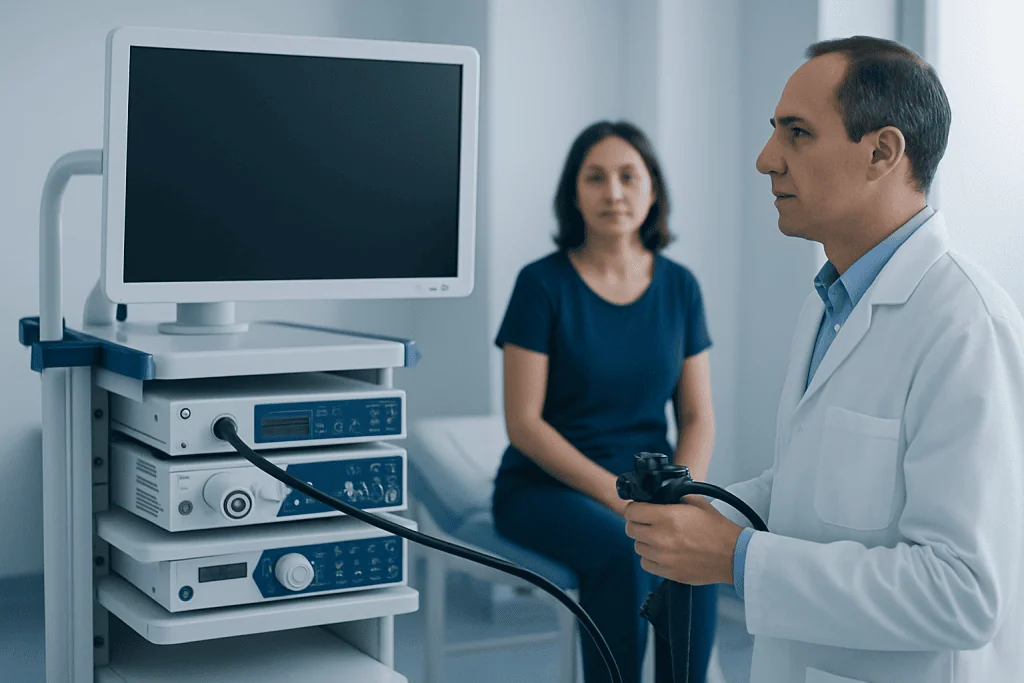
The review usually includes medications, supplements, travel, recent antibiotics, diet changes, and past digestive problems. A physical examination may look for signs of dehydration or abdominal tenderness. Depending on the situation, testing may include blood work, stool studies, or imaging to rule out infection, inflammation, or another cause. If symptoms suggest a structural digestive problem, doctors may recommend evaluations linked to gastroenterology care or, in selected cases, colonoscopy.
This step matters because not all diarrhea in someone taking Ozempic is caused by the medicine. A careful assessment helps prevent missed diagnoses and helps the care team decide whether the best approach is to wait, adjust the dose, treat dehydration, or investigate another condition.
What can help if Ozempic is causing diarrhea?
Simple self-care steps can often make a meaningful difference. Drinking water regularly is important, and some people benefit from oral rehydration fluids if stools are frequent. Eating bland, smaller meals and limiting greasy, fried, spicy, or very sugary foods may reduce stomach irritation. It can also help to avoid large meals and alcohol until symptoms settle.
Doctors may advise staying on the same dose for longer rather than increasing it on schedule, or occasionally reducing the dose if side effects are difficult. Medication changes should only be made with medical guidance. It is generally best not to stop a prescribed diabetes medication abruptly without discussing it with the prescribing clinician.
People with recurring digestive side effects may benefit from broader support, including nutrition and diet guidance. Near the end of the care pathway, some patients also need specialist review. Acibadem International’s multidisciplinary specialists and JCI-accredited hospitals diagnose and treat digestive and metabolic conditions for international patients.
When to seek medical care
Most mild diarrhea improves without emergency treatment, but some symptoms should prompt medical review. A doctor should be contacted if diarrhea is severe, lasts several days, keeps returning, or interferes with eating, drinking, or daily life. This is also important if blood sugar control changes unexpectedly while symptoms are ongoing.
Urgent assessment is needed if there are signs of dehydration such as marked thirst, weakness, dizziness, fainting, confusion, or very little urine. The same applies to blood in the stool, black stools, high fever, persistent vomiting, severe or worsening abdominal pain, or symptoms of an allergic reaction.
People with kidney disease, older adults, and those taking medicines that can worsen fluid loss should be especially cautious. Seeking care early can help prevent complications and confirm whether the symptoms are related to Ozempic or another condition that needs prompt treatment.
Prevention and practical self-care tips
There is no guaranteed way to prevent diarrhea on Ozempic, but careful use can lower the chance of troublesome symptoms. Following the prescribed dose schedule, rather than advancing faster than advised, is one of the most effective steps. The body often tolerates treatment better when dose increases are gradual.
Daily habits matter too. Regular hydration, smaller meals, and a simpler diet during the first weeks of treatment can help. Many people do better when they avoid very rich foods and notice which foods seem to trigger symptoms. Keeping a short symptom diary may make patterns easier to identify.
If symptoms continue, patients should not assume they simply need to push through them. A qualified doctor can decide whether the plan needs adjustment and whether another digestive cause should be evaluated. Personalized advice is especially important for anyone with diabetes, existing bowel disease, or repeated episodes of dehydration.
Frequently asked questions
How common is diarrhea with Ozempic?
Diarrhea is a recognized side effect of Ozempic and other GLP-1 receptor agonists. It does not happen to everyone, but it is common enough that doctors routinely mention it when starting treatment.
Does Ozempic diarrhea go away on its own?
In many people, yes. Symptoms often improve after the first few weeks or after the body adjusts to a dose increase, especially when hydration and diet are managed carefully.
Should someone stop Ozempic if diarrhea starts?
A person should not stop a prescribed medication without speaking to the prescribing doctor unless they are told to do so. Mild symptoms can often be managed, but severe or persistent diarrhea may require a dose change or further evaluation.
What foods may make Ozempic-related diarrhea worse?
Large meals, fried foods, very fatty foods, spicy meals, alcohol, and very sugary foods can sometimes worsen digestive side effects. Smaller, simpler meals are often easier to tolerate while symptoms are settling.
Can Ozempic cause diarrhea after being fine for months?
It is possible, especially after a dose increase or a change in diet or other medicines. However, if diarrhea begins after a long stable period, a doctor may look carefully for another cause rather than assuming Ozempic is responsible.
When is diarrhea on Ozempic an emergency?
Emergency or urgent care is important if there is severe dehydration, persistent vomiting, fainting, confusion, blood in the stool, black stools, high fever, or strong abdominal pain. These symptoms need prompt medical assessment because they may point to complications or another illness.
References
- U.S. Food and Drug Administration
- National Institute of Diabetes and Digestive and Kidney Diseases
- American Diabetes Association
- National Health Service
- Mayo Clinic
This article is for general information only and is not a substitute for professional medical advice. Please consult a qualified doctor about your individual situation.
Persistent digestive symptoms? Get evaluated in Turkey
JCI-accredited · board-certified surgeons · reply within 24h
Add us as a Preferred Source to see more of our trusted health content across Google Search, AI Overviews and Discover.

More from the Health Library



Related Specialists
Prof. Dr. Selçuk Palaoğlu
Neurosurgery
Dr. Semra Demirli Atıcı
General Surgery
Prof. Dr. Nesliar Eser Kutsal
Gastroenterology
Assoc. Prof. Dr. Hayrettin Dizen
General Surgery