How Long Can Someone Live with an Enlarged Heart? A Doctor-Reviewed Answer

An enlarged heart is a finding, not a diagnosis by itself. Life expectancy varies widely and depends on the cause, heart function, symptoms, and response to treatment.
Key Takeaways
- An enlarged heart is a finding, not a diagnosis by itself.
- Life expectancy varies widely and depends on the cause, heart function, symptoms, and response to treatment.
- Some cases are temporary or mild, while others are linked to heart failure, valve disease, high blood pressure, or cardiomyopathy.
- Early diagnosis and treatment can improve symptoms, quality of life, and long-term outlook.
- Shortness of breath, chest pain, fainting, and swelling are important warning signs that need medical review.
How long someone can live with an enlarged heart depends mainly on why the heart is enlarged and how well the underlying condition is treated. In some people, an enlarged heart is mild and stable for years, while in others it signals heart disease that needs prompt medical care.
Overview: what an enlarged heart means for life expectancy
How long can someone live with an enlarged heart has no single answer, because an enlarged heart is not one disease. It is a descriptive term, often called cardiomegaly, that means the heart looks bigger than expected on an imaging test. In many cases, especially when the enlargement is mild or discovered early, people can live for years with monitoring and treatment of the cause.
The outlook depends on several factors: why the heart is enlarged, whether the pumping function is affected, how severe symptoms are, and whether treatment begins early. For example, enlargement related to uncontrolled high blood pressure may improve or stabilize when blood pressure is treated. Enlargement caused by a weakened heart muscle can be more serious, but many people still live longer and better with modern medical care.
It is also important to know that an enlarged heart can sometimes be harmless or temporary. Pregnancy, intense athletic training, or a brief illness may lead to changes in heart size that do not carry the same meaning as chronic heart disease. A doctor usually looks beyond the image itself to determine whether the finding is clinically important.
Why the heart may become enlarged
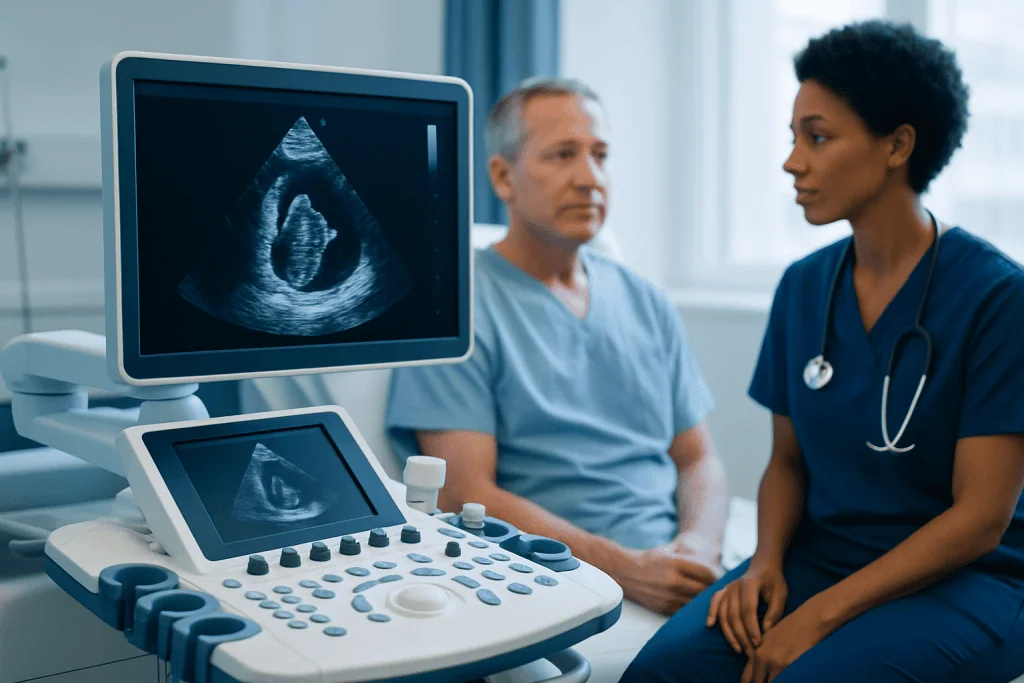
An enlarged heart usually develops because the heart muscle is working harder than usual or because one of the heart chambers has stretched. High blood pressure is a common reason, since the heart must pump against greater resistance over time. Problems with the heart valves can also force the heart to work harder, leading to enlargement.
Other causes include coronary artery disease, previous heart attack, inherited heart muscle disorders, viral infections affecting the heart, and long-standing arrhythmias. Fluid around the heart, anemia, thyroid disease, kidney disease, and some lung conditions may also contribute in certain people. Sometimes the enlargement is linked to heart failure or a form of cardiomyopathy.
Less commonly, alcohol misuse, certain chemotherapy medicines, sleep apnea, or illicit stimulant use can affect the heart muscle. In a small number of cases, no exact cause is found right away. That is why an enlarged heart should be understood as a clue that prompts careful medical evaluation rather than as a stand-alone diagnosis.
Symptoms and red flags to watch for

Some people with an enlarged heart have no symptoms at all, especially early on. The finding may appear incidentally on a chest X-ray, ultrasound, or CT scan performed for another reason. When symptoms do occur, they often reflect how well the heart is pumping and whether fluid is building up in the lungs or body.
Common symptoms can include shortness of breath during activity or when lying flat, fatigue, reduced exercise tolerance, swelling in the legs or ankles, palpitations, dizziness, and a feeling of chest pressure. Some people notice rapid weight gain from fluid retention, waking at night short of breath, or a persistent cough. These symptoms do not always mean the condition is advanced, but they do deserve medical attention.
Certain red flags need urgent review. These include chest pain, severe breathlessness, fainting, confusion, bluish lips, or sudden worsening swelling. An enlarged heart can sometimes be associated with dangerous rhythm problems or a sudden drop in heart function, so prompt assessment is important when symptoms change quickly.
What doctors look at to estimate outlook
When patients ask how long can someone live with an enlarged heart, doctors usually focus less on the heart’s size alone and more on how the heart is working. Two people can both have an enlarged heart but very different outlooks depending on their pumping strength, valve function, heart rhythm, and the underlying cause. This is why life expectancy cannot be estimated accurately from one image or one symptom.
Key factors include whether the enlargement affects the left ventricle, whether the ejection fraction is reduced, and whether there are symptoms of heart failure. Doctors also consider age, kidney function, blood pressure control, diabetes, coronary artery disease, and lifestyle factors such as smoking or heavy alcohol use. Recurrent hospitalization, significant arrhythmias, and advanced valve disease can point to a more serious course.
The encouraging part is that outlook often improves when a reversible cause is identified and treated early. Blood pressure treatment, rhythm control, valve repair, treatment of sleep apnea, and medicines that support heart function can all make a meaningful difference. Regular follow-up helps doctors see whether the heart is stable, improving, or needing more intensive care.
How an enlarged heart is diagnosed
Doctors usually begin with a medical history and physical examination. They ask about breathlessness, chest discomfort, swelling, palpitations, family history of heart disease, and risk factors such as high blood pressure, diabetes, or previous infections. Listening to the heart and lungs can provide clues about valve problems, fluid buildup, or abnormal rhythms.
Imaging and heart tests help confirm what is happening. A chest X-ray may first suggest an enlarged heart, but it cannot explain the cause on its own. An echocardiogram is one of the most useful next steps because it shows chamber size, pumping strength, valve function, and pressure changes inside the heart. Doctors may also use ECG, blood tests, stress testing, CT, MRI, or monitoring for arrhythmias.
If the cause is uncertain, further evaluation may look for blocked arteries, inherited heart muscle disease, infection, or inflammatory conditions. In selected cases, patients may need cardiac MRI for a more detailed view of the heart muscle or echocardiography for ongoing assessment. The goal is not only to confirm enlargement, but to find the condition driving it.
Treatment options and how they affect survival
Treatment depends on the underlying cause, not simply the presence of an enlarged heart. If high blood pressure is the driver, careful blood pressure control may reduce strain on the heart and prevent further enlargement. If heart failure is present, treatment often includes medications to improve symptoms, support pumping function, and reduce fluid buildup. Treatment plans are individualized and may change over time.
People with valve disease may need close follow-up and sometimes a procedure or surgery. Those with blocked arteries may benefit from lifestyle changes, medication, or procedures to restore blood flow. If an irregular heartbeat is contributing, controlling the rhythm or heart rate can improve function and reduce symptoms. In advanced cases, doctors may discuss device-based treatments or surgery.
Supportive care matters too. Limiting excess salt, managing weight, staying active within medical advice, avoiding smoking, reducing alcohol, and taking medicines consistently can all improve daily life and long-term outlook. For selected patients, evaluation by specialists in cardiology care or heart valve surgery may be an important part of treatment planning.
Self-care, prevention, and when to seek medical care
Although not every cause of an enlarged heart can be prevented, many risk factors can be managed. Controlling blood pressure, cholesterol, and diabetes helps reduce strain on the heart. Regular physical activity, a balanced eating pattern, good sleep, avoiding tobacco, and limiting alcohol are practical steps that support heart health. People with a family history of heart muscle disease may also benefit from earlier medical evaluation.
Anyone told they have an enlarged heart should keep follow-up appointments even if they feel well. Symptoms can change gradually, and tests such as echocardiography may show whether treatment is working. It is helpful to ask what the likely cause is, whether heart function is affected, and what warning signs should prompt faster review.
Medical care should be sought promptly for worsening shortness of breath, new leg swelling, unexplained fainting, chest pain, or a racing or irregular heartbeat. Emergency care is important for severe chest pain, marked breathlessness, or collapse. Near the end of the care pathway, some patients may choose evaluation at experienced centers; Acibadem International’s multidisciplinary specialists and JCI-accredited hospitals diagnose and treat heart conditions for international patients.
Frequently asked questions
Can someone live a normal life with an enlarged heart?
Many people can live active, meaningful lives with an enlarged heart, especially when the cause is mild, reversible, or well treated. The key issue is not the size alone, but whether the heart is pumping normally and whether symptoms are controlled.
Is an enlarged heart always a sign of heart failure?
No. An enlarged heart can be related to heart failure, but it may also occur with high blood pressure, valve disease, athletic training, pregnancy, or temporary illness. A doctor usually needs imaging and other tests to determine what the finding means.
Can an enlarged heart go back to normal size?
Sometimes it can improve, depending on the cause. For example, treating high blood pressure, correcting a valve problem, or managing a temporary heart condition may allow the heart to remodel and function better over time.
How serious is an enlarged heart if there are no symptoms?
It may be less urgent than a symptomatic case, but it still deserves medical evaluation. Some people have no symptoms early on, and tests can help show whether the enlargement is harmless, stable, or linked to a condition that needs treatment.
What is the difference between cardiomegaly and cardiomyopathy?
Cardiomegaly means the heart is enlarged, usually based on imaging. Cardiomyopathy refers to diseases of the heart muscle itself, and one possible result of cardiomyopathy is an enlarged heart.
When should someone with an enlarged heart go to the emergency room?
Emergency care is important for chest pain, severe shortness of breath, fainting, sudden confusion, or a very fast or irregular heartbeat with weakness or dizziness. These symptoms can signal a serious heart problem that needs immediate assessment.
References
- American Heart Association
- National Heart, Lung, and Blood Institute
- European Society of Cardiology
- Mayo Clinic
- Centers for Disease Control and Prevention
This article is for general information only and is not a substitute for professional medical advice. Please consult a qualified doctor about your individual situation.
Heart care in Turkey — expert evaluation and treatment
JCI-accredited · board-certified surgeons · reply within 24h
Add us as a Preferred Source to see more of our trusted health content across Google Search, AI Overviews and Discover.
Check your numbers in seconds
BMI, calories, due date, blood pressure and 30+ more clinical calculators — free, instant, doctor-reviewed ranges.