Pregnant Seeing Stars Vision Explained: Causes, Management, and When to See a Doctor
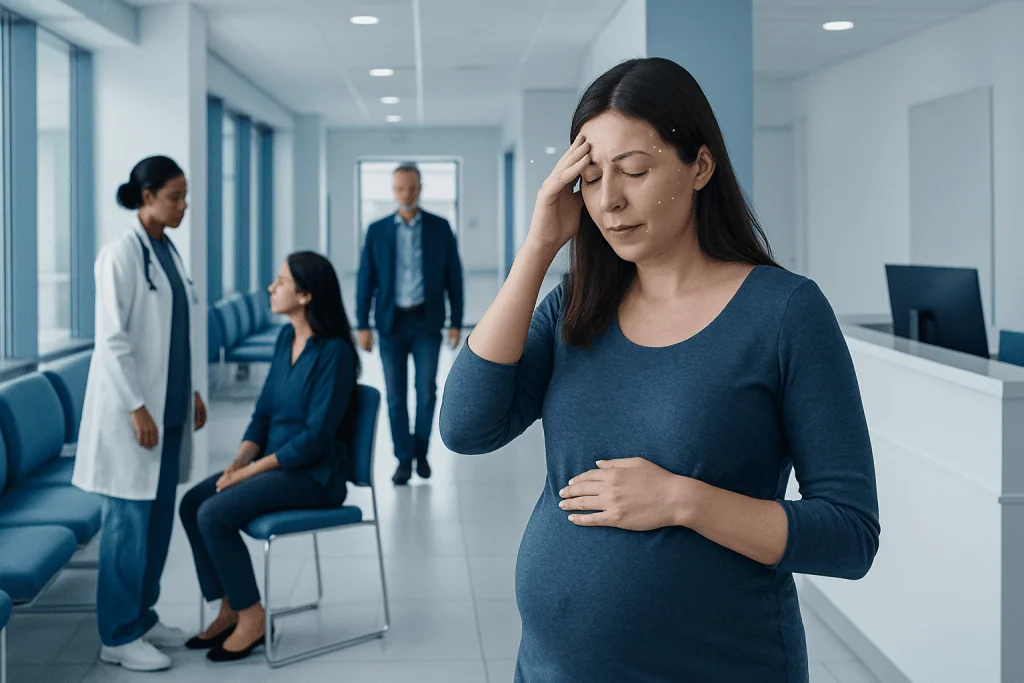
Seeing stars during pregnancy may feel like flashes, sparkles, spots, or shimmering in the vision. Common triggers include standing up quickly, dehydration, low blood sugar, fatigue, and migraine with aura.
Key Takeaways
- Seeing stars during pregnancy may feel like flashes, sparkles, spots, or shimmering in the vision.
- Common triggers include standing up quickly, dehydration, low blood sugar, fatigue, and migraine with aura.
- Visual symptoms can also be a warning sign of high blood pressure or preeclampsia, particularly after 20 weeks of pregnancy.
- Any sudden vision loss, severe headache, swelling, chest pain, or persistent flashing lights needs prompt medical assessment.
- Tracking when episodes happen and what symptoms come with them can help a clinician find the cause.
Pregnant seeing stars vision can happen for several reasons, including normal body changes, low blood sugar, dehydration, migraine, or blood pressure problems. While brief mild episodes may be harmless, sudden, frequent, or severe visual symptoms should be assessed by a qualified doctor, especially later in pregnancy.
Overview: What It Means to See Stars During Pregnancy
Pregnant seeing stars vision usually refers to brief visual disturbances such as flashes of light, sparkles, shimmering, black spots, or a feeling that the field of vision is momentarily “speckled.” In many cases, this happens because pregnancy changes circulation, fluid balance, blood sugar levels, and sensitivity to headaches. A short episode after standing up too quickly or going too long without eating may not be dangerous.
At the same time, vision changes in pregnancy should not be ignored. Some causes are more serious, including high blood pressure disorders such as preeclampsia, retinal problems, or neurologic conditions. The key difference is often the pattern: symptoms that are sudden, persistent, recurrent, or accompanied by headache, swelling, abdominal pain, or reduced well-being need medical review.
Pregnancy itself can also make the eyes feel different even without disease. Fluid retention may change the shape of the cornea slightly, and hormonal shifts can affect tear production, causing blurred vision or dry eyes. These changes are usually temporary, but they can make visual symptoms feel more noticeable.
How Seeing Stars May Feel
People describe this symptom in different ways. “Seeing stars” may mean tiny flickering lights, zigzag lines, bright flashes at the edges of vision, floating specks, or a short dimming of vision before it returns to normal. Some episodes last only seconds, while others continue for several minutes.
The sensation may affect one eye or both eyes, but many people find it hard to tell. If both eyes are involved, the cause may be related to blood pressure, circulation, or migraine. If one eye is clearly affected, an eye-specific cause becomes more important to consider.
Associated symptoms can offer clues. Helpful details to note include:
- Whether it happens when standing up, exercising, or getting overheated
- Whether there is nausea, dizziness, faintness, or sweating
- Whether a headache follows, especially a migraine-type headache
- Whether there is swelling, upper abdominal pain, or elevated blood pressure
- Whether symptoms are getting more frequent or more intense
Common Causes and Risk Factors
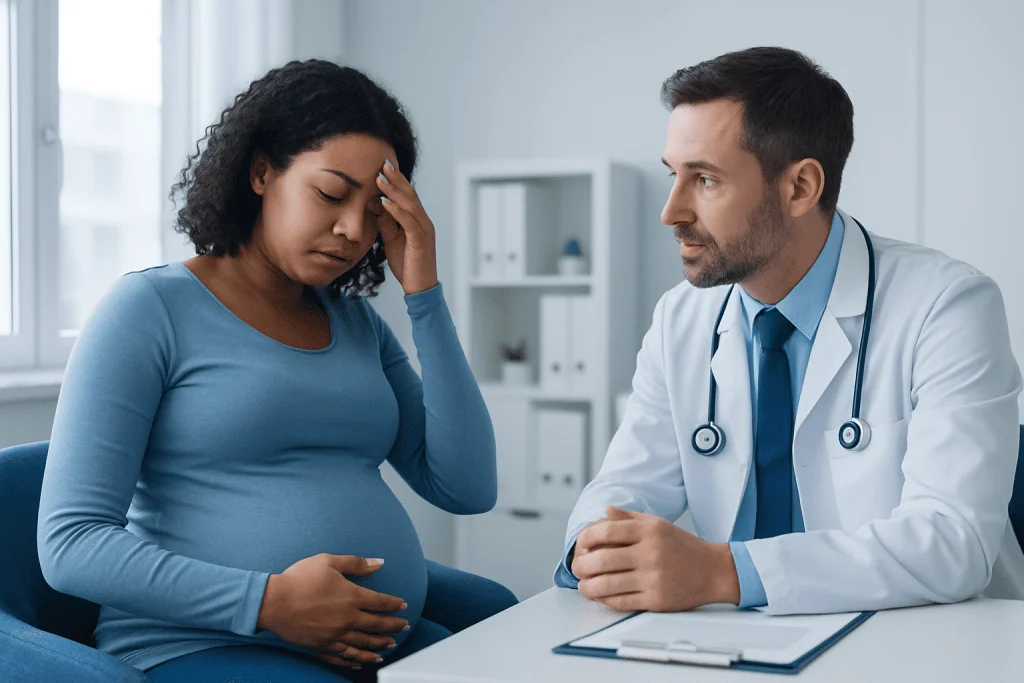
One of the most common reasons for seeing stars in pregnancy is a brief drop in blood pressure when changing position. Pregnancy naturally affects circulation, and standing up quickly can reduce blood flow to the brain for a moment, causing lightheadedness and flashes or dimming. Dehydration, overheating, and anemia can make this more likely.
Low blood sugar is another frequent cause. If meals are delayed, especially in early pregnancy with nausea or vomiting, the brain and eyes may be affected enough to cause shakiness, weakness, and visual changes. Resting, hydrating, and eating a balanced snack may help if low blood sugar is the trigger.
Migraine with aura can also become more noticeable during pregnancy, even in someone who has not had aura before. Aura may include shimmering lights, zigzag lines, or blind spots, often followed by headache, though not always. In contrast, painless new visual symptoms still deserve evaluation because they can overlap with other conditions.
More serious causes include high blood pressure and preeclampsia, usually after 20 weeks of pregnancy. These conditions can affect blood vessels and blood flow to the brain and eyes, leading to blurred vision, flashing lights, spots, or temporary visual loss. Risk factors include a history of hypertension, kidney disease, diabetes, first pregnancy, multiple pregnancy, or a previous hypertensive pregnancy disorder.
When Vision Changes Suggest a More Serious Problem
Although many episodes are benign, some red flags require faster attention. Visual symptoms are especially important if they begin suddenly, last longer than expected, or occur alongside a severe headache, new swelling of the face or hands, shortness of breath, chest pain, confusion, or pain under the right ribs. These can be warning signs of a pregnancy complication rather than a simple circulation change.
Preeclampsia is a major concern because it can affect the brain, liver, kidneys, and eyes. Its visual symptoms may include flashing lights, blurred vision, spots, or temporary loss of vision. Anyone who is pregnant and develops these symptoms should not try to self-diagnose, especially if blood pressure is elevated or the pregnancy is beyond 20 weeks.
Eye-specific conditions are less common but also important. Sudden showers of floaters, a curtain-like shadow, or flashes in one eye can sometimes point to retinal problems that need urgent ophthalmology assessment. In rare situations, neurologic causes such as stroke or seizure-related symptoms may also begin with visual disturbances.
How Doctors Evaluate Pregnant Seeing Stars Vision
Assessment starts with the story of the symptom. A clinician will usually ask when the visual changes began, how long they last, whether one or both eyes are involved, what the person was doing at the time, and what other symptoms came with the episode. Blood pressure, pulse, hydration status, and a urine test for protein may be part of the first evaluation.
Blood tests may be recommended to check for anemia, blood sugar issues, or signs of pregnancy-related complications. Depending on the situation, the doctor may also review medications, migraine history, and any previous blood pressure problems. If symptoms suggest an eye cause, a full eye examination can help assess the retina, optic nerve, and visual fields.
Further evaluation may include fetal assessment if the pregnancy is advanced and there is concern about maternal blood pressure or placental health. When visual symptoms are severe or unexplained, specialists in obstetrics, ophthalmology, neurology, or internal medicine may work together. At centers such as Acibadem International, multidisciplinary specialists in JCI-accredited hospitals evaluate international patients with pregnancy-related visual symptoms when more complex assessment is needed.
Management and Treatment Options
Treatment depends on the cause rather than the visual symptom alone. If episodes are linked to low blood pressure from standing up quickly, simple changes such as rising slowly, staying hydrated, avoiding overheating, and resting on the left side may help. If low blood sugar is contributing, regular meals and snacks with protein and complex carbohydrates are often useful.
When migraine is suspected, management usually focuses on trigger reduction, hydration, sleep, and pregnancy-safe treatment plans discussed with a doctor. If the problem is related to anemia, dehydration, or medication effects, treatment is directed at correcting those issues. Some people may also benefit from specialist eye care if dry eye or refractive changes are making symptoms more noticeable.
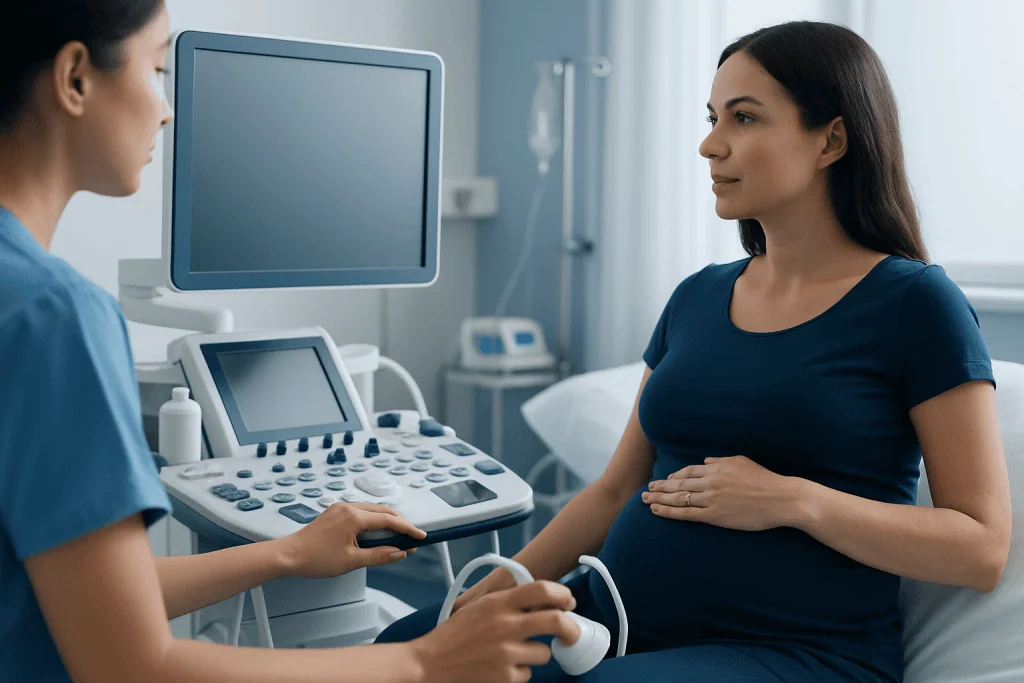
If blood pressure is elevated or preeclampsia is suspected, urgent obstetric assessment is needed. Monitoring, lab tests, fetal evaluation, and blood pressure treatment may be required depending on severity and gestational age. In selected situations, doctors may use hospital-based monitoring and imaging, including obstetric ultrasound to assess the pregnancy and comprehensive eye examination to investigate visual symptoms more closely.
People should avoid starting over-the-counter medicines, supplements, or herbal products for headaches or visual symptoms without asking a pregnancy clinician first. Even treatments that seem minor may not be appropriate during pregnancy. A personalized plan is safest.
Self-Care, Monitoring, and Prevention
Not every episode can be prevented, but practical steps may reduce how often they happen. Drinking enough fluids, eating regularly, getting adequate rest, and avoiding long periods of standing can support more stable circulation during pregnancy. Slow position changes, especially when getting out of bed or rising from a chair, are also helpful.
Keeping a simple symptom diary can make diagnosis easier. It can include the date, time, length of the episode, whether there was headache or dizziness, recent meals, hydration, and any home blood pressure readings if these have been recommended by a clinician. Patterns often become clearer when symptoms are tracked over several days.
Routine prenatal care is also an important form of prevention. Regular visits help detect high blood pressure, protein in the urine, and other signs of pregnancy complications before they become severe. People with diabetes, chronic hypertension, kidney disease, or migraine may benefit from closer monitoring and should mention any visual change promptly.
When ongoing symptoms need specialist support, related services such as pregnancy follow-up and delivery care may help coordinate monitoring throughout pregnancy. If a broader neurologic or vascular cause is being considered, clinicians may also evaluate overlapping symptoms such as those seen with migraine.
When to Seek Medical Care
Prompt medical care is recommended if seeing stars happens with a severe or unusual headache, high blood pressure, swelling of the face or hands, shortness of breath, chest pain, confusion, fainting, or pain in the upper abdomen. Care is also needed if there is reduced fetal movement, a general feeling that something is not right, or visual changes after 20 weeks of pregnancy.
Urgent eye or emergency assessment is important for sudden vision loss, a dark curtain over the vision, repeated flashes in one eye, a sudden large increase in floaters, or symptoms after head injury. Even if symptoms go away, they should still be reported if they are new, intense, or recurring.
For milder symptoms that seem related to hunger, dehydration, or standing up quickly, it is still sensible to mention them at the next prenatal visit. A clinician can decide whether reassurance is enough or whether blood pressure checks, lab work, or specialist review are needed.
Frequently asked questions
Is seeing stars during pregnancy normal?
It can happen for relatively common reasons such as standing up too quickly, dehydration, low blood sugar, or migraine. However, it is not a symptom that should automatically be dismissed, because vision changes can also occur with high blood pressure and preeclampsia.
Can low blood sugar cause pregnant seeing stars vision?
Yes. If a pregnant person has gone too long without eating, low blood sugar can cause shakiness, sweating, dizziness, and visual changes such as sparkles or dimming. Eating regular balanced meals and discussing recurring episodes with a doctor can help.
Does seeing stars mean preeclampsia?
Not always. Many episodes are caused by less serious factors, but seeing stars can be one of the visual symptoms of preeclampsia, especially after 20 weeks of pregnancy. This is why new or recurring visual symptoms should be reported promptly.
When should a pregnant person worry about flashes or spots in vision?
Concern is higher if symptoms are sudden, severe, frequent, or paired with headache, swelling, high blood pressure, upper abdominal pain, or shortness of breath. Immediate assessment is also important for vision loss, a curtain-like shadow, or flashes in only one eye.
Can migraine aura start during pregnancy?
Yes, migraine aura can appear during pregnancy even in someone who has not noticed it before. Aura may cause zigzags, shimmering lights, blind spots, or other visual effects, but new symptoms should still be reviewed to rule out other causes.
What can help reduce mild episodes of seeing stars in pregnancy?
Simple steps include drinking enough fluids, eating regular meals, avoiding overheating, and standing up slowly. Resting and tracking when episodes happen can also help, but persistent or worsening symptoms should be discussed with a clinician.
References
- American College of Obstetricians and Gynecologists
- National Eye Institute
- National Health Service
- Mayo Clinic
- Centers for Disease Control and Prevention
This article is for general information only and is not a substitute for professional medical advice. Please consult a qualified doctor about your individual situation.
Explore treatments in Turkey — costs, top hospitals & a free quote
JCI-accredited · board-certified surgeons · reply within 24h
Add us as a Preferred Source to see more of our trusted health content across Google Search, AI Overviews and Discover.
Check your numbers in seconds
BMI, calories, due date, blood pressure and 30+ more clinical calculators — free, instant, doctor-reviewed ranges.