Functional Incontinence — Explained by Medical Evidence, Not Myths

Functional incontinence is mainly caused by practical, physical, or cognitive barriers to toileting rather than bladder dysfunction alone. Common contributors include arthritis, stroke, dementia, poor vision, sedating medicines, and hard-to-access bathrooms.
Key Takeaways
- Functional incontinence is mainly caused by practical, physical, or cognitive barriers to toileting rather than bladder dysfunction alone.
- Common contributors include arthritis, stroke, dementia, poor vision, sedating medicines, and hard-to-access bathrooms.
- Diagnosis focuses on understanding daily function, mobility, medications, and other possible types of urinary incontinence.
- Treatment may include bladder care, physical therapy, medication review, home modifications, and help from caregivers.
- New or sudden incontinence should be medically assessed, especially if it occurs with pain, fever, blood in the urine, or confusion.
Functional incontinence is urine leakage that happens because a person cannot reach or use the toilet in time, even if the bladder itself may not be the main problem. It is often linked to mobility limits, memory problems, environmental barriers, medications, or illness, and it can often improve when these factors are identified and treated.
What functional incontinence means
Functional incontinence means a person loses urine because they cannot get to a toilet, remove clothing, recognize the need to urinate, or use the toilet in time. In other words, the problem is often related to movement, thinking, communication, or the environment rather than a simple failure of the bladder muscle itself. This is why medical evidence describes it as a functional problem: everyday function interferes with normal toileting.
It can affect older adults, people recovering from illness or surgery, and anyone living with conditions that limit mobility or awareness. Functional incontinence may happen on its own, but it also commonly exists alongside other forms of urinary incontinence, such as urge or stress incontinence. Recognizing this overlap matters, because successful treatment often depends on addressing both the bladder and the practical barriers around toileting.
This condition is not a personal failure and it is not an inevitable part of aging. Many causes are identifiable and manageable. A careful evaluation can uncover whether symptoms are related to joint pain, neurological disease, medication side effects, poor vision, constipation, infection, or an unsuitable living environment.
How it shows up in daily life
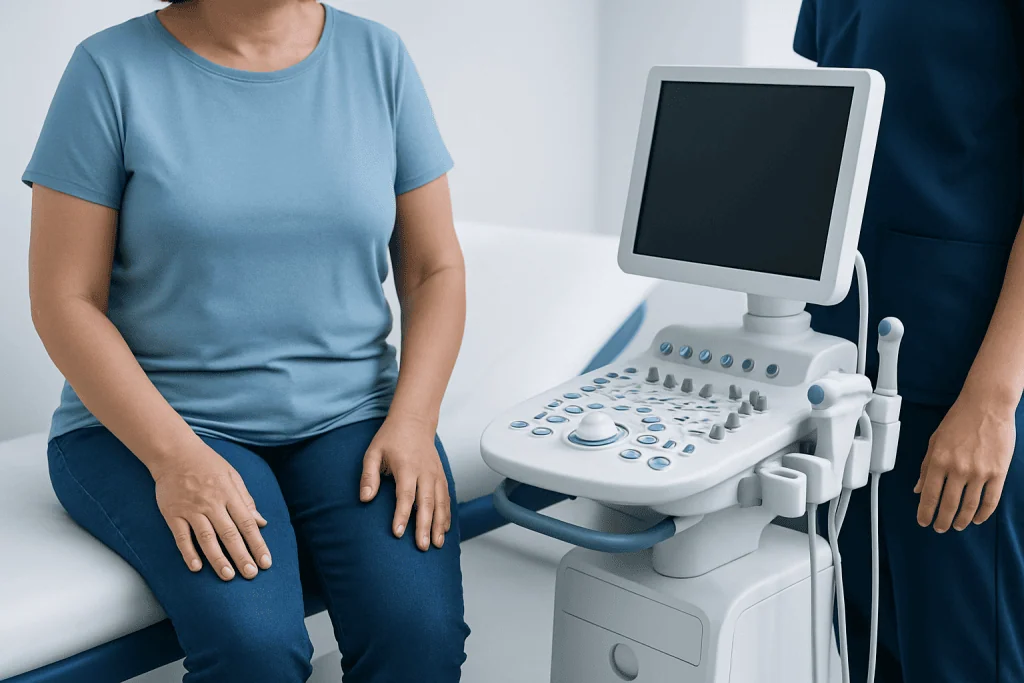
The main symptom is urine leakage that happens because a person cannot reach a toilet quickly enough or cannot use it independently. Some people know they need to urinate but are slowed by pain, weakness, poor balance, or a walking aid. Others may have trouble finding the bathroom, communicating the need for help, or undoing buttons and belts in time.
The pattern can vary. Leakage may happen at night when the bathroom is farther away or less well lit. It may occur more often outside the home, where unfamiliar toilets, stairs, or crowds create delays. In people with memory or attention problems, there may be accidents because they do not recognize bladder signals or become distracted before toileting.
Functional incontinence can also affect emotional well-being. Some people begin avoiding travel, exercise, or social activities because they fear accidents. Skin irritation, sleep disruption, and caregiver stress may follow if the issue is frequent and unaddressed.
- Difficulty reaching the toilet due to slow walking or balance problems
- Trouble removing clothing in time
- Not recognizing the urge to urinate because of cognitive changes
- Accidents in unfamiliar places or at night
- Leakage that improves when assistance or easier toilet access is available
Causes and risk factors

Functional incontinence usually develops when a health condition or practical barrier interferes with timely toileting. Mobility limitations are a leading cause. Arthritis, hip or knee problems, muscle weakness, recent fractures, Parkinsonian symptoms, and recovery after illness can all make walking to the bathroom too slow or unsafe. People with severe shortness of breath or heart failure may also struggle to get there in time.
Cognitive and neurological conditions are another major group of causes. Dementia, delirium, stroke, multiple sclerosis, and some brain injuries may affect planning, awareness, communication, or the ability to respond to bladder signals. Vision loss and poor hearing can contribute by making it harder to identify the bathroom or ask for help promptly.
Medications and environment also matter. Sedatives, sleep medicines, some psychiatric drugs, alcohol, and medicines that increase urine production can raise the risk. Environmental barriers include stairs, narrow doors, poor lighting, cluttered pathways, and clothing that is difficult to remove. In some cases, constipation or a urinary tract infection may worsen urgency and lead to accidents, even when the main problem remains functional.
Risk tends to be higher in frail older adults, people in hospital or long-term care, and those who depend on others for transfers or toileting. Still, age alone does not cause functional incontinence. The key issue is whether daily function and surroundings support safe, timely bathroom access.
How doctors diagnose functional incontinence
Diagnosis begins with a detailed history rather than a single test. A doctor usually asks when leakage happens, whether the person senses the urge to urinate, how quickly they can reach the toilet, what medicines they take, and whether memory, vision, or mobility has changed. A bladder diary may help show patterns such as nighttime accidents, leakage during transfers, or urgency after certain drinks or medications.
The examination often includes assessment of walking, balance, hand strength, mental status, and the abdomen and pelvic area. Doctors also look for signs of other forms of incontinence, constipation, enlarged prostate, pelvic organ prolapse, nerve problems, or infection. Urinalysis may be used to check for infection, blood, or other abnormalities. Depending on symptoms, further evaluation may be needed to rule out retention, neurological disease, or structural urinary tract problems.
The goal is not only to confirm functional incontinence but also to identify all factors that can be treated. Because mixed causes are common, some people benefit from assessment by specialists in urology, geriatrics, neurology, rehabilitation, or pelvic floor care. When appropriate, doctors may use tests done in urology evaluation to better understand bladder function and to guide care.
Treatment options and supportive care
Treatment is based on the causes found during assessment. The most effective plan often combines practical changes with medical treatment for related conditions. For example, pain control for arthritis, better management of Parkinsonian symptoms, treatment of constipation, or adjustment of sedating medicines can make timely toileting much easier. If urgency or mixed incontinence is also present, doctors may treat those bladder symptoms at the same time.
Behavioral strategies are a cornerstone of care. These may include scheduled toileting, prompted voiding, easier-to-remove clothing, and reducing delays between the first urge and bathroom access. Caregivers can play an important role by helping with reminders, safe transfers, and observation of patterns that trigger accidents. Good skin care and the appropriate use of absorbent products can help protect comfort and dignity while treatment is underway.
Rehabilitation may also be useful, especially when mobility is the main barrier. Strengthening, balance training, gait aids, and transfer practice can improve independence. Some people benefit from physical therapy and rehabilitation after illness, surgery, stroke, or deconditioning. If stroke or other neurological conditions are involved, treatment may include coordinated care with neurology specialists.
When there is concern about underlying bladder disease, recurrent infection, or complex urinary symptoms, doctors may recommend further assessment and treatment through urology care. Near the end of the care journey, some international patients choose centers such as Acibadem International, where multidisciplinary specialists in JCI-accredited hospitals evaluate and treat functional and other forms of incontinence.
Prevention and self-care at home
Prevention focuses on reducing the barriers that stand between a person and the toilet. Clear pathways, night lights, grab bars, raised toilet seats, bedside commodes, and footwear that improves stability can all help. Clothing changes matter too: elastic waistbands or simpler fasteners may reduce delay and accidents. If vision problems contribute, better lighting and easily visible bathroom signs may be useful.
Daily routines can support bladder health and safer toileting. Going to the toilet at regular intervals, staying physically active within safe limits, treating constipation, and drinking enough fluid during the day are often helpful. Some people try to reduce leakage by drinking too little, but concentrated urine may irritate the bladder and worsen urgency. Any planned fluid restriction should be discussed with a clinician, especially in people with kidney or heart disease.
Medication review is another practical step. A doctor or pharmacist can assess whether sleep aids, tranquilizers, or diuretics are contributing to accidents or nighttime urgency. For people with cognitive impairment, caregiver education can make a significant difference by establishing predictable routines and reducing stress around toileting.
When to seek medical care
Medical review is important when urinary leakage is new, worsening, frequent, or affecting daily life. Functional incontinence is often manageable, but proper treatment depends on understanding whether there are additional causes such as infection, urinary retention, pelvic floor problems, or neurological disease. Early assessment may also prevent falls, skin injury, sleep disruption, and social withdrawal.
Prompt medical attention is especially important if leakage appears suddenly or occurs with pain or burning during urination, fever, blood in the urine, severe lower abdominal pain, new weakness, confusion, or inability to pass urine. These symptoms can point to a condition that needs urgent care. People who have had a recent stroke, surgery, or major change in mobility should also be assessed if incontinence begins or worsens.
It can help to bring a list of medications, note when accidents happen, and mention any changes in walking, memory, or bowel habits. That information often gives important clues and helps the doctor create a safer, more effective care plan.
Frequently asked questions
Is functional incontinence the same as an overactive bladder?
No. Functional incontinence happens mainly because a person cannot reach or use the toilet in time, while overactive bladder usually involves urgency caused by bladder signaling or muscle activity. However, both conditions can exist together, which is why a medical assessment is helpful.
Can functional incontinence happen even if the bladder is normal?
Yes. A person may have a bladder that stores and empties reasonably well but still leak urine because of mobility problems, confusion, poor vision, or environmental obstacles. The defining issue is the barrier to toileting, not necessarily a primary bladder disorder.
Is functional incontinence a normal part of aging?
No. It becomes more common with age because health conditions and mobility limitations become more common, but it should not be dismissed as inevitable. Many contributing factors can be treated or improved.
What doctor should someone see for functional incontinence?
A primary care doctor is often a good first step, especially for initial evaluation and medication review. Depending on the cause, care may also involve urology, geriatrics, neurology, rehabilitation, or pelvic floor specialists.
Can home changes really make a difference?
Often, yes. Better lighting, easier clothing, grab bars, a bedside commode, and clear walking paths can reduce delays and lower the risk of accidents. These steps work best when combined with treatment of any medical problems contributing to incontinence.
When is incontinence considered urgent?
Urgent assessment is needed if incontinence starts suddenly or is accompanied by fever, pain, blood in the urine, confusion, severe weakness, or inability to urinate. These symptoms can suggest infection, retention, or a neurological problem that should be checked quickly.
References
- National Institute on Aging
- National Institute of Diabetes and Digestive and Kidney Diseases
- American Urological Association
- International Continence Society
- Mayo Clinic
This article is for general information only and is not a substitute for professional medical advice. Please consult a qualified doctor about your individual situation.
Explore treatments in Turkey — costs, top hospitals & a free quote
JCI-accredited · board-certified surgeons · reply within 24h
Add us as a Preferred Source to see more of our trusted health content across Google Search, AI Overviews and Discover.