Parotidectomy: Candidacy, Procedure Steps, and Recovery Timeline

Parotidectomy removes part or all of the parotid gland, usually because of a mass, tumor, or persistent gland disease. The facial nerve runs through the parotid gland, so protecting nerve function is a central part of the operation.
Key Takeaways
- Parotidectomy removes part or all of the parotid gland, usually because of a mass, tumor, or persistent gland disease.
- The facial nerve runs through the parotid gland, so protecting nerve function is a central part of the operation.
- Most patients need imaging and often a needle biopsy before surgery to guide treatment planning.
- Recovery often includes temporary swelling, numbness, and tiredness, with gradual improvement over days to weeks.
- Risks include bleeding, infection, saliva collection, facial weakness, and Frey syndrome, but careful surgical technique helps reduce these risks.
- A prompt medical review is important for a growing lump, facial weakness, pain, or repeated swelling near the jaw or ear.
Parotidectomy is an operation to remove part or all of the parotid salivary gland, most often to treat a lump, tumor, repeated infection, or blockage. The procedure is planned carefully to treat the underlying problem while protecting the facial nerve, and recovery usually happens over several weeks.
Overview: What parotidectomy is and why it is done
Parotidectomy is a surgical procedure that removes part or all of the parotid gland, the largest salivary gland located just in front of and below the ear. It is most commonly performed when there is a lump in the gland, especially when imaging or biopsy suggests a tumor. It may also be used for selected cases of chronic infection, obstruction, or inflammatory disease that do not improve with other treatments.
A key feature of this operation is the close relationship between the parotid gland and the facial nerve. This nerve controls movements such as smiling, closing the eye, and raising the eyebrow. Because the nerve branches pass through the gland, surgeons plan parotidectomy carefully to remove the diseased tissue while preserving nerve function whenever possible.
Parotidectomy is not a single operation for every patient. Depending on the problem, the surgeon may remove only the superficial part of the gland, a deeper portion, or the entire gland. In more complex cases, nearby lymph nodes or surrounding tissues may also need evaluation, particularly if cancer is suspected or confirmed. Patients considering parotidectomy surgery often benefit from care by an ENT or head and neck team familiar with salivary gland disease.
Who may need parotidectomy
The most common reason for parotidectomy is a parotid mass. Many parotid tumors are benign, but some are cancerous, and it is not always possible to determine this with certainty from symptoms alone. Surgery may be recommended to confirm the diagnosis, prevent continued growth, and treat the lesion before it affects nearby structures.
Other candidates include people with repeated swelling or infections of the gland that keep returning despite medication and supportive care, or those with obstruction caused by stones or narrowing of the salivary ducts. In some cases, surgery is considered when a benign tumor is causing cosmetic concerns, discomfort, or pressure symptoms.
Doctors also assess parotidectomy when there are warning signs that raise concern for malignancy, such as rapid growth, facial weakness, fixation of the lump, skin changes, or enlarged lymph nodes. If a tumor is confirmed or strongly suspected, patients may also need review for related head and neck conditions, including salivary gland cancer, so the surgical plan addresses both treatment and long-term follow-up.
How doctors evaluate candidacy before surgery
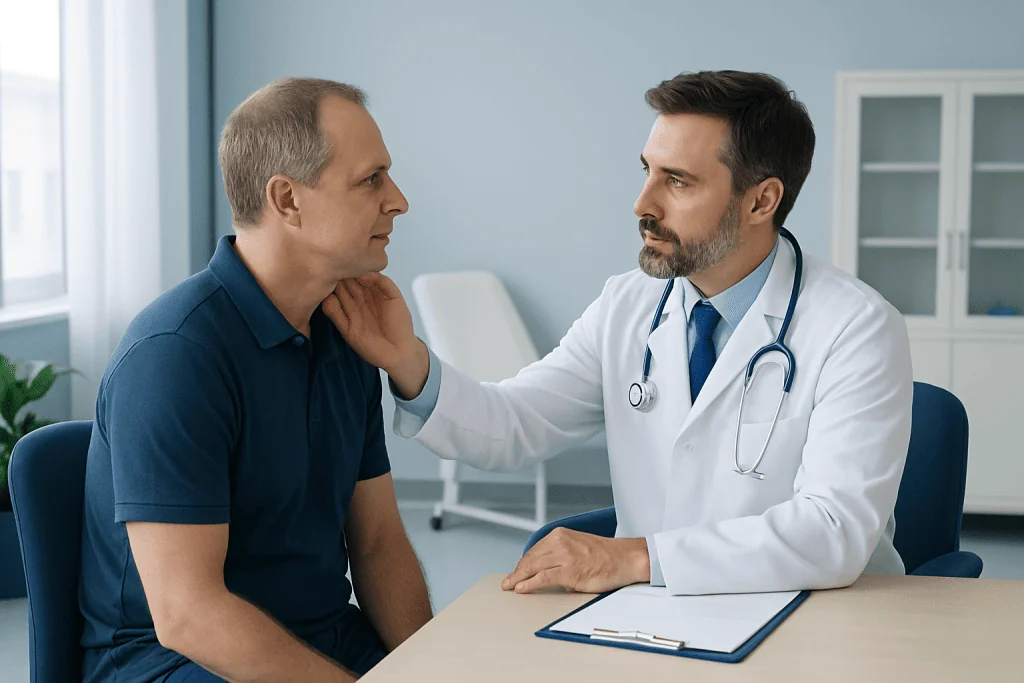
Before recommending parotidectomy, the medical team usually confirms where the lesion is located, how large it is, and whether the facial nerve or nearby tissues may be involved. The evaluation often begins with a physical examination of the face, jawline, mouth, and neck. Doctors check the size and movement of the mass, any tenderness, and whether facial movements are normal.
Imaging is commonly used to define the anatomy. Ultrasound may help with superficial lesions, while MRI or CT can show the extent of the mass and whether deeper parts of the gland are affected. A fine-needle aspiration biopsy is often performed to collect cells for analysis. Although this test may not answer every question, it helps guide the surgical approach and helps the team discuss likely outcomes with the patient.
General health also matters. Surgeons review medications, blood thinners, allergies, smoking history, and any heart, lung, or bleeding problems that could affect anesthesia or healing. If there is concern about a more extensive tumor, additional evaluation may involve a broader head and neck cancer work-up and discussion of whether related procedures, such as head and neck cancer treatment, could be needed after surgery.
Step by step: how parotidectomy is performed
Parotidectomy is usually performed under general anesthesia. The surgeon makes an incision that often begins near the front of the ear and curves behind it into the upper neck, placing it in natural skin lines when possible. The exact incision and extent of surgery depend on the location of the lesion and whether the goal is partial, superficial, total, or more extensive gland removal.
After opening the area, the surgeon carefully identifies and protects the facial nerve and its branches. This is one of the most important steps in the operation. In many centers, nerve monitoring is used during surgery to help track nerve function. The diseased portion of the gland is then separated from the nerve and surrounding tissues and removed. If the lesion is suspicious for cancer, tissue may be sent for rapid pathology review during the operation, and lymph nodes or adjacent tissues may be addressed if needed.
Once the gland tissue has been removed, the surgeon checks for bleeding, may place a small drain to prevent fluid collection, and then closes the incision. In selected reconstructive situations, additional techniques may be used to reduce contour changes or lower the chance of Frey syndrome, a condition in which sweating develops over the cheek during eating. Patients who need broader surgical planning may be evaluated alongside teams experienced in ENT surgery and postoperative rehabilitation.
- Partial parotidectomy: removes a limited portion of the gland
- Superficial parotidectomy: removes the outer part of the gland
- Total parotidectomy: removes most or all of the gland
- Extended surgery: may include nearby tissue or lymph node removal when cancer is involved
Benefits, risks, and possible complications
The main benefit of parotidectomy is that it treats the underlying gland problem and provides tissue for diagnosis. In many patients, it removes a benign tumor before it enlarges or recurs. When cancer is present, surgery is often the main treatment and can also help determine whether additional therapies are needed.
No surgery is risk-free, and parotidectomy has some specific considerations. Because the facial nerve passes through the gland, temporary weakness of part of the face can happen after surgery, even when the nerve is preserved. In some cases, weakness may last longer or become permanent, especially if the nerve is involved by the disease. Other possible complications include bleeding, infection, numbness around the ear or incision, saliva leakage, fluid collection under the skin, visible contour change, and scarring.
Another recognized issue is Frey syndrome, in which sweating or flushing appears over the cheek during eating as nerves heal in a different pattern. Most complications are manageable, and many improve with time or supportive treatment. The surgeon explains the expected benefits and risks based on the size, depth, and nature of the parotid lesion, so the decision is individualized rather than one-size-fits-all.
Recovery timeline and aftercare
Recovery after parotidectomy usually begins with a short hospital stay, although some patients may go home the same day or after one night depending on the extent of surgery and their overall health. The face and neck commonly feel sore, tight, or swollen for several days. If a drain is used, it is often removed within a day or two once the output decreases.
During the first week, most patients are advised to rest, keep the incision clean and dry as instructed, avoid strenuous activity, and attend follow-up visits. Mild numbness around the ear and jaw is common because small skin nerves can be affected during the operation. If temporary facial weakness occurs, it may improve over days, weeks, or sometimes longer, depending on how much the nerve was stretched or manipulated.
By two to four weeks, swelling and bruising usually settle noticeably, and many people return to usual daily routines, though complete healing continues beyond that point. Pathology results help determine the next steps. If cancer is found, additional treatment such as radiotherapy may be discussed. Near the end of the care pathway, some international patients choose centers such as Acibadem International, where multidisciplinary specialists in JCI-accredited hospitals evaluate and treat salivary gland conditions with coordinated follow-up.
- First few days: swelling, incision care, drain management if present
- First 1-2 weeks: reduced activity, follow-up review, stitch or wound checks
- 2-4 weeks: gradual return to normal routine for many patients
- Longer term: scar maturation, nerve recovery, and pathology-based surveillance
Self-care and when to seek medical care
Good self-care after parotidectomy supports healing and comfort. Patients are usually encouraged to take prescribed medicines as directed, avoid smoking, stay hydrated, and follow guidance on eating, activity, and wound care. Sleeping with the head slightly elevated may help reduce swelling in the early postoperative period. If eye closure is weak, special eye protection measures may be needed to prevent dryness and irritation.
It is important to seek medical care promptly if there is increasing redness, fever, worsening swelling, pus-like drainage, significant bleeding, sudden facial weakness, severe pain not controlled as advised, or trouble swallowing or breathing. Even before surgery, a lump in front of the ear or near the jaw should be assessed if it grows, becomes painful, keeps returning, or is linked with facial numbness or weakness.
Ongoing review is also important after treatment, especially if the final diagnosis shows a tumor with a risk of recurrence. Follow-up may include physical examination and, in selected cases, imaging. Early medical attention helps address complications and supports the best possible functional and cosmetic recovery.
Frequently asked questions
Is parotidectomy always done for cancer?
No. Many parotidectomies are performed for benign tumors, and some are done for chronic infection, blockage, or other gland problems. Surgery is often recommended because a lump in the parotid gland needs accurate diagnosis and may continue to grow if left untreated.
How long does it take to recover from parotidectomy?
Early recovery usually takes days to a few weeks, depending on the extent of surgery and the person's general health. Swelling and soreness often improve in the first two weeks, but numbness, scar healing, and any temporary facial weakness can take longer to settle.
Can parotidectomy affect the face?
Yes, because the facial nerve runs through the parotid gland. Temporary weakness can happen after surgery even when the nerve is preserved, and permanent weakness is less common but possible, especially if the nerve is involved by the disease.
Will a drain be needed after surgery?
Many patients have a small drain placed at the end of the operation to reduce fluid buildup. It is often removed within a day or two, depending on how much fluid collects and how extensive the surgery was.
What does a parotidectomy scar look like?
The scar usually follows natural skin lines around the ear and upper neck, which helps it blend in over time. It may look more noticeable at first, but it often softens and fades as healing progresses.
Can a parotid tumor come back after surgery?
Some tumors can recur, especially if they are biologically prone to return or if complete removal is difficult. The final pathology result and the type of operation help determine how much follow-up is needed.
References
- American Academy of Otolaryngology–Head and Neck Surgery
- National Cancer Institute
- National Institute on Deafness and Other Communication Disorders
- NHS
- Merck Manual
This article is for general information only and is not a substitute for professional medical advice. Please consult a qualified doctor about your individual situation.
Oncology care in Turkey — second opinion and treatment plan
JCI-accredited · board-certified surgeons · reply within 24h
Add us as a Preferred Source to see more of our trusted health content across Google Search, AI Overviews and Discover.