Colpocleisis: An Evidence-Based Guide for Patients

Colpocleisis treats advanced pelvic organ prolapse by narrowing or closing the vaginal canal. It is most often offered to patients who no longer want vaginal intercourse.
Key Takeaways
- Colpocleisis treats advanced pelvic organ prolapse by narrowing or closing the vaginal canal.
- It is most often offered to patients who no longer want vaginal intercourse.
- The procedure can improve pressure, bulging, and related bladder symptoms caused by prolapse.
- A careful preoperative evaluation is important because the surgery changes future vaginal access.
- Recovery is often shorter than with some reconstructive prolapse surgeries, but follow-up still matters.
Colpocleisis is a surgical option for advanced pelvic organ prolapse that works by closing most or all of the vaginal canal to support bulging pelvic organs. It is usually considered for people who no longer wish to have vaginal intercourse and want a durable, lower-burden operation compared with some reconstructive procedures.
What is colpocleisis?
Colpocleisis is a surgery used to treat advanced pelvic organ prolapse. In this condition, organs such as the bladder, uterus, vaginal vault, or rectum drop downward and create a bulge in the vagina. The procedure works by closing most or all of the vaginal canal so the prolapsed organs are supported and can no longer bulge outward in the same way.
This operation is considered an obliterative prolapse surgery. That means it treats prolapse by reducing the vaginal space rather than rebuilding support while preserving vaginal intercourse. For many patients, this is an effective and practical option when symptoms are significant and other treatments have not helped enough.
Colpocleisis is usually offered to people who no longer desire vaginal intercourse. This point is central because the surgery permanently changes the vaginal canal. A specialist will discuss goals, expectations, and alternatives so the decision is informed and aligned with the patient’s lifestyle and preferences.
Who may benefit from this procedure?
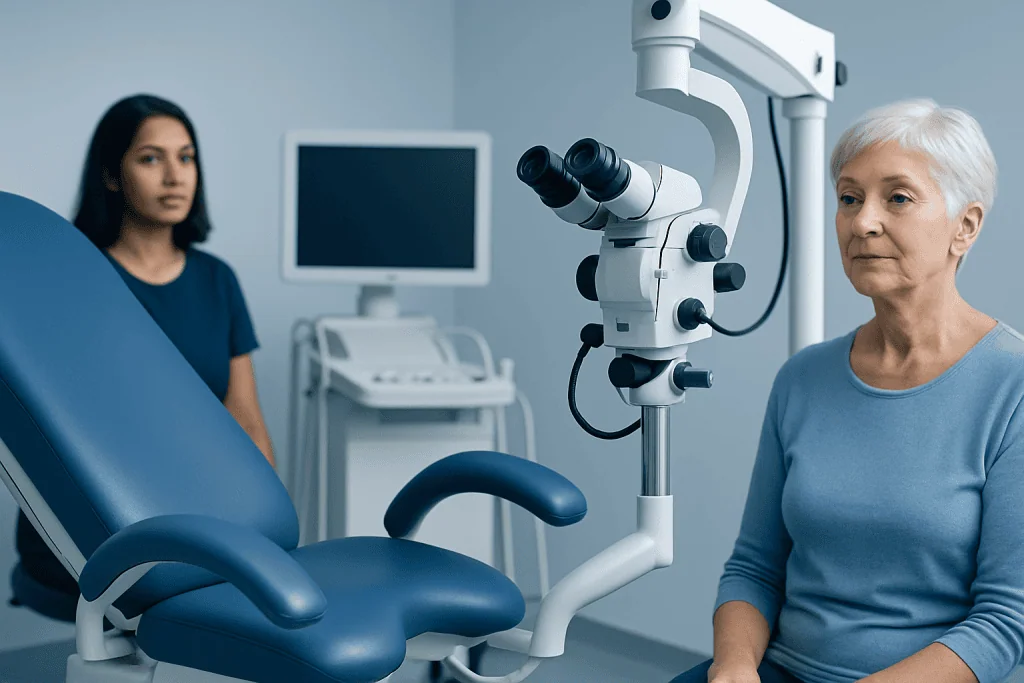
Colpocleisis may be appropriate for patients with bothersome, advanced prolapse who want a durable surgical solution and do not wish to maintain vaginal intercourse. Symptoms often include a feeling of pressure, a visible or felt vaginal bulge, pelvic heaviness, difficulty emptying the bladder, or discomfort with daily activities.
It is often considered for older adults or for those who want a shorter operation with less surgical dissection than some reconstructive prolapse procedures. However, age alone does not determine whether colpocleisis is suitable. Overall health, symptom burden, goals of care, and the type of prolapse all matter.
Some patients have already tried non-surgical treatment, such as pelvic floor therapy or a pessary, and are ready to consider surgery. Others may not tolerate a pessary or may want a more permanent option. A urogynecologist or gynecologic surgeon can explain how colpocleisis compares with other approaches for pelvic organ prolapse.
Symptoms and conditions it can help treat

Colpocleisis does not treat every pelvic symptom, but it can be very effective for symptoms directly related to prolapse. The most common reason patients seek care is a bulge coming from the vagina, often described as tissue protruding, pelvic fullness, or a sensation of something “falling down.” These symptoms may worsen after standing, lifting, or prolonged activity.
Prolapse can also affect nearby organs. If the bladder is involved, a person may have trouble emptying the bladder completely, urinary urgency, frequency, or leakage. If the rectum is involved, bowel movements may feel incomplete or require extra effort. Some symptoms improve after prolapse surgery, but others may need separate evaluation and treatment.
Because prolapse and bladder symptoms often occur together, the surgeon may assess for urinary incontinence before surgery. In selected cases, an additional procedure may be discussed if stress leakage is present or likely to appear after prolapse correction. This evaluation helps tailor treatment rather than assuming one operation will solve every symptom.
How doctors evaluate a patient before colpocleisis
Before recommending colpocleisis, the doctor will review the patient’s symptoms, medical history, goals, and sexual activity. A pelvic examination is needed to confirm the type and severity of prolapse. The clinician may also ask about bladder and bowel function, prior pelvic surgeries, vaginal bleeding, and any conditions that could affect healing or anesthesia planning.
Preoperative assessment is especially important because the procedure limits future access to the cervix and uterus through the vagina. If the uterus is still present, the care team may consider whether any additional evaluation is needed before surgery, such as checking unexplained bleeding or reviewing cervical cancer screening history. In some situations, another procedure may be done at the same time, depending on individual findings.
Tests are tailored to the patient rather than ordered routinely for everyone. These may include a urine test, post-void residual measurement to see how well the bladder empties, or urodynamic assessment in selected cases. Imaging is not always necessary, but it may be used when the diagnosis is uncertain or when other pelvic conditions need evaluation.
How the procedure is performed and what recovery is like
Colpocleisis is usually performed through the vagina, without abdominal incisions. Depending on the anatomy and whether the uterus is present, the surgeon may perform a partial or total colpocleisis. Excess vaginal tissue is removed or folded, and the front and back walls of the vagina are brought together to reduce or close the canal, supporting the prolapsed organs.
In some patients, the operation is combined with other procedures, such as treatment for urinary incontinence or removal of the uterus if medically appropriate. The best plan depends on symptoms, examination findings, and overall health. If broader pelvic floor repair is needed, the specialist may discuss options in the context of urogynecologic care and related pelvic floor treatment.
Recovery varies, but many patients go home the same day or after a short hospital stay. Mild bleeding, discharge, fatigue, and pelvic soreness can occur for a limited time. Patients are usually advised to avoid heavy lifting and follow activity restrictions for several weeks while tissues heal. Follow-up visits help confirm that healing is progressing well and that bladder and bowel function are stable.
Benefits, limitations, and possible risks
A major benefit of colpocleisis is that it can provide strong symptom relief for advanced prolapse with a relatively straightforward vaginal approach. For selected patients, it may involve shorter operating time, less blood loss, and a faster recovery than some reconstructive surgeries. Many patients value the durable support and reduced sense of pelvic pressure or bulging.
The main limitation is permanent loss of the ability to have vaginal intercourse. This makes shared decision-making essential. Patients should understand that the surgery is designed for comfort and function in daily life, not for preserving the vaginal canal for penetrative sex.
As with any surgery, there are risks. These can include bleeding, infection, bladder or bowel injury, urinary retention, new or persistent urinary symptoms, blood clots, anesthesia-related complications, and prolapse recurrence. The overall risk profile depends on the person’s health and the exact procedure performed. A specialist may also discuss alternatives, including pessary use, pelvic floor rehabilitation, or reconstructive surgery, and in some cases gynecologic surgery options tailored to the patient’s needs.
Self-care, alternatives, and when to seek medical care
Self-care cannot reverse advanced prolapse, but it may ease symptoms or support recovery. Helpful measures can include avoiding heavy straining, treating constipation, maintaining a healthy weight, and following pelvic floor advice from a qualified clinician. A pessary may be a good non-surgical option for some patients, especially if surgery is not desired or needs to be delayed.
After surgery, patients should follow wound-care and activity instructions closely, take medicines as directed, stay well hydrated, and attend follow-up appointments. They should ask their surgeon when normal activities can be resumed. It is also sensible to report persistent urinary leakage, difficulty emptying the bladder, fever, heavy bleeding, worsening pain, or foul-smelling discharge.
Medical care should be sought promptly for a new vaginal bulge, severe pelvic pain, inability to pass urine, signs of infection, chest pain, shortness of breath, or calf swelling. For international patients who need assessment or treatment planning, Acibadem International’s multidisciplinary specialists in JCI-accredited hospitals diagnose and treat pelvic floor disorders, including care related to obstetrics and gynecology.
Frequently asked questions
Is colpocleisis a good surgery for prolapse?
Colpocleisis can be a very effective surgery for advanced pelvic organ prolapse in carefully selected patients. It is usually best for people who no longer want vaginal intercourse and prefer a durable vaginal procedure with a relatively focused recovery.
Can someone have sex after colpocleisis?
Vaginal intercourse is generally not possible after colpocleisis because the vaginal canal is closed or largely closed. This is why doctors discuss sexual goals in detail before surgery so the patient can make an informed choice.
How long does recovery from colpocleisis take?
Early recovery often takes several weeks, although the exact timeline depends on the person’s health and whether other procedures were done at the same time. Most patients are asked to avoid heavy lifting and strenuous activity during healing and to attend follow-up visits.
What are the disadvantages of colpocleisis?
The main disadvantage is permanent loss of the ability to have vaginal intercourse. Other limitations include the need for careful preoperative evaluation and the usual surgical risks, such as bleeding, infection, bladder issues, or recurrence of prolapse symptoms.
Is colpocleisis better than a pessary?
Neither option is universally better; they serve different needs. A pessary is non-surgical and reversible, while colpocleisis is a permanent surgical treatment that may offer stronger long-term symptom relief for selected patients.
Will colpocleisis cure urinary problems?
It may improve some bladder symptoms caused by prolapse, especially when the bladder empties poorly because of the prolapse. However, urinary urgency, overactive bladder symptoms, or stress incontinence may persist or need separate treatment.
References
- American College of Obstetricians and Gynecologists
- American Urogynecologic Society
- National Institute on Aging
- National Institutes of Health
- Royal College of Obstetricians and Gynaecologists
This article is for general information only and is not a substitute for professional medical advice. Please consult a qualified doctor about your individual situation.
Explore treatments in Turkey — costs, top hospitals & a free quote
JCI-accredited · board-certified surgeons · reply within 24h
Add us as a Preferred Source to see more of our trusted health content across Google Search, AI Overviews and Discover.

More from the Health Library



Related Specialists

Dr. Bilge Özge Kılıç
Intensive Care
Dt. Anil Ayvat
Oral & Dental Health
Dr. Suat Sevgen
Emergency Service
Dr. Munara Bolatkhan
Inpatient Clinic Physicians Clinical Service