Amigdalitis: Diagnosis, Outlook, and Modern Treatment Approaches

Amigdalitis can be caused by viruses or bacteria, and the treatment depends on the cause. Typical symptoms include sore throat, red or swollen tonsils, fever, and pain when swallowing.
Key Takeaways
- Amigdalitis can be caused by viruses or bacteria, and the treatment depends on the cause.
- Typical symptoms include sore throat, red or swollen tonsils, fever, and pain when swallowing.
- A doctor may use an exam, throat swab, or rapid strep test to guide diagnosis.
- Most people recover well, especially with rest, fluids, and timely treatment when needed.
- Urgent care is important if there is trouble breathing, drooling, severe dehydration, or worsening one-sided throat pain.
Amigdalitis is inflammation of the tonsils that most often causes sore throat, painful swallowing, fever, and swollen glands. In many cases it improves with supportive care, but medical evaluation may be needed to confirm the cause, rule out complications, and decide whether antibiotics or surgery are appropriate.
Overview: what amigdalitis is and what to expect
Amigdalitis is the medical term for inflammation of the tonsils, the two pads of tissue at the back of the throat. It commonly leads to sore throat, pain when swallowing, fever, and swollen lymph nodes in the neck. In children and adults alike, amigdalitis is often caused by a viral infection, though some cases are due to bacteria such as group A streptococcus.
For many people, amigdalitis is uncomfortable but short-lived. Viral cases usually improve with rest, fluids, and symptom relief, while bacterial cases may need antibiotics after proper testing. The outlook is generally very good, but some patients develop frequent recurrences or complications that require closer follow-up.
The tonsils help the immune system recognize germs entering through the mouth and nose, which is one reason they can become inflamed. When symptoms are severe, persistent, or repeatedly return, a clinician may consider whether there is a related ENT problem or whether a surgical option such as tonsillectomy could help.
Symptoms and how amigdalitis may feel
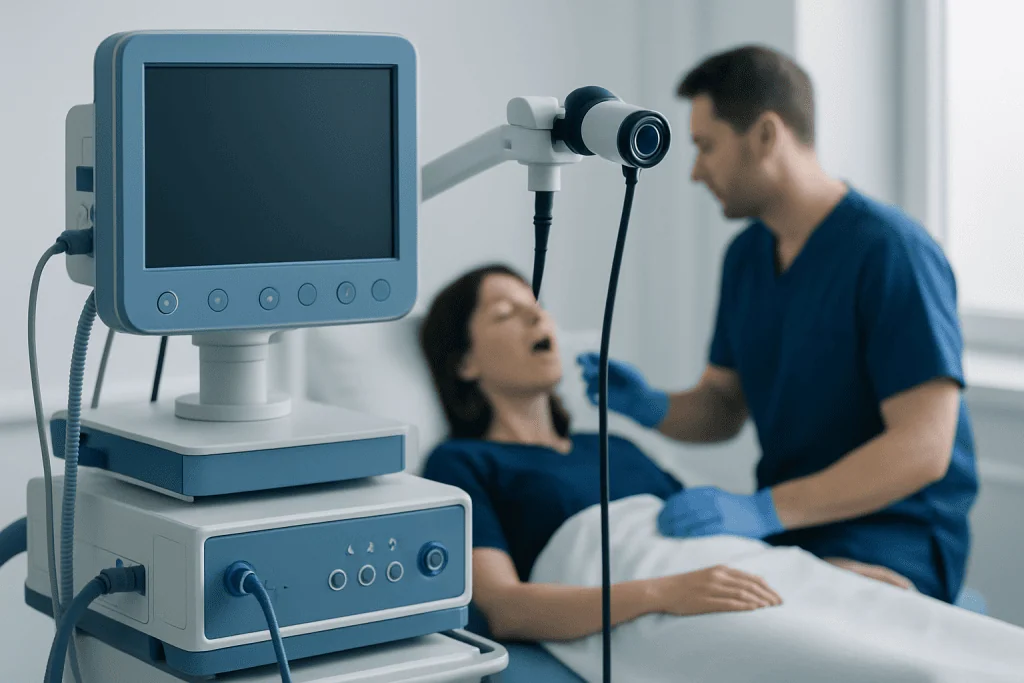
The most common symptom of amigdalitis is a sore throat that becomes worse with swallowing. The tonsils may look red, swollen, or coated with white patches or exudate. Fever, tiredness, bad breath, headache, and tender lymph nodes in the neck are also common.
In children, amigdalitis may also show up as poor appetite, fussiness, nausea, stomach pain, or unusual drooling because swallowing hurts. Some people notice a muffled or “hot potato” voice, ear pain, or discomfort that seems to spread from the throat even though the ears themselves are normal.
Symptoms can vary depending on the cause. Viral infections are more likely to occur with cough, runny nose, hoarseness, or conjunctivitis, while bacterial throat infections may cause more sudden throat pain, fever, and swollen neck glands. Because the symptoms can overlap with pharyngitis or other throat conditions, an examination is often needed for an accurate diagnosis.
- Sore throat and painful swallowing
- Red, enlarged, or patchy tonsils
- Fever and swollen neck glands
- Headache, fatigue, or bad breath
- In children: drooling, poor feeding, or irritability
Causes, spread, and risk factors

Amigdalitis is not a single disease but a response to infection or, less commonly, irritation. Viruses are the leading cause and include cold viruses, influenza, adenovirus, and others. Bacterial causes are less common but important because they may change treatment decisions, especially if group A strep is involved.
These infections spread through respiratory droplets, close personal contact, and shared items such as cups or utensils. For that reason, amigdalitis is more common in school-age children, households with close exposure, and places where respiratory infections circulate easily. Good hand hygiene and avoiding close contact when ill can reduce spread.
Several factors can increase the chance of developing amigdalitis or recurrent episodes. These include young age, frequent contact with others in group settings, exposure to tobacco smoke or air irritants, and a history of repeated throat infections. Recurrent or chronic symptoms can sometimes overlap with problems such as enlarged tonsils, snoring, or sleep apnea, which may influence longer-term management.
How doctors diagnose amigdalitis
Diagnosis usually begins with a medical history and throat examination. A clinician will ask about the timing of symptoms, fever, cough, sick contacts, swallowing difficulty, and any previous episodes. During the exam, they look for tonsil swelling, redness, exudate, neck tenderness, and signs that suggest an alternative diagnosis or a complication.
Because symptoms alone cannot always tell viral and bacterial causes apart, testing may be recommended. A rapid strep test can quickly identify many cases of group A streptococcal infection, and a throat culture may be used when the rapid test is negative but suspicion remains high, especially in children. In selected situations, blood tests or imaging may be needed if another infection or a deep neck space problem is suspected.
Doctors also assess for warning signs such as severe one-sided throat pain, difficulty opening the mouth, drooling, breathing problems, or a shifted uvula. These can suggest a complication such as a peritonsillar abscess, which may need urgent ENT care. If symptoms are long-lasting or repeatedly recurring, a specialist may consider whether further evaluation in ear, nose, and throat care is appropriate.
Modern treatment approaches
Treatment for amigdalitis depends on the likely cause, symptom severity, the patient’s age, and whether there have been repeated episodes. Supportive care is the foundation for most cases. This usually includes rest, drinking enough fluids, soft foods, throat soothing measures, and over-the-counter pain or fever medicines used as directed by a healthcare professional.
Antibiotics are not helpful for viral amigdalitis, but they may be prescribed when bacterial infection is confirmed or strongly suspected. When antibiotics are recommended, taking the full course exactly as prescribed is important even if symptoms improve sooner. This helps clear infection properly and lowers the chance of some complications.
For patients with recurrent severe episodes, complications, or breathing and sleep problems related to enlarged tonsils, surgery may be discussed. The most common procedure is tonsil removal surgery, sometimes combined with adenoid treatment depending on the case. A personalized decision balances frequency of infections, quality of life, school or work disruption, and examination findings.
In more complex cases, care may involve pediatricians, family physicians, infectious disease specialists, and ENT surgeons working together. Near the end of the care pathway, some international patients choose centers such as Acibadem International, where multidisciplinary specialists in JCI-accredited hospitals evaluate and treat throat and tonsil conditions when advanced assessment or surgery is needed.
Recovery, outlook, and possible complications
The outlook for amigdalitis is usually excellent. Viral cases often improve within several days, while bacterial cases often begin to feel better after treatment has started and the body has had time to recover. Fatigue and throat irritation can linger briefly, but most people return to normal activities as symptoms resolve.
Some people, however, experience recurrent amigdalitis. Repeated episodes can affect sleep, eating, hydration, school attendance, and overall quality of life. When this pattern develops, a doctor may review the number and severity of episodes over time and discuss whether ongoing observation or surgery is the better long-term approach.
Complications are uncommon but important to recognize. They may include dehydration due to painful swallowing, spread of infection to nearby tissues, peritonsillar abscess, and temporary breathing difficulty from marked swelling. Prompt diagnosis and treatment lower the risk of these problems and help support a smooth recovery.
Prevention and self-care at home
Simple self-care can make recovery more comfortable and may help reduce spread to others. Resting, drinking enough fluids, using soothing warm or cool drinks, and choosing soft foods can ease throat pain. People should avoid smoking and secondhand smoke, which can further irritate inflamed tissues.
Handwashing remains one of the most effective prevention steps, especially during cold and flu season. It also helps to avoid sharing utensils, cups, towels, and toothbrushes while symptoms are present. Covering coughs and sneezes, cleaning commonly touched surfaces, and staying home when feverish or clearly unwell can protect family members and classmates or coworkers.
It is also sensible to complete any prescribed antibiotics and to replace a toothbrush if advised by a clinician after confirmed bacterial infection. For those with frequent episodes, tracking symptoms and test results can help doctors decide whether recurring amigdalitis is truly happening and whether referral to an ENT specialist would be useful.
When to seek medical care
Medical care is recommended if sore throat is severe, lasts more than a few days, keeps coming back, or is associated with high fever, swollen glands, or difficulty swallowing. A clinician should also evaluate symptoms when there is a known exposure to strep throat or when a child is not eating or drinking enough.
Urgent assessment is important if there is trouble breathing, drooling, dehydration, inability to swallow liquids, severe one-sided throat pain, a muffled voice, or swelling that seems to be getting worse. These symptoms do not always mean a serious complication, but they should be checked promptly.
Parents and caregivers should trust their judgment if a child seems unusually sleepy, confused, or hard to console, or if symptoms are rapidly changing. Early evaluation can clarify whether the cause is viral, bacterial, or related to another throat problem and can guide safe treatment.
Frequently asked questions
Is amigdalitis the same as strep throat?
No. Amigdalitis means inflammation of the tonsils, and it can be caused by viruses or bacteria. Strep throat is one specific bacterial infection that can cause amigdalitis or throat inflammation.
How long does amigdalitis usually last?
Many viral cases improve within a few days to about a week. If the cause is bacterial and antibiotics are prescribed, symptoms often begin improving sooner, although full recovery may still take several days.
Can amigdalitis go away without antibiotics?
Yes, if the cause is viral, antibiotics will not help and the illness usually settles with supportive care. Antibiotics are mainly used when a bacterial infection is confirmed or strongly suspected by a doctor.
When is tonsil surgery considered?
Tonsil surgery may be considered when amigdalitis happens repeatedly, causes significant disruption, or leads to complications or breathing problems. The decision is individualized and usually made after an ENT evaluation.
Is amigdalitis contagious?
The infection causing amigdalitis can be contagious, especially when it is due to common respiratory viruses or strep bacteria. Good hand hygiene, not sharing utensils, and limiting close contact while ill can help reduce spread.
Can adults get amigdalitis too?
Yes. Although it is especially common in children and teenagers, adults can also develop amigdalitis. The symptoms, testing, and treatment principles are similar, though the exact cause and recovery pattern may vary.
References
- Centers for Disease Control and Prevention
- American Academy of Otolaryngology–Head and Neck Surgery
- National Health Service
- Mayo Clinic
- American Academy of Pediatrics
This article is for general information only and is not a substitute for professional medical advice. Please consult a qualified doctor about your individual situation.
Explore treatments in Turkey — costs, top hospitals & a free quote
JCI-accredited · board-certified surgeons · reply within 24h
Add us as a Preferred Source to see more of our trusted health content across Google Search, AI Overviews and Discover.