Baking Soda for UTI: An Evidence-Based Guide for Patients

Baking soda does not cure a urinary tract infection. UTIs are usually caused by bacteria and often need medical evaluation and prescription treatment.
Key Takeaways
- Baking soda does not cure a urinary tract infection.
- UTIs are usually caused by bacteria and often need medical evaluation and prescription treatment.
- Using baking soda may be risky for people with kidney disease, heart conditions, high blood pressure, or sodium-restricted diets.
- Warning signs such as fever, flank pain, vomiting, pregnancy, or symptoms in men require prompt medical assessment.
- Hydration, timely testing, and the right treatment are safer and more effective than relying on home remedies alone.
Baking soda for UTI is not a proven treatment for the infection itself. While it may be discussed as a way to temporarily ease burning in some people, it does not kill bacteria, does not replace medical care, and may pose risks for certain patients.
Overview: Does Baking Soda Help a UTI?
Baking soda for UTI is sometimes mentioned as a home remedy because it can make urine less acidic for a short time. In theory, this may reduce the stinging or burning some people feel when they urinate. However, it does not treat the underlying infection, and it should not be considered a cure.
Most urinary tract infections are caused by bacteria, commonly in the bladder. When bacteria are present, the main issue is not the acidity of the urine but the infection itself. A person may feel temporary symptom relief from a home measure, yet the bacteria can continue to grow and the infection can spread if proper treatment is delayed.
There is also an important safety point: baking soda contains sodium bicarbonate, which can affect the body’s salt and acid-base balance. That means it may not be appropriate for everyone, especially people with kidney disease, heart failure, high blood pressure, liver disease, or those advised to limit sodium.
For patients trying to decide what to do, the evidence-based answer is simple: baking soda is not a standard treatment for a UTI. Persistent urinary symptoms should be assessed by a qualified clinician, especially if they are new, severe, or accompanied by fever or back pain.
How a UTI Causes Symptoms
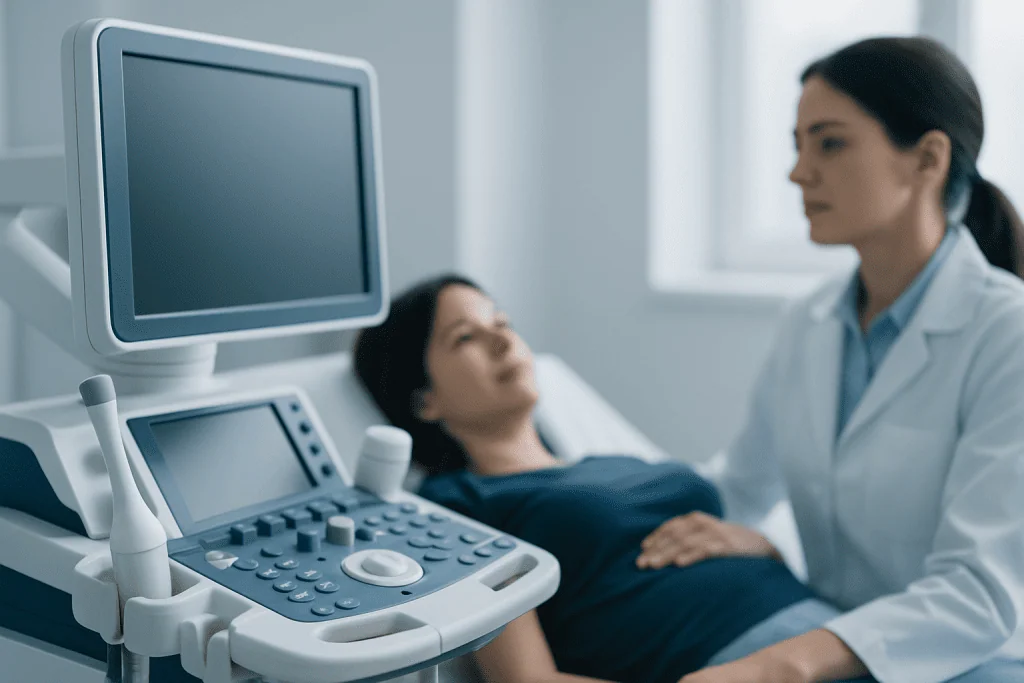
A urinary tract infection can affect different parts of the urinary system, including the bladder, urethra, and sometimes the kidneys. A bladder infection, also called cystitis, often causes burning with urination, a frequent urge to urinate, passing small amounts of urine, pressure in the lower abdomen, and urine that looks cloudy or smells strong.
Symptoms happen because the lining of the urinary tract becomes irritated and inflamed. This inflammation can make urination painful and create a constant feeling of urgency. In some cases, there may also be pelvic discomfort or a small amount of blood in the urine.
If infection moves upward toward the kidneys, symptoms can become more serious. Fever, chills, nausea, vomiting, and pain in the side or back may suggest a kidney infection. This is one reason it is important not to rely on symptom masking alone.
Patients who want to learn more about the condition itself may find it helpful to read about urinary tract infection. Understanding where symptoms come from can make it easier to see why home remedies have limits.
Why People Consider Baking Soda for UTI

The idea behind baking soda is related to urine acidity. Sodium bicarbonate is an alkaline substance, so it may temporarily change the pH of urine. Some people believe this can make urination feel less painful, especially if the burning seems worse when the urine is more acidic.
Although this explanation sounds reasonable, evidence for meaningful benefit in UTIs is limited. Even if discomfort improves briefly, the treatment does not remove bacteria from the urinary tract. That means the infection can continue despite a temporary change in how symptoms feel.
Another concern is that people may confuse symptom relief with recovery. Feeling slightly better for a few hours does not mean the infection has resolved. Delaying proper treatment can increase the chance of complications, including a more severe infection or a kidney infection.
Patients should also remember that burning with urination is not always caused by a UTI. It may be related to dehydration, vaginal irritation, kidney stones, sexually transmitted infections, or bladder conditions. The right treatment depends on the cause, which is why a proper diagnosis matters.
Safety Concerns and Who Should Avoid It
Baking soda is not harmless simply because it is common in the kitchen. Taken by mouth, it can raise sodium intake and affect the body’s fluid and electrolyte balance. In some people, this may contribute to bloating, nausea, elevated blood pressure, or worsening of underlying medical conditions.
It may be particularly risky for people with kidney disease, heart failure, high blood pressure, liver disease, swelling related to fluid retention, or those on a salt-restricted diet. It may also interact indirectly with some medications or medical conditions that affect acid-base balance. Children, older adults, and pregnant patients should be especially cautious about self-treating urinary symptoms without professional advice.
Another reason for caution is that urinary symptoms can overlap with more serious problems. Blood in the urine, severe pain, fever, or repeated infections deserve a medical workup rather than home experimentation. In some situations, a clinician may recommend urine testing, imaging, or referral to a specialist.
When recurrent symptoms, structural concerns, or complications are suspected, evaluation by a urology team may be needed. Depending on the findings, doctors may use tests such as cystoscopy or urinary system ultrasound to look for contributing problems.
What Evidence-Based Care Usually Involves
The standard approach to a suspected UTI begins with symptoms, medical history, and often a urine test. A clinician may use a urine dipstick, urinalysis, or urine culture to look for infection and identify the bacteria. This is especially useful when symptoms are severe, recurrent, unusual, or not improving.
If a bacterial UTI is confirmed or strongly suspected, prescription antibiotics are often the main treatment. The exact medicine depends on factors such as the patient’s age, pregnancy status, allergy history, local resistance patterns, and whether the infection appears uncomplicated or more serious. It is important for patients to take medicines exactly as prescribed and not stop early just because they feel better.
Supportive care also matters. Drinking enough fluids may help prevent dehydration and can make people feel more comfortable, although it does not replace treatment. Some patients also benefit from rest and avoiding bladder irritants such as excess caffeine, alcohol, or strongly acidic beverages while symptoms are active.
If urinary symptoms are linked to another condition, treatment may differ. For example, some people with repeated infections or other urinary problems may need further evaluation by specialists in urology. In more complex cases, imaging such as MRI may be used when doctors need more detail about the urinary tract or surrounding structures.
What Patients Can Do at Home Instead
Home care can support recovery, but it works best alongside appropriate medical guidance. Good hydration is a practical first step for many people unless a doctor has advised fluid restriction. Passing urine regularly rather than holding it for long periods may also reduce discomfort.
Simple comfort measures can help as well. Wearing loose, breathable clothing, resting, and using a warm compress over the lower abdomen may ease bladder pressure. Avoiding perfumed genital products or harsh soaps can reduce additional irritation, especially if symptoms are partly related to skin or vaginal sensitivity.
Patients should be careful with internet advice that promises quick cures. No home remedy, including baking soda, can be relied on to clear a bacterial infection. Natural or over-the-counter products may still have side effects, may not suit certain medical conditions, and can delay proper care if used as a substitute for diagnosis.
Prevention habits are also useful for people who get repeated UTIs. These may include staying hydrated, urinating after sex, wiping front to back, and discussing recurrent infections with a clinician. Some patients need an individualized prevention plan based on their health history.
When to Seek Medical Care
Medical care should be sought promptly if urinary symptoms are accompanied by fever, chills, nausea, vomiting, new confusion, or pain in the side or back. These can be signs that the infection has reached the kidneys or is becoming more serious. Symptoms that are severe, worsening, or not improving also deserve professional assessment.
Pregnant patients, men with urinary symptoms, young children, older adults, and people with diabetes, kidney disease, immune suppression, or urinary tract abnormalities should not rely on home remedies alone. In these groups, UTIs may behave differently or carry a higher risk of complications. Blood in the urine should also be evaluated, especially if it is visible or recurrent.
Repeated UTIs, infections that return soon after treatment, or symptoms with a negative urine test may point to another issue that needs targeted investigation. In such cases, doctors may consider bladder conditions, stones, obstruction, or gynecologic causes. A careful diagnosis helps avoid both undertreatment and unnecessary medication.
Near the end of the care pathway, some patients may benefit from multidisciplinary support. Acibadem International’s specialists in JCI-accredited hospitals diagnose and treat urinary conditions for international patients when further evaluation or specialist care is needed.
Frequently asked questions
Can baking soda cure a UTI?
No. Baking soda does not kill the bacteria that usually cause a urinary tract infection. It may briefly change urine acidity, but it does not replace proper diagnosis or prescription treatment when needed.
Why do some people say baking soda helps with UTI symptoms?
Some people report that it reduces burning for a short time because it can make urine less acidic. Even if that happens, it only addresses discomfort and not the infection itself. Symptom relief should not be mistaken for recovery.
Is baking soda safe for everyone with urinary symptoms?
No. It may be unsafe for people with kidney disease, heart failure, high blood pressure, liver disease, or those on a low-sodium diet. Pregnant patients, children, and older adults should avoid self-treating urinary symptoms without medical advice.
What is a safer first step if a person thinks they have a UTI?
A safer first step is to contact a clinician, especially if symptoms are new or significant. Drinking fluids may help with comfort in some cases, but urine testing and medical evaluation are often needed to confirm the cause and guide treatment.
When is a UTI considered urgent?
A UTI needs urgent assessment if there is fever, chills, vomiting, flank or back pain, worsening weakness, or confusion. These symptoms can suggest a kidney infection or a more serious illness. Pregnancy and symptoms in men also warrant prompt medical care.
Can urinary burning happen without a UTI?
Yes. Burning with urination can also happen with dehydration, vaginal irritation, kidney stones, sexually transmitted infections, or bladder disorders. Because the causes differ, the best treatment depends on the correct diagnosis.
References
- National Institute of Diabetes and Digestive and Kidney Diseases
- Centers for Disease Control and Prevention
- Mayo Clinic
- National Health Service
- American Urological Association
This article is for general information only and is not a substitute for professional medical advice. Please consult a qualified doctor about your individual situation.
Explore treatments in Turkey — costs, top hospitals & a free quote
JCI-accredited · board-certified surgeons · reply within 24h
Add us as a Preferred Source to see more of our trusted health content across Google Search, AI Overviews and Discover.
Check your numbers in seconds
BMI, calories, due date, blood pressure and 30+ more clinical calculators — free, instant, doctor-reviewed ranges.

More from the Health Library



Related Specialists

Dr. Doğan Öncü
Pediatrics
Prof. Dr. A. Çağrı Büke
Infectious Diseases & Clinical Microbiology
Fzt. İrfancan Velioğlu
Physical Medicine & Rehabilitation
Fzt. Çağlar Dal
Physical Medicine & Rehabilitation