Best Exercises for Immune System: An Evidence-Based Guide for Patients
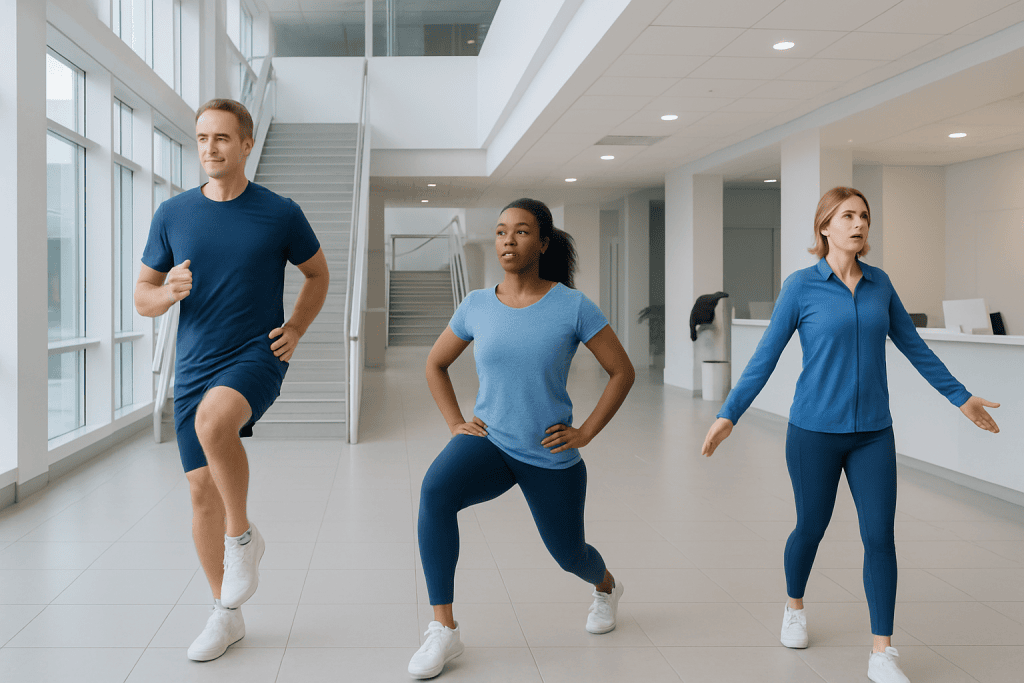
Moderate exercise performed most days of the week is the most evidence-based approach for supporting immune health. Walking, cycling, swimming, strength training, and yoga are practical choices for many adults.
Key Takeaways
- Moderate exercise performed most days of the week is the most evidence-based approach for supporting immune health.
- Walking, cycling, swimming, strength training, and yoga are practical choices for many adults.
- Very intense or prolonged exercise without enough recovery may temporarily increase physical stress.
- Sleep, nutrition, stress management, and hydration work together with exercise to support immunity.
- People with chronic illness, fever, chest symptoms, or unusual fatigue should seek medical advice before returning to exercise.
The best exercises for immune system support are regular, moderate activities such as brisk walking, cycling, swimming, strength training, and gentle mind-body exercise. For most people, consistency matters more than intensity, because moderate movement helps the body function well without the temporary strain that can follow excessive training.
Overview: What are the best exercises for immune system support?
The best exercises for immune system support are steady, moderate forms of physical activity that a person can do regularly and recover from well. In practical terms, this usually means brisk walking, easy to moderate cycling, swimming, light jogging for those who tolerate it, resistance training, and mind-body exercise such as yoga or tai chi. These activities help support circulation, sleep, metabolic health, stress control, and overall resilience, all of which contribute to healthy immune function.
Research does not show that one single “immune-boosting” workout is superior for everyone. Instead, the most reliable pattern is consistent movement over time. Moderate activity appears to help immune cells circulate efficiently and may help lower chronic inflammation linked to inactivity, while very intense or prolonged training without enough rest can create temporary physical stress.
This is why the best plan is usually simple and sustainable. A routine that includes aerobic exercise, muscle-strengthening activity, flexibility, and recovery is more helpful than occasional exhausting sessions. For many patients, the goal is not athletic performance but building habits that support health across weeks, months, and years.
How exercise supports the immune system

Exercise supports immune health indirectly and directly. During and after moderate activity, blood flow increases, which helps immune cells and other protective substances move through the body. Regular movement is also associated with better cardiovascular fitness, improved insulin sensitivity, and healthier body composition, all of which can influence how well the body responds to infections and inflammation.
Physical activity can also improve sleep quality and reduce psychological stress. These effects matter because poor sleep and ongoing stress can disrupt normal immune regulation. A person who exercises regularly often benefits from a broader “health package”: more stable energy, better mood, and healthier daily routines that reinforce immune function.
It is also important to keep expectations realistic. Exercise does not prevent every infection and should not be seen as a substitute for vaccination, hand hygiene, medical care, or treatment of underlying disease. It works best as one part of a wider prevention plan that includes good nutrition, enough sleep, and appropriate care for chronic medical conditions.
People recovering from infections or managing respiratory concerns may need individualized advice, especially if symptoms are ongoing. In some cases, evaluation for problems such as pneumonia or other illnesses may be necessary before resuming normal activity.
The most helpful types of exercise

For most adults, moderate aerobic exercise is the foundation of an immune-supportive routine. Brisk walking is often the most practical option because it is accessible, low cost, and easy to adjust based on fitness level. Cycling, swimming, dancing, and low-impact cardio classes can offer similar benefits. A person should generally be able to talk, though not sing comfortably, during moderate effort.
Strength training is also valuable. Working major muscle groups with bodyweight movements, resistance bands, machines, or free weights supports muscle mass, bone health, balance, and metabolic function. Two or more sessions per week are commonly recommended in general health guidance, with rest between sessions for the same muscle groups.
Mind-body exercise deserves attention as well. Yoga, tai chi, and stretching-based movement may not replace aerobic activity, but they can support mobility, breathing control, stress management, and recovery. These can be especially useful for older adults, beginners, or people who feel fatigued or overwhelmed by more vigorous workouts.
- Brisk walking or treadmill walking
- Easy to moderate cycling
- Swimming or water aerobics
- Resistance training with light to moderate loads
- Yoga or tai chi for flexibility and stress reduction
- Short movement breaks during long periods of sitting
Patients with heart, lung, or metabolic conditions may benefit from supervised exercise plans. If symptoms suggest a broader health issue such as obesity, structured support around activity, nutrition, and medical evaluation can help make exercise safer and more effective.
How much exercise is enough, and can too much be a problem?
For general immune support, the key principle is regular moderate activity rather than all-out training. Public health guidance often recommends at least 150 minutes of moderate-intensity aerobic activity per week, along with muscle-strengthening activity on two or more days. This can be divided into manageable sessions, such as 30 minutes on most days or even shorter bouts spread across the day.
More is not always better. High-intensity exercise can be safe and beneficial for many healthy individuals, but frequent prolonged sessions without adequate sleep, nutrition, or recovery may temporarily increase physical stress. After exhaustive activity, some people notice increased fatigue, soreness, poor sleep, or feeling run down. These are signals to reduce intensity and prioritize recovery.
The right amount depends on the person’s age, health status, training history, and recent illnesses. A beginner may do very well with walking and simple resistance work, while an experienced exerciser can tolerate more demanding programs. Progress should be gradual, especially after time away from exercise, surgery, or infection.
People with significant deconditioning, breathing difficulty, or chronic fatigue may need a tailored program. In some situations, physicians may recommend rehabilitation-style support or further assessment before advancing intensity.
A practical weekly plan for patients
An effective immune-supportive exercise plan is balanced, realistic, and adaptable. A simple week might include brisk walking on most days, strength training twice weekly, and one or two sessions focused on flexibility or stress reduction. The best plan is one a person can maintain during busy periods, travel, or changes in energy level.
For beginners, starting small is appropriate. Even 10 to 15 minutes of walking once or twice daily can help build consistency. As tolerance improves, duration or pace can be increased gradually. On strength days, major muscle groups can be trained with basic movements such as squats to a chair, wall push-ups, step-ups, or resistance band rows.
Recovery is part of the program, not a sign of weakness. Rest days, lighter days, hydration, stretching, and sleep help the body adapt to exercise. If a person feels unusually tired, develops persistent pain, or notices a drop in performance, it may be wise to reduce training load and assess for other health concerns.
For people who need more structured support, supervised approaches such as physical therapy and rehabilitation can help improve endurance, strength, and confidence while accounting for medical limitations.
Lifestyle factors that make exercise more effective for immune health
Exercise works best when paired with other healthy habits. Sleep is especially important because immune regulation depends on sufficient restorative rest. Most adults benefit from keeping regular sleep and wake times, limiting heavy meals or screen exposure late at night, and seeking help for symptoms such as loud snoring or chronic insomnia.
Nutrition matters as well. A balanced eating pattern that includes vegetables, fruits, whole grains, legumes, healthy fats, and adequate protein gives the body the energy and building blocks needed for exercise recovery and immune function. Hydration is also important, especially during hot weather, travel, or longer activity sessions.
Stress management deserves equal attention. Ongoing emotional stress can affect sleep, motivation, and general health. Gentle exercise, breathing techniques, time outdoors, social connection, and mental health support can all help. When stress feels persistent or overwhelming, discussing it with a healthcare professional is appropriate.
People who are trying to manage weight-related conditions may benefit from a broader treatment plan. In selected patients, services such as obesity treatment may complement lifestyle changes when medically indicated.
When to seek medical care
Most people can begin with light to moderate exercise safely, but some situations call for medical advice. A person should speak with a clinician before starting or intensifying exercise if they have known heart disease, chronic lung disease, uncontrolled diabetes, severe obesity, significant joint pain, dizziness, fainting, or unexplained shortness of breath.
Exercise should usually be paused during fever, active flu-like illness, vomiting, diarrhea, or chest symptoms that feel significant. Medical review is important for chest pain, palpitations, severe breathlessness, one-sided weakness, confusion, dehydration, or symptoms that do not improve as expected. Persistent fatigue after an infection may also need evaluation before returning to normal activity.
Patients with repeated infections, major weight loss, swollen glands, or other ongoing symptoms should not assume that exercise alone will solve the problem. A proper diagnosis is important to rule out infection, inflammatory disease, anemia, endocrine disorders, or other causes. When assessment or treatment is needed, Acibadem International’s multidisciplinary specialists in JCI-accredited hospitals care for international patients with individualized diagnostic and treatment plans.
In some cases, additional therapies may be part of care for underlying conditions, including respiratory therapy or specialist-led management of chronic disease. Seeking help early can make returning to activity safer and more comfortable.
Frequently asked questions
What is the single best exercise for immune system health?
There is no single best exercise for everyone, but brisk walking is one of the most evidence-based and practical options. It is moderate, accessible, and easy to do consistently, which is a major reason it supports overall health and immune function.
Can intense workouts weaken the immune system?
Very intense or prolonged exercise can temporarily increase physical stress, especially if a person is not sleeping well, eating enough, or allowing time for recovery. For most people, balanced training with rest is more supportive than repeated exhaustive sessions.
Is it okay to exercise when sick?
Light activity may be tolerated with very mild symptoms, but exercise should generally be avoided during fever, body aches, chest congestion, vomiting, diarrhea, or marked fatigue. If symptoms are significant or recovery is slow, medical advice is appropriate before resuming exercise.
How often should a person exercise for immune support?
Most adults benefit from regular movement on most days of the week, aiming for about 150 minutes of moderate aerobic activity weekly plus strength training twice a week. The most important factor is consistency over time rather than perfection.
Do yoga and stretching help the immune system?
Yoga and stretching can support immune health indirectly by reducing stress, improving sleep, supporting mobility, and helping recovery. They are best used as part of a balanced routine that also includes aerobic and strengthening exercise.
Can exercise replace vaccines or medical treatment?
No. Exercise is an important health habit, but it does not replace vaccination, prescribed medication, or medical evaluation for symptoms or chronic disease. It works best alongside evidence-based preventive care and treatment.
References
- World Health Organization
- Centers for Disease Control and Prevention
- American College of Sports Medicine
- National Institutes of Health
- Harvard T.H. Chan School of Public Health
This article is for general information only and is not a substitute for professional medical advice. Please consult a qualified doctor about your individual situation.
Explore treatments in Turkey — costs, top hospitals & a free quote
JCI-accredited · board-certified surgeons · reply within 24h
Add us as a Preferred Source to see more of our trusted health content across Google Search, AI Overviews and Discover.