Bleeding While Making Love: A Complete Medical Overview

Bleeding during or after sex is not always serious, but it should not be ignored if it keeps happening. Common causes include vaginal dryness, friction, infections, cervical irritation, polyps, and hormonal changes.
Key Takeaways
- Bleeding during or after sex is not always serious, but it should not be ignored if it keeps happening.
- Common causes include vaginal dryness, friction, infections, cervical irritation, polyps, and hormonal changes.
- Pregnancy, menopause, and some medications can make bleeding more likely.
- A medical evaluation may include a pelvic exam, cervical screening, infection testing, and imaging when needed.
- Urgent care is important for heavy bleeding, severe pain, dizziness, fever, or bleeding during pregnancy.
Bleeding while making love can happen for several reasons, ranging from minor friction or vaginal dryness to infections, cervical changes, or other gynecologic conditions. While a small amount of spotting may not be serious, new, repeated, heavy, or painful bleeding should be evaluated by a qualified doctor.
What bleeding while making love can mean
Bleeding while making love, also called bleeding during or after sex or postcoital bleeding, means vaginal bleeding that happens during intercourse or shortly afterward. In many cases, the cause is not dangerous. A small amount of spotting can happen because of friction, dryness, or irritation of sensitive tissues.
Even so, bleeding is a symptom rather than a diagnosis. It can also be linked to infections, changes in the cervix, hormonal shifts, benign growths such as polyps, or less commonly more serious conditions affecting the cervix, uterus, or vagina. That is why repeated or unexplained bleeding deserves medical attention.
The concern level often depends on the pattern. One isolated episode of light spotting may have a simple explanation, especially if there was dryness or vigorous intercourse. Bleeding that is frequent, heavier than spotting, associated with pain, or unrelated to a menstrual period is more important to assess.
This symptom can occur at different life stages. It may affect menstruating adults, people who are pregnant, and those who are postmenopausal. The possible causes vary by age, hormone status, medical history, and whether there are other symptoms such as discharge, pelvic pain, itching, or changes in periods.
Common signs and patterns to notice
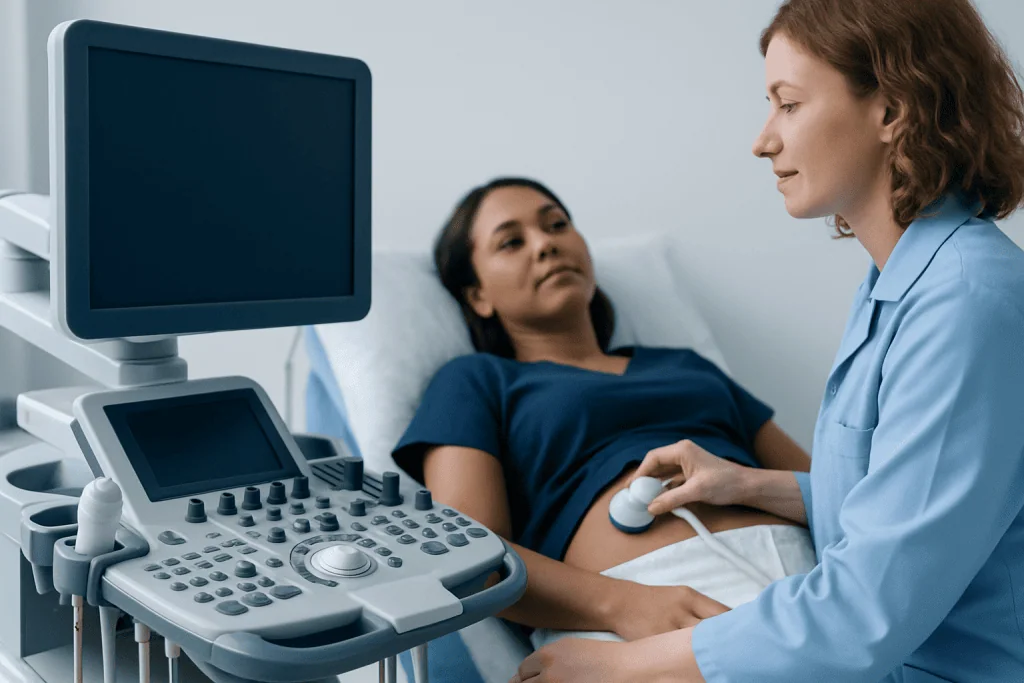
People describe this symptom in different ways. Some notice a few pink spots on toilet paper or underwear. Others see red bleeding immediately after intercourse, streaks of blood mixed with discharge, or bleeding that lasts a few hours. Paying attention to the timing and amount can help a doctor understand the likely cause.
Related symptoms can offer useful clues. Vaginal dryness, burning, or a feeling of tearing may point to irritation. Unusual discharge, odor, pelvic discomfort, or pain with sex can suggest an infection or inflammation. Bleeding between periods, after menopause, or during pregnancy needs special consideration.
It can help to note:
- Whether the bleeding happened during penetration or after sex
- If it was light spotting or heavier flow
- Whether there was pain, dryness, or pelvic pressure
- If there was unusual discharge, itching, or fever
- Whether it happened once or has occurred more than once
- If menstrual periods have changed recently
These details are not meant to cause worry. They simply make it easier for a healthcare professional to decide whether the cause is likely related to irritation, hormonal changes, infection, cervical tissue, or the uterus.
Why it happens: from irritation to underlying conditions
One of the most common reasons for bleeding while making love is tissue irritation. The vaginal lining and the cervix contain delicate blood vessels. If the area is dry or inflamed, contact during sex can cause light bleeding. This may happen around menopause, after childbirth, during breastfeeding, or with medications that affect lubrication.
Infections are another important cause. Vaginal or cervical infections can make tissues friable, meaning they bleed more easily when touched. Sexually transmitted infections, cervicitis, and other forms of inflammation may lead to spotting, discharge, discomfort, or an unpleasant odor.
Benign growths can also play a role. Cervical polyps and uterine polyps may bleed after contact. Conditions affecting the cervix or uterus, including changes detected on screening tests, should also be considered. In some people, bleeding may be linked with fibroids or conditions such as uterine fibroids, especially if there is heavy menstrual bleeding as well.
Less commonly, bleeding after sex can be a sign of precancerous or cancerous changes involving the cervix, uterus, or vagina. This is not the most common explanation, but it is one reason doctors take persistent postcoital bleeding seriously. Early assessment helps identify both simple causes and conditions that need prompt treatment.
Risk factors and situations that increase the chance of bleeding
Several factors can make bleeding more likely even when there is no major disease. Hormonal changes are a leading example. Lower estrogen levels can thin and dry the vaginal tissues, especially around menopause, after childbirth, or during breastfeeding. This makes tissue more sensitive to friction.
Certain medications can contribute as well. Blood thinners may increase visible bleeding from minor irritation, and some hormonal contraceptives can cause breakthrough bleeding that may be noticed around the time of intercourse. A clinician can help determine whether the timing fits a medication effect or whether another cause is more likely.
Pregnancy deserves separate mention. During pregnancy, the cervix may become more vascular and bleed more easily after intercourse. Still, any bleeding in pregnancy should be reported to a healthcare professional so it can be assessed appropriately. Other gynecologic conditions, including endometriosis, may coexist with pain during sex or irregular bleeding, although they are not the most typical cause of postcoital spotting.
Past abnormal cervical screening results, a history of infections, recent pelvic procedures, or postmenopausal status can all change the evaluation. Because the same symptom can have different meanings in different people, a personalized medical review is the safest approach.
How doctors evaluate bleeding during or after sex
Diagnosis starts with a careful history. A doctor will usually ask when the bleeding began, how often it happens, whether it is related to the menstrual cycle, and whether there are symptoms like discharge, pain, itching, fever, or urinary changes. Questions about pregnancy possibility, contraception, medications, and past screening tests are also common.
A pelvic examination often follows. This allows the clinician to look for vaginal irritation, tears, signs of infection, cervical inflammation, polyps, or visible lesions. Depending on age and history, the evaluation may include cervical screening, testing for infections, pregnancy testing, and blood tests if bleeding is heavy or prolonged.
If the cause is not clear, imaging may be useful. A pelvic ultrasound can help assess the uterus, ovaries, and endometrial lining. In selected cases, doctors may recommend ultrasound as part of the initial workup, or MRI when a closer look at pelvic structures is needed. Some people may also need colposcopy, hysteroscopy, or endometrial sampling depending on symptoms and risk factors.
The purpose of testing is to identify the source of bleeding and rule out significant disease. Many people worry that every evaluation will be extensive, but the workup is guided by age, symptom pattern, and examination findings. Often, a straightforward cause is found and managed successfully.
Treatment options depend on the cause
Treatment is based on what is causing the bleeding. If dryness or friction is the issue, simple measures such as adequate arousal time, use of suitable lubricants, and addressing hormone-related tissue changes may be enough. If there is a small tear or irritation, the tissue often heals with time and gentle care.
When infection or cervicitis is present, treatment focuses on the specific organism or inflammatory cause. This may involve prescription medication and, in some cases, treatment of a sexual partner. If a polyp or another structural problem is found, a gynecologist may recommend removal or further assessment.
When imaging or examination shows a uterine issue, treatment can range from observation to medical management or a procedure. For selected causes of abnormal bleeding, doctors may consider approaches such as hysteroscopy to look inside the uterus and sometimes treat the source at the same time. If there is concern about abnormal cervical tissue, follow-up testing and specialist care are important.
People with postmenopausal bleeding, recurrent postcoital bleeding, or abnormal exam findings should not rely only on home remedies. A formal diagnosis helps make treatment both safer and more effective.
Self-care, prevention, and when to seek medical care
Not every episode can be prevented, but some practical steps may reduce the chance of irritation-related bleeding. These include using lubrication when needed, avoiding sex when there is pain or significant dryness, staying current with cervical screening, and seeking prompt care for symptoms of infection. If a new product such as soap, spermicide, or condom material seems to trigger irritation, discussing alternatives with a doctor may help.
It is also useful to track bleeding episodes in relation to menstrual periods, contraception, and intercourse. This record can make a clinical visit more productive. People who are pregnant, postmenopausal, or have had previous abnormal cervical results should be especially careful not to dismiss recurrent spotting.
Medical care should be sought soon if bleeding while making love happens more than once, is getting worse, or is accompanied by pelvic pain, abnormal discharge, fever, bleeding between periods, or pain during sex. Urgent medical attention is important for heavy bleeding, faintness, severe abdominal pain, or any concerning bleeding during pregnancy.
Near the end of the evaluation pathway, some people may need specialist gynecologic assessment. Acibadem International’s multidisciplinary specialists and JCI-accredited hospitals diagnose and treat gynecologic causes of abnormal bleeding for international patients when further evaluation is needed.
Frequently asked questions
Is bleeding while making love normal?
It can happen occasionally, and a small amount of spotting may result from dryness, friction, or minor irritation. However, bleeding is not something that should be ignored if it is new, repeated, heavy, or associated with pain or other symptoms.
Can vaginal dryness cause bleeding during sex?
Yes. Dry or fragile vaginal tissue can become irritated during intercourse and may bleed lightly. This is more common around menopause, after childbirth, during breastfeeding, or when hormone levels are lower.
Should bleeding after sex always be checked by a doctor?
A single light episode may have a simple explanation, but recurring or unexplained bleeding should be assessed. A doctor can look for common causes such as infection, cervical irritation, polyps, or other gynecologic conditions.
Can infections cause bleeding after intercourse?
Yes. Infections of the vagina or cervix can inflame the tissues and make them bleed more easily on contact. They may also cause discharge, odor, burning, or pelvic discomfort.
What if bleeding happens during pregnancy?
Some light spotting can occur because the cervix is more sensitive in pregnancy, but any bleeding during pregnancy should be reported to a healthcare professional. The cause may be minor, but it is safest to have it evaluated.
Is bleeding after sex a sign of cancer?
Most cases are not caused by cancer. Still, persistent postcoital bleeding can sometimes be linked to abnormal cervical or uterine changes, which is why timely medical review and routine screening are important.
References
- American College of Obstetricians and Gynecologists
- National Health Service
- Mayo Clinic
- World Health Organization
- National Institute for Health and Care Excellence
This article is for general information only and is not a substitute for professional medical advice. Please consult a qualified doctor about your individual situation.
Explore treatments in Turkey — costs, top hospitals & a free quote
JCI-accredited · board-certified surgeons · reply within 24h
Add us as a Preferred Source to see more of our trusted health content across Google Search, AI Overviews and Discover.

More from the Health Library


Related Specialists

Dr. Dilşat Çamlı
Radiology
Assoc. Prof. Dr. Hepsen Mine Serin
Pediatrics
Assoc. Prof. Dr. Hatice Yılmaz
Medical Oncology
Prof. Dr. Erhan Serin
Orthopedic Surgery & Traumatology