

Aesthetic Medicine News Today: What Patients Need to Know

Current aesthetic medicine trends focus on minimally invasive treatments, shorter recovery, and more personalized care. Not every new treatment is equally proven; patients should ask about evidence, expected benefits, risks, and recovery.
Key Takeaways
- Current aesthetic medicine trends focus on minimally invasive treatments, shorter recovery, and more personalized care.
- Not every new treatment is equally proven; patients should ask about evidence, expected benefits, risks, and recovery.
- A qualified doctor should assess skin type, medical history, medications, and treatment goals before any procedure.
- Common concerns such as acne scars, pigmentation changes, and skin aging may need a broader medical evaluation, not only cosmetic treatment.
- Warning signs such as severe swelling, vision symptoms, skin discoloration, fever, or worsening pain need prompt medical care.
Aesthetic medicine news today often highlights new injectables, energy-based devices, and regenerative approaches, but the most important takeaway is that safety, evidence, and appropriate patient selection matter more than trends. Patients benefit from understanding what is truly established, what is still emerging, and when a qualified medical evaluation is needed before treatment.
What aesthetic medicine news today means for patients
Aesthetic medicine news today generally points to a clear trend: more people are seeking treatments that improve appearance with less downtime than traditional surgery. The field now includes injectables, laser and light therapies, skin resurfacing, body contouring, hair restoration approaches, and physician-guided skin health plans. For patients, the key message is not simply that there are more options, but that choosing the right option depends on medical suitability, realistic expectations, and treatment safety.
News coverage often focuses on what is new, faster, or more popular. However, patients usually benefit most from understanding what has strong clinical use over time, what remains investigational, and how a treatment fits their individual goals. A procedure that is effective for one person may be inappropriate for another because of skin tone, scar tendency, underlying conditions, pregnancy, medications, or active skin disease.
Another important shift is that aesthetic care increasingly overlaps with general health and dermatologic assessment. Pigment changes, facial redness, hair loss, acne scarring, or volume loss may have medical contributors that deserve attention before a cosmetic plan is made. A patient-friendly approach starts with diagnosis and informed discussion rather than following social media trends or before-and-after images alone.
The biggest trends shaping aesthetic medicine
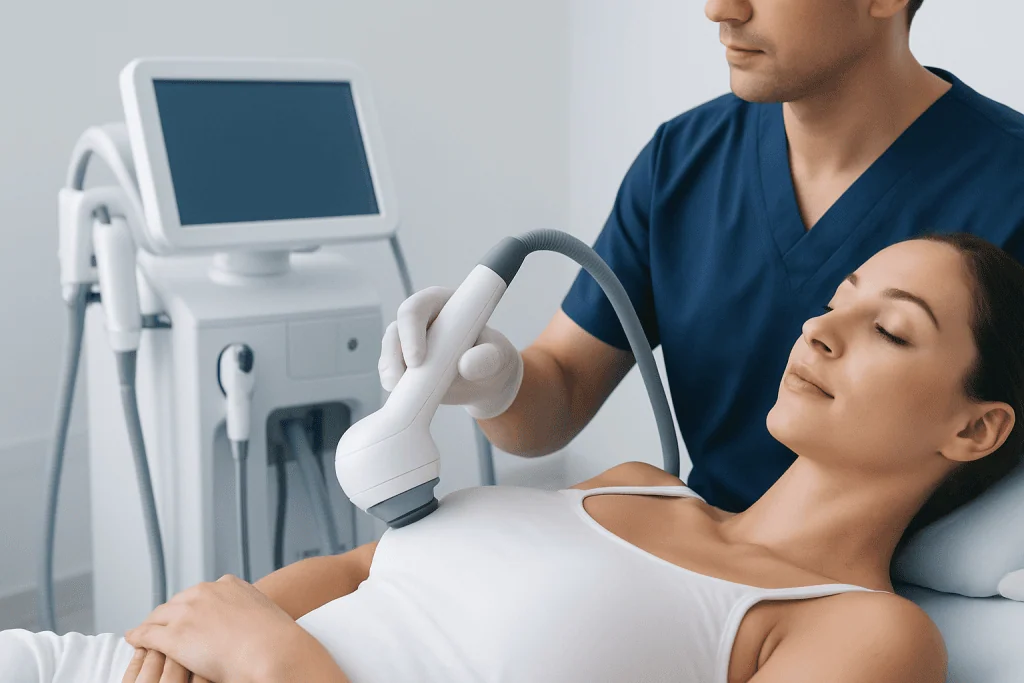
Many recent developments center on minimally invasive and non-surgical treatments. These include neuromodulators for expression lines, dermal fillers for volume support, biostimulatory injectables, energy-based devices that use laser, radiofrequency, or ultrasound, and physician-guided combinations of treatments tailored to skin quality, texture, and elasticity. Patients are also hearing more about regenerative concepts such as platelet-based applications and procedures that aim to stimulate collagen rather than only mask visible changes.
Combination treatment is another major trend. Instead of relying on a single procedure, clinicians may combine skincare, injectables, and device-based treatments to address multiple concerns at once, such as tone, texture, laxity, and fine lines. This can produce more balanced results, but it also means the treatment plan should be medically coordinated and paced appropriately to reduce irritation, swelling, or dissatisfaction.
Personalization is becoming more important as well. Skin type, age-related changes, lifestyle, sun exposure, and ethnic or facial anatomy all influence planning. For some people, a targeted dermatology evaluation is the most useful first step, especially when symptoms such as persistent rashes, acne, unusual moles, or unexplained pigment changes are present alongside cosmetic concerns.
How to judge whether a treatment is established or still emerging

Patients can feel overwhelmed by frequent headlines about breakthrough treatments. A practical way to assess a treatment is to ask whether it has a well-defined purpose, whether its risks are known, and whether a qualified doctor can explain who is and is not a good candidate. Established treatments usually have consistent indications, recognized side effects, and standard aftercare guidance. Emerging treatments may still be promising, but they may have less long-term data, less consistency between clinics, or more uncertainty about durability.
It also helps to separate medical language from marketing language. Terms such as “natural,” “advanced,” or “rejuvenating” do not by themselves show that a treatment is effective or safe. Patients should ask what the procedure actually does, how long results usually last, what alternatives exist, and what recovery to expect. Clear explanations are especially important for injectables and energy-based procedures because technique and patient selection strongly affect outcomes.
Questions that support informed decision-making include:
- What concern is this treatment designed to improve?
- Is it considered standard practice or still relatively new?
- What short-term and delayed side effects are possible?
- How many sessions are usually needed?
- What signs after treatment would require urgent review?
- What results are realistic for this skin type or facial anatomy?
Safety issues patients should know before cosmetic treatment
Safety in aesthetic medicine depends on more than the product or device itself. The evaluation beforehand, the training of the clinician, hygiene standards, and emergency preparedness all matter. Even commonly performed cosmetic procedures can cause complications if carried out inappropriately or without proper assessment. Patients should disclose allergies, bleeding disorders, autoimmune disease, herpes outbreaks, previous reactions, implanted devices, recent procedures, and all medicines or supplements they take.
Injectables may lead to bruising, swelling, asymmetry, lumps, allergic reactions, or, rarely, more serious vascular complications. Laser and energy-based treatments can cause burns, prolonged redness, blistering, post-inflammatory pigmentation, or scarring, especially if settings are not appropriate for the individual’s skin type. Chemical peels and resurfacing procedures also require careful aftercare to protect healing skin and reduce the chance of infection or pigment changes.
Some people pursue cosmetic care for concerns that may actually reflect underlying disease. For example, persistent inflammatory lesions may be part of acne, while facial flushing and visible vessels may relate to rosacea. In these situations, medical diagnosis and treatment can improve both skin health and cosmetic outcomes more effectively than a purely aesthetic procedure.
Patients should be cautious about receiving treatment in non-medical settings, accepting procedures without a consultation, or choosing care based only on low cost or online popularity. A responsible provider explains limitations as clearly as benefits and postpones treatment when skin is irritated, infected, healing from another procedure, or medically unsuitable that day.
What happens during a proper consultation
A good consultation is often the best predictor of a safe and satisfying experience. The clinician should ask what bothers the patient most, what result they hope to achieve, and whether they prefer subtle change or more visible improvement. The discussion should also cover medical history, prior procedures, healing tendencies, and whether the patient can realistically follow aftercare instructions such as sun protection or avoiding certain activities for a short period.
Examination matters because not every concern should be treated immediately. A doctor may identify active inflammation, melasma, infection, eyelid problems, skin lesions, volume changes, or structural issues that alter the treatment plan. In some cases, referral to another specialty may be appropriate before proceeding. For patients with skin texture changes, scars, or diffuse concerns, a broader skin assessment may be more useful than requesting one procedure by name.
Documentation and consent are also part of quality care. Patients should understand expected benefits, alternatives, temporary effects, and possible complications. They should know how results develop over time, whether repeat sessions are needed, and what to do if they notice unusual symptoms after treatment. When concerns involve scars or texture irregularities, options such as laser treatment may be discussed in the context of skin type, recovery, and realistic expectations.
Recovery, aftercare, and protecting results
Aftercare is not an afterthought in aesthetic medicine; it is part of the treatment itself. Depending on the procedure, the skin may be temporarily more sensitive to heat, friction, intense exercise, makeup, or sun exposure. Following instructions carefully can reduce the risk of prolonged redness, pigmentation, infection, and uneven healing. Patients should use only the recommended products during recovery and avoid adding strong active ingredients too soon.
Sun protection is one of the most important long-term measures after many aesthetic procedures. Daily broad-spectrum sunscreen, hats, and shade help preserve results and reduce the chance of discoloration. Gentle cleansing, appropriate moisturization, and not picking at treated areas also support healing. When treatment is done for acne-prone or reactive skin, consistent medical skincare may matter as much as the procedure itself.
Results also tend to last better when overall skin health is maintained. Sleep quality, smoking status, nutrition, and chronic stress can affect healing and visible aging. Some patients benefit from planned maintenance sessions rather than frequent unstructured treatments. A measured schedule is usually safer and more sustainable than pursuing multiple procedures too close together.
When to seek medical care
Most mild redness, swelling, tenderness, or bruising after cosmetic treatment improves gradually. However, certain symptoms should not be ignored. Patients should seek prompt medical advice if they develop severe pain, rapidly increasing swelling, spreading redness, fever, pus, blisters, skin that becomes pale or dusky, or any symptom that feels significantly worse instead of better.
Urgent assessment is especially important after injectables if there is unusual discoloration, intense pain, cold skin, or changes in vision. After laser or resurfacing procedures, extensive blistering, signs of infection, or marked worsening of pigmentation should also be reviewed by a qualified doctor. Eye-area treatments deserve extra caution because swelling, visual symptoms, or severe headache may require immediate medical attention.
If a cosmetic concern seems to be changing in an unexpected way over time, it may need medical evaluation rather than repeat procedures. For example, an enlarging lesion, persistent rash, or non-healing spot should be assessed clinically. In complex cases, multidisciplinary review may help guide care; Acibadem International’s multidisciplinary specialists in JCI-accredited hospitals diagnose and treat skin and aesthetic concerns for international patients.
How patients can make informed choices in a fast-moving field
The safest way to interpret aesthetic medicine news today is to use it as a starting point for questions, not as a reason to rush into treatment. Patients can ask what problem the treatment is meant to solve, whether it is the best option for their anatomy and skin type, and whether a non-cosmetic diagnosis should be considered first. This approach supports realistic decision-making and helps avoid disappointment.
It is also reasonable to ask about the clinician’s relevant experience, expected downtime, follow-up plans, and how complications are handled. Honest conversations about limitations are a sign of quality care, not a negative sign. A treatment that promises subtle, appropriate improvement may be more suitable than one presented as a dramatic universal solution.
For people considering broader facial or body changes, a specialist may explain when non-surgical approaches are likely to help and when surgery may be more effective. Depending on the concern, this can include discussion of plastic and reconstructive surgery or other medically supervised options. The best plan is individualized, evidence-based, and guided by health as well as appearance.
Frequently asked questions
What does aesthetic medicine news today usually refer to?
It usually refers to current developments in non-surgical and minimally invasive cosmetic care, such as injectables, laser procedures, skin rejuvenation, and body contouring. For patients, the most useful interpretation is not which treatment is trending, but which options are evidence-based, appropriate, and safe for their individual needs.
Are newer aesthetic treatments always better than older ones?
Not necessarily. Newer treatments may offer advantages for some people, but long-term safety, durability, and consistency can be less established than with well-known procedures. A qualified doctor can help explain whether a newer option is truly suitable or whether a more established treatment may be more predictable.
How can a patient tell if a cosmetic treatment is medically appropriate?
A proper consultation should include medical history, skin or facial assessment, discussion of alternatives, and clear explanation of benefits and risks. If a provider suggests treatment without examining the patient or reviewing important health details, that is a reason to pause and seek a more thorough opinion.
What are the most important safety questions to ask before treatment?
Patients should ask what the treatment is designed to improve, what side effects are common, what serious complications are possible, and what aftercare is required. It is also important to ask who will perform the procedure, how follow-up works, and what symptoms would require urgent medical review.
Can skin conditions be mistaken for cosmetic concerns?
Yes. Acne, rosacea, pigmentation disorders, dermatitis, infections, and some skin lesions may first appear to be purely cosmetic problems. That is why persistent or unusual changes should be assessed medically before cosmetic treatment is planned.
When should someone seek medical care after an aesthetic procedure?
Medical care should be sought promptly for severe or worsening pain, marked swelling, fever, pus, spreading redness, blistering, unusual skin discoloration, or any visual symptoms after facial injections. Mild temporary redness or bruising can be expected after some procedures, but worsening symptoms should never be ignored.
References
- American Academy of Dermatology
- American Society of Plastic Surgeons
- U.S. Food and Drug Administration
- National Health Service
- International Society of Aesthetic Plastic Surgery
This article is for general information only and is not a substitute for professional medical advice. Please consult a qualified doctor about your individual situation.
Hair transplant in Turkey — costs, graft counts & a free assessment
JCI-accredited · board-certified surgeons · reply within 24h
Add us as a Preferred Source to see more of our trusted health content across Google Search, AI Overviews and Discover.

More from the Health Library


Related Specialists

Dr. Hüseyin Demir
Neurosurgery
Fzt. Cihan Seyyah
Physical Medicine & Rehabilitation
Dr. Ebru Füsun Donat
Gynecology & Obstetrics
Prof. Dr. Zübeyde Gündüz
Pediatrics